A separated curb above a service bay can drip onto a vehicle lift or work area before anyone sees water at the ceiling. For auto dealership roofing in Merced, CA, we locate the roof detail and identify what operates below it. A showroom, repair bay, parts counter, and vehicle delivery lane create different protection and access needs. The facility lead identifies which systems must remain active and where customers or inventory can be routed during work. Merced's summer heat makes membrane-to-metal movement worth checking at curbs and equipment bases. A commercial roof inspection can map the defect, examine the connection, and define a useful repair boundary.
Merced is a junction for Highways 99, 59, and 140. Downtown Merced contains retail, offices, and government uses, while Atwater lies on Highway 99. We confirm the dealership's own entrance, service-drive schedule, delivery route, and roof access before staging material.
Separate showroom and shop roof areas
One property may contain a showroom, service bays, parts storage, offices, and lower connectors. We map each roof section to the use below it. A leak above customer vehicles needs a different interim plan from a stain over an office. The service manager identifies lifts, electrical panels, and vehicle handoff points that cannot be blocked. We add those limits to the roof map before choosing material access.
Showroom glazing can make a leak difficult to locate from below. A commercial roof repair scope identifies the roof detail, not only the vehicle or ceiling where water appeared. The property lead coordinates vehicle moves and any short bay or delivery-lane closure before removal. The roof evidence sets the repair boundary; activity below sets protection.
Check curbs, exhausts, skylights, and metal edges
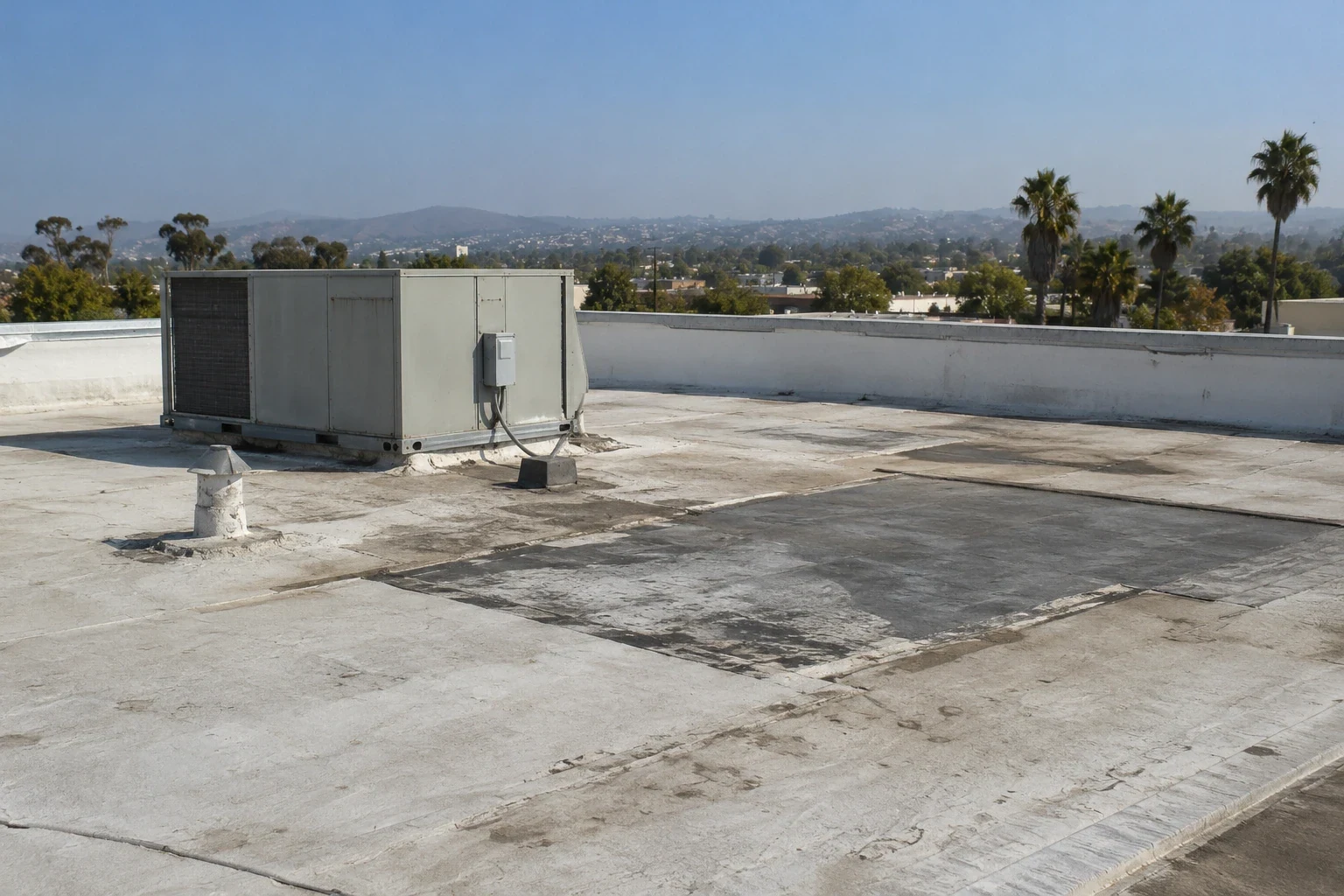
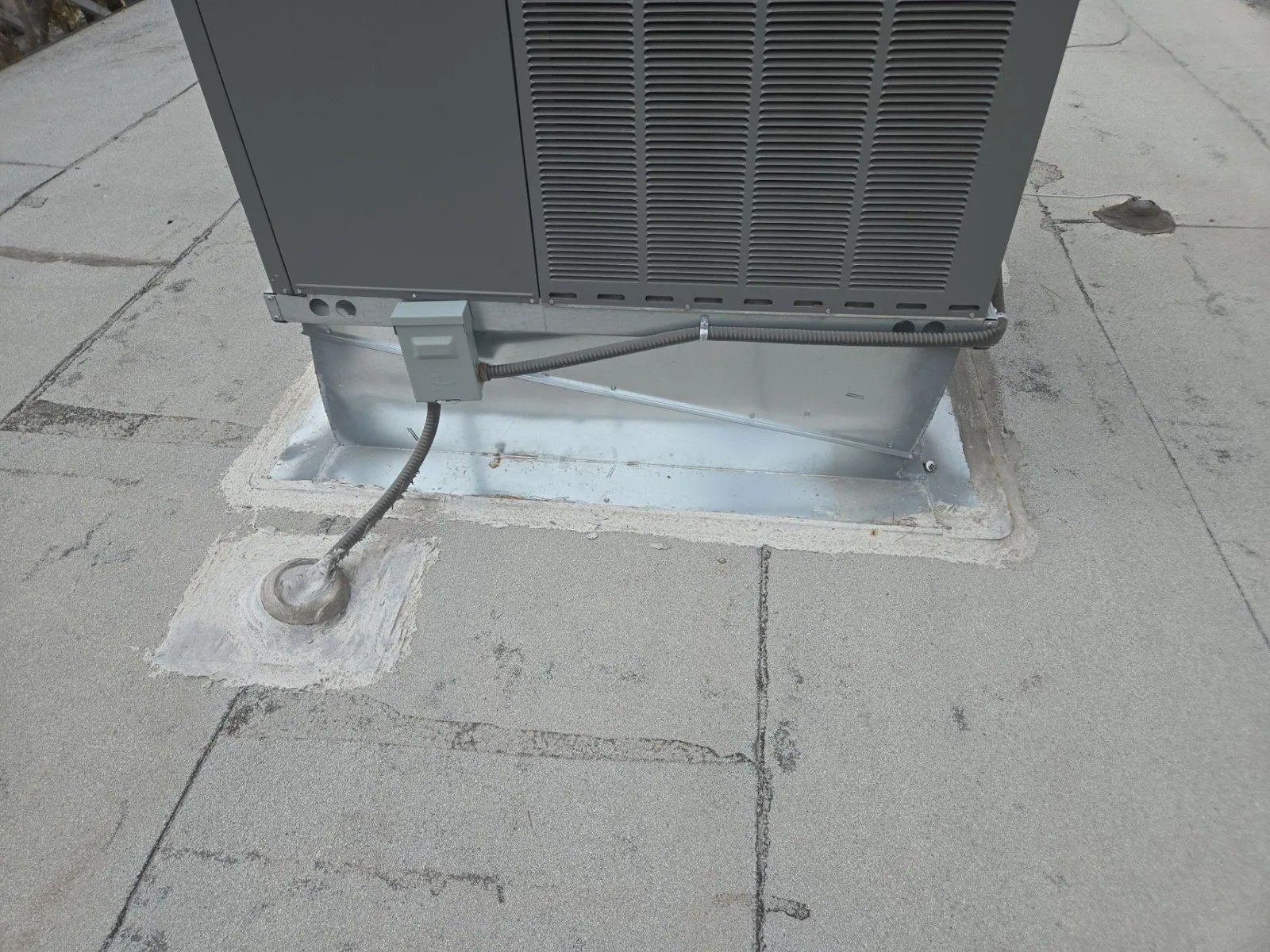
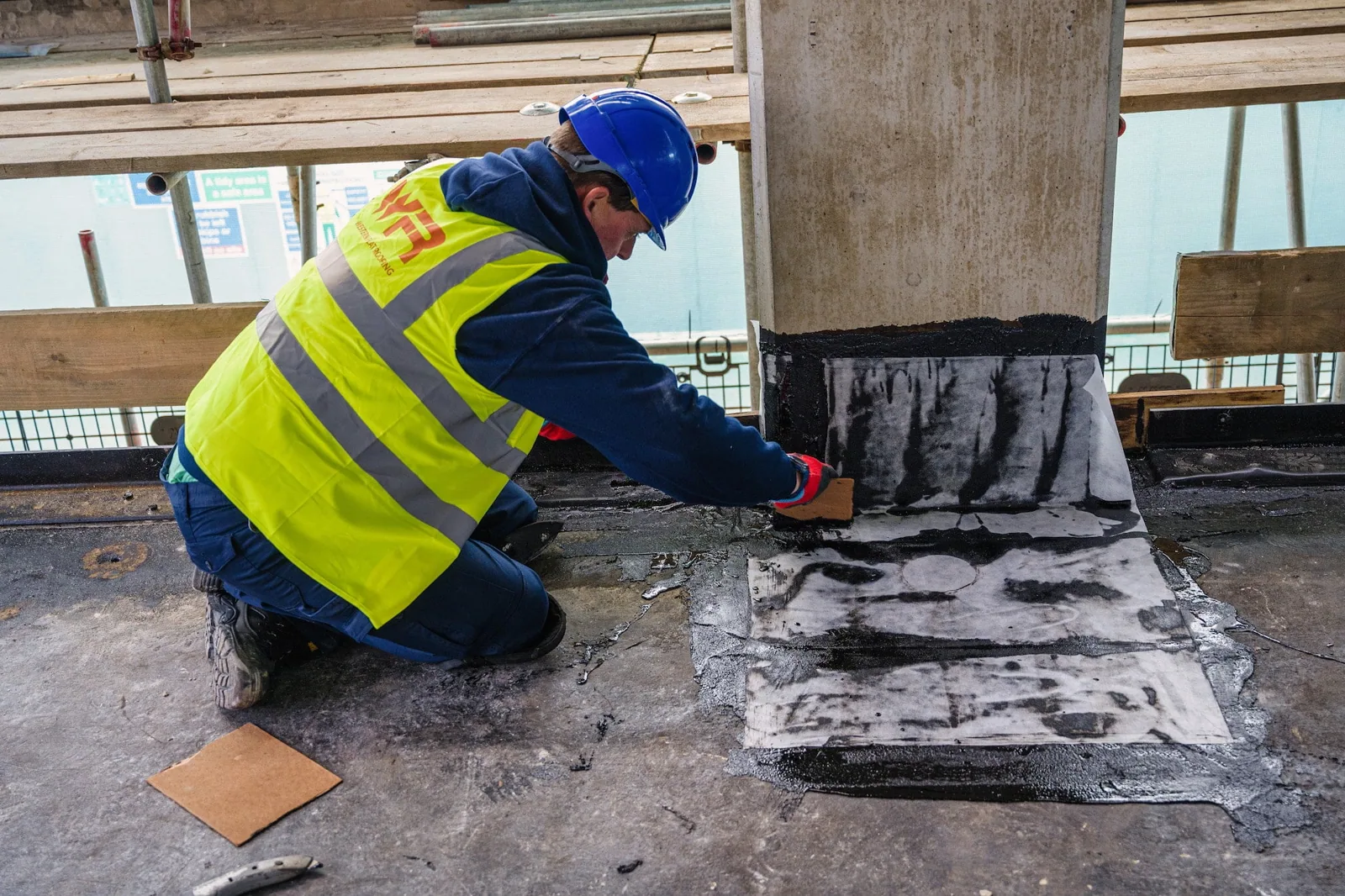
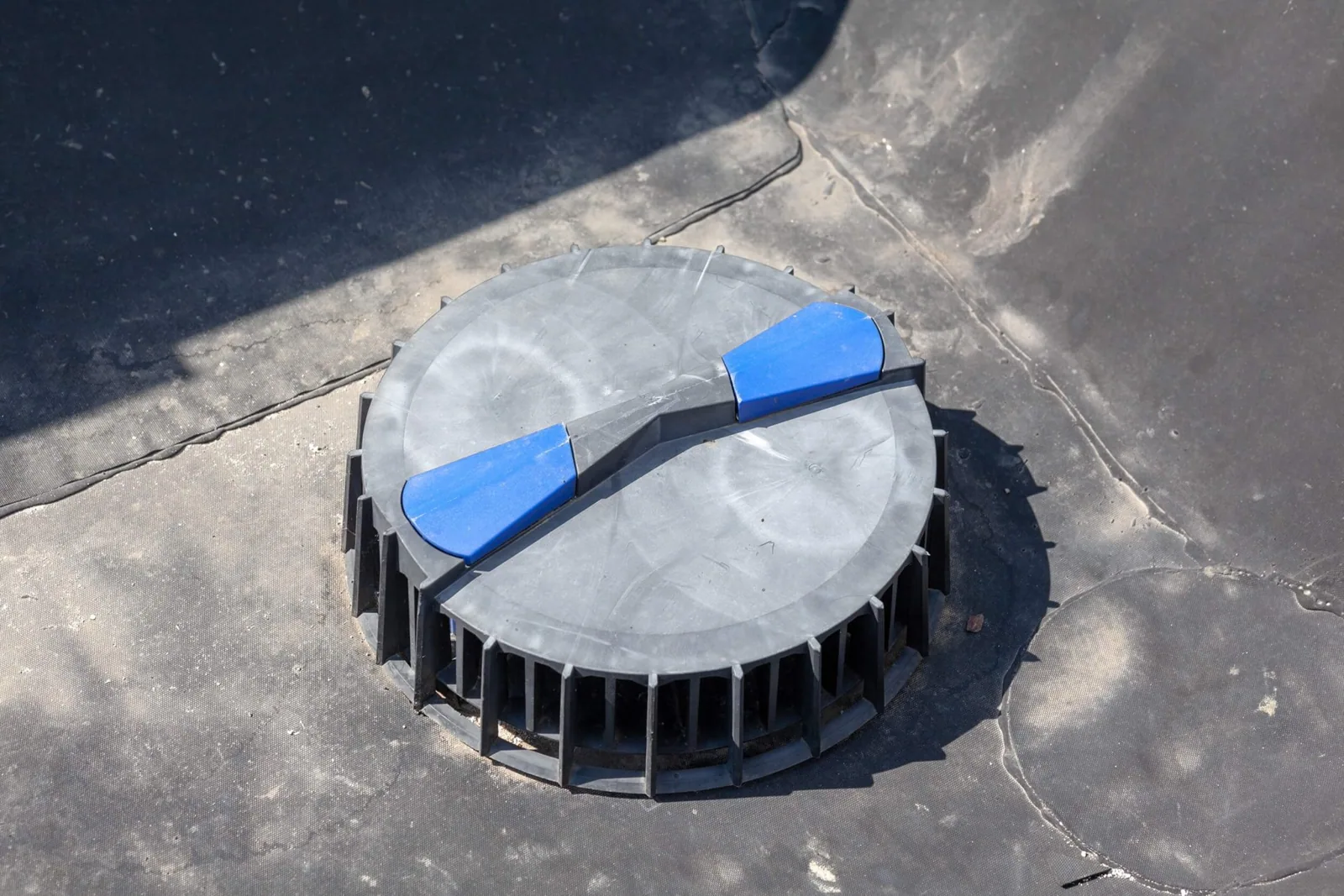
Service-bay roofs may have exhaust equipment, unit curbs, skylights, conduit, and piping. We verify which features are present and inspect the membrane or metal connection around each one. Heat movement can work a termination loose, while maintenance activity may add a new pipe or service path after the last roof visit. A curb and rooftop-support review can identify where roofing and mechanical work need to meet. We note equipment that must stay online and the trade contact who controls any shutdown.
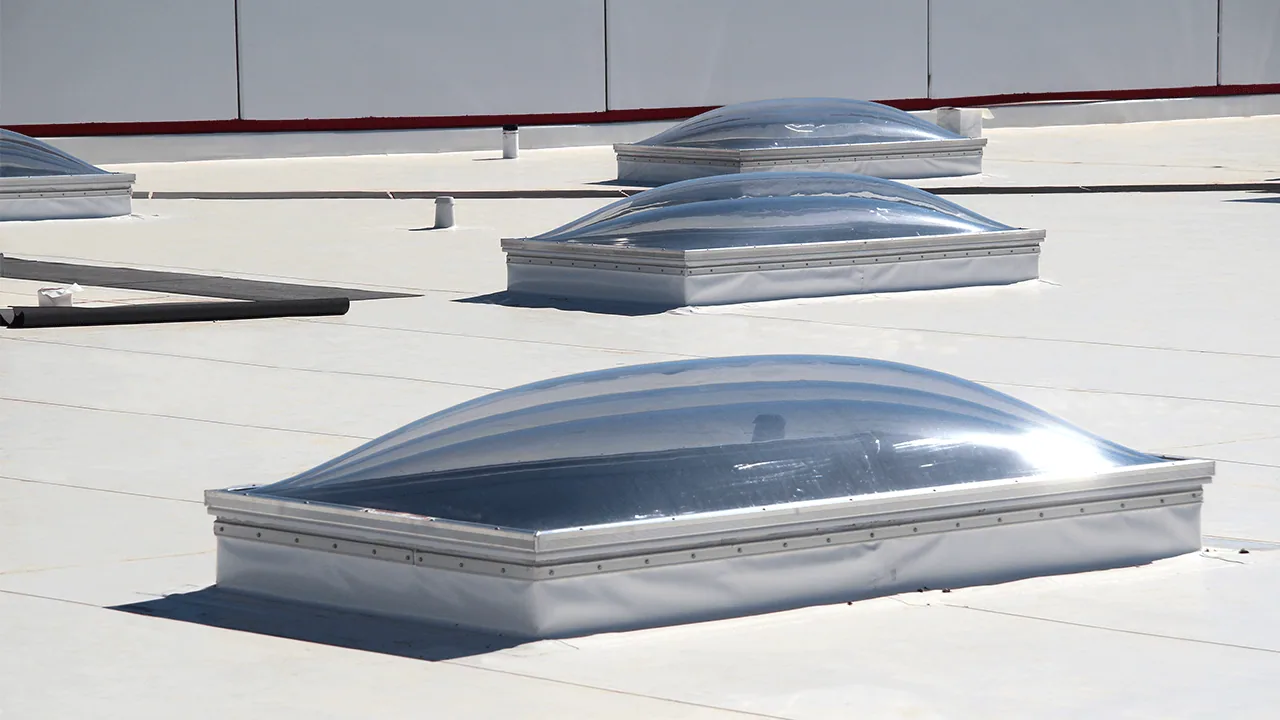
Skylight frames, edge metal, and field seams require material-specific inspection. A worn sealant bead does not establish that sealant alone is the repair; we look for movement, separation, corrosion, and water path at the connected assembly. If a skylight opening is included, we plan safe separation from the work area and confirm how flashing will be restored. A penetration-flashing review can set the detail and tie-in required at a curb, pipe, or roof opening.
Trace water before setting removal limits
Water near a lift control or parts shelf may enter at another roof detail. We compare the report with slope, drains, seams, curbs, and prior repairs. If insulation may be wet, we determine whether a scan or approved opening can locate the removal boundary. The property lead approves the test and closure plan. A photographic roof condition report ties findings to the bay or showroom area.
After an opening, we document the exposed layers and distinguish wet material from suitable retained insulation. Damaged deck or loose attachment may require added review before new roofing is installed. The proposal identifies confirmed quantities and states what discovery would require a change authorization. We do not use the size of a ceiling stain as the membrane removal dimension. A repair that closes only the top surface can leave a wet layer or weak support in place, while removing sound areas without evidence adds cost without improving the connection.
Plan around Merced heat and drainage
In the 1991-2020 record, Merced station normals show 99.7 days each year reaching 90 degrees and 22.8 reaching 100. Before preparing a seam or exposed section, we check the current roof surface and the product's temperature limits. We check the forecast, surface, wind, and product instructions before preparing a seam or leaving a section exposed. If the method cannot be completed in the available window, the shift needs a secure closure point. The facility lead also identifies bays that can be isolated.
Merced station precipitation normals are concentrated in the cooler months, while July and August round to 0.00 inches. We still inspect drains, scuppers, and edge transitions because a dry period does not correct a damaged outlet. A drain and scupper inspection can separate debris removal from connection repair or low-area review. The completed detail should carry water to a functioning outlet without directing it toward a showroom entrance or service bay.
Keep customer and vehicle routes usable
Before delivery, we identify the customer entrance, service reception, parts drop, vehicle queue, and waste route. Roofing across a drive lane may need a detour or limited work period. The manager needs to know which bay is affected, how long protection remains, and how the roof will be secured at shift end. Each phase needs time for removal, substrate repair, flashing, and closure.
A large retail roof assessment may also consider customer movement, while a flex-industrial roof review may involve mixed shop and office uses. The dealership's service schedule and vehicle layout determine its own sequence. We confirm a point of contact for changes if a vehicle, delivery, or unexpected roof condition affects the planned work area. This gives the manager a concrete way to coordinate roofing with sales and repair activity.
Compare repair and replacement scope
A small curb or seam defect can support a focused repair when the surrounding membrane and support remain suitable. Repeated leaks, deteriorated field areas, wet insulation across several bays, or incompatible patches can justify evaluating broader renewal. We compare the removal boundary, equipment clearances, drains, roof height, and the operations affected below. A replacement option should identify which bays or entrances need protection, how work will be phased, and what happens if concealed deck damage is found. Each alternate states the condition that triggers it and who can approve added work.
Merced's highway junction and Downtown commercial uses make access planning relevant across the region, but the cost drivers belong to the inspected property: membrane and layer condition, equipment details, material handling, and the closure window. We present repair and replacement with the same assumptions where possible. If an existing assembly is suitable to retain, that evidence should be visible. If it is not, the proposal explains the added removal and restoration needed rather than labeling every roof problem as a full replacement.
Record the repaired areas and open items
Closeout identifies each roof section and affected bay, installed materials, preparation, photographs, and test results. We list any excluded curb or penetration and the review still needed. If weather or access paused work, the record states the secured stopping point and next action. Warranty notice or inspection steps come from the actual contract. The operations lead confirms which entrances and bays have returned to use.
A later leak report can be compared with the repair map. We name the next inspection contact and any equipment coordination still open. Merced’s highway junction and Downtown commercial uses set regional context; the facility record shows its roof condition and access needs.
Commercial Roofing Questions
Can the service bays stay open during roof repairs?
Some sections can remain active if the work boundary, vehicle protection, access route, and closure time support it. We identify affected bays with the service lead before removal is planned.
Does a leak above a vehicle identify the roof opening?
No. We trace the interior location against roof slope, seams, curbs, drains, and prior repairs before choosing the permanent repair point.
Can a new rooftop unit be included in the repair?
We inspect the curb and membrane transition and coordinate with the mechanical contact. The scope identifies any equipment shutdown, new penetration, or detail work required.
What happens if wet insulation extends past the visible stain?
We map the exposed condition, explain the additional removal boundary, and request approval for added work before expanding the authorized scope.
What information helps plan an inspection?
Send the building address, roof plan, reported leak areas, bay and customer hours, equipment list, prior repair records, and the person who can coordinate access.
Inspect the dealership roof assembly
Provide the Merced address, roof records, operating hours, equipment notes, and reported leak locations. We can map the defect and define a repair or replacement scope.
Related Roofing Work