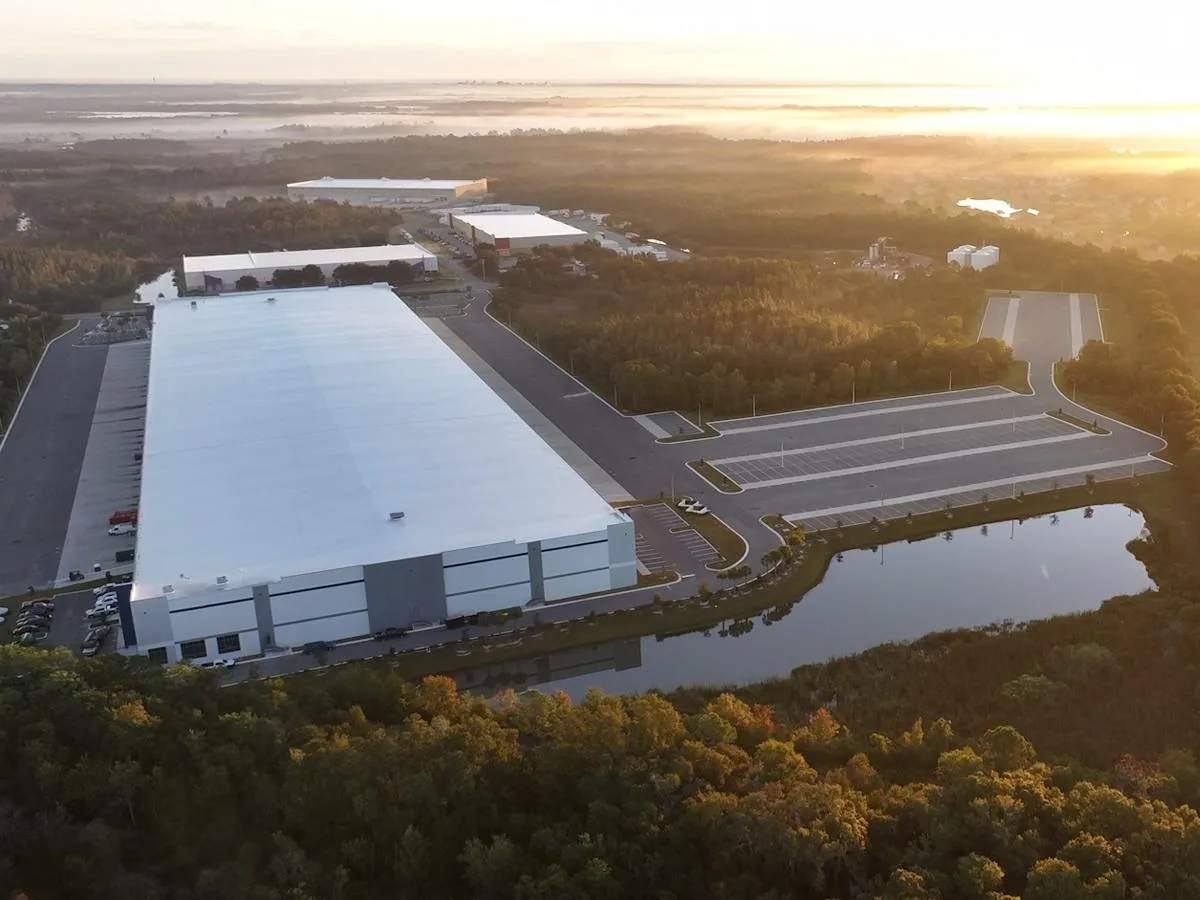
A leaking lap over a dock door can force a shipping team to move pallets before the roof crew has even reached the opening. For logistics and third-party logistics facilities in Merced, we identify the roof section, dock below, and truck movement before setting a repair sequence. The operations contact tells us which doors are active, when trailers are scheduled, and where inventory needs protection. Highways 99, 59, and 140 converge in Merced, with BNSF and Union Pacific rail service also serving the area. Those connections matter to delivery planning; they do not tell us the access route for a particular warehouse. We confirm that with the site lead.
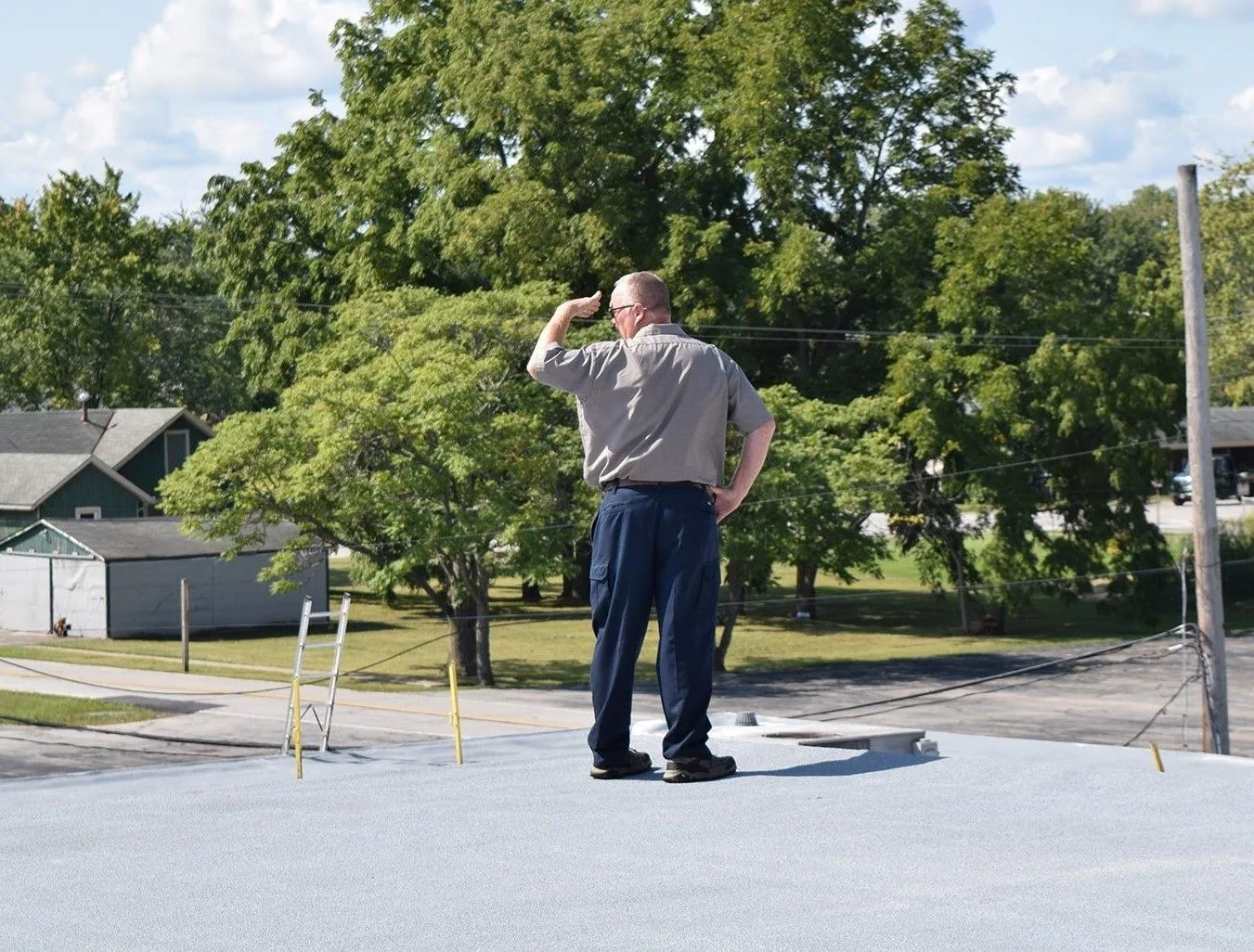
A commercial roof inspection can map the leak, examine nearby details, and define what needs repair or testing.
Keep the loading face usable
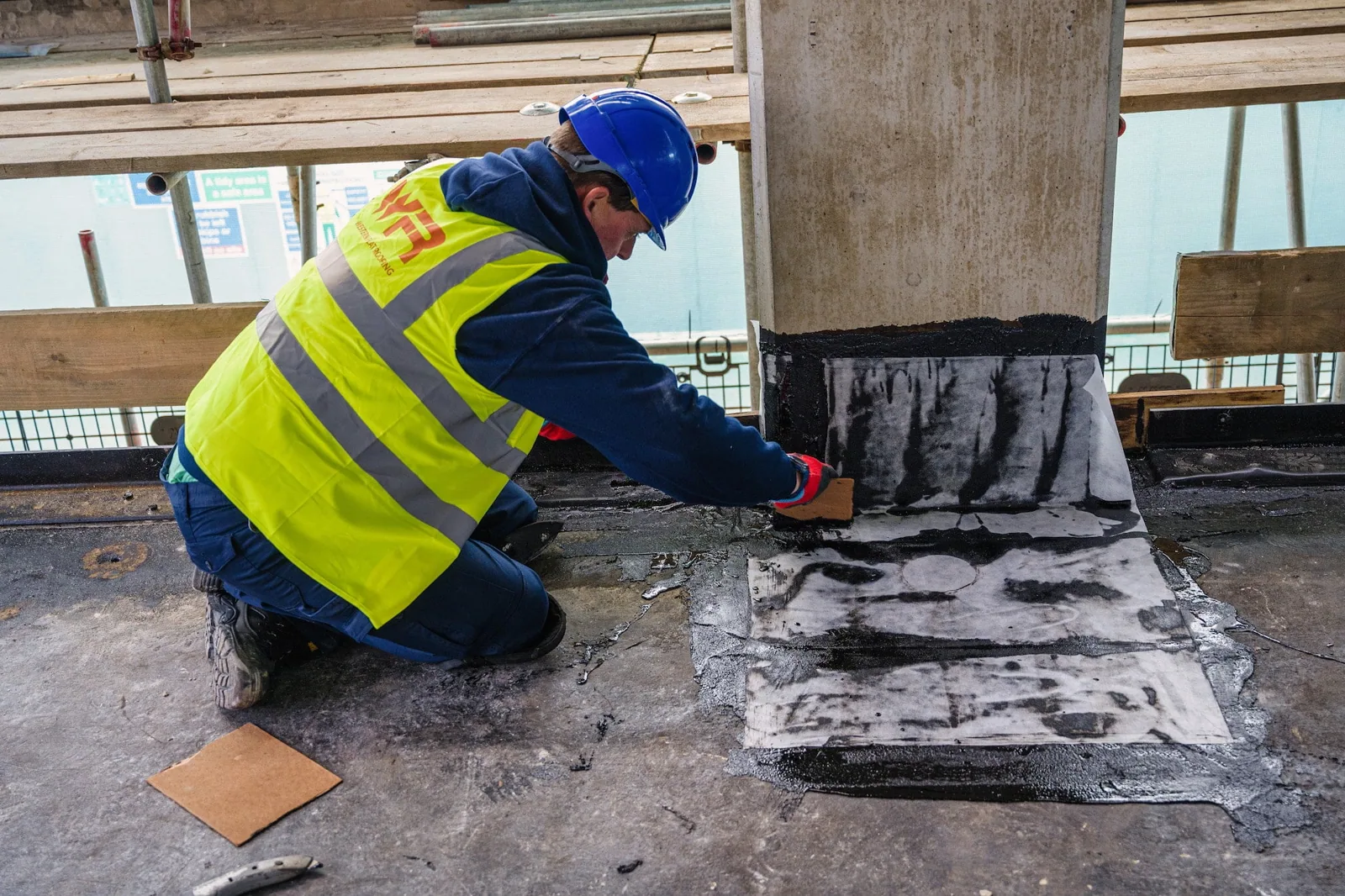
A roof opening above a dock, canopy, or receiving lane can affect trailer movement and employee access. We locate the work area against the loading plan and identify which doors can close temporarily. The site contact can select a staging area that does not conflict with dispatch, fire routes, or trailer turns. If removal crosses an active lane, the sequence names the alternate route and the person who will coordinate it. The roofing shift needs time to remove damaged layers, rebuild the detail, and secure the section.
A distribution center roof review can consider high-volume dock activity, while a warehouse may have different storage patterns. We ask about the actual operation instead of assume every dock runs on the same schedule. This helps the manager reserve a useful work window rather than hold a door for an interval that cannot accommodate the complete repair.
Map the leak to the correct roof zone
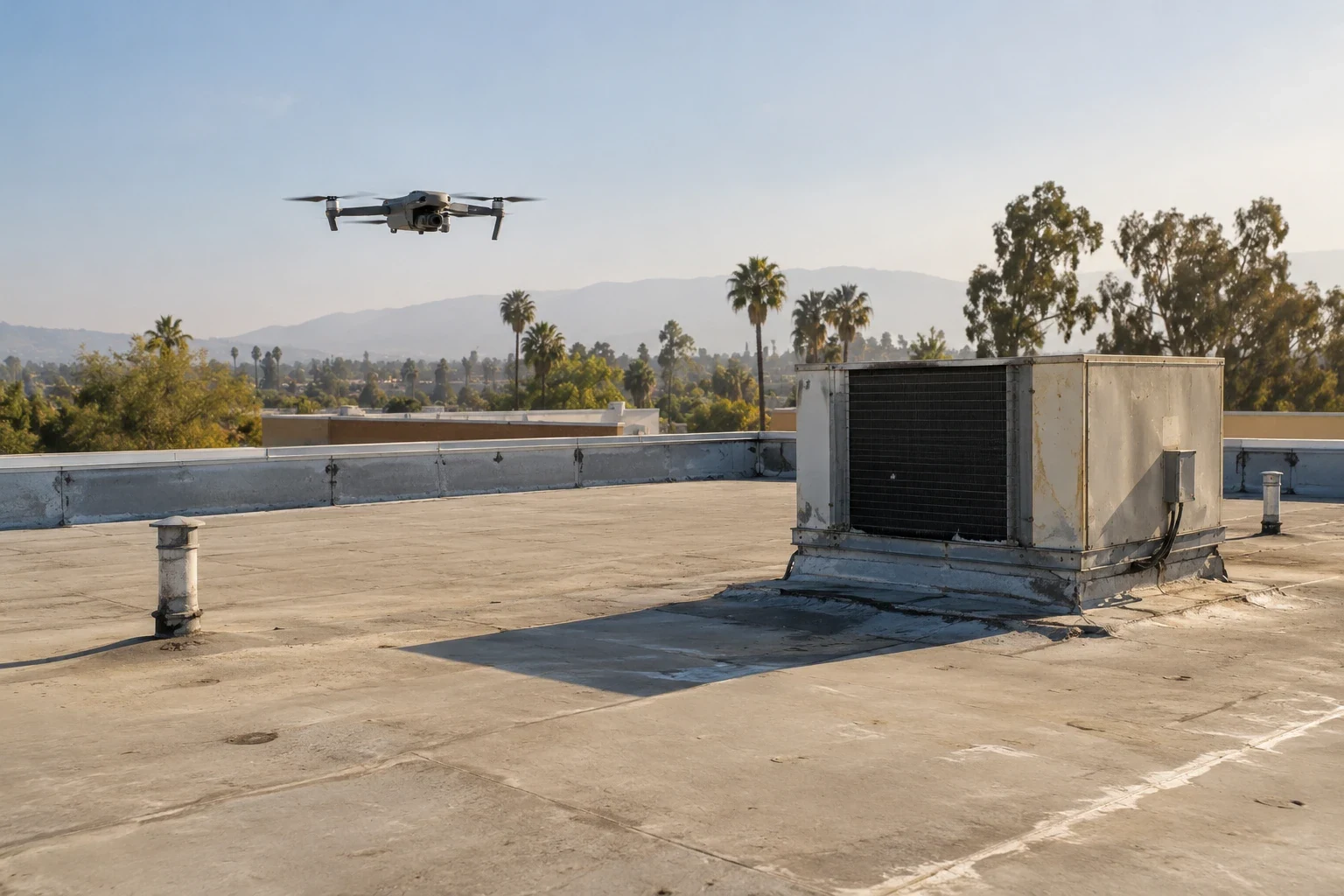
Rain or wash water may appear over one dock after moving along a slope, seam, or hidden layer. We compare the report with the field membrane, drains, penetrations, and previous work, then mark where evidence begins and ends. A drone roof inspection can help document broad roof areas or difficult-to-see transitions, but close inspection or a test opening may still be needed to confirm the material condition. The site receives a roof map that uses recognizable building zones and door numbers.
If moisture could extend into insulation, we state what check would define removal. The operations lead authorizes a test location and confirms which inventory or equipment needs protection below. We record exposed layers and do not convert a scan pattern into a final quantity without physical confirmation. A condition report can retain those findings and open questions with the correct building map.
Inspect roof equipment and service routes
Conveyors, exhaust fans, unit curbs, solar supports, and communication lines can shape the roof route or interrupt a membrane. We inspect the detail where equipment meets the roof and ask whether a service contractor needs access during the same period. If a unit must remain available for temperature control or dispatch systems, the facility contact identifies the shutdown authority and usable interval. We define the roof repair and the related trade work before equipment is moved or disconnected.
Repeated foot traffic can wear the membrane near a hatch or service lane. If the same route is used for equipment maintenance, the work scope should address protection as well as the existing puncture. A new patch over a recurring contact point may not solve the problem. We photograph the route and state which protection measure is part of the authorized scope.
Relate Merced corridors to each site
BNSF rail and State Route 99 run about two miles west of Winton. Livingston sits on Highway 99, with the rail alignment passing through the city near the Merced River. These are regional transportation facts that can help dispatchers understand the service area; the warehouse manager still provides the actual entrance, gate, and receiving hours. A Winton service-area reference may orient the work order, while the site drawing and delivery plan set truck access for the roof project.
Merced's summer heat can narrow practical preparation and close-in periods for some materials. We check the current forecast, roof surface, wind, and product instructions before exposing a section. A repair that begins late in a shift needs enough time for the specified detail and secure closure. If the available window is shorter, we plan a smaller work area or another start time rather than leave a membrane transition unfinished above stored goods.
Protect inventory from drainage failures
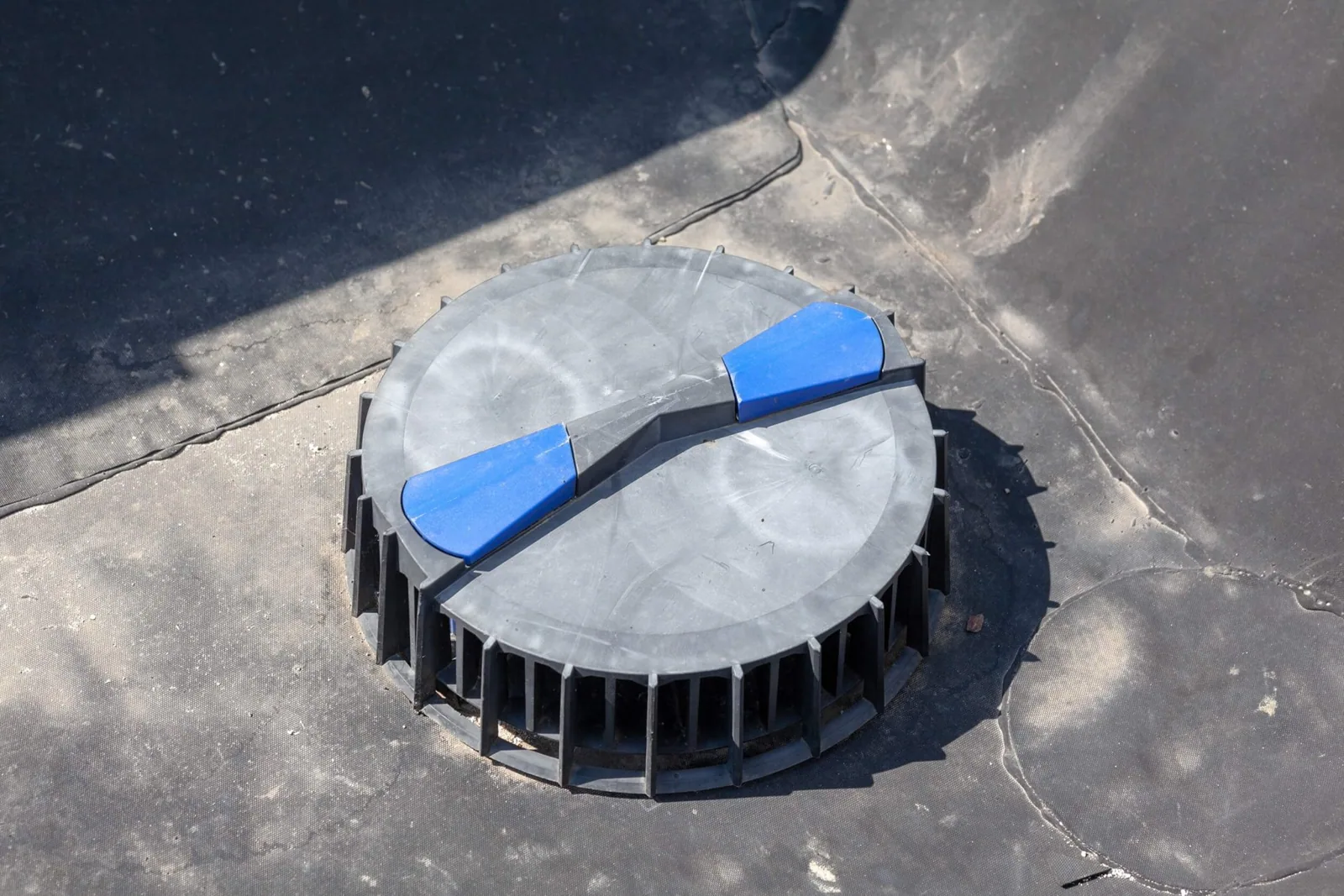
A blocked outlet, loose drain flange, and low roof area can each leave water above inventory. We inspect the drain bowl, membrane connection, nearby slope, and overflow route. A drain and scupper review can distinguish clearing from a repair to the flashing or a need for additional design assessment. We note which rack or storage zone sits below the observed water path so the property team can arrange temporary protection.
Merced's station normal for January precipitation is 2.37 inches, compared with 0.00 inches in July and August. This seasonal pattern can inform planned inspection timing, but it does not predict a particular storm or show the condition of the roof. The current forecast and outlet condition govern the response. If a new roof layer changes drain height, we check the sump and connection before work is accepted.
Compare a dock repair with broader renewal
A localized seam or drain defect can be repaired when the surrounding material and support remain suitable. Repeated leaks, broad wet insulation, corrosion, or failed attachment across several dock zones may justify a wider project. We compare affected roof sections, equipment details, drainage, test results, and the staging impact of each option. Cost drivers include removal depth, insulation replacement, number of transitions, material handling, and time a dock or lane must be restricted.
A manufacturer roof review may prioritize production shutdowns, while a portfolio asset comparison can address capital ranking. For a logistics site, we identify the shipping periods and areas that need continued access. The proposal separates confirmed repair from a recover or replacement alternate, states how the roof will be closed each shift, and identifies what concealed finding would require added approval.
Hand off the building and door references
Closeout should record the building, roof section, dock or lane below, material installed, preparation, photographs, and test results. Note any loading door that remained closed, any protection still in place, and which areas were not part of the approved scope. If a test opening was made, retain the location and patch detail. The operations contact can then compare a later report with the correct part of the roof instead of reopening a general leak ticket.
Merced's highway junction and rail service support regional movement, but the property's own records govern its roof maintenance. The next inspection entry should identify the person who coordinates access, the date or event that triggers a follow-up, and any equipment route that needs protection. That handoff helps dispatch and facilities teams act from a clear building record when shipment schedules are tight.
Commercial Roofing Questions
Can dock doors stay active while a roof section is open?
We identify the door and work zone, then agree on an alternate route or temporary closure if needed. The roof section must have a secure close-in plan for each shift.
Does water above one dock mean the leak is over that door?
Not necessarily. We check slope, seams, drains, penetrations, and prior repairs to locate the entry path before setting the repair boundary.
When is drone inspection useful at a logistics property?
A drone can document broad roof areas and upper roof details. It does not replace a close check or test opening when the material or concealed layer needs confirmation.
How do you handle inventory beneath an opening?
The facility identifies the affected rack or dock zone. We describe the roof opening and protection needs before removal so inventory can be moved or covered appropriately.
What records should remain after the repair?
Keep the roof map, dock reference, photographs, material and preparation notes, test results, access restrictions, and any remaining inspection action with the facility file.
Inspect a logistics roof over the dock
Share the Merced-area address, roof plan, active door schedule, leak location, dispatch contact, and inventory protection needs. We can set a defined inspection and repair window.
Related Roofing Work