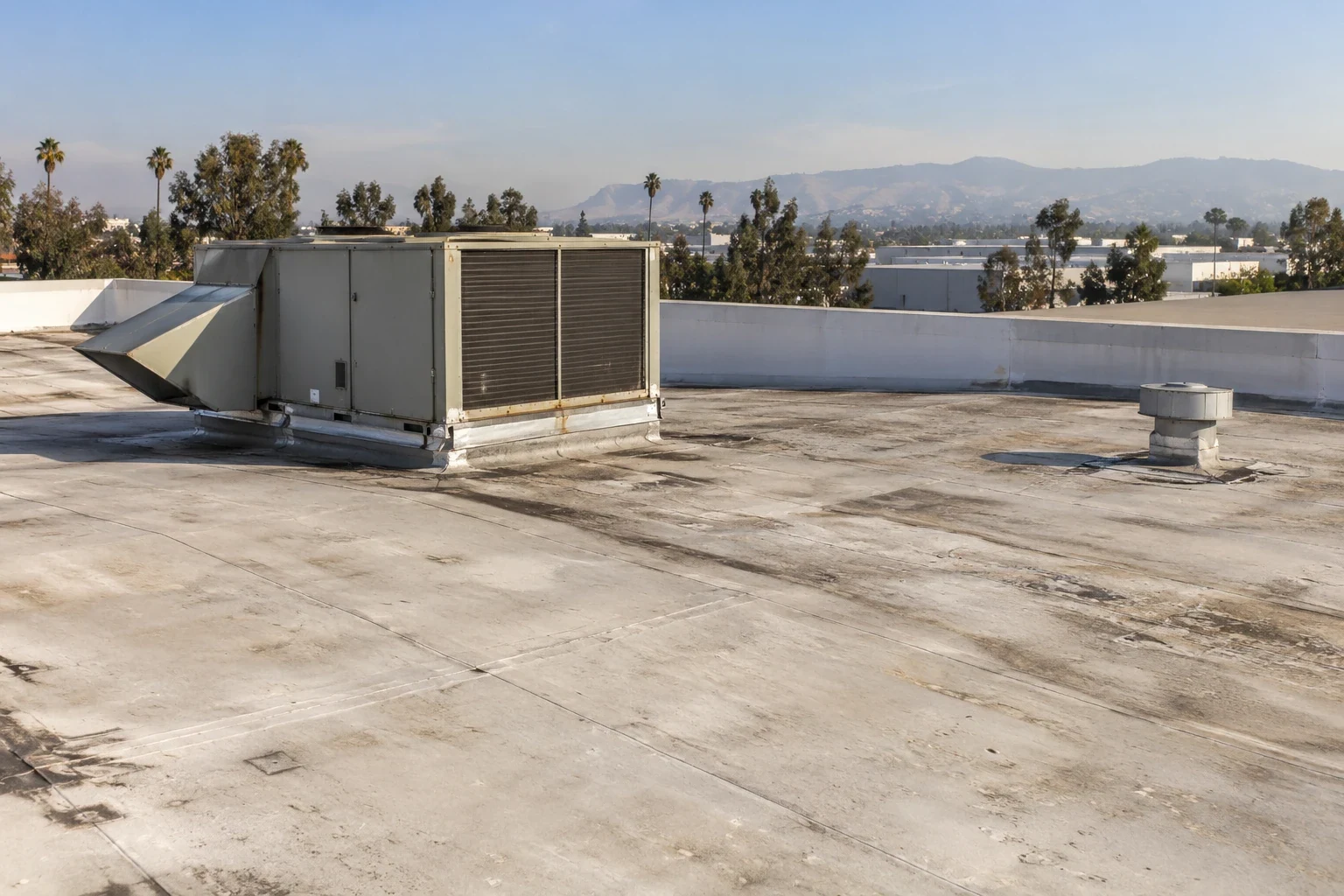
A firm membrane field can hide a wet insulation joint. Before a roof recover in Merced, CA, we examine the layers that the proposed overlay would leave in place. Recover work adds a roof assembly over suitable existing construction. The retained material becomes part of the support for the new work. Its condition deserves more attention than its appearance from a ladder.
Atwater includes food processing and building-products manufacturing. A manager considering recover work above an operating building needs to weigh the benefit of limited tear-off against the risks of leaving damaged material concealed. Downtown Merced has a different mix of offices and restaurants, but the same suitability question applies. We identify the retained layers before discussing the new surface.
The retained assembly
Existing roof construction needs to be identified layer by layer. We examine accessible edges, prior repair locations and selected test openings. The number of layers, their attachment and their condition can affect whether a recover is appropriate. Applicable project requirements also need review. An overlay proposal should not assume that an unknown assembly is eligible simply because it has stopped leaking recently.
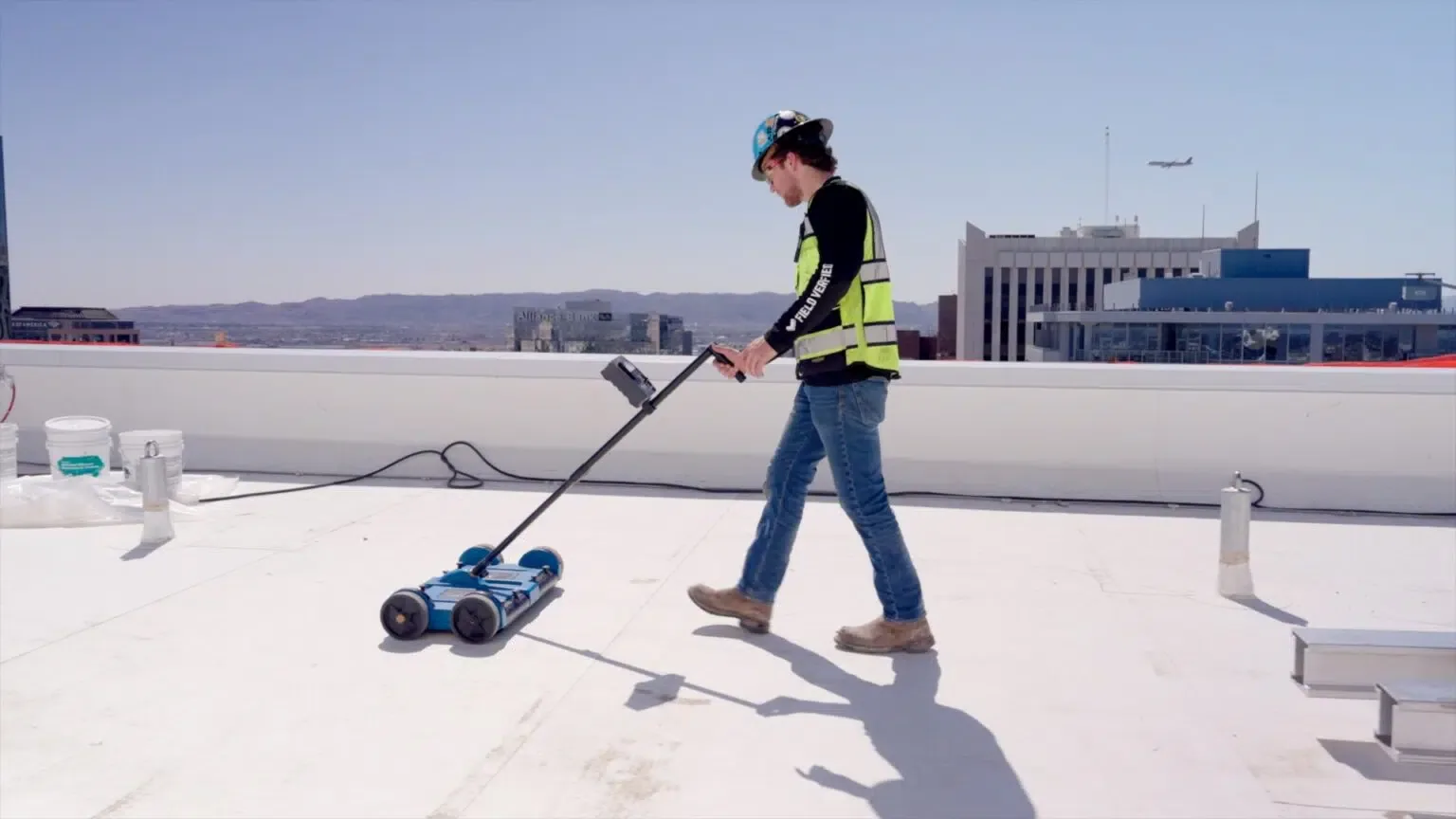
We look for moisture, compression, loose material and separation between layers. Wet insulation needs a removal boundary. A dry area may still be unsuitable if it is crushed or poorly attached. An infrared roof survey can assist with finding areas to test. Physical examination helps distinguish retained material that can support the proposed assembly from material that should be removed.
Attachment follows the construction beneath the overlay. Fasteners must engage suitable supporting material. Adhesive systems need a prepared and compatible surface. A loose existing membrane can create a problem even if the exposed deck appears sound at one opening. We examine the intended load path and discuss additional investigation where the existing assembly does not provide enough information for a reliable specification.
Added thickness at curbs and drains
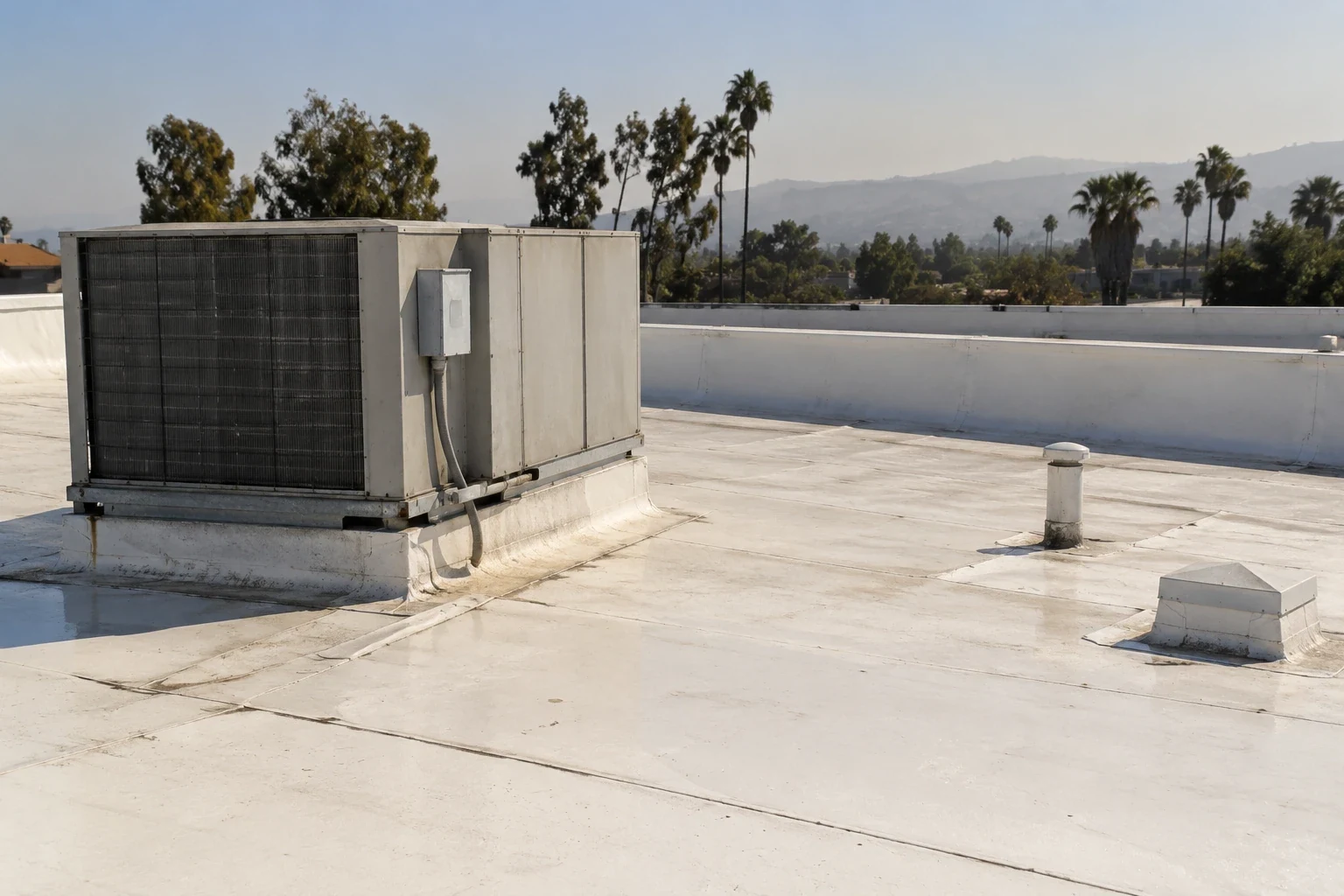
A raised roof field reduces the vertical space available at a curb. We compare the finished recover height with wall flashing, equipment bases and drain connections. The new surface needs a workable termination at each detail. A curb that is adequate for the old roof may need modification for the added insulation or separator board. That work belongs in the recover comparison from the beginning.
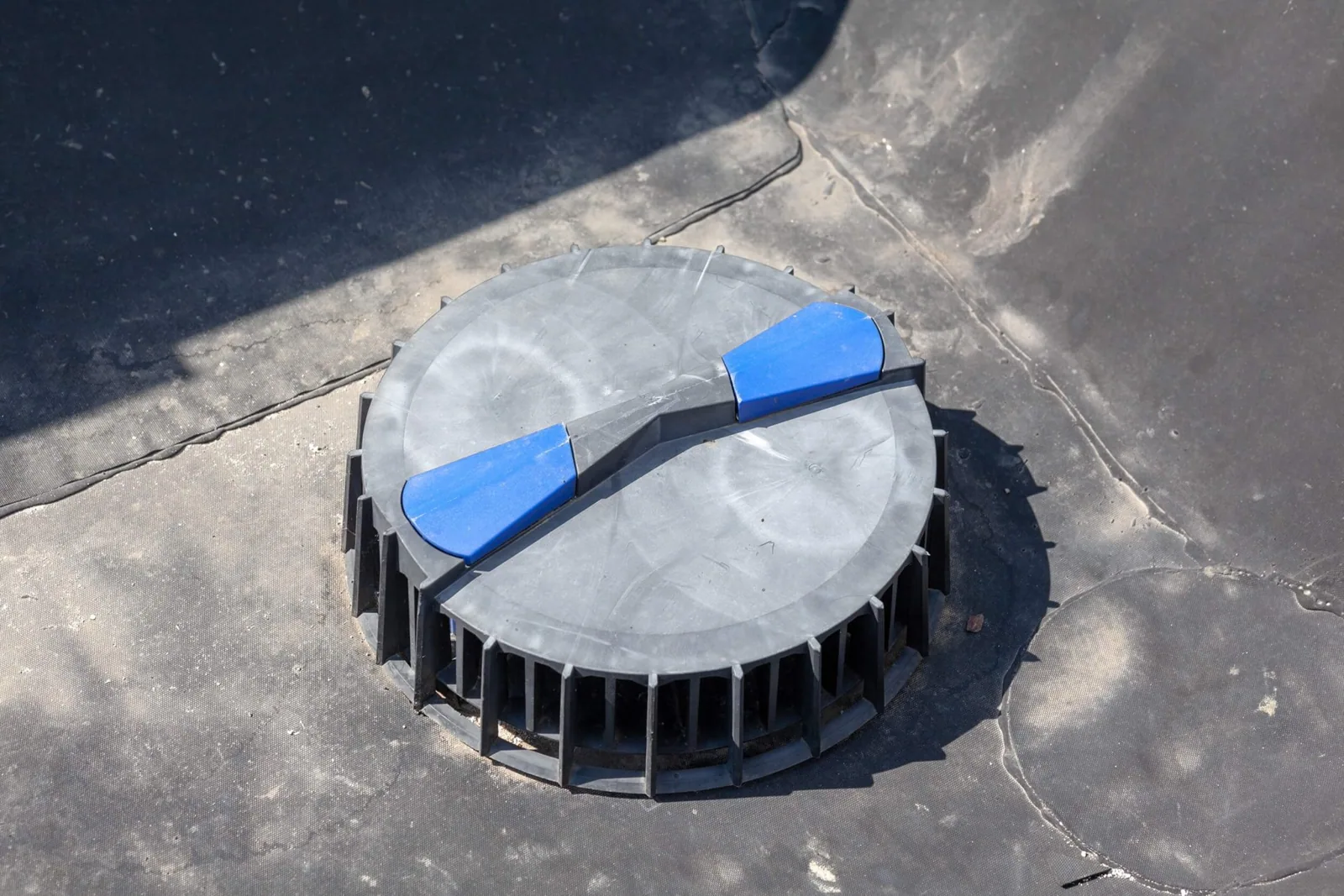
Water also responds to the finished elevation. The overlay can preserve an existing low area or worsen a shallow drainage path if the insulation layout is poorly chosen. We identify where drainage adjustments are necessary and whether they can be made within the proposed assembly. A recover should leave the manager with a functioning water path, not a new membrane over an unresolved depression.
Perimeter edges need enough room for the new termination. Old coping and edge metal may require replacement rather than reuse. We examine the connection behind those materials and the condition of the supporting substrate. Merced summer heat makes movement between metal and membrane details a useful design consideration. A thicker assembly must still accommodate those connections without forcing the sheet against a rigid edge.
A compatible separation layer
Direct contact between old and new roofing materials is not appropriate in every assembly. A separator or cover board may be needed for compatibility, attachment or surface quality. We select that layer for the actual retained roof and proposed membrane. It should not be treated as a way to conceal loose gravel, unstable patches or wet construction that needs correction first.
A PVC membrane assembly has its own compatibility and welding requirements. A different sheet material may use a different preparation and connection method. We identify those requirements in the proposal. The manager can then compare the complete recover system, including its board, insulation and details, instead of comparing membrane names without the layers that make them workable.
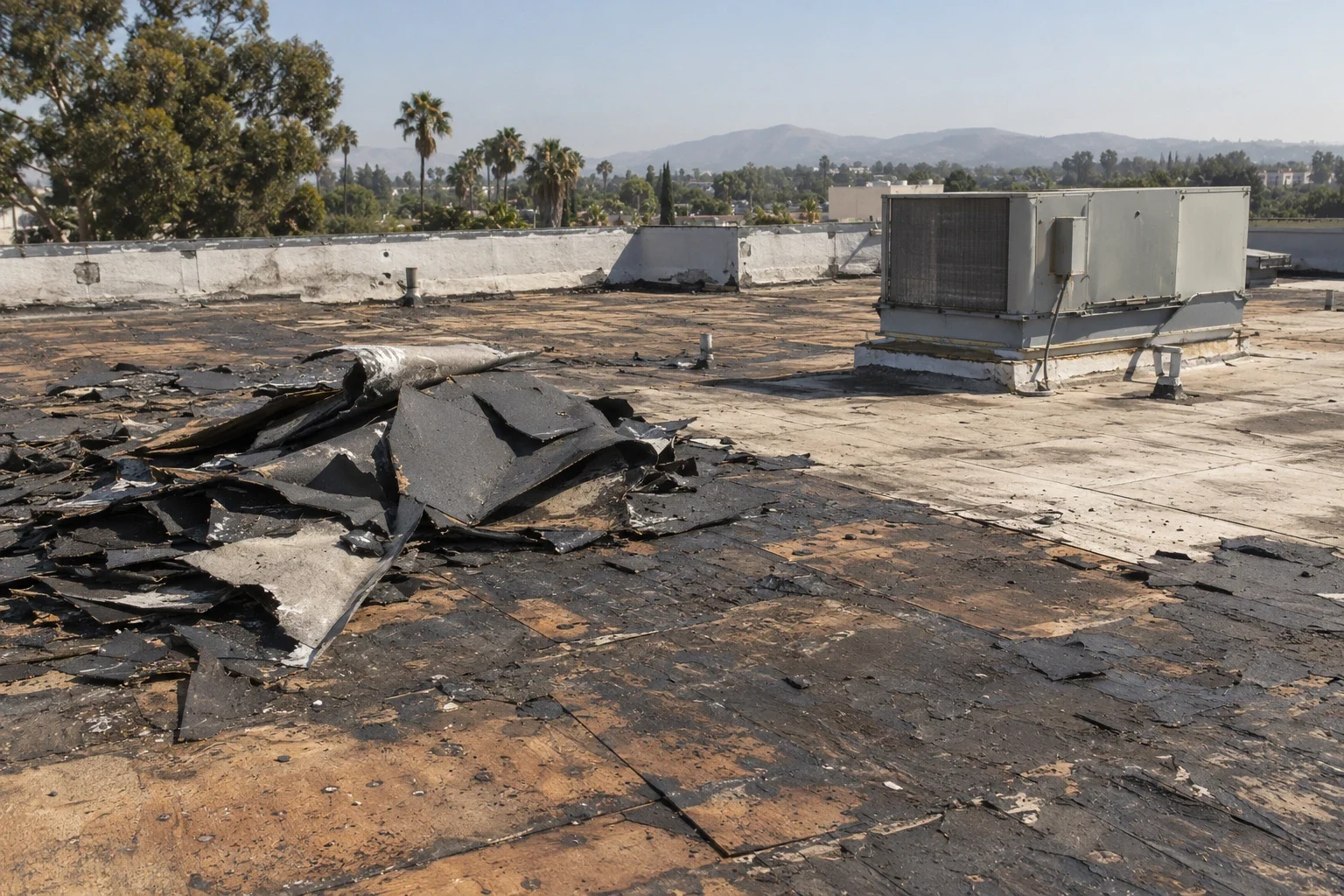
Localized damage can sometimes be removed before the broader recover proceeds. The repaired area needs to finish at an appropriate height and provide suitable support. We define those removals and reinstatement details. Where deterioration affects too much of the retained construction, replacement with tear-off may produce a clearer and more serviceable result than repeated preparation beneath an overlay.
Occupied work areas and opening limits
Recover work can reduce the amount of roofing removed, but selected openings remain necessary. Wet sections, failed details and unsuitable edges still need intervention. We identify where those openings sit above sensitive interior areas. The manager needs to know which parts of the building require temporary protection and when those interruptions may occur. Avoiding full tear-off does not eliminate all interior planning.
For manufacturing buildings, equipment exhaust and process-related penetrations can affect the installation sequence. We examine those details individually. Temporary closure must suit the condition of the roof and the building operation below. Material storage and installation traffic also need appropriate roof routes so preparation work does not damage areas intended to remain.
In Atwater, the established processing and manufacturing mix makes operating schedules relevant to the proposal. We ask which equipment must stay in service and which work windows are usable. Those answers affect how a curb or penetration can be rebuilt. They do not establish the roof material; that choice still follows the inspected assembly and the conditions at its details.
The recover comparison
A recover price needs to include the work required to make the existing roof suitable. Moisture removal, surface preparation, added boards, perimeter changes and curb modifications can materially change the comparison with replacement. We describe them as construction items. A membrane-only comparison hides the parts that determine whether the new layer can perform as intended.
Future access matters as well. Covering the existing roof makes its layers less accessible for later examination. We explain what will remain concealed and identify any uncertainty that should be resolved before installation. The useful decision rests on retained material that has been examined, a compatible new assembly and details that can accept its height. A recover earns consideration through those conditions.
The finished roof also needs maintenance routes suitable for the selected surface. Equipment technicians should not have to cross vulnerable details without protection. We identify traffic areas and discuss appropriate walk protection where the assembly requires it. This small part of the scope can prevent routine service activity from undermining a recover that was carefully prepared elsewhere.
Commercial Roofing Questions
Can dry insulation remain if it has been compressed?
Compression can reduce its usefulness as a support layer. We examine the extent and the proposed attachment method. Material that is dry but unstable may still need removal or a different assembly detail before recover work proceeds.
Will an overlay correct ponding near an old drain?
Only a designed drainage correction addresses that condition. A new sheet following the existing depression will preserve the low area. We review the drain elevation and insulation layout before including a recover as the remedy.
Does recover work avoid all tenant disruption?
Localized removals and detail reconstruction can still affect occupants. We identify those work zones and their closure sequence. The manager can then plan around the actual openings rather than assuming that every part of the old roof stays untouched.
What would make replacement preferable after the survey?
Widespread unsuitable layers, unresolved attachment or inadequate detail height can shift the choice toward removal. We compare the preparation needed for recover with the work needed for replacement and explain which inspected conditions drive the difference.
Inspection of the retained roof
Schedule an examination of the insulation, attachment and flashing heights before selecting a recover assembly.
Related Roofing Work