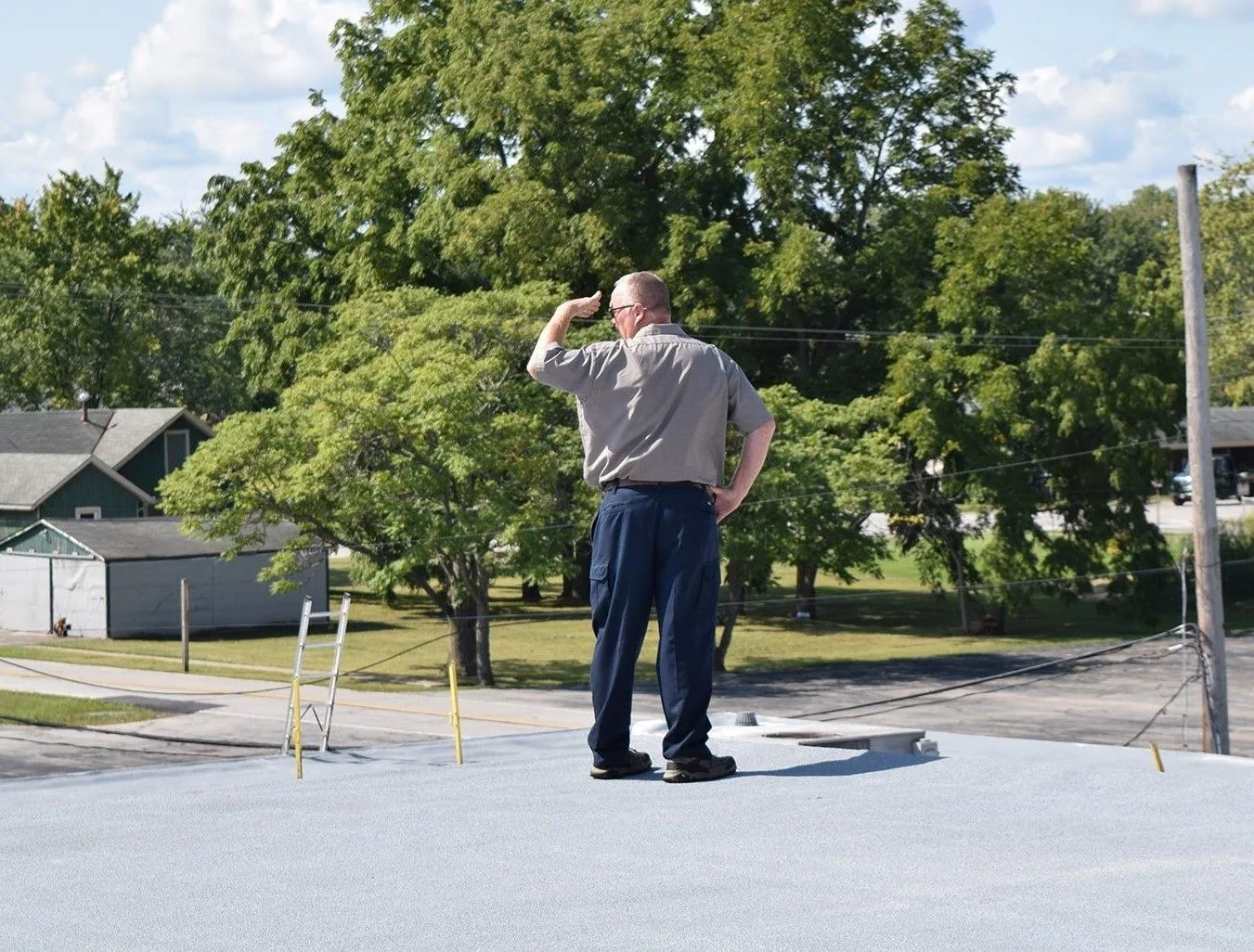
A roof reserve built from a property spreadsheet can miss the split seam that changes an acquisition decision. For real estate investors and REITs in Merced, we examine the assembly, record exposed layers and active defects, and separate known repairs from questions that need testing. A roof due-diligence survey can relate findings to the transaction or asset review without assigning a life expectancy from a visual walk. The decision record should show which roof areas were inspected and which were inaccessible.
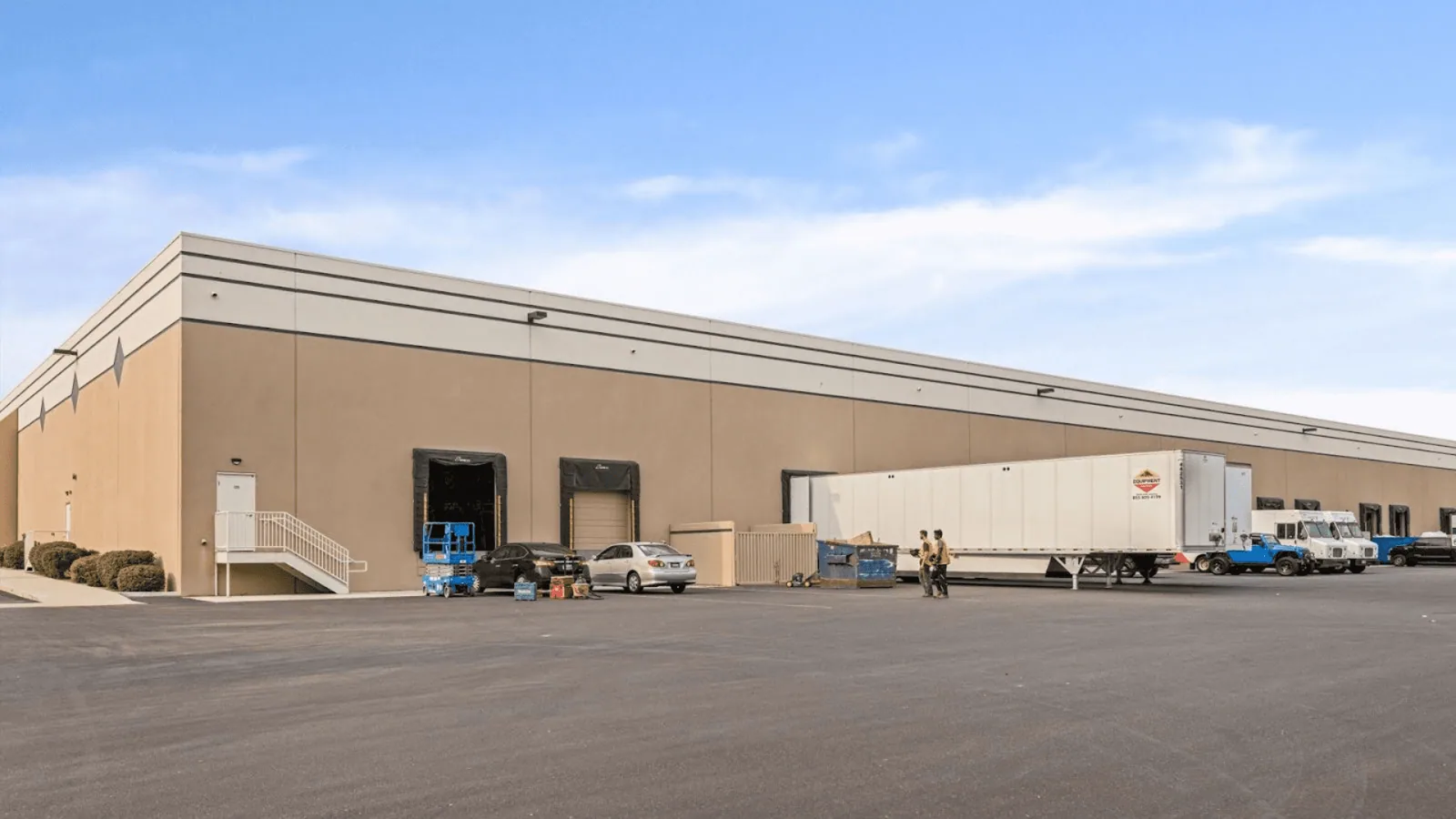
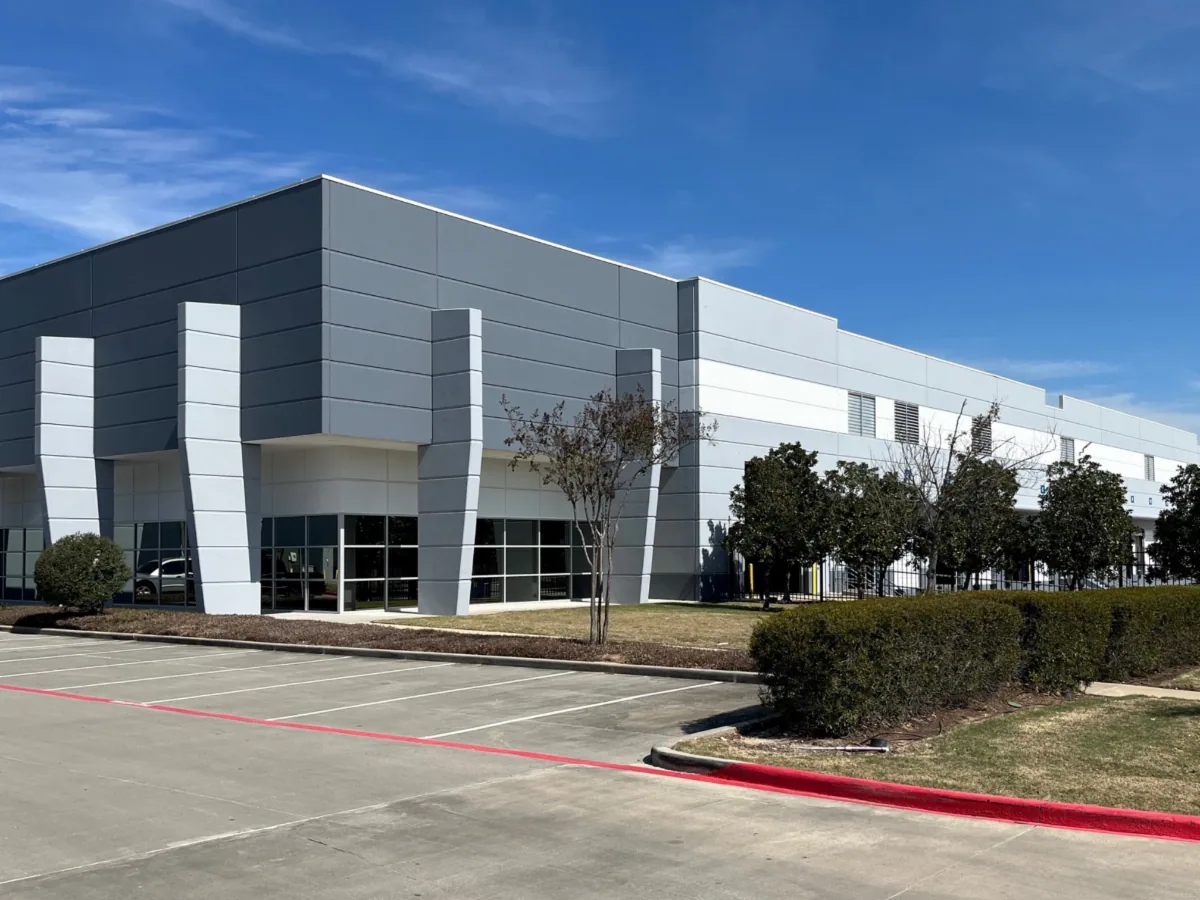
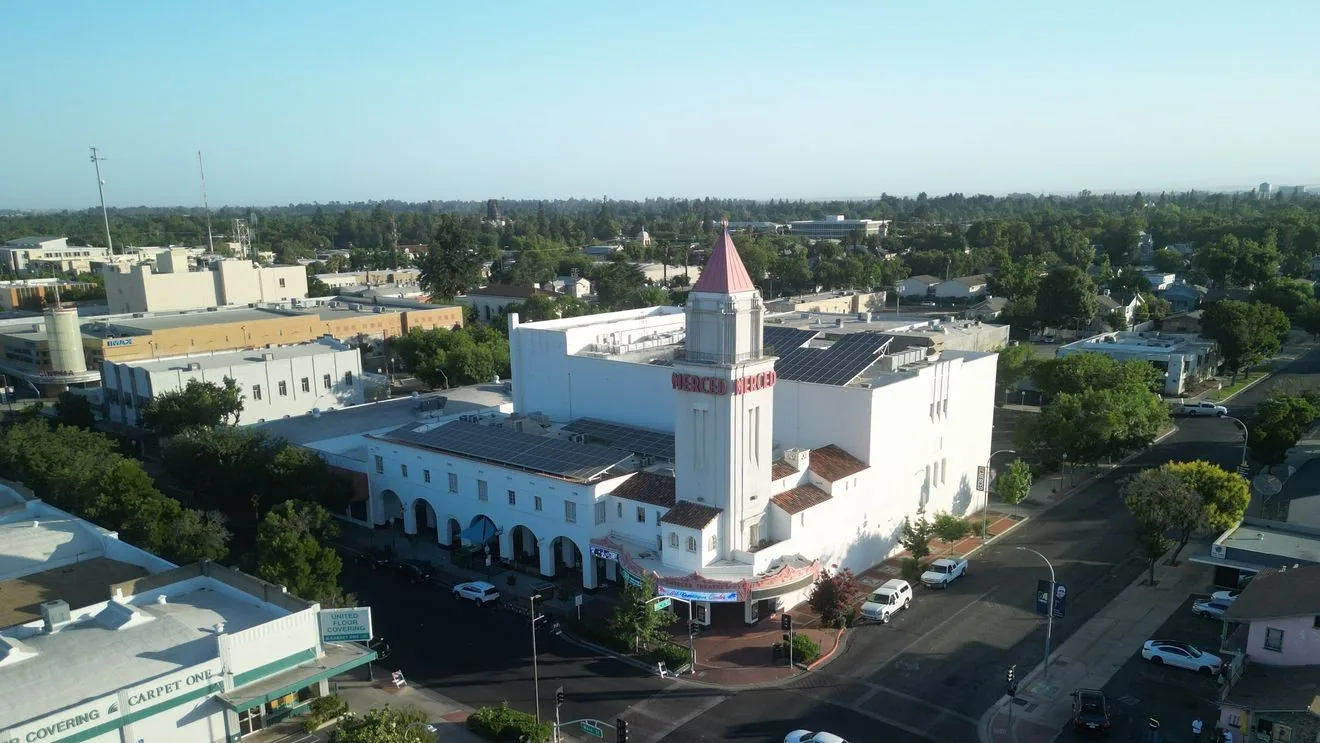
Turlock Regional Industrial Park contains multi-parcel industrial development, while Downtown Merced has financial and professional offices. A portfolio in the Merced region can span very different operating conditions. We verify the site contact, use, access, and roof history at each property before comparing one building with another.
Set the review around the transaction
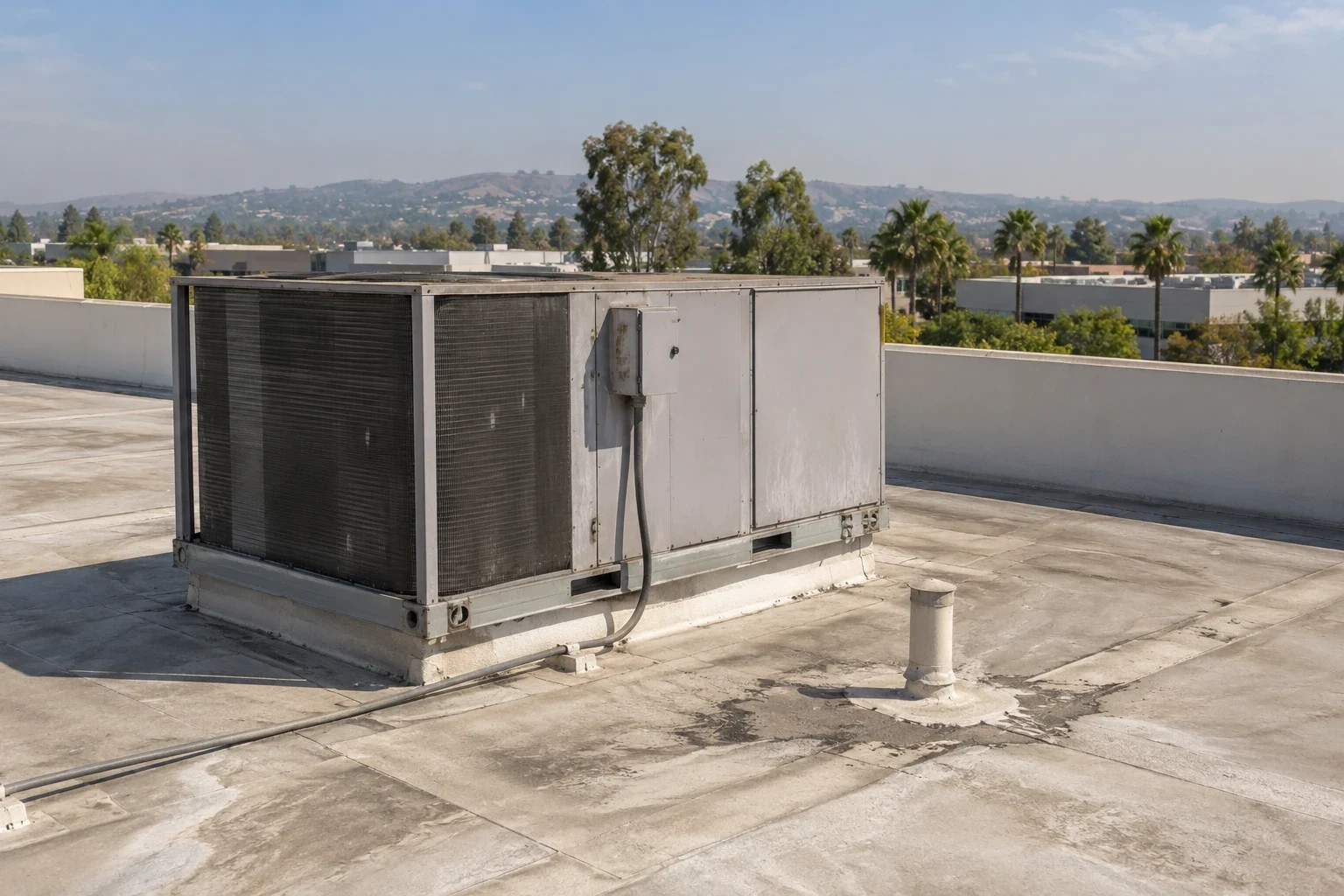
Before an acquisition, the useful question is not only whether water is visible. We identify membrane type where possible, prior overlays, recurring leak locations, edge details, drainage, and rooftop equipment. The review notes missing repair records or test results that could change the cost or scope. If the transaction schedule limits roof access, we state the unexamined areas and the next check required rather than imply that a partial view covers the whole assembly.
A commercial roof inspection can focus on an identified building, and a test opening can confirm a concealed layer when approval allows it. We photograph the location, label the roof section, and record whether the substrate was exposed. That gives investment and property teams a practical basis for an exception list, a holdback discussion, or a post-close repair plan.
Separate defects from remaining questions
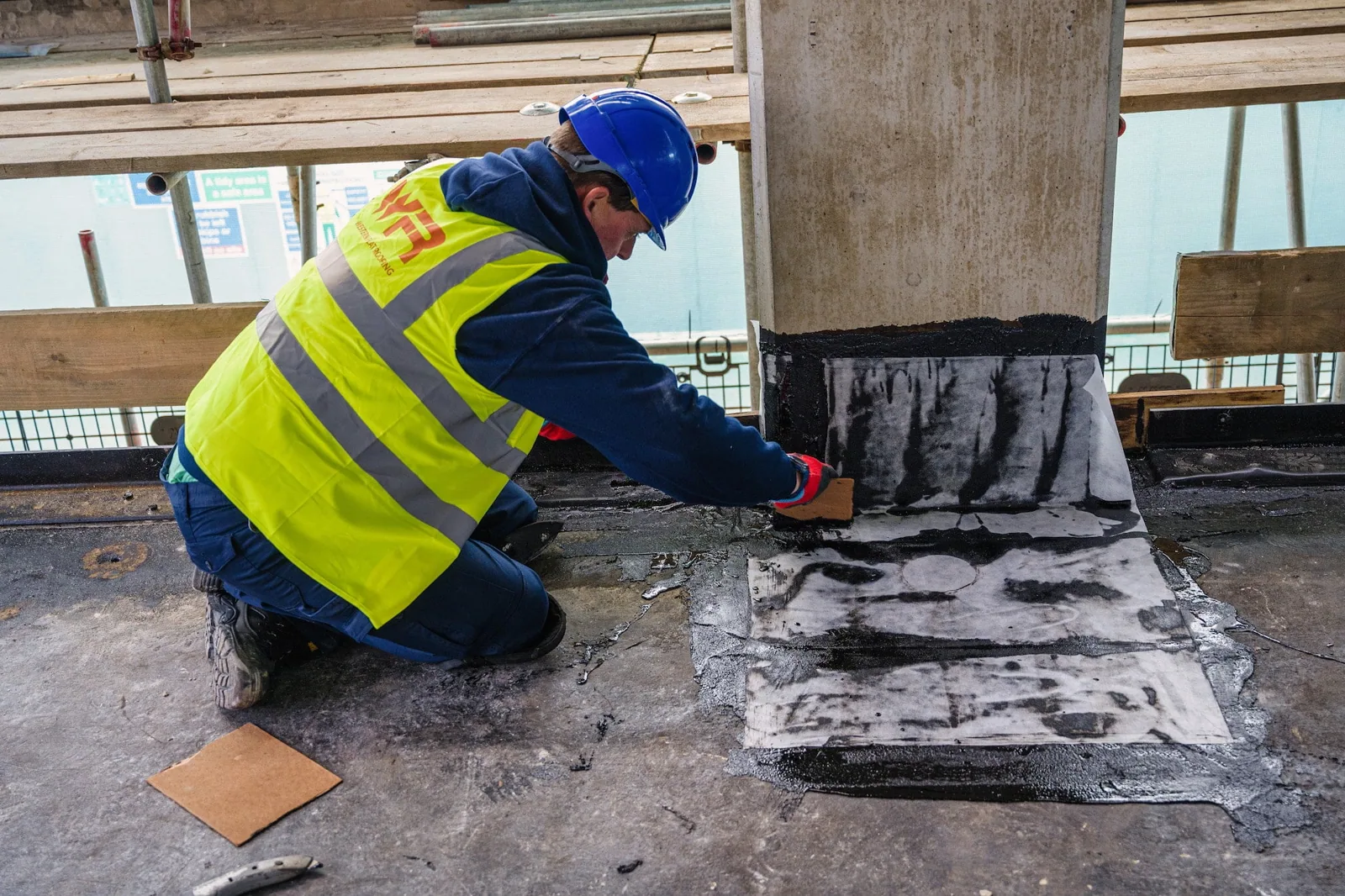
A patch that remains bonded and a seam that has lifted should not appear as the same condition in a portfolio summary. We identify the defect, measure its visible boundary, and examine the details next to it. If insulation may be wet, a scan can guide selected openings, but physical confirmation establishes the removal limit. A roof condition report can link mapped findings to photographs, test results, and inaccessible areas. The report states what is known now and what evidence would change the recommendation.
Deck condition, attachment, and previous recover layers can be concealed until an approved opening. We note the distinction between confirmed material and a likely assembly based on records. The owner can then decide whether to fund testing before closing, price a stated contingency, or retain the issue for a later capital decision. An unverified layer should not become a fixed replacement quantity just because it appears on an older drawing.
Compare unlike buildings on useful fields
A multi-asset view can compare material, roof sections, leak history, repair boundary, drainage, equipment penetrations, and test status. It should preserve a separate note for the conditions that make each property different. A cold-storage building in an industrial park may have operational limits unlike an office suite, but no roof assembly is established by the site's use alone. The Turlock Regional Industrial Park includes cold-storage, food-processing, and manufacturing users; That mix makes access and operating schedules worth confirming during an asset review.
Managers can apply consistent labels to defect severity and access restrictions while leaving the underlying observation intact. If one asset has an exposed test result and another has only a visual indication, those records should not receive identical certainty. A property management coordination plan can connect tenant access and repair contacts, while a manufacturing property review may emphasize production schedules. The investor can compare the reports without flattening their differences.
Use Merced climate data carefully
Merced’s 1991-2020 station normal totals 11.80 inches of precipitation each year. July and August precipitation normals round to zero. A summer inspection can still check for retained moisture by mapping current findings and confirming selected test points. Water from an earlier event can remain in insulation or travel to a lower point. We map current moisture evidence and identify the season in which a leak was reported. The forecast and material requirements determine the actual inspection and repair window.
Downtown Merced's professional office activity and the industrial use in Turlock Regional Industrial Park create different access and operating questions. A Turlock Regional Industrial Park service-area reference may orient a regional assignment; we still confirm gate rules, loading access, tenant hours, and the roof route for each asset. Regional context helps arrange a visit, while the property's own records establish the assembly and observed condition.
Rank repair and renewal decisions
Capital allocation should follow the verified boundary and the risk it presents to the building. We distinguish active water entry from a surface defect to monitor and from a wider assembly question that needs testing. A roof capital plan can show immediate work, alternate scope, and a longer project for comparison. Cost drivers include removal depth, wet insulation, deck repair, drainage changes, edge reconstruction, access, and protection below.
When the existing membrane is sound around a localized defect, a repair may preserve usable material. Repeated failure or wet layers across multiple sections can support a broader renewal study. We compare recover and tear-off only after checking assembly compatibility, height at drains and curbs, and the condition of retained material. The proposal separates confirmed quantities from possible concealed work. Approval triggers and change steps are stated before mobilization, so a field discovery does not silently expand the investor's authorization.
Tie the work plan to asset operations
A work sequence should identify roof areas, occupied spaces, material staging, lift or hatch access, and the daily stop point. The asset manager can then coordinate tenants, service providers, and any required equipment window. If several properties are inspected in one visit, we keep each address and roof map separate. A commercial roof repair scope can define a known defect; a replacement scope can list section phasing and any interior protection required during removal.
Merced station normals average 27.8 nights per year at or below freezing, with a December normal low of 36 degrees. Those winter averages are not a prediction for a scheduled work date, but they are relevant when reviewing exposed joints and the timing of open work. We check current conditions before setting application steps. The written schedule identifies who approves weather changes and how the roof is secured if work pauses.
Keep an investment record that can be updated
After inspection or repair, retain the building-level map, photographs, confirmed materials, test results, approved scope, and remaining questions. Add the date and contact responsible for the next action. A portfolio report is useful only if the next reviewer can locate the same area and distinguish a completed repair from a pending test. We note roof zones that were inaccessible and the reason they could not be checked.
Warranty steps come from the actual contract and product documents. We record an inspection or notice requirement only when it appears there. The record also identifies work excluded from the authorization and any concealed condition that could affect a later project. This creates an updateable basis for the next capital review without presenting an unsupported condition grade as a prediction of future performance.
Commercial Roofing Questions
Can an inspection estimate remaining roof life?
A visual review can describe observed condition and repair needs, but remaining service life depends on layers and conditions that may not be visible. We state the evidence and any test needed for a broader estimate.
What belongs in an acquisition roof review?
Include assembly identification, leak and repair history, drainage, edges, equipment, test results, access limits, and areas not inspected. We connect each finding with a defined next action.
Can you compare several assets in one report?
Yes. We can apply consistent fields across properties while preserving separate maps, records, access notes, and confidence levels for each roof.
How do dry summer months affect inspection?
The station's precipitation normals describe weather averages, not concealed roof moisture. We inspect current conditions and use testing when it will resolve a question about layers or repair extent.
What changes a capital repair allowance?
Confirmed wet insulation, deck condition, detail count, access, and the removal boundary can change quantities. We state those triggers and request approval before expanding the authorized work.
Review a Merced portfolio roof
Send the property address, roof plan, repair history, transaction or budget timing, and access contact. We can document inspected conditions and separate confirmed work from open questions.
Related Roofing Work