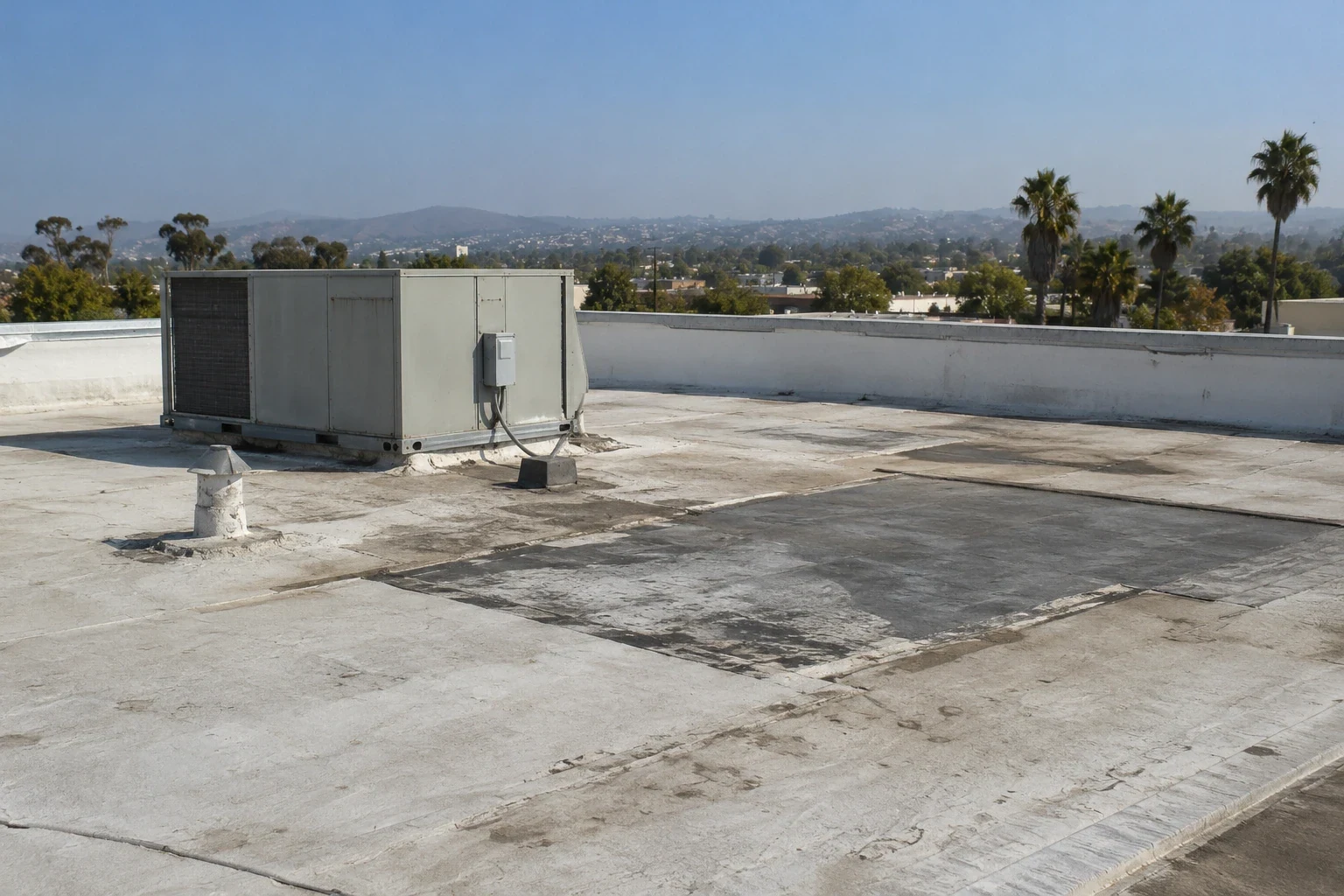
A curling seam tape edge points to a connection that needs examination. For EPDM roofing in Merced, CA, we inspect the rubber sheet, the old seam materials and the surface available for repair. A new bonded connection requires suitable preparation and compatible components. Simply pressing the lifted edge down does not establish that the seam has regained a serviceable bond.
EPDM roof work uses methods distinct from thermoplastic welding. Merced summer heat makes transitions at exposed equipment and perimeter materials relevant to inspection. Downtown Merced has offices and government uses. The city's industrial parks provide Highway 99 access for manufacturing and distribution activity. We assess the roof construction above that occupied setting before selecting repair or installation work.
The bonded seam and its preparation
An EPDM seam can involve tape, primer and other specified components. We identify the existing connection and examine the sheet condition before choosing a repair. Surface dirt, incompatible compounds and earlier patch buildup may need attention. The intended bond depends on preparation appropriate to the materials. A clean appearance by itself does not show that an old edge can accept the new connection.
Loose seam components may require removal rather than another layer placed over them. We locate serviceable rubber around the affected area and define the preparation boundary. The finished repair needs its specified dimensions and contact. A localized EPDM repair should describe those tasks so the manager understands why the work may extend beyond the visibly curled edge.
Where the sheet has a cut or puncture, the repair also needs examination beneath the surface. Water may have affected insulation through that opening. We identify appropriate checks when concealed condition changes the construction scope. A compatible patch closes the membrane opening; damaged support layers require separate removal and reinstatement before that closure.
Sheet condition at restrained details
Rubber membrane can accommodate movement, but its details still need suitable geometry and attachment. We look for stretched areas, separation and distress at changes in direction. A sheet held against a curb or termination may not have a workable transition. The repair should address that restraint rather than add another rigid outer layer across the same strained connection.
Merced summer temperatures make the relationship between flexible membrane and exposed rigid components worth examination. We inspect the actual condition instead of treating heat as a diagnosis. A split beside a pipe, a lifting wall edge and a separating corner can have different mechanisms. The manager receives a detail-specific explanation of what needs rebuilding and which adjoining material can remain.
EPDM flashing work uses components and preparation suited to the roof system. We identify the boot or corner arrangement and the upper termination where relevant. The completed transition needs an appropriate connection from the field sheet to the penetration. Surface sealant should not replace a specified membrane connection that has become unsuitable.
Attachment and the concealed support layers
An EPDM assembly may use different attachment methods depending on its design. We identify the existing or proposed arrangement before selecting installation work. The supporting surface needs to suit it. Board facer condition, damaged insulation and deck questions can affect the choice. A membrane proposal should include those layers and their connection rather than treat the rubber sheet as the entire roof.
Where roof material remains beneath new construction, its suitability needs examination. An overlay option requires retained-layer review, including moisture and attachment questions. EPDM compatibility with adjoining material must also be considered. We identify any necessary separator or support layer for the particular assembly. The proposal explains what stays and how it supports the new installation.
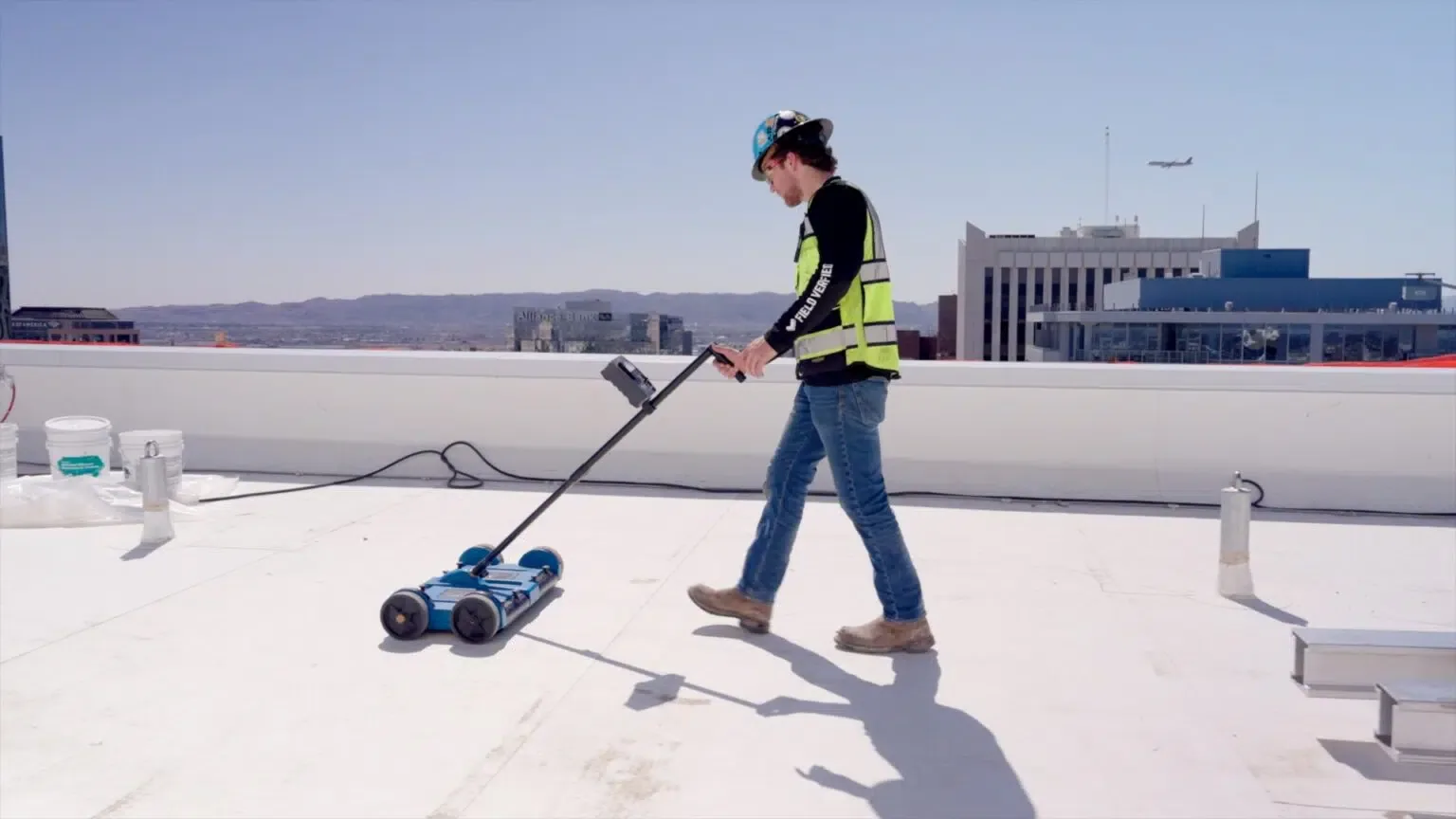
For suspected moisture, suitable thermal examination and confirmation can help refine the removal area. We describe the physical checks supporting the finding. A dark rubber surface may show different thermal behavior from other roofing, but image appearance still needs interpretation. Construction quantities follow examined material, not an assumed direct translation from color.
Rubber and thermoplastic assembly choices
A TPO membrane system uses heat-welded connections rather than the same bonded seam approach. The comparison involves substrate, attachment and details as well as surface choice. We identify the work each option needs on the inspected roof. A manager can then assess complete assemblies instead of comparing two material names without their construction.
A PVC sheet roof has another set of compatibility requirements. We do not use its repair materials as a substitute for EPDM components. Existing patches need identification where they affect the next repair. Mixed or unknown work can change preparation and removal. That information belongs in the proposal before the repair method is finalized.
For a roof above offices, equipment service and interior protection influence the work sequence. Downtown Merced includes professional, financial and public uses. We ask about the actual occupied zones and access route. The building's operation shapes opening and closure arrangements, while the examined material determines the connection method.
Outlets and changing roof levels
A drain connection needs a suitable interface with the EPDM sheet and surrounding layers. We examine the bowl or scupper, membrane attachment and outlet approach. If insulation thickness changes, those relationships need review. The new field should reach the intended water path, with suitable sump and flashing construction rather than an improvised connection around a retained component.
Merced winter rainfall normals exceed midsummer rainfall normals. A dry inspection can identify sediment marks and separating outlet flashing before another wet period. We distinguish obstruction from damaged connection or roof geometry. Clearing debris may be necessary, while persistent low areas may need separate construction or technical review. The EPDM repair scope should not leave that connected question unaddressed.
At a property in Merced, manufacturing or distribution operation may restrict the available repair window. We identify the interior use and any equipment coordination with the manager. Those requirements support a practical opening sequence. They do not establish that the existing roof is rubber, so material identification remains an early part of the examination.
Cost depends on preparation, damaged layers, access and the details being reconstructed. A bounded seam repair may be practical where the surrounding sheet is suitable. More widespread distress can justify another assembly option. We explain that difference using the observed material and connections. The completed work needs compatible maintenance and appropriate traffic protection for later equipment service.
Commercial Roofing Questions
Can lifting EPDM seam tape be pressed back into place?
The existing bond and material condition need examination. Suitable removal, preparation and replacement components may be required. We identify the seam arrangement and repair it with the intended connection rather than treat pressure on a loose edge as a completed repair.
Are thermoplastic patches appropriate for rubber roof repairs?
EPDM needs compatible repair components and methods. Similar sheet appearance does not establish compatibility. We identify the membrane and previous work before selecting the bonded connection used to restore the damaged area.
Why investigate a stretched area beside a curb?
The transition may be restrained or inadequately arranged. We examine attachment and material distress before rebuilding it. A repair should address that connection mechanism instead of leaving the same strained sheet beneath another patch. Selected opening may also identify wet or unstable layers that alter the support beneath the repair.
What decides whether an EPDM roof can be retained?
Sheet condition, concealed layers and the proposed attachment all matter. We examine the construction needed for the intended work. Retention should have a suitable assembly basis, not rely only on the absence of a current interior drip.
Examination of the EPDM bond line
Request inspection of the curled seam edge, restrained rubber transition or support layers being considered for EPDM installation.
Related Roofing Work