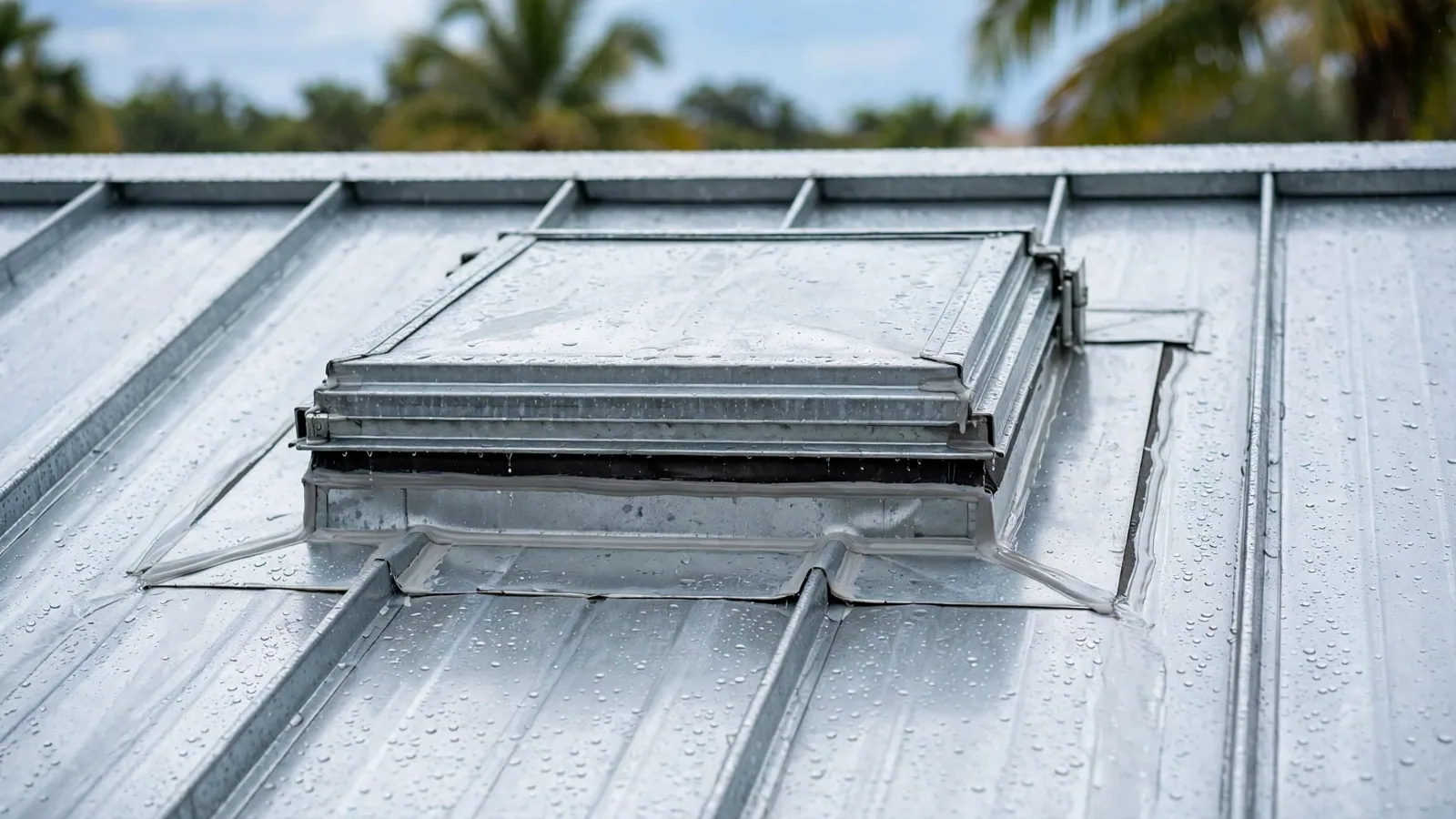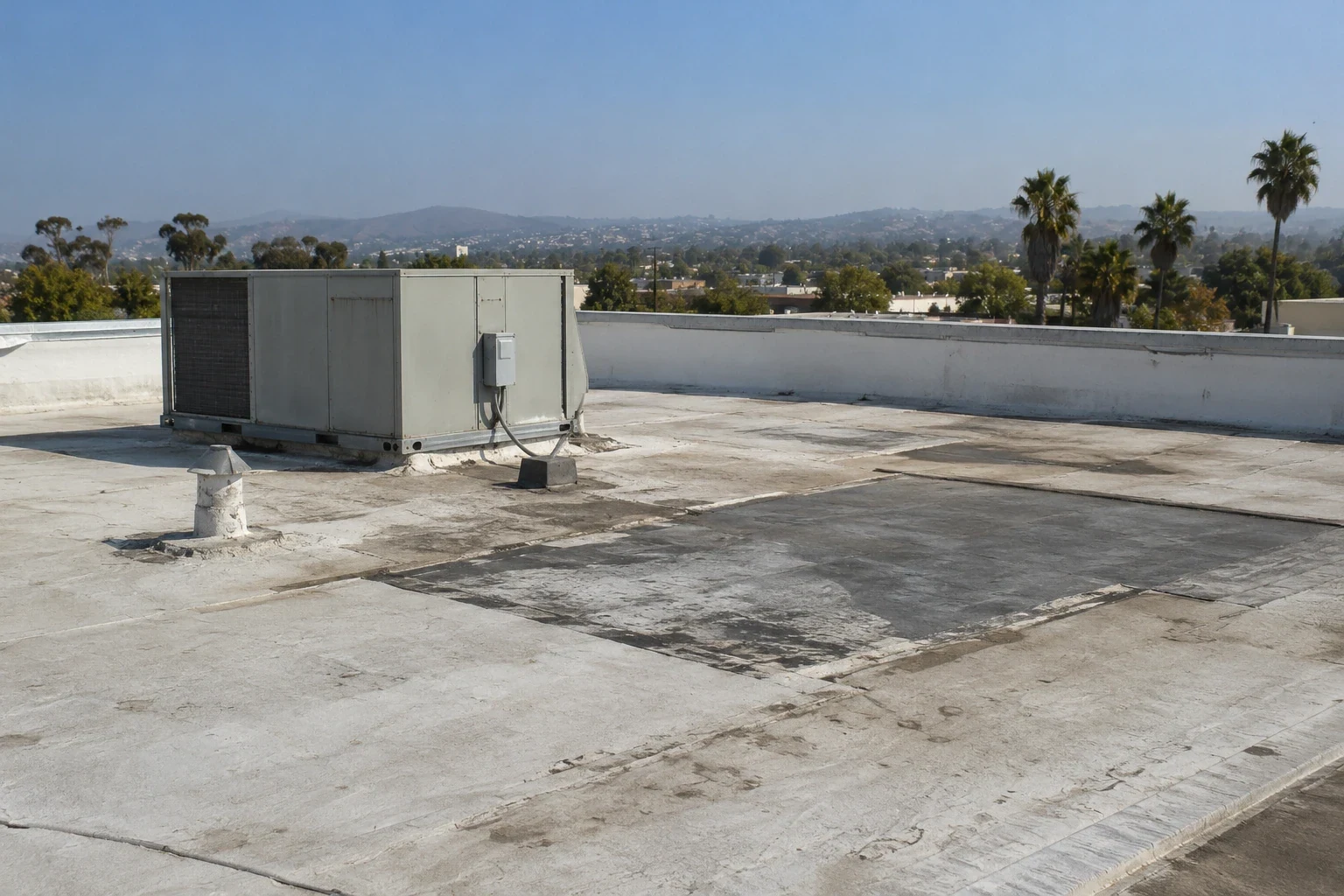
A loose edge detail can expose an attachment question beyond the visible metal. The condition report needs the supporting connection examined before the repair is described as simple replacement of that surface. Commercial Roofing Merced prepares roof condition reports in Merced, CA with located observations and the construction questions they raise. We identify the accessible defect, its surrounding assembly and the next examination needed where concealed support affects the written scope.
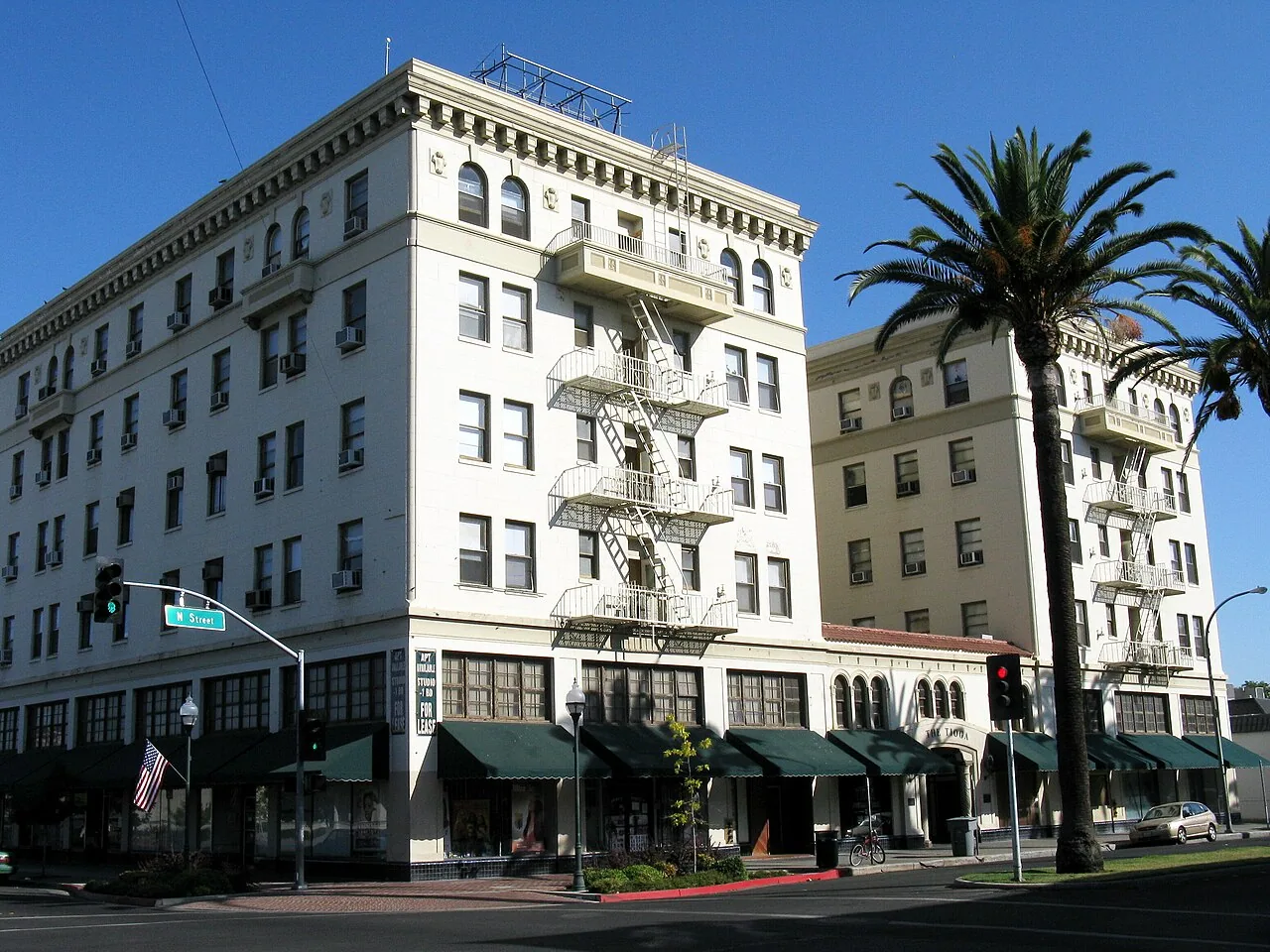
Downtown Merced includes government, finance and professional office uses. Merced's industrial parks have Highway 99 and rail access. We discuss the actual operating space beneath the roof and the arrangements needed for its examination. The report keeps those access limits with the material findings. A manager can then distinguish an observed connection ready for correction from a roof question that still needs an opening before the repair boundary is established.
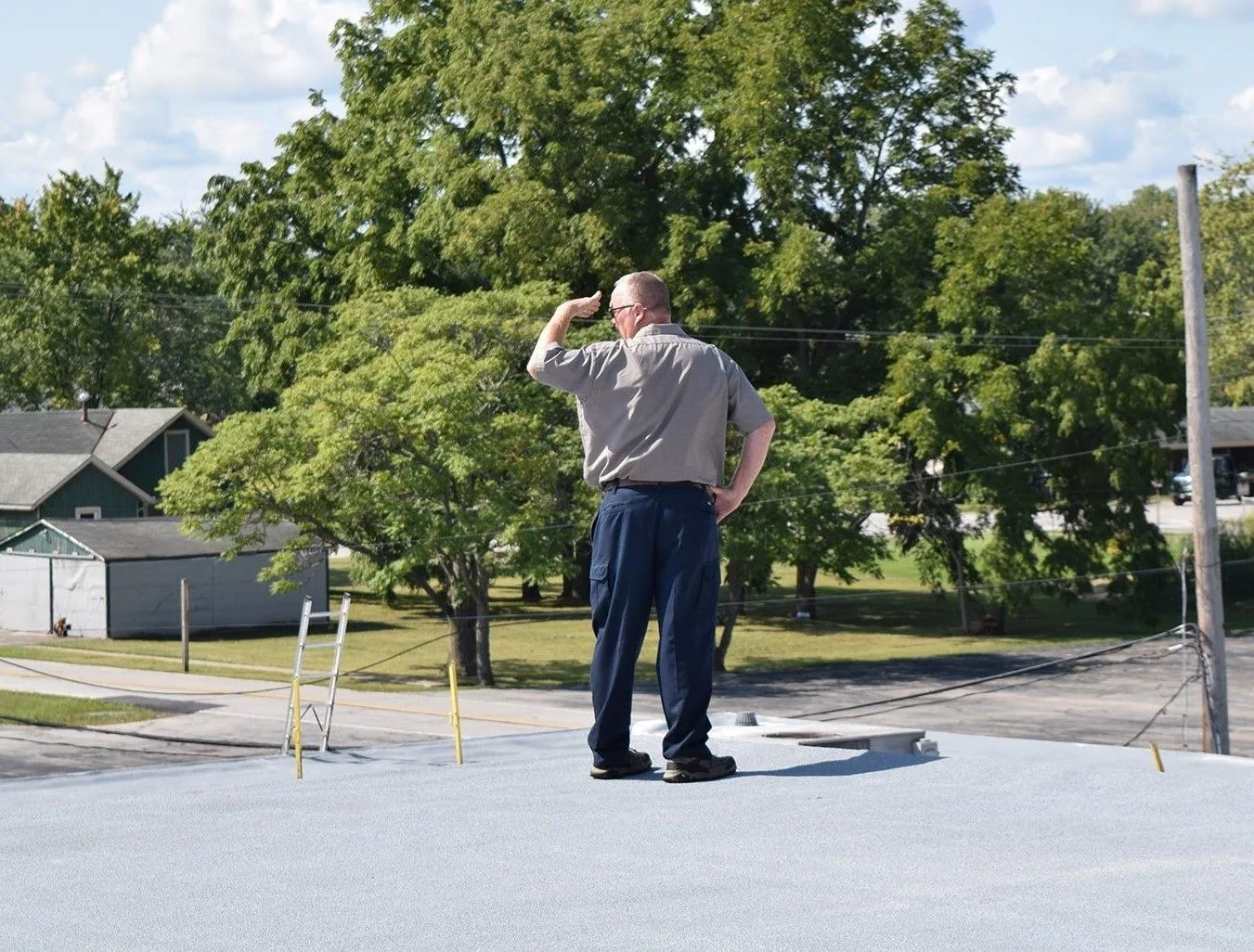
The extent of access also belongs in the record. A detail viewed from another elevation has not received the same examination as a connection reached and physically checked. We identify that method and the arrangement needed where closer assessment matters to the correction. The manager can then book further access with a defined purpose. An inaccessible area should remain visible as a survey limit rather than disappear inside a general description of the property.
The detail and its roof position
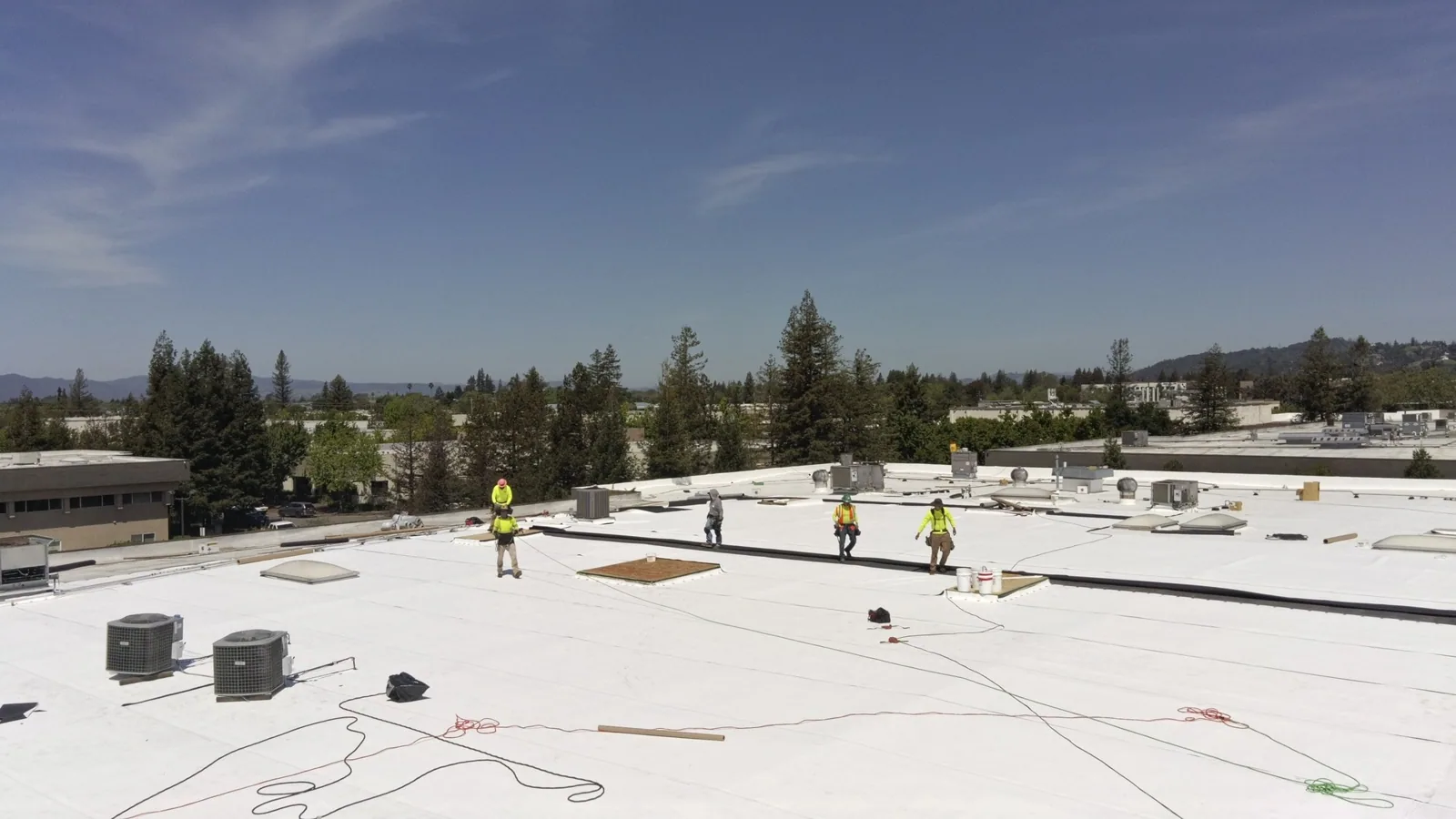
Each observation needs a roof location. We identify the section, elevation and nearby construction relevant to the defect. A close photograph shows the opening or displaced component. An orientation view shows where it sits and which interface the correction will change. Keeping both with the record helps another person locate similar-looking details during estimate preparation. The description should identify the actual construction rather than leave a broad instruction to repair the edge.
Interior water reports keep separate locations and timing. Water can travel through an assembly before appearing below it. The ceiling mark therefore does not set the roof removal boundary. A focused leak examination compares that report with accessible roof connections and the investigation needed. The condition report identifies whether the source is established or whether another assessment must precede the permanent scope.
Attachment and supporting material
An edge, flashing or seam relies on the construction supporting its attachment. We examine the accessible connection and identify visible movement or deterioration. Where the support remains concealed, the report retains that limitation. A new surface component needs a suitable base. The scope should explain the examination required before assuming that existing fastening or supporting material can remain. Otherwise the correction can cover the same unresolved connection that affected the original detail.
A physical inspection of roof connections establishes accessible preparation concerns and any test opening needed. We identify the proposed opening's purpose, location and restoration. Its results remain tied to the area examined. Further assessment may be required before a local finding can be extended across another section. The manager receives that investigation task with its reason, rather than a complete-sounding assembly description based on one small exposed detail.
Moisture and drainage findings
A surface split and wet retained insulation need different descriptions. We locate the visible defect and identify the assessment needed for concealed material. Thermal information may help target an examination under suitable conditions. Physical verification establishes the layers and condition at its locations. The report keeps those methods distinct. A pattern above the roof does not by itself measure the complete affected area or prove that all surrounding construction needs removal.
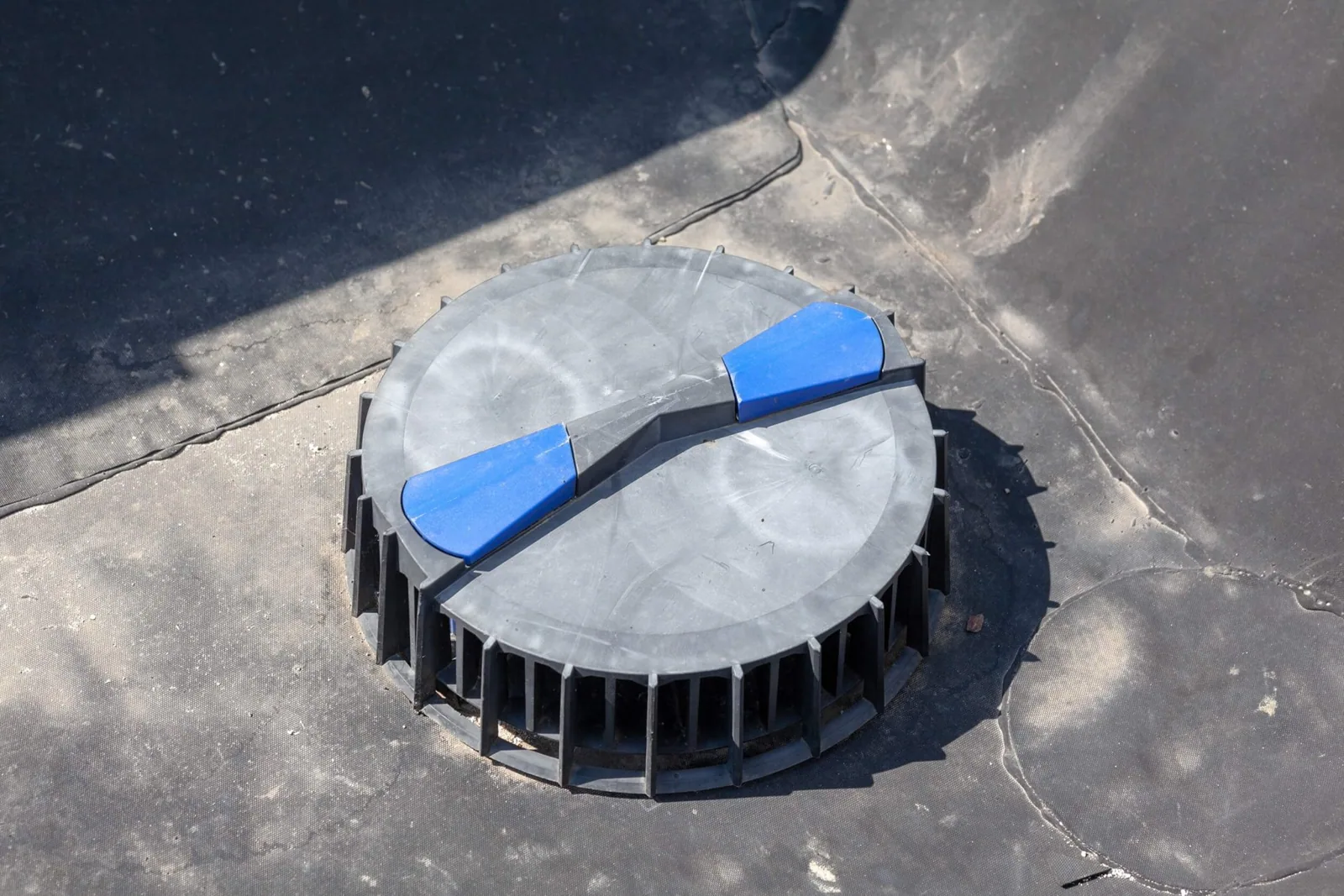
A review of the drainage path also identifies accessible inlets and receiving areas. Debris restriction differs from a construction or concealed piping question. We describe the observation and the further review needed where the outlet's condition cannot be established. If added roofing is proposed, the approach to the drain and available flashing heights need examination against the finished assembly. The written recommendation retains those relationships before a covering is selected.
Movement and repair implications
Merced's climate normals show hot summer conditions. We examine heat movement at accessible connections where it is relevant to the defect. We compare the opened seam with adjacent restraint, sealant, and membrane to identify the physical failure. The report identifies the observed attachment, material and movement arrangement supporting the interpretation. A repair that restrains a detail designed to move can create another stress point. The correction needs an assessment of that relationship before added fasteners or material are proposed.
Reconstruction of failed flashing may require support preparation or changed termination, not only a compatible surface patch. We identify the construction needed and the component left outside the work. If a separate wall or equipment task controls closure, the report records that responsibility. The manager can then arrange the necessary sequence without expecting roofing material alone to correct an interface whose support or adjacent construction remains unresolved.
The next action and its purpose
A condition recommendation should state whether it authorizes maintenance, investigation or permanent repair. Clearing an inlet can resolve an accessible obstruction. An opening can establish a concealed layer. Rebuilding a connection completes a different task. We keep those purposes visible and identify the work still required after the first action. A completed investigation should not become a completion note for permanent construction that has not yet been arranged.
A bounded commercial roof correction identifies removal, preparation and closure appropriate to the assembly. Where retained suitability is uncertain, the recommendation explains the examination needed first. For roof work above occupied offices, access and protection arrangements also need agreement. The report retains any decision still with the manager. The scope can then connect a clear material finding with a workable opening and work sequence.
The accepted correction and later record
A finished repair needs its original location retained with the work completed. We record removed material and preparation findings before the new surface hides them. Accepted closure remains distinct from temporary protection. Adjacent retained components keep their own condition and any unanswered question. The next visit can then compare the rebuilt connection with current findings without interpreting one resolved leak as a new baseline for every roof area.
A record of roof assembly changes retains those entries. A condition-based capital review uses the present findings alongside that history. We identify which monitored item needs another examination and the change that should bring it forward. New equipment, an altered drain or another water report can affect an earlier scope. Keep the new question located and connected to the assessment needed before the manager authorizes the next correction.
Available drawings remain supporting records. We identify any accessible detail that differs from their description. A later repair or addition can change the construction. The report should show that difference where it affects the proposed work, without treating the earlier document as confirmation of a concealed layer not examined during the visit.
Commercial Roofing Questions
Can a close edge photograph establish the repair scope?
It shows the visible condition. Locate the detail and inspect its attachment and support, identifying any opening needed before reconstruction limits are set.
Does one test opening establish every roof section?
Retain its location and exposed findings. Identify further assessment needed before extending the result to unexamined construction elsewhere.
What makes the recommendation useful for authorization?
State the action, purpose and supporting finding. Keep investigation, temporary protection and permanent repair as distinguishable tasks with their own boundaries.
How should later work be added to the report?
Record the actual change and accepted closure at its roof location. Identify surrounding material retained and questions still needing another examination.
The examined roof detail
Schedule an inspection with Commercial Roofing Merced to check the opening, support and moisture questions before selecting the correction.
Related Roofing Work