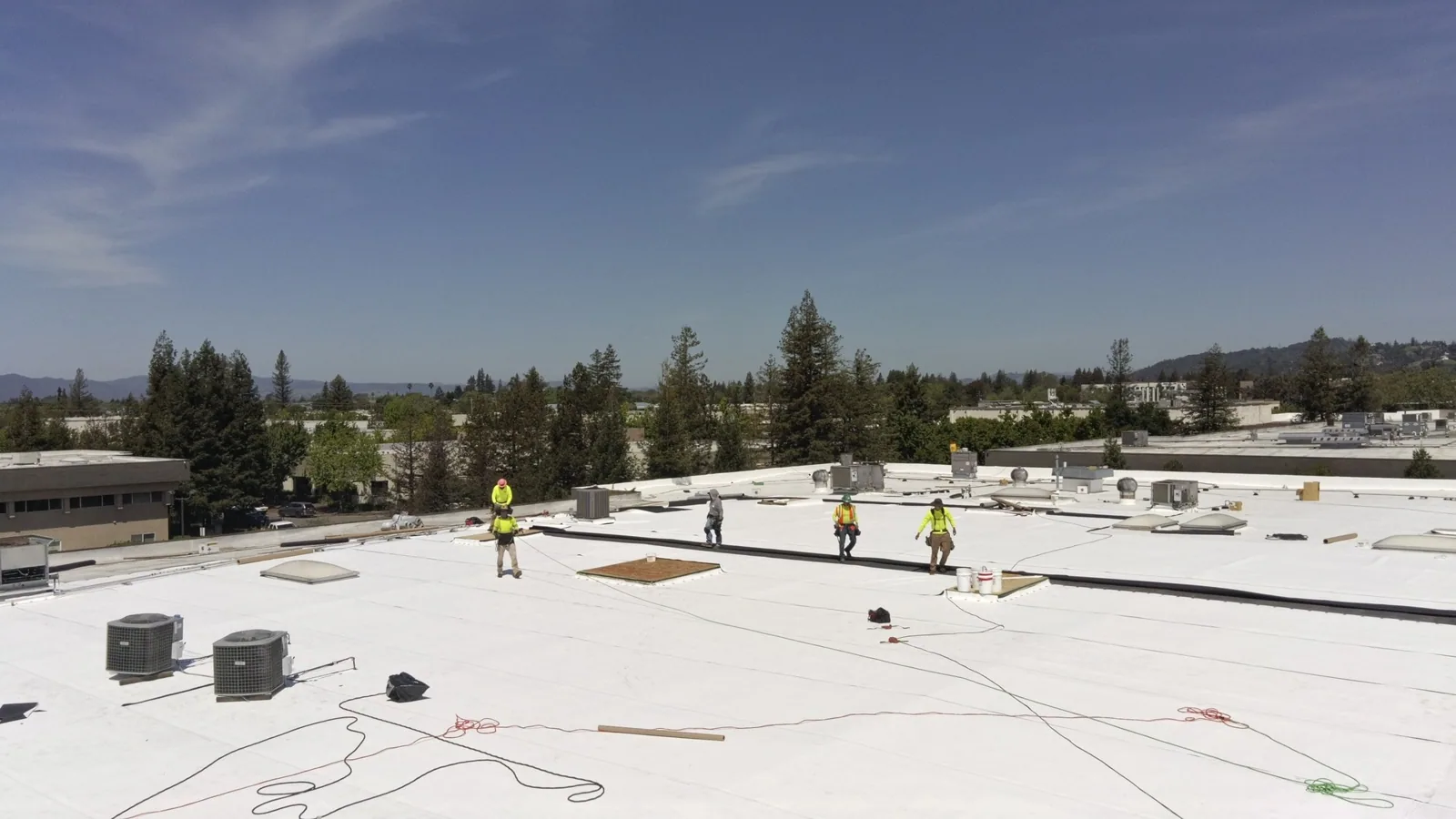
A split around a refrigeration support needs an enclosure assessment as well as a membrane repair. For cold-storage roofing in Merced, CA, we examine the outer connection and the layers beneath it. The roof may form part of a temperature-controlled enclosure. An opening through those layers needs suitable reinstatement of their functions, not only a surface patch that stops visible rain entry.
Turlock's regional industrial area includes cold-storage and food-processing uses. Merced has food production and grocery distribution, and Livingston includes processing businesses. Those local activities make protected product and service continuity useful planning questions. We identify the actual refrigerated area, equipment and roof assembly before proposing investigation, repair or renewal.
Temperature separation across the roof
A refrigerated interior creates a different temperature relationship from an ordinary occupied room. Heat flow, air leakage and vapor movement need attention in the enclosure design. We coordinate roof-layer questions with the appropriate project review. The required arrangement depends on the actual construction and interior conditions. A standard membrane specification alone does not settle every layer beneath it.
Merced has hot summer conditions, making the separation between exposed roof and cooled space relevant to planning. We examine insulation condition and continuity where roofing work affects it. Gaps or damaged material may need reinstatement. The manager should understand which part of the repair restores thermal support and which restores the exposed roof surface.
Air and vapor control require their intended connection through transitions. An equipment penetration or perimeter change can interrupt those layers. We identify the assembly and coordinate the compatible repair. The scope should explain what is opened and reinstated. A small outer defect can involve a more substantial closure where several enclosure functions meet at the same detail.
Rain entry, condensation and equipment water
Water beneath a cold-storage roof can have more than one origin. We compare reported timing and location with the roof and equipment arrangements. Rain entry, condensation and a mechanical water issue need different responses. The roofing assessment examines accessible seams and flashing while identifying where another trade or enclosure specialist needs to evaluate a separate condition.
Warm, moisture-bearing air reaching a sufficiently cold surface can produce condensation. The project needs assessment of the actual conditions and leakage route. We identify relevant roof openings and layer questions without assigning condensation as the cause from building use alone. The manager should receive a specific examination plan and a distinction between the observed symptom and the mechanism still requiring confirmation.
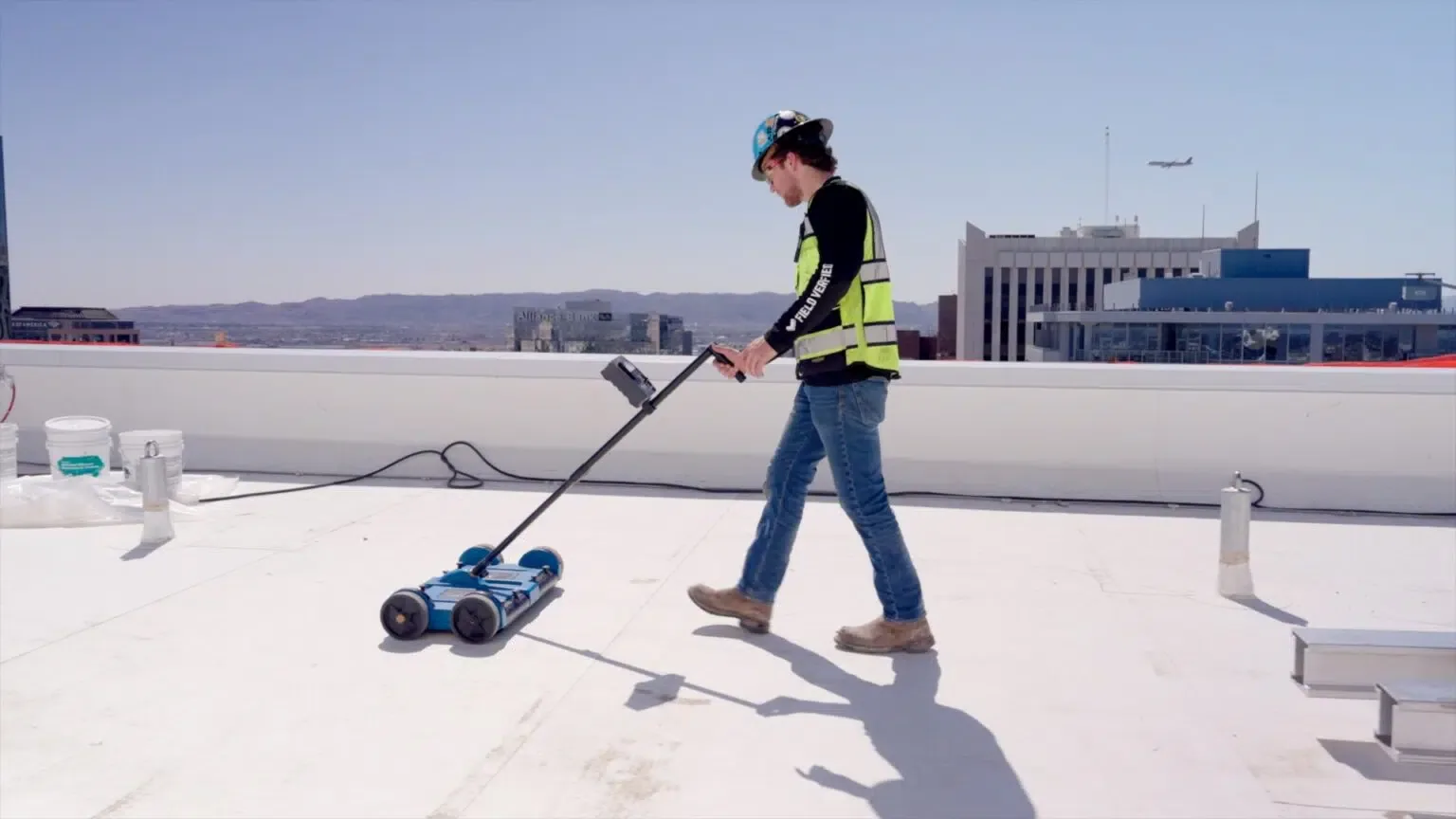
A targeted roof leak investigation can assess the outer entry detail. Thermal moisture examination needs interpretation that accounts for the refrigerated space and equipment heat. A thermal pattern is not automatically wet insulation. Suitable physical checks connect the finding with a layer condition before removal is proposed.
Insulation removal and enclosure reinstatement
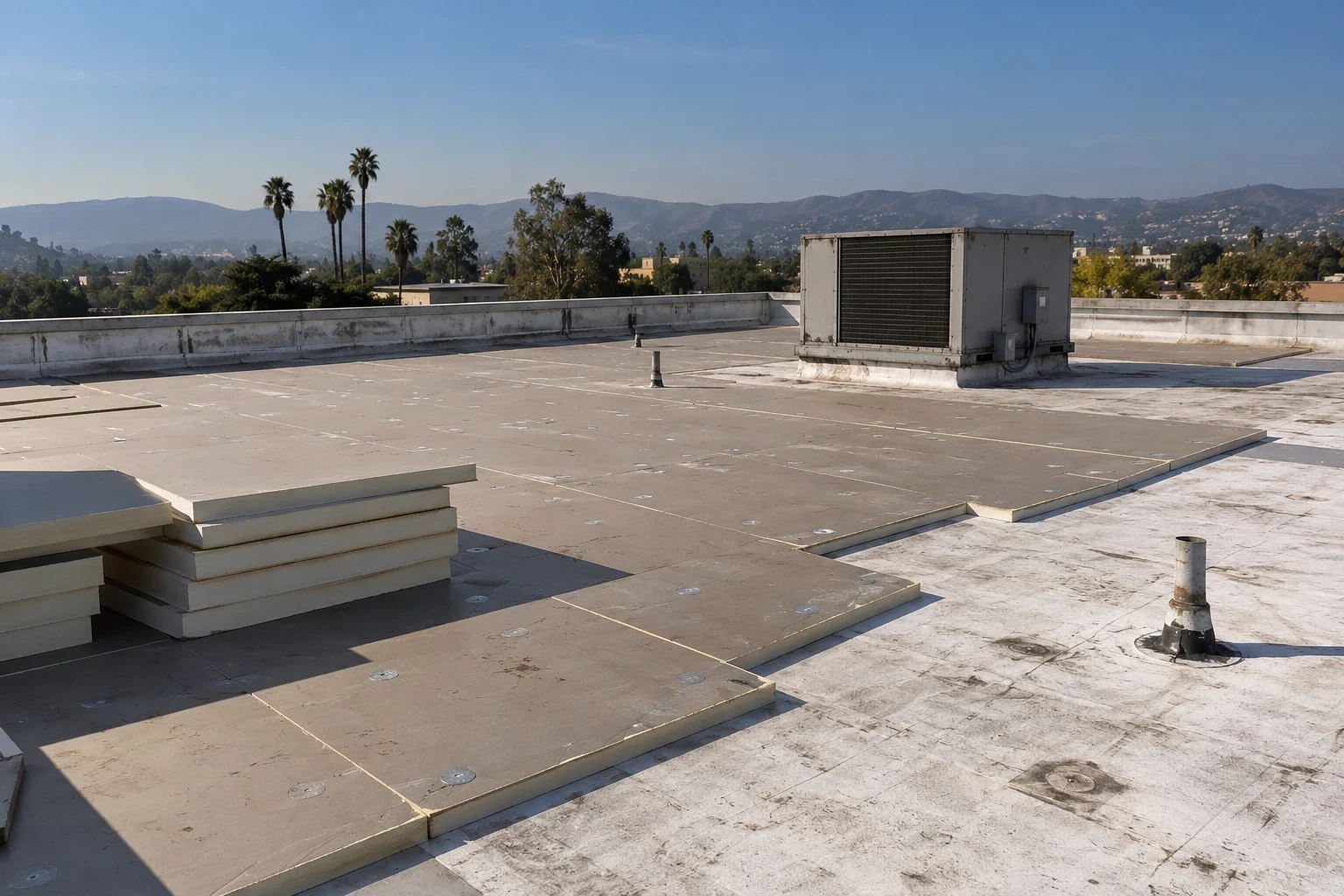
Wet or damaged insulation needs a defined boundary. We examine the affected material and the adjoining construction that will remain. The new layers need appropriate thickness and support. Insulation and cover-board work should specify that reinstatement, together with any air or vapor control connection affected by removal.
Opening above protected stock requires suitable interior coordination. We identify the roof zone with the building team and discuss the actual goods, equipment and access beneath it. The planned removal should have a usable close-in sequence. Unanticipated supporting damage needs a defined response so the enclosure is not left exposed while a construction decision is still unresolved.
Deck deterioration or unsuitable supporting construction may require appropriate technical review. New insulation does not replace that repair. We identify observed conditions and the examination needed before closure. The manager can then distinguish the thermal layer scope from supporting work and understand why an apparently small membrane opening may require a broader construction intervention.
Refrigeration curbs and supported routes
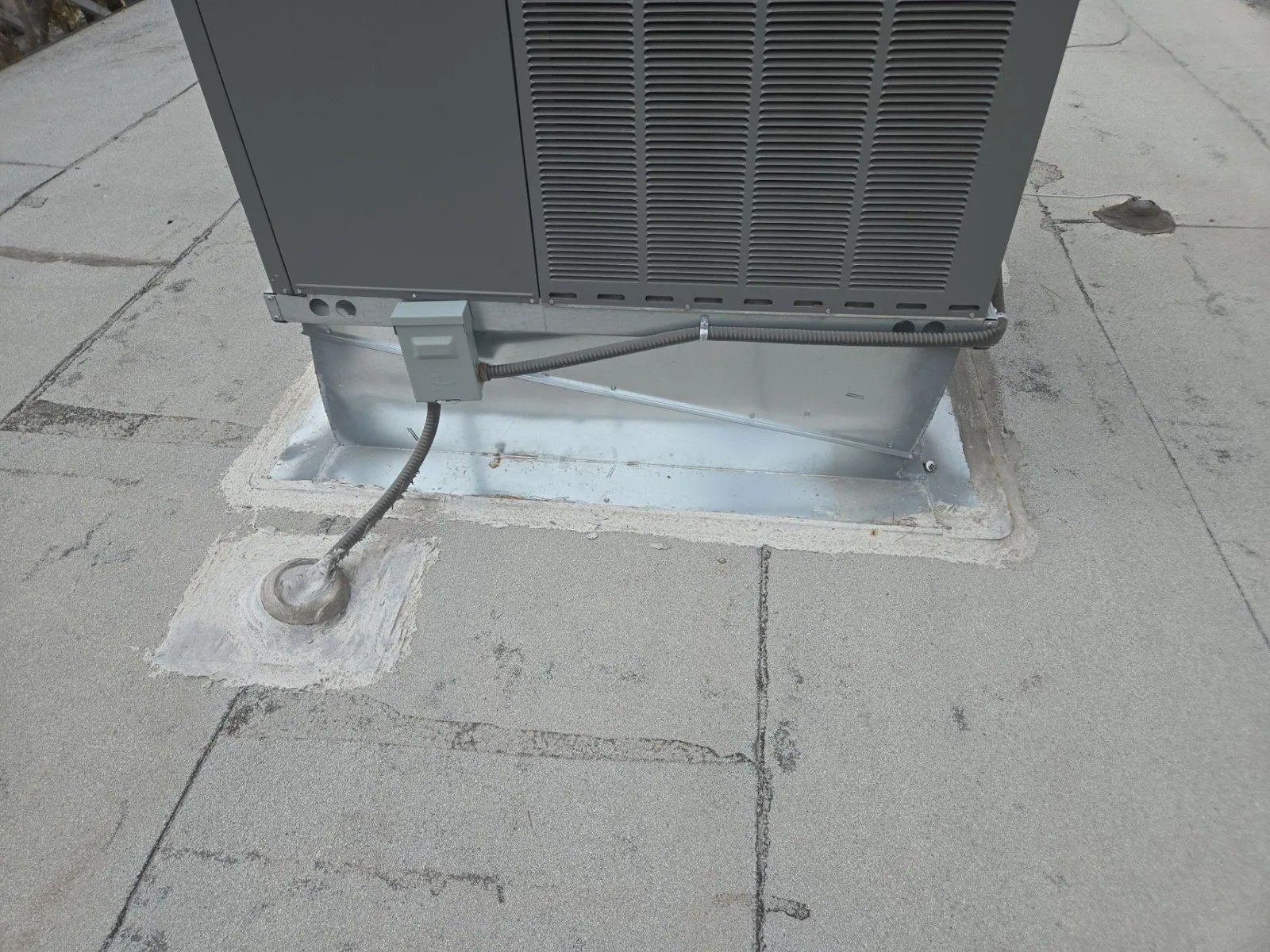
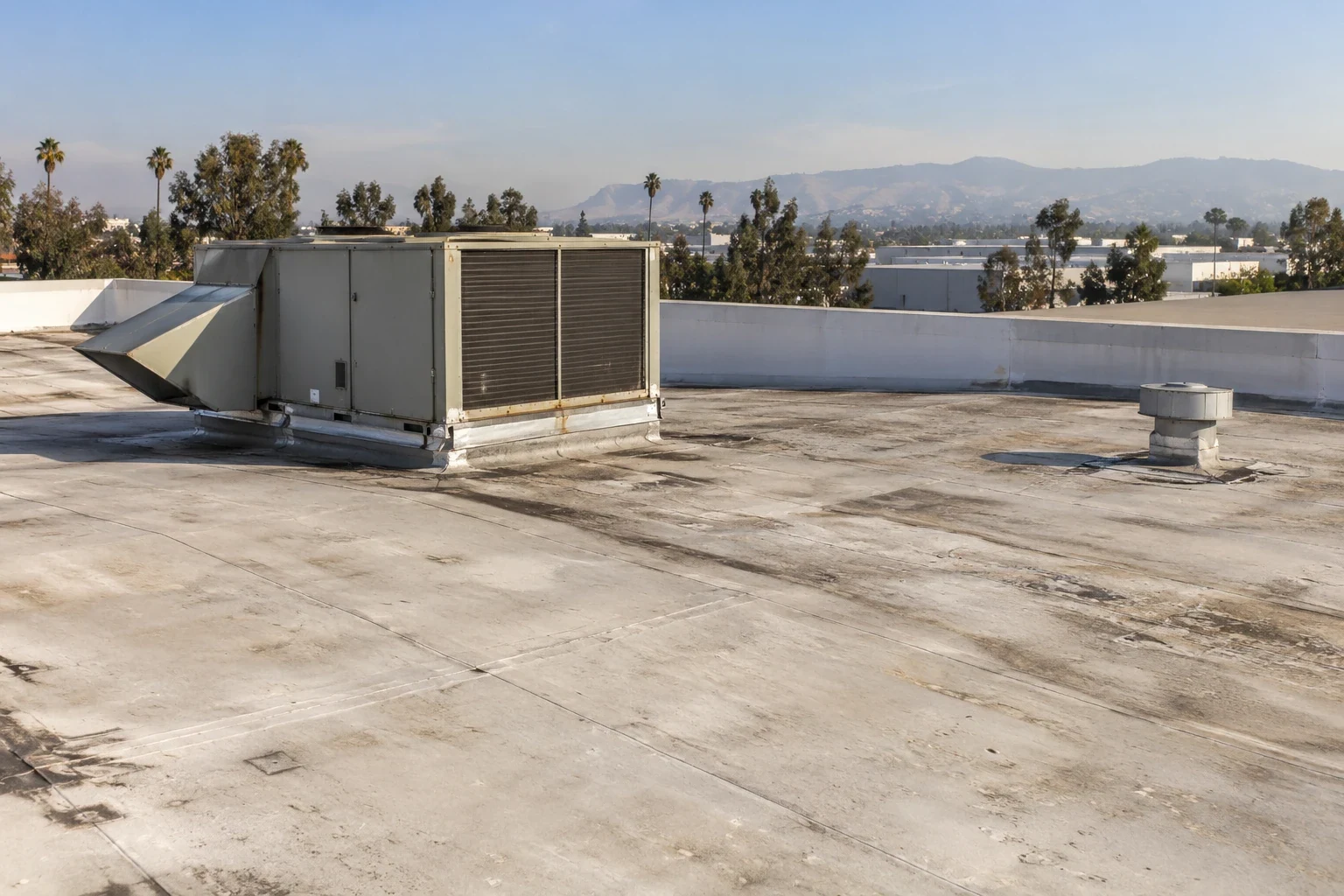
A pipe or equipment base may combine movement, concentrated contact and a membrane penetration. We inspect its roof connection and surrounding surface. A protective pad alone cannot restore an unsuitable support or damaged layers below it. Equipment support coordination identifies the roofing interface and any separate mechanical or structural question needing attention.
Refrigeration service requirements can constrain removal windows. The mechanical team identifies the available isolation windows and any service connection that the roofing work must preserve. The repair method still needs the appropriate surface preparation and connection. A service restriction should shape the sequence rather than justify an incomplete permanent detail. The proposal identifies responsibilities for equipment handling and roof restoration.
For a food-production roof area, refrigeration may serve a process rather than only storage. We establish that use with the building team. Protected interior zones and equipment continuity need to connect with the planned roof opening. The construction question is the actual assembly and affected detail, not an assumed uniform cold-storage arrangement.
Outlets and exposed weather connections
Rain drainage remains a requirement above refrigerated space. We examine accessible outlets, flashing and the water path. A blocked approach, broken connection and structural low area need different remedies. The repair scope should identify which condition is present and where separate technical review is necessary. Clearing an outlet does not correct every retained-water concern on the roof.
The normal rain pattern in Merced puts greater precipitation in winter than in the midsummer months. A separating outer connection found during a dry visit can be repaired before another wet period. Current conditions and product requirements govern the work window. The enclosure below also needs suitable protection. We coordinate these factors so a repair can receive the preparation and closure its assembly requires.
New layer thickness may reduce clearance at retained curbs. We review finished elevations before installation. A warehouse roof renewal has some similar layer questions, but refrigerated space adds its particular enclosure review. The manager should see those construction differences rather than receive an ordinary storage-roof scope without the affected temperature-control interfaces.
The refrigerated roof repair scope
At Turlock Regional Industrial Park, existing cold-storage and food-processing users make enclosure coordination locally relevant. We ask about the actual controlled area and its equipment. The findings determine which layers can remain and which need removal. The proposal identifies the permanent closure and any separate design question affecting it.
For Livingston properties, the processing mix can prompt service and product-protection discussions. We connect those answers with the inspected roof zone. Cost drivers include access, damaged insulation, connected control layers and equipment coordination. The completed scope restores suitable roofing and its affected enclosure interfaces, with a usable plan for later service access and examination.
Commercial Roofing Questions
Can a cold-storage leak be diagnosed from the ceiling symptom alone?
Rain entry, condensation and equipment water can produce different routes. We compare timing and location with roof details and the operating arrangement. The examination should identify the actual mechanism or the next focused check before repair is selected.
Why include air or vapor control in a small roof repair?
Removal may interrupt those functional layers. We identify the assembly and coordinate suitable reinstatement. A membrane patch restores the outer surface, but the closure also needs to address any affected enclosure connection beneath it.
Can infrared patterns be affected by refrigeration operation?
Interior temperatures and equipment can influence thermal observations. We interpret the pattern against the construction and use suitable physical confirmation. Removal quantities should follow examined moisture condition rather than image color alone.
What needs coordination before opening a roof above refrigerated stock?
The building team identifies protected goods, service requirements and usable access. We define removal limits, layer reinstatement and daily protection. The work window needs enough time for appropriate enclosure closure, including a response to concealed damage.
Assessment of the refrigerated roof transition
Request examination of the membrane opening, support detail and enclosure layers affecting your cold-storage repair or renewal decision.
Related Roofing Work