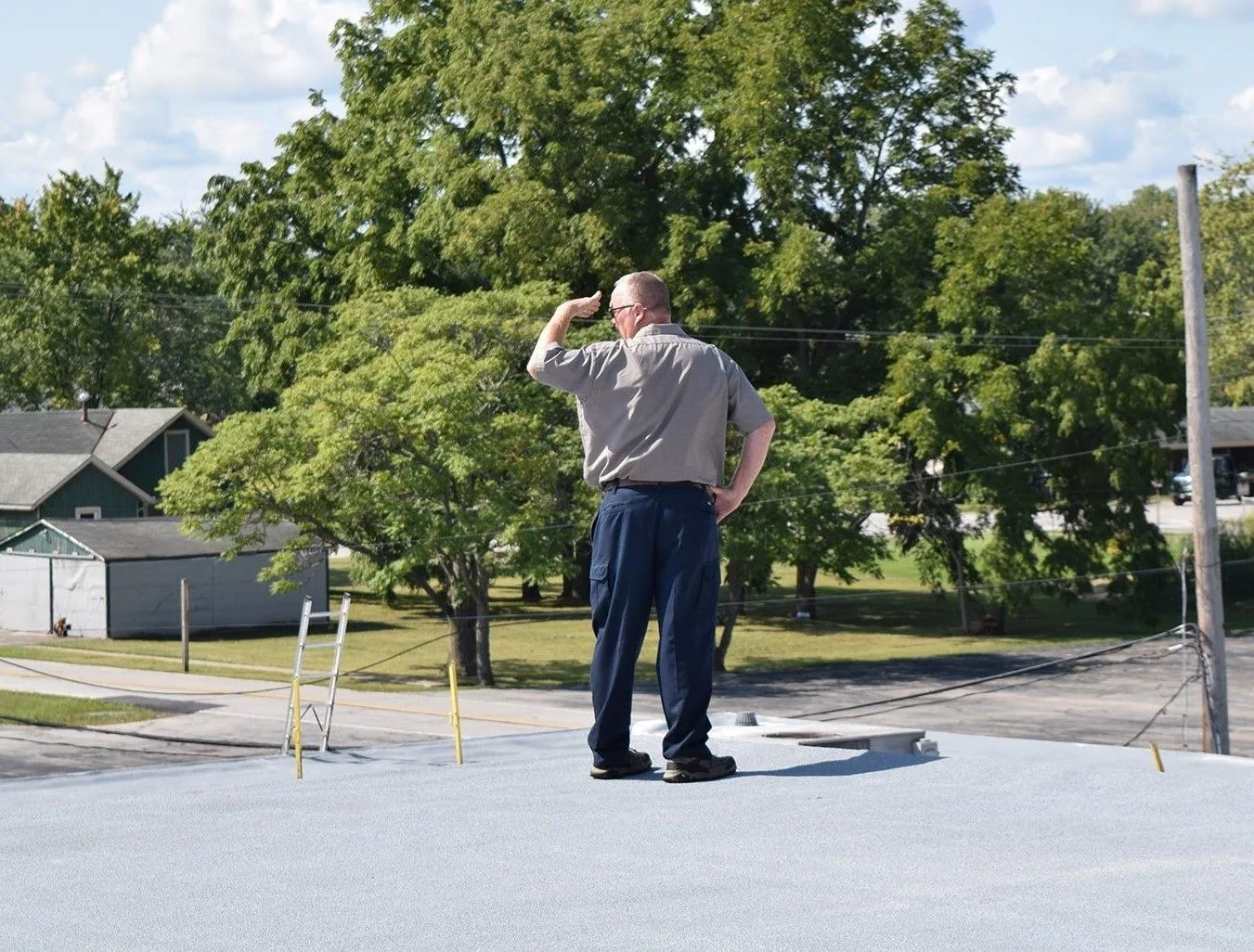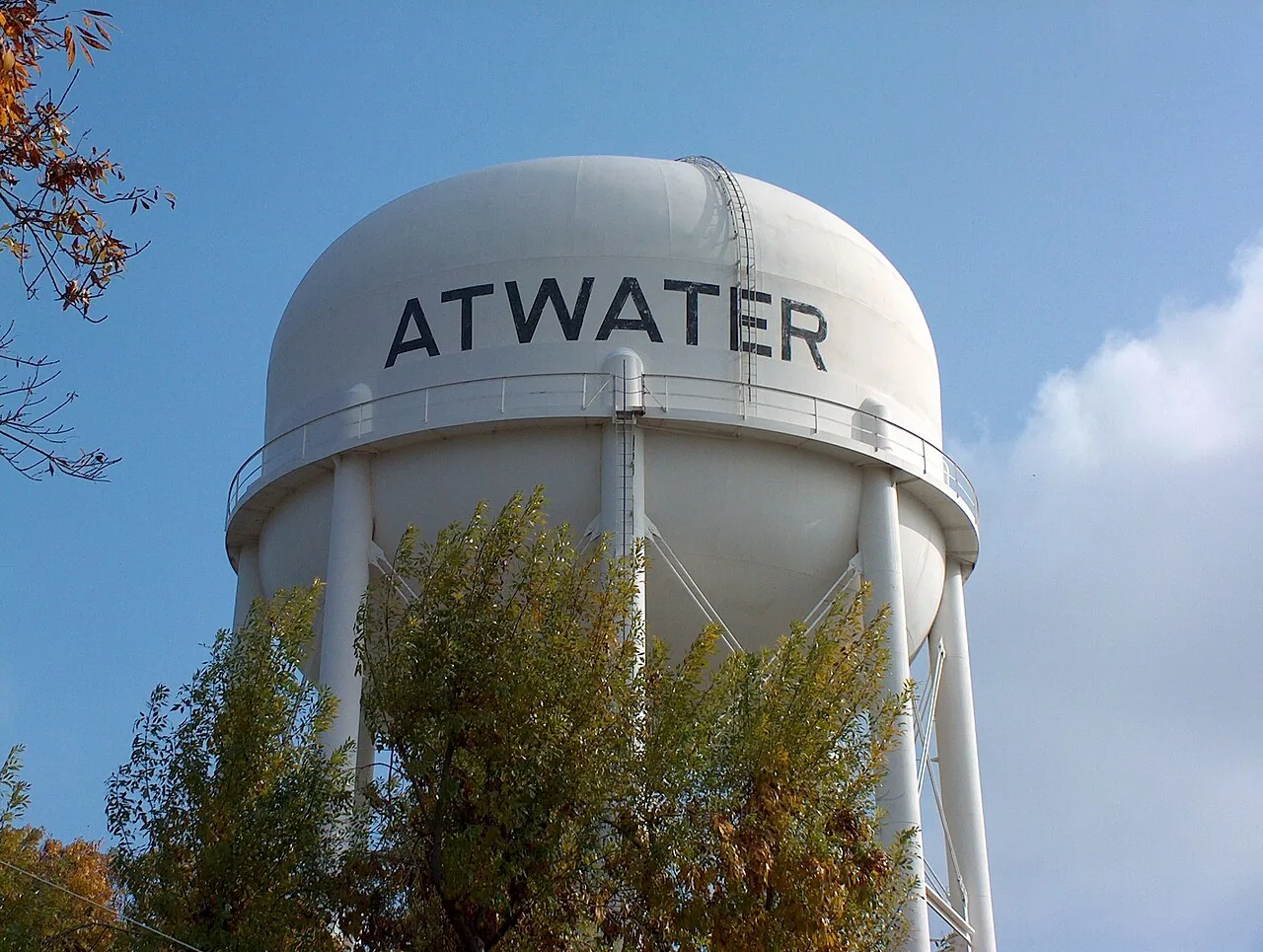
A loose support foot above a production line can move the membrane each time nearby equipment runs. For manufacturers in Merced, we inspect the connection, identify the assembly, and learn which production area sits below before proposing an opening. The facilities lead tells us about shift changes, line access, material handling, and equipment that cannot be isolated without planning. Atwater has food-processing and building-products manufacturing uses. Turlock Regional Industrial Park includes food processing, cold storage, and manufacturing. Those regional activities make production coordination familiar, but each plant needs its own roof map and operating window.
A commercial roof inspection can locate the defect and separate visible membrane damage from a layer question. We plan work around the verified condition and the facility's production sequence.
Set a work window that fits the line
A roof opening above a line may affect dust control, equipment access, product staging, or routine sanitation. We ask the facilities contact which work zones can be isolated and when a production change is already scheduled. The sequence identifies the roof section, temporary connection, interior protection, and the condition needed before equipment or personnel return below it. A limited shutdown is useful only if the roof detail can be prepared and closed within that period.
Where production continues nearby, we identify the handling route for materials and removed layers. We confirm which doors, dock areas, and service roads must remain open. If a lift or escort is needed, the property lead assigns it before mobilization. The work plan should name its daily endpoint so an incomplete flashing detail is not left dependent on an after-hours decision.
Inspect supports, ducts, and roof transitions
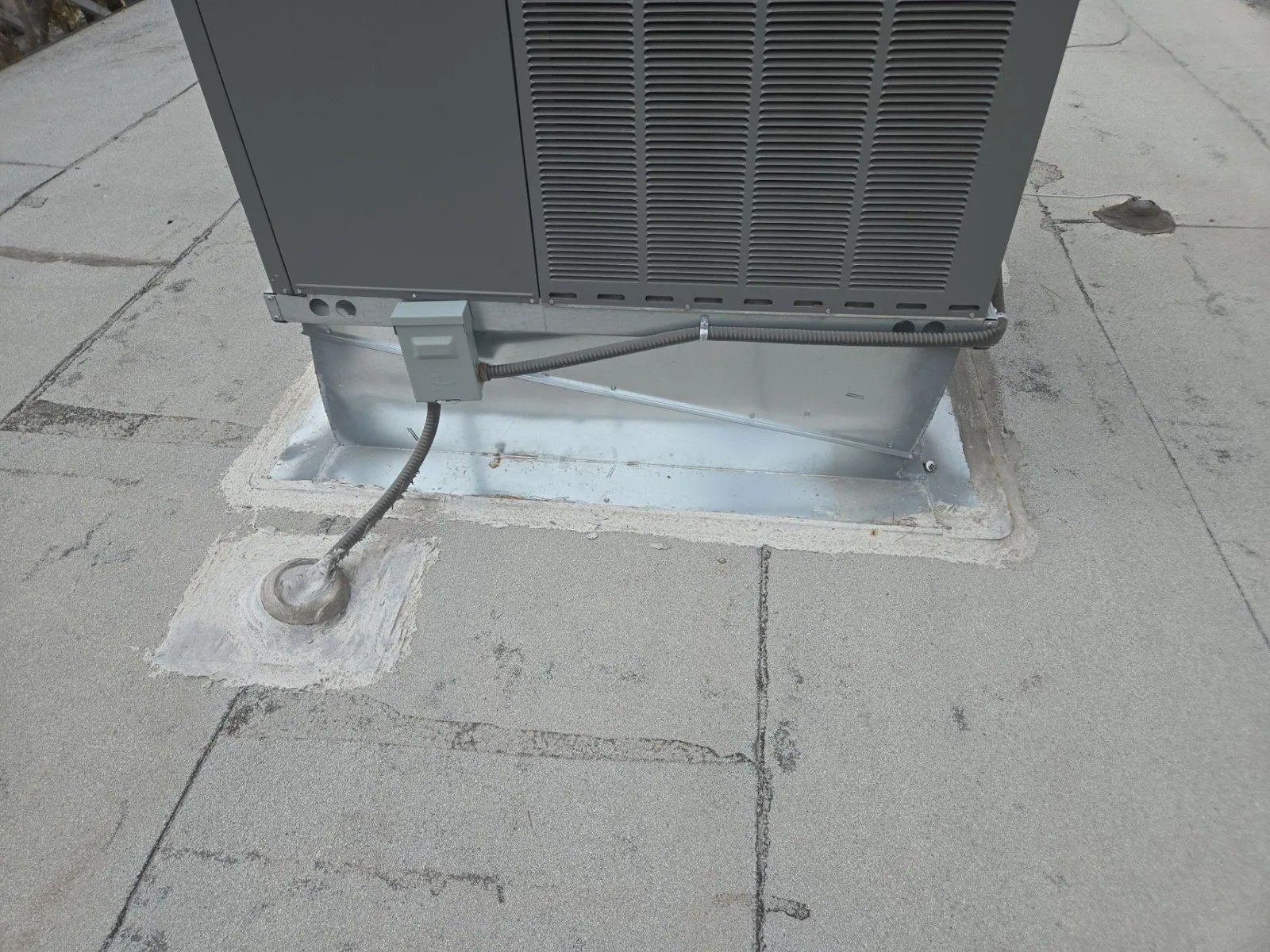
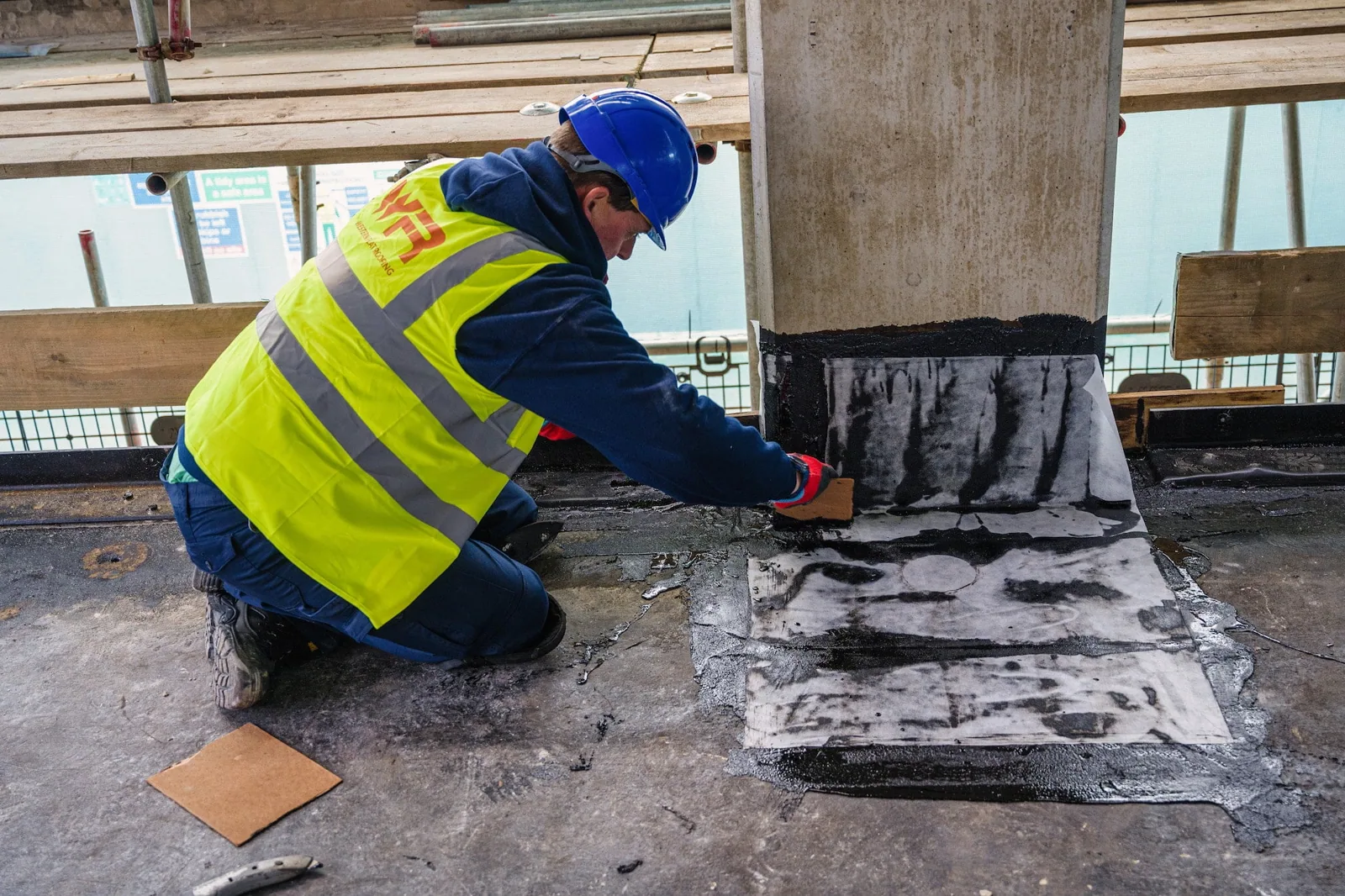
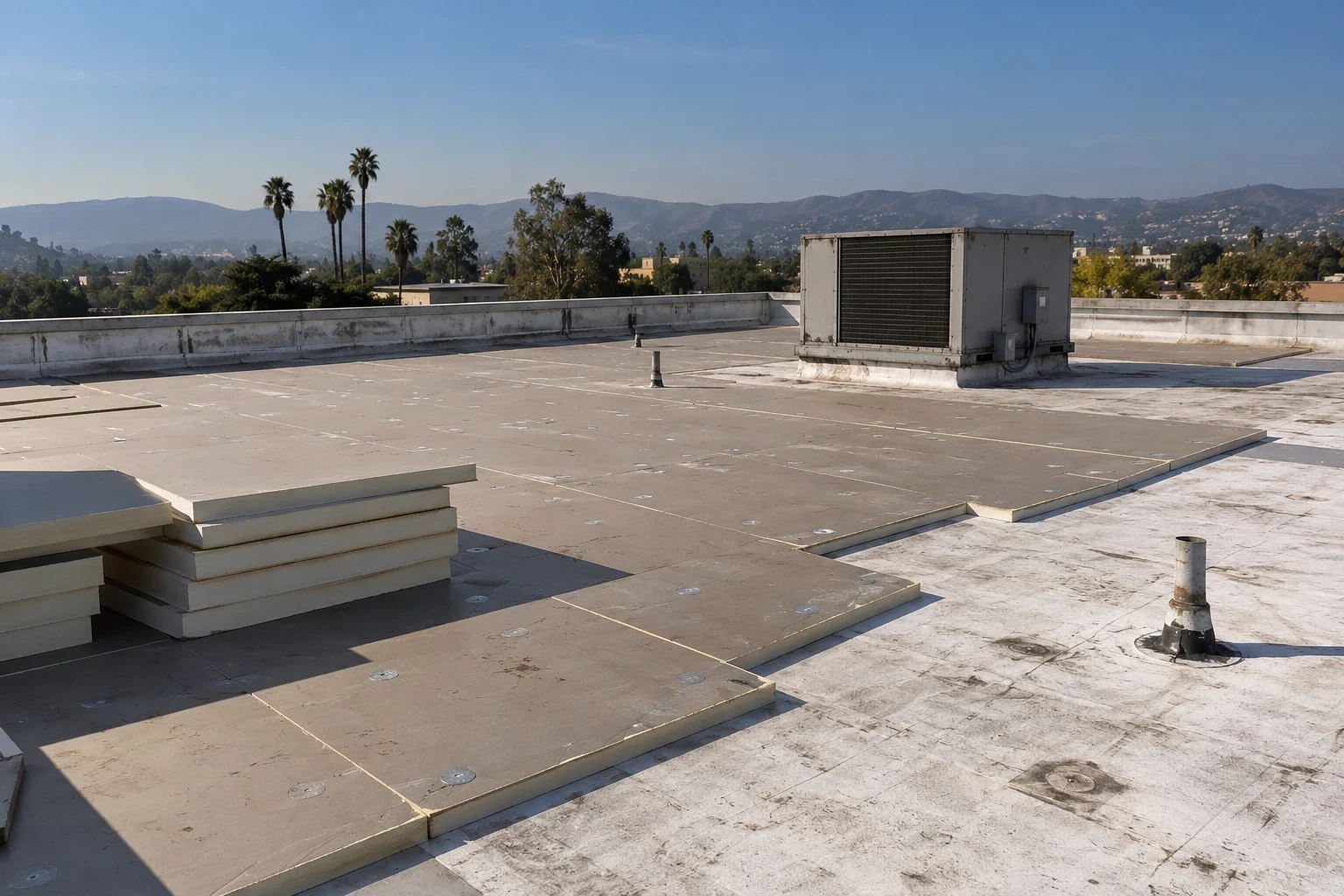
Exhaust ducts, piping, curbs, and equipment stands concentrate movement and service traffic. We examine the membrane around corners, fasteners, boots, metal, and terminations, then check for loose attachment or water paths at the connection. A rooftop support inspection can identify where roofing work meets the mechanical installation. If equipment is scheduled for replacement, we coordinate the curb or support detail before the new unit is set so the finished roof is not cut open without a defined restoration step.
Heat from equipment can affect adjacent surfaces, and repeated vibration can stress a connection. We verify these conditions at the roof rather than infer them from a machine list. The facility engineer identifies shutdown controls and the trade responsible for equipment work. Our scope names the roofing preparation, flashing, and tie-in. That leaves the property team with one defined interface to coordinate instead of two scopes that stop at the same curb.
Trace water and identify affected layers
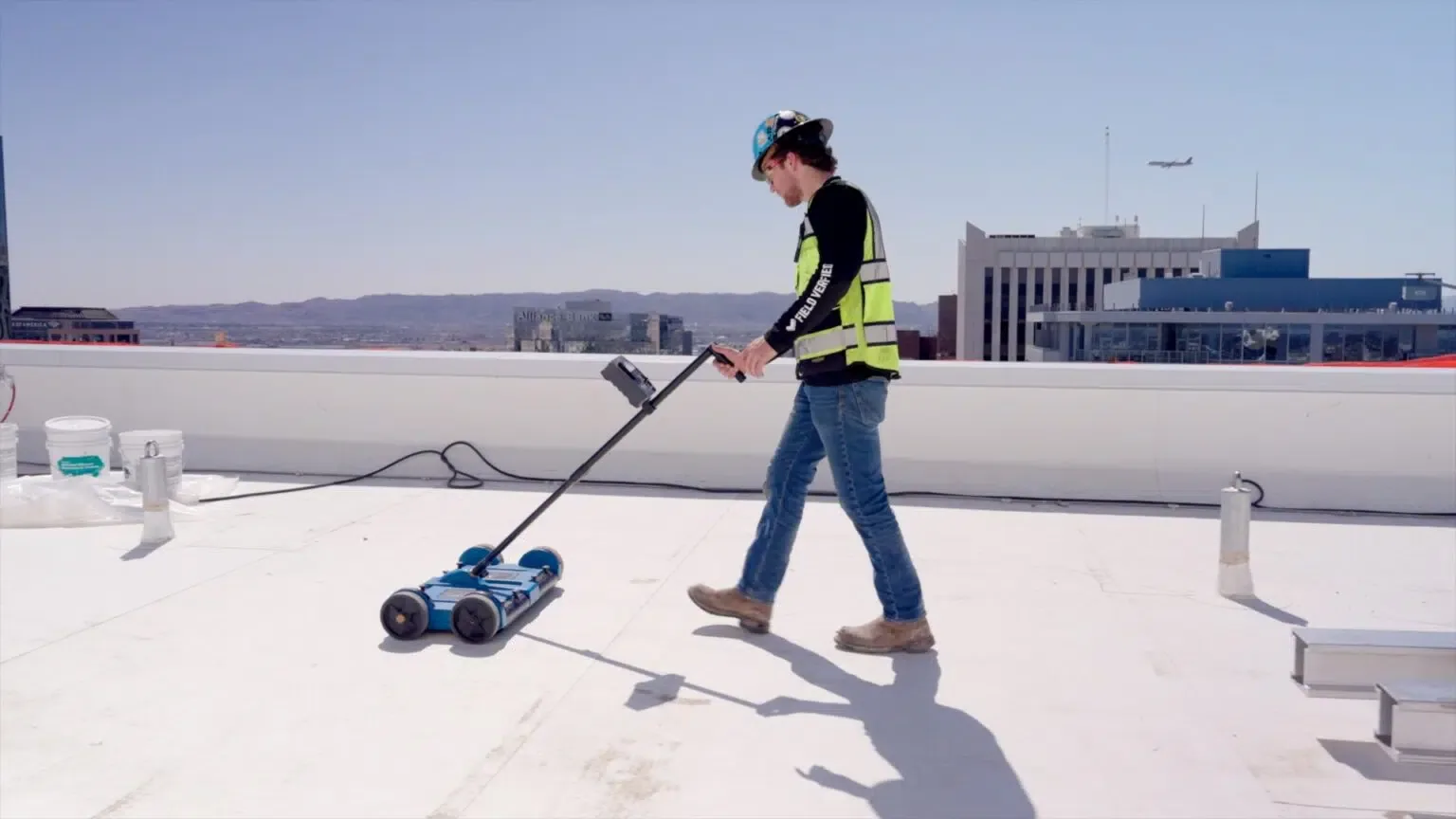
A drip above a packing area may begin at a seam, a curb, an outlet, or an older roof layer. We map the interior report to the roof surface and inspect nearby transitions. If moisture may sit below the membrane, an approved test or infrared moisture survey can help establish where to check when conditions support the method. The test opening confirms whether insulation is wet and how far removal should extend. We obtain authorization for the location and specify how the opening will be closed.
Water can move within an assembly before it appears below. We record the exposed layers and distinguish saturated insulation from material that remains suitable. A condition report with photographs can show the test area, result, and limit of the inspection. The repair quantity follows that evidence. If a deck or attachment condition is concealed, the scope states how it will be reviewed before new membrane covers it.
Use the local production context carefully
Atwater's local economy includes food processing and building-products manufacturing. Turlock Regional Industrial Park has cold-storage, food-processing, dairy-product, and other manufacturing users. Industrial production can shape access windows and staging; the actual roof condition sets the repair scope. They do make it useful to ask whether temperature-controlled areas, product movement, or shift schedules affect access. The facility contact identifies those requirements at the property being inspected.
Merced summer heat affects the available period for membrane preparation and close-in. We check current surface conditions, the forecast, and material instructions before choosing a work window. If an operation cannot stop during the preferred period, the work can be divided by roof section when the assembly allows a secure tie-in. A Atwater service-area reference may orient a regional visit; the plant's own gate, safety contact, and roof route determine dispatch.
Match the scope to the confirmed assembly
TPO, PVC, EPDM, modified bitumen, metal, and coating systems use different repair methods. We identify the existing surface and check compatibility before specifying a patch, flashing, or recover. A roof insulation and cover-board review can clarify whether layers support the planned attachment and new roof height. If a coating is considered, we check adhesion, moisture, and system compatibility rather than treating a coating as a cover for wet or unstable construction.
Line dust, process residue, grease, and service traffic can affect surface preparation at some industrial properties. We inspect the actual roof and state what cleaning or preparation is included. The property manager should understand how the new detail bonds or fastens to the existing assembly and what requires a separate test. A product description without the tie-in method does not give the facility a complete work scope.
Compare a repair with a broader project
A single loose curb or opened seam can be repaired when the surrounding membrane and substrate allow a sound connection. Multiple failures, broad moisture, or damaged support may make an isolated patch a poor fit. We compare affected roof zones, equipment transitions, drainage, test results, and production hours. A manufacturing plant roof assessment can organize the building-level concerns, while the proposal identifies specific removal and restoration at the inspected facility.
For a larger project, we define whether the existing roof can remain, what layers must be removed, and how equipment and production areas will be protected. Cost drivers include removal depth, new insulation, curb reconstruction, staging, and the number of phases. If testing could change the quantity, the estimate identifies the result that activates added work and the approval contact. The owner can compare immediate water control with system renewal using the same access and operating assumptions.
Link repairs to the plant maintenance plan
Record each repair by roof zone, process area, material, and equipment relationship. The facility team can then compare the next leak report with the prior test or connection work. A logistics roof coordination plan may emphasize dock and vehicle access, while a property management record may focus on tenant routes and approval contacts. The manufacturer should keep its own map and maintenance history even when a contractor manages a regional schedule.
Closeout notes identify materials, photographs, preparation, test findings, weather holds, and exclusions. If the work did not include a nearby penetration, record it rather than leave a false impression that the whole roof area was renewed. The follow-up should name the next inspection, test, or equipment coordination step and the person responsible. This gives the plant a clear path from repair to maintenance without treating paperwork as the final result.
Commercial Roofing Questions
Can roof work happen during a production shift?
It may, if the affected section can be isolated, protected, and closed within the available window. We coordinate the roof opening and daily endpoint with the facility lead.
Does a leak above a line identify the damaged layer?
No. We inspect the roof detail and use a test opening when concealed insulation or support could change the removal boundary.
Can a new exhaust unit use the existing roof curb?
We inspect the curb, attachment, and membrane transition, then coordinate with the mechanical contact. The proposal states whether the existing support can remain or needs revision.
What if manufacturing residue is on the membrane?
We identify the actual surface condition and describe the cleaning and preparation needed for the selected repair method. Compatibility is checked before the detail is installed.
What should be ready before the roof visit?
Provide the building address, roof plan, recent equipment changes, production window, access contact, prior repairs, and any area where work must be coordinated with operations.
Inspect a manufacturing roof connection
Share the Merced-area facility address, roof plan, equipment notes, production hours, and leak location. We can identify the assembly and define a repair boundary.
Related Roofing Work