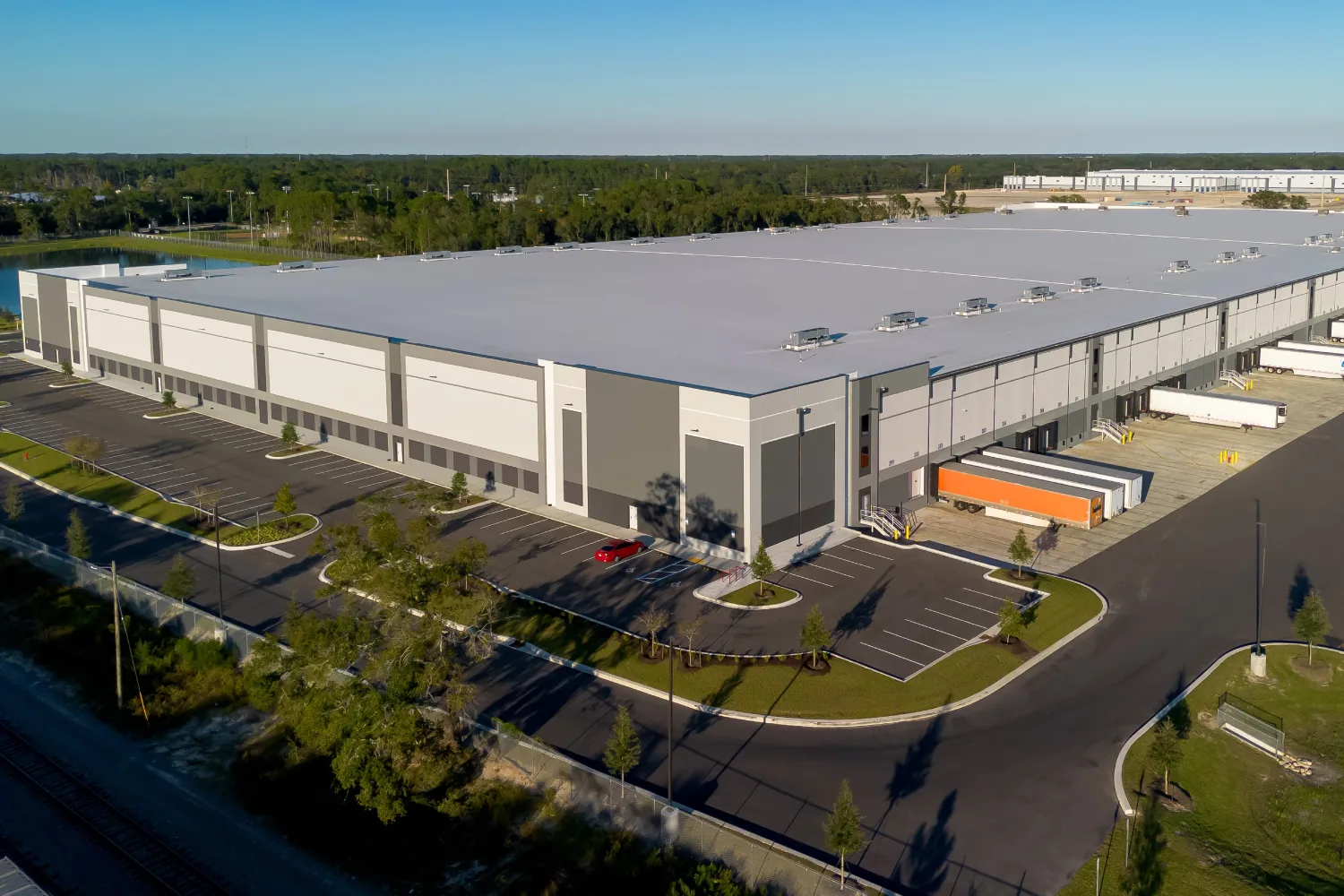
An opened field seam above a handling aisle needs a roof-zone decision and an operating response. For distribution center roofing in Merced, CA, we identify the affected connection and locate the activity below it. Water exposure may require product protection or temporary route changes. The permanent repair still needs membrane and layer examination before its boundary can be established.
Merced's industrial economy includes food and grocery distribution, with parks served by Highway 99 and rail. Roof work above that activity should be coordinated with the property's actual handling schedule. Turlock's regional industrial area also includes cold storage and food processing. We ask which products and equipment are affected, then define the roof construction needed for inspection, repair or renewal.
Active handling zones and repair location
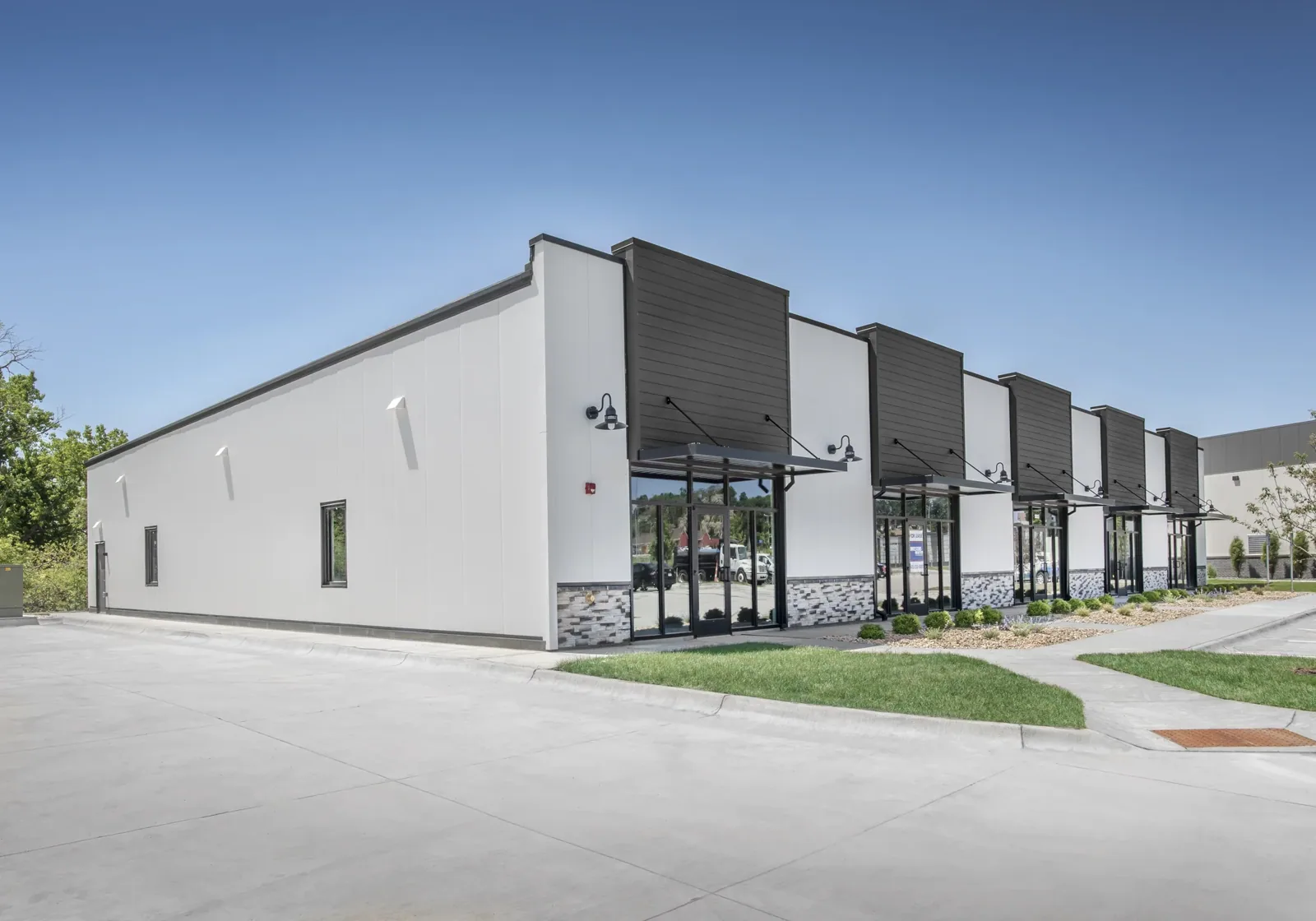
A location description should connect the roof finding with an area the distribution team can recognize. We identify the relevant roof section, nearby equipment and the interior handling zone. That relationship supports temporary protection and work coordination. It also helps distinguish a repair over a critical movement route from one above space that can be isolated more easily.
We ask the manager which routes and operating windows are usable. A roof opening may need a defined period for removal and close-in. The building team can plan product movement around that window. We describe the roofing task directly, including any support-layer repair, so operating decisions reflect the actual work rather than assume every patch can be installed without an opening.
A warehouse roof operation may emphasize stored goods differently from active distribution movement. We establish the use at the property before planning access. A building can contain both. The roof zone above each area may need different protection, while the inspected assembly determines the repair method and suitable permanent connection.
Seams, penetrations and the entry detail
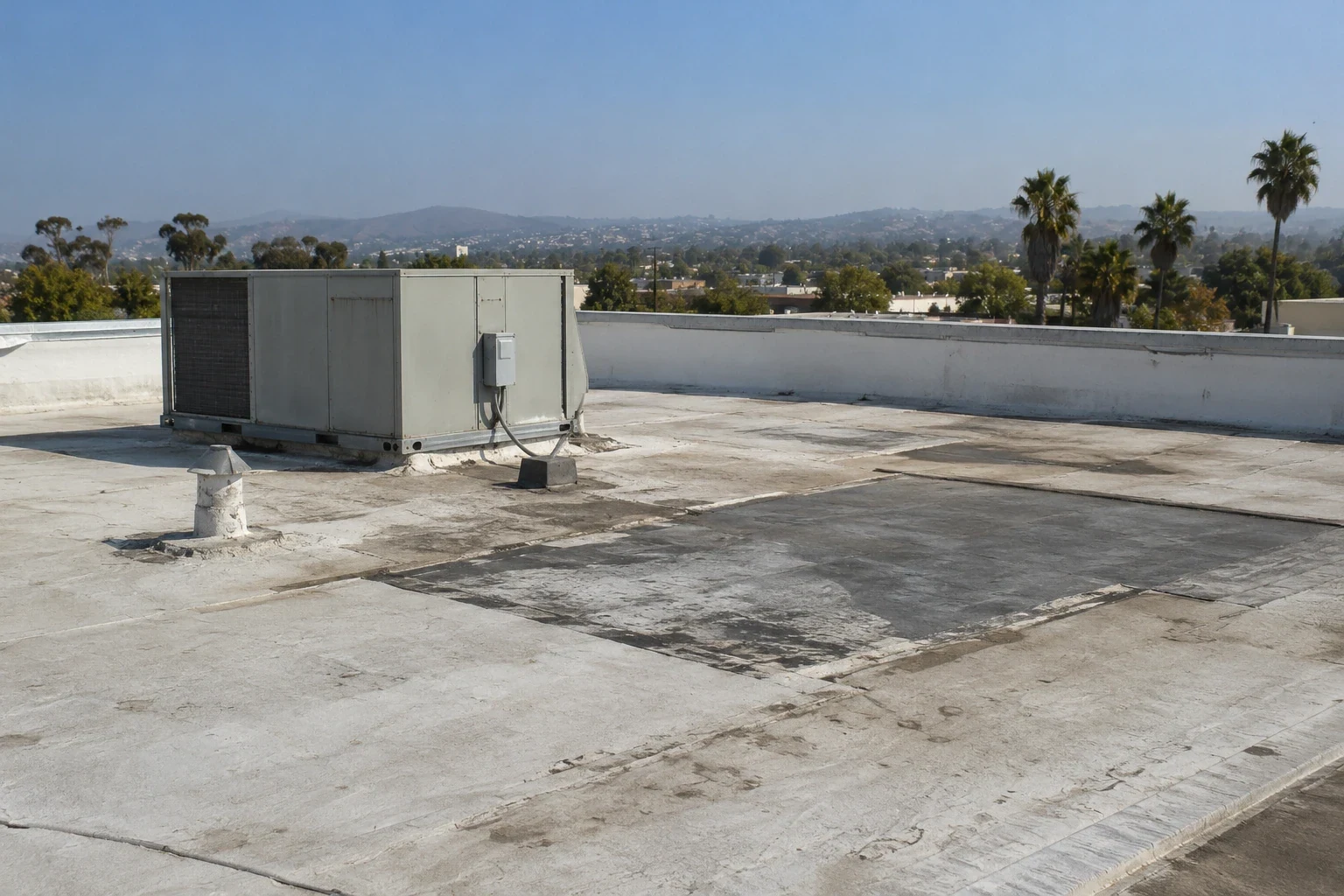
A separating field connection deserves examination of the sheet and adjacent material. We identify contamination, distress and earlier repairs that affect its repairability. A localized commercial membrane repair needs sound roofing for its connection. Where the surrounding construction is unsuitable, the boundary may extend beyond the first visible opening.
At equipment penetrations, we inspect the base transition, corners and upper closure. A leak may involve one of those components rather than the adjoining field seam. We compare the roof detail with reported timing and interior symptoms. The manager should see which finding supports the proposed work. A nearby visible defect should not be treated as a complete diagnosis without examination.
Merced summer heat makes movement between roofing and rigid equipment details relevant to inspection. We look for stressed sheet, loose termination and separation at the material change. The finished repair needs suitable geometry and attachment. Adding another rigid surface application across a strained connection can leave the original movement problem beneath the work.
Water paths across occupied roof zones
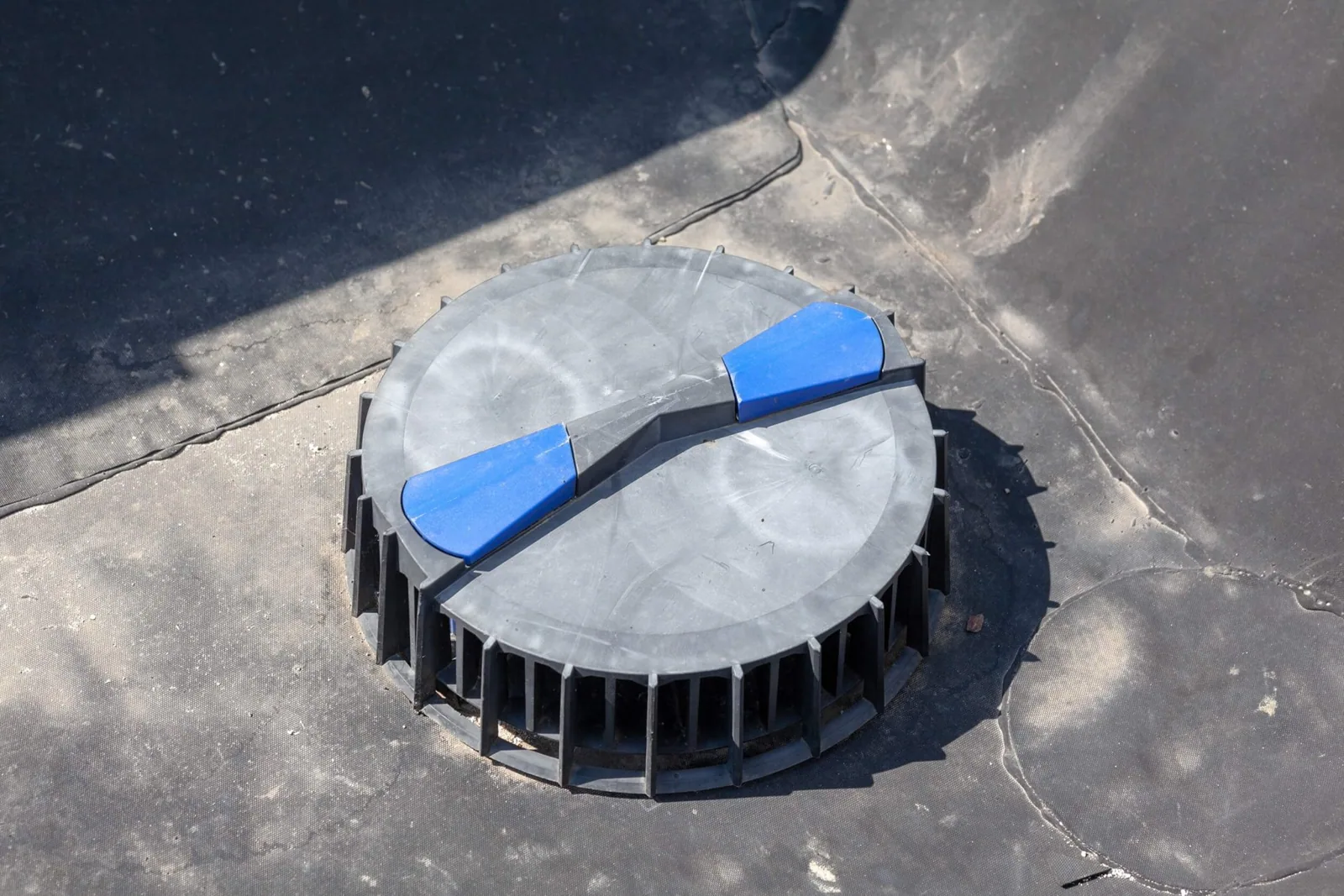
Debris or a damaged outlet connection can affect a distribution roof even where the membrane field appears serviceable. We examine accessible drains and scuppers along with sediment marks and low areas. Drainage work may involve clearing, flashing repair or another geometry correction. The proposal should distinguish those tasks so a maintenance action is not mistaken for reconstruction.
Merced's normal winter rainfall is greater than its July and August amounts. A dry period can allow examination and planned repair before another wet interval. Current roof condition still governs urgency. An active opening or blocked outlet needs a specific response, while a persistent depression may require further technical review. The timing follows the observed exposure and usable work window.
New insulation or membrane layers can alter finished levels. We compare the proposed field with sump approaches, scupper openings and equipment curb clearances. Those relationships should be resolved before installation. A renewal scope should identify how its water path and transitions will function, not only the surface being placed over the operating space.
Insulation condition beneath a localized failure
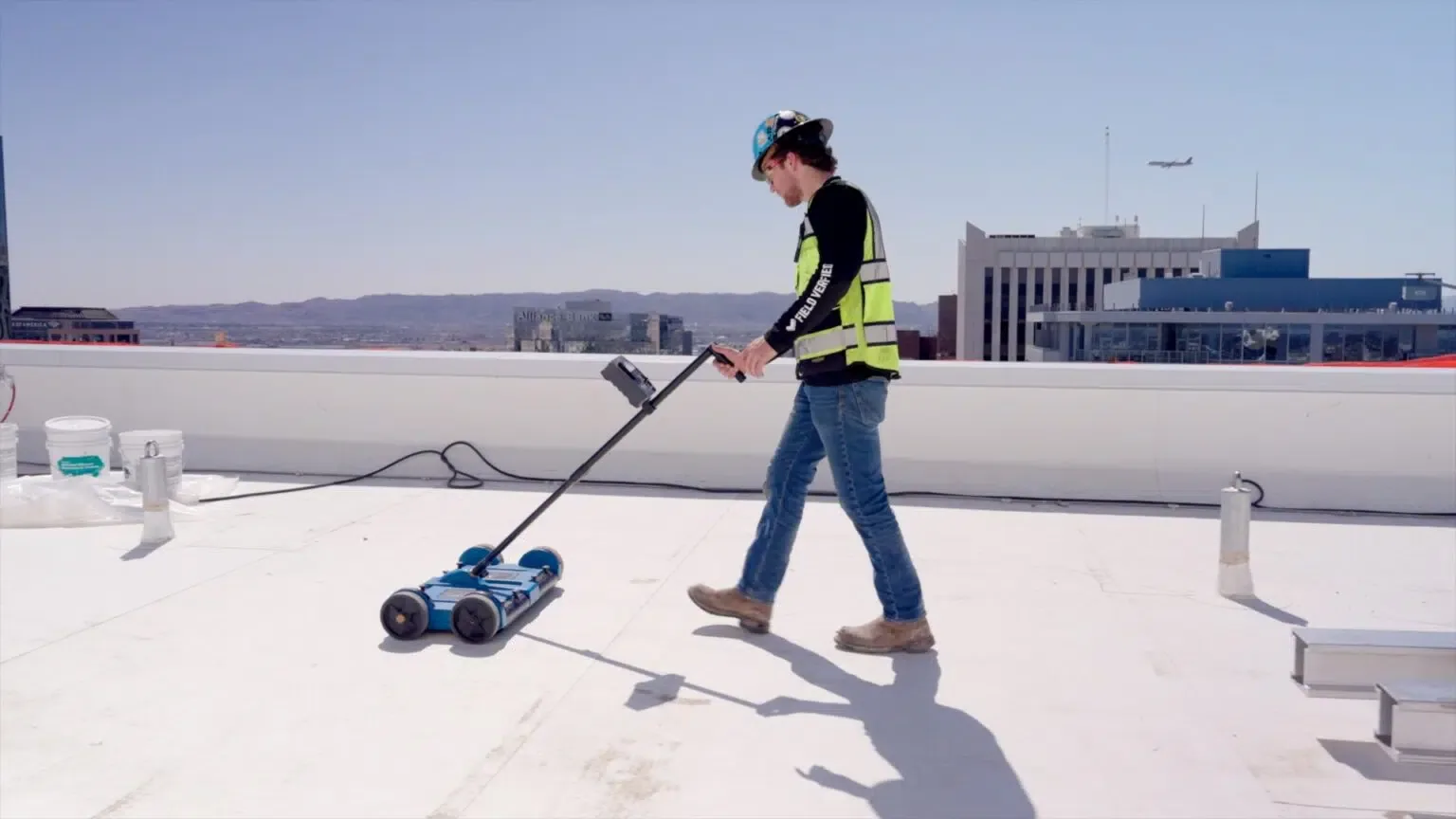
A membrane opening can admit water that spreads through the insulation. We identify where concealed material needs examination before repair. Thermal moisture investigation can help choose confirmation points when conditions and assembly suit the method. Physical findings establish the affected layers used in the removal decision.
The replacement material needs appropriate thickness and support at the repair. An unsupported patch over removed insulation can create another vulnerable area. We describe layer reinstatement and the connection with retained roofing. Deck deterioration also needs an appropriate response before closure. The manager should know which part of the quantity restores concealed construction rather than only the visible membrane.
For cold-storage space, enclosure questions may require attention to air and vapor control. We coordinate the roofing scope with the actual design and interior conditions. That review should not be assumed unnecessary because the repair area is small. An opening through several enclosure layers needs suitable reinstatement of their intended functions.
Roof deliveries and operating access
Roofing material delivery and waste removal need usable ground locations. We coordinate those routes with the distribution team before the work begins. Staging that blocks a handling entrance can affect operation even when the roof task itself is isolated. The plan should identify the ground arrangement and the roof zones it serves so access remains workable through the sequence.
Material placement on the roof also needs a suitable arrangement for the structure and installation route. We avoid damaging serviceable areas during preparation. Temporary tie-ins and close-in limits should match the assembly. A daily opening needs enough time for discovered layer repairs and suitable protection before work pauses. The operating schedule should account for that construction sequence.
At industrial property in Merced, the citywide highway and rail connections provide context for distribution activity. We still establish the actual usable property access and interior routes with the manager. The plan identifies protected goods, roof work zones and the equipment services affected. Each decision should have a direct relation to the inspected construction.
Repairable areas and the renewal comparison
A bounded defect with suitable adjoining construction can allow repair. Broader distress or damaged layers can shift the choice toward assembly replacement. We explain that difference through the condition found. The manager can compare the scope and operating implications without assigning replacement solely because the building handles product.
At Turlock Regional Industrial Park, food-processing and cold-storage operations can make enclosure and service windows important questions. We identify the actual affected activity. Cost drivers include preparation, damaged-layer removal, roof access and connected details. A complete proposal identifies those items and the suitable closure, giving the manager a roof decision that can be coordinated with ongoing handling work.
Commercial Roofing Questions
How is a roof defect located against active distribution routes?
We connect its roof zone with the interior area identified by the building team. Nearby equipment and section boundaries help locate it. The manager can then arrange product protection or route changes around the planned opening and closure.
Can repair proceed without moving every product in the building?
The affected area and work method need assessment. We define the roof opening and coordinate protection with the property team. The response should fit the actual zone rather than assume either unrestricted operation or a building-wide interruption.
Why does a small roof leak sometimes require insulation work?
Water can affect layers beyond the visible entry. We confirm that condition and identify necessary removal. The repair should reinstate suitable support beneath the membrane, not leave damaged material concealed after the opening is closed.
What should a replacement comparison show for an operating distribution center?
Layer removal, permanent details and daily protection need clarity. Ground staging and handling routes also matter. We connect those construction items with the affected roof zones so the manager can compare both the assembly work and its operating sequence.
Inspection above the active handling zone
Request assessment of the roof opening, drainage detail or renewal area that needs coordination with ongoing distribution activity.
Related Roofing Work