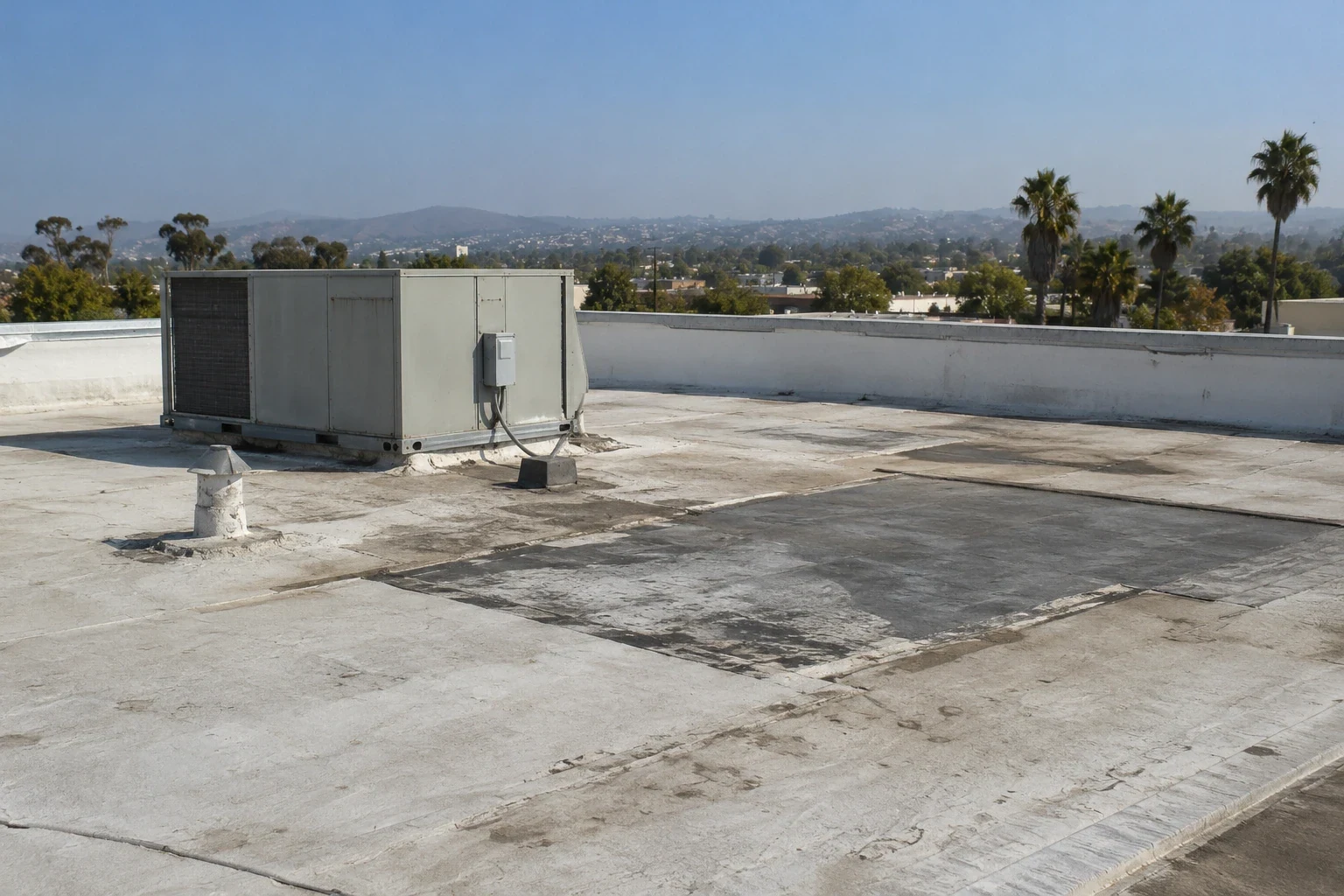
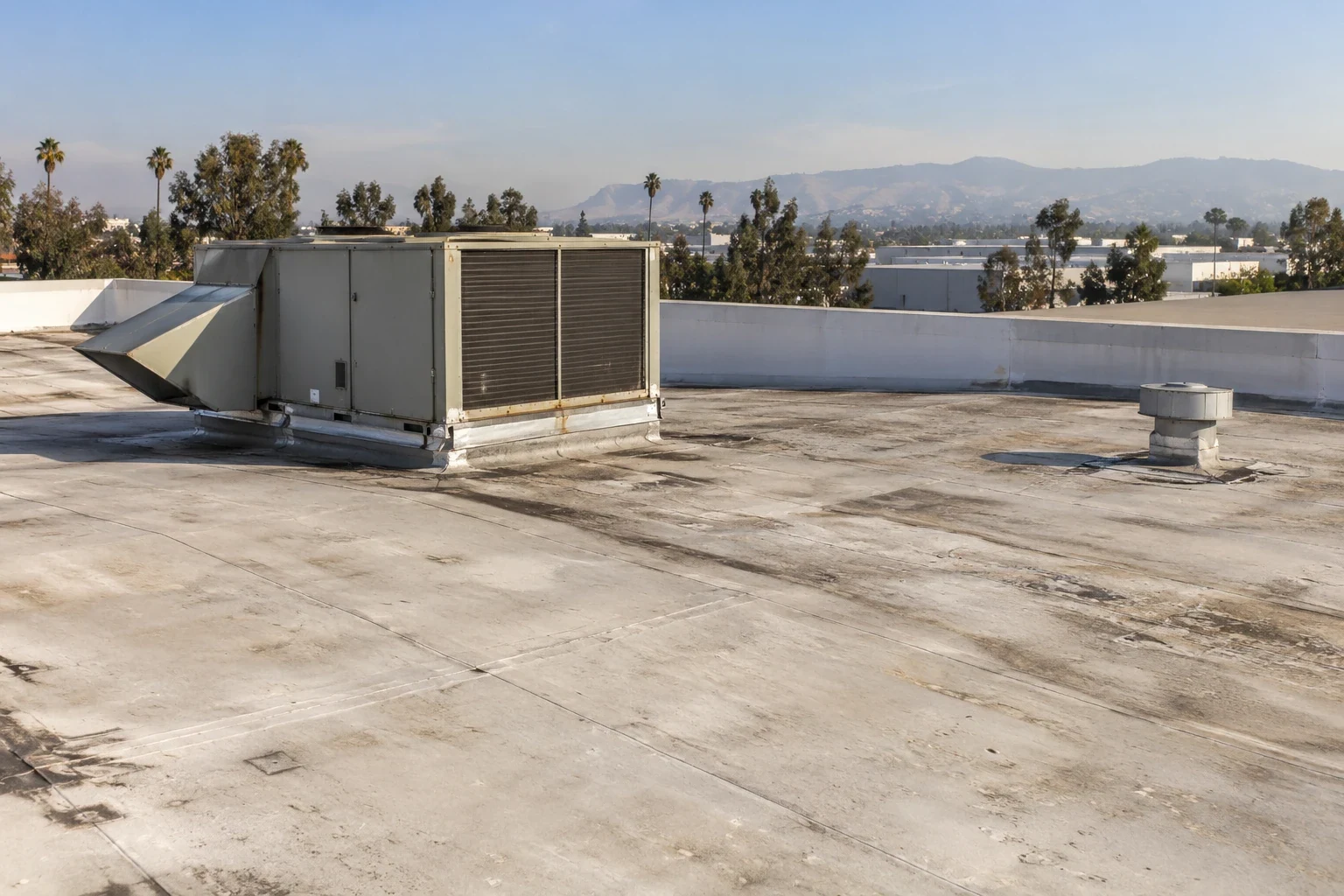
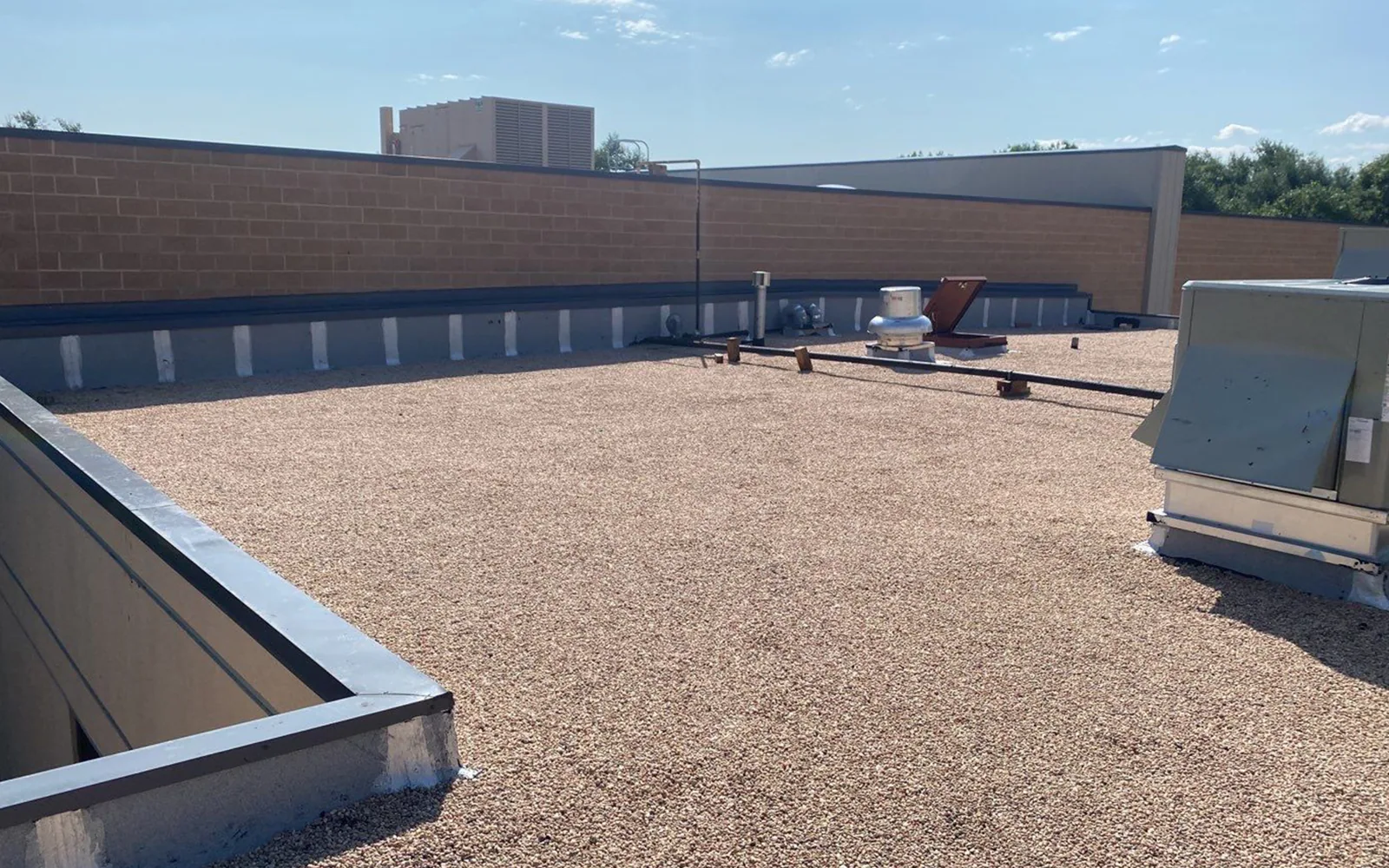
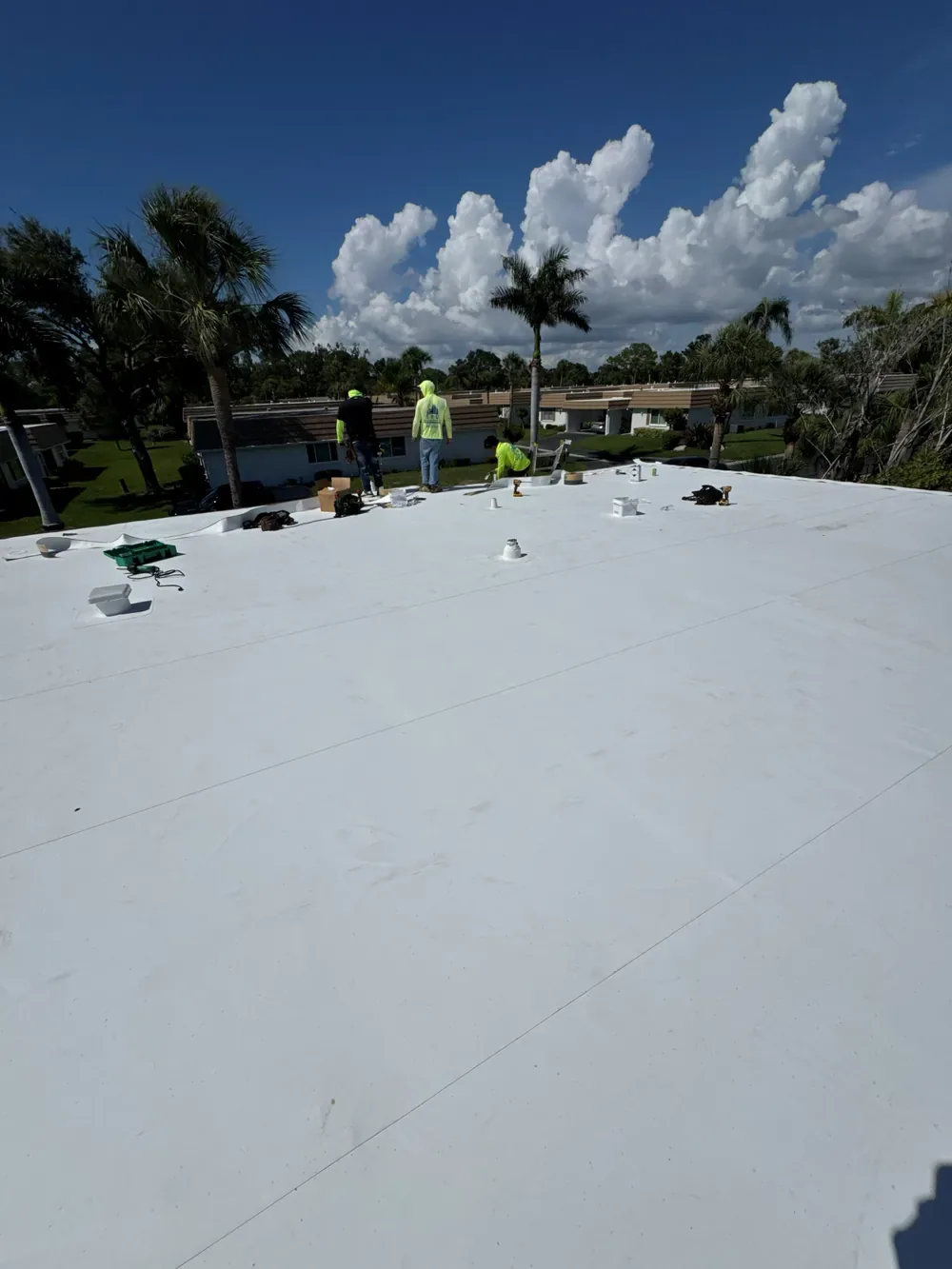
Granules missing along a cap-sheet lap expose a connection worth examining. For modified bitumen roofing in Merced, CA, we check the lap edge and the condition of the sheets beneath it. Surface wear may be bounded. A separating lap or damaged underlying layer needs another response. We identify that distinction before selecting repair material or an installation method.
Modified bitumen uses reinforced asphalt-based sheets with modifiers such as SBS or APP. The actual product and assembly determine how its layers are joined. Merced summer heat makes exposed bituminous details and movement at metal transitions relevant to examination. Industrial areas near Highway 99 include manufacturing and distribution activity. Downtown Merced has occupied commercial space requiring a planned opening and closure sequence.
Lap edges and the cap-sheet surface
A raised lap edge may admit water or collect debris along the connection. We examine whether the edge is separated and whether the surrounding sheet remains suitable for repair. Granules, residue and earlier compounds can affect preparation. The repair needs the connection method appropriate to the existing sheet. A surface smear over an unexamined loose lap can leave the opening mechanism unresolved.
Cap-sheet condition is also examined away from the edge. Cracking, exposed reinforcement and localized impact damage can change the repair boundary. We identify the usable material available for connection and any damaged layers beneath it. Bituminous roof repair may remain localized where the adjoining assembly is serviceable. Repeated distress across a larger area deserves a broader assessment.
A granulated surface needs preparation suitable to the chosen detail and product. Different repair methods can require different handling of that finish. We specify the compatible work rather than apply one assumed approach to every cap sheet. The manager should understand which material is being repaired, how its surface will be prepared and what connection completes the work.
SBS and APP installation choices
SBS and APP modifications affect sheet characteristics, but the product specification governs its application. Some assemblies use adhesive or self-adhering components. Other specified products use heat or hot asphalt methods. We identify the intended sheets and compatible sequence. The acronym alone does not authorize a particular installation technique for every layer in the roof.
Where heat or hot materials form part of the work, site safety and operating arrangements need attention before application. Combustible construction, equipment and occupied surroundings can affect the method. We coordinate the appropriate precautions and any project requirements. A construction choice should not be made solely because it appears faster than a different application method in an occupied setting.
For a manufacturing facility roof, the building team identifies process and access restrictions. Merced's manufacturing mix makes that discussion locally relevant. We use the actual operating information to plan the work. The roof sheets, supporting layers and project requirements still determine which application arrangement is suitable.
Raised areas and concealed layer condition
A blister can indicate separation within the assembly and may involve moisture or trapped air. We examine its location, shape and surrounding material. Cutting every raised area without a diagnosis can introduce an opening while leaving the underlying question unanswered. The response should identify the affected layers and an appropriate repair boundary before removal proceeds.
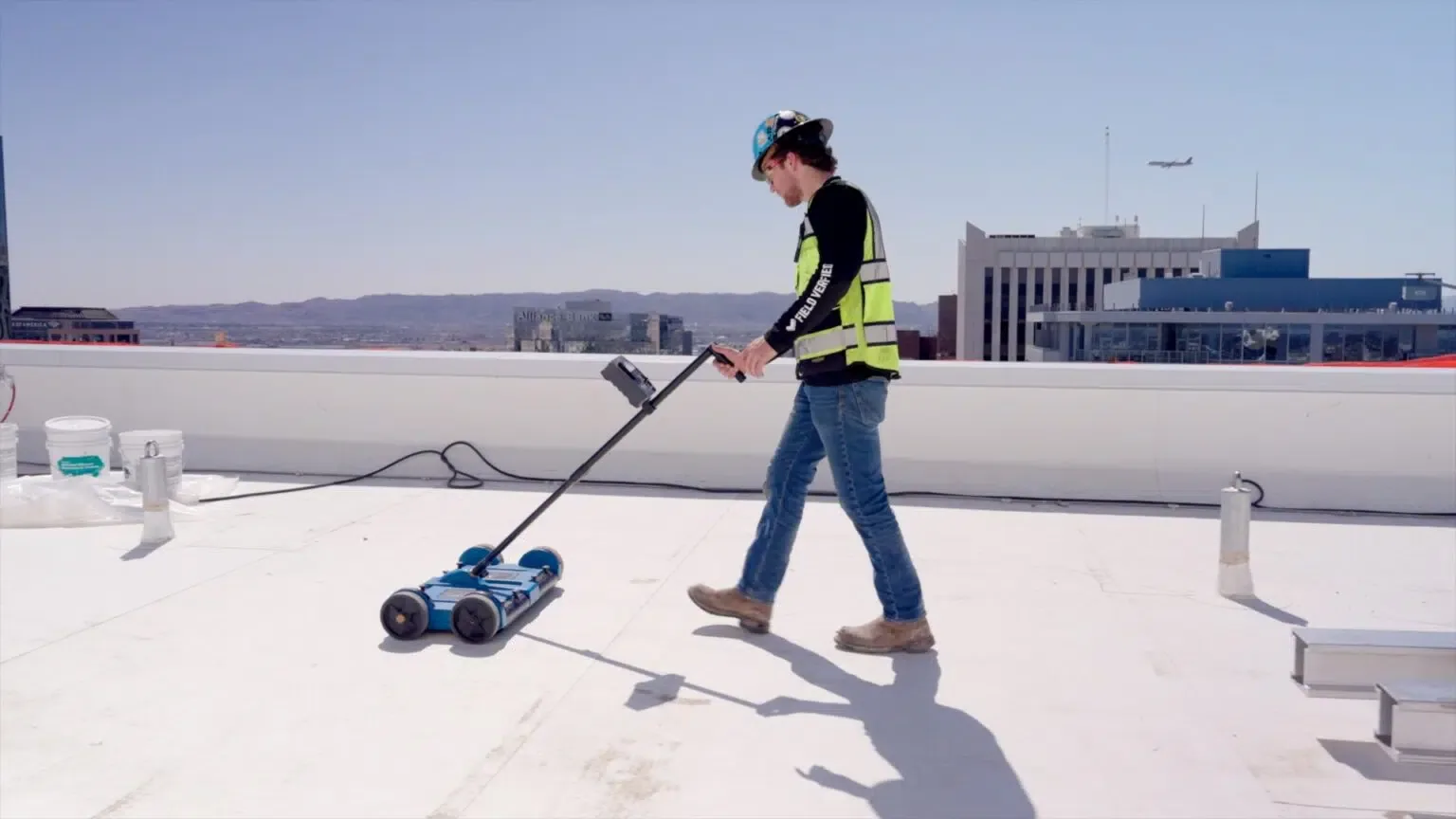
Suspect wet construction needs confirmation. Infrared examination may help direct checks where the roof and conditions support it. A physical opening can show which layer is affected at that location. We compare those findings with the wider observation. Removal should follow the examined assembly, not an automatic assumption that every raised cap-sheet area contains the same damage.
Supporting insulation and deck condition matter during reconstruction. We reinstate appropriate layer thickness and support where removal is needed. A new top-sheet repair must connect with suitable surrounding construction. If underlying damage is extensive, retaining the assembly may become less useful than another option. The proposal should make that comparison through findings rather than a broad age label.
Multi-layer transitions at walls and curbs
A wall transition connects the horizontal field to vertical flashing and its termination. We examine reinforcement, attachment and the lap into the roof. A crack at the base may have a movement or construction cause requiring detail rebuilding. Penetration flashing reconstruction needs a compatible connection through the full transition rather than another outer layer over loose material.
Metal at a curb or perimeter can move differently from reinforced sheet roofing. Merced heat makes a strained connection worth checking, but visible condition establishes the scope. We identify whether the repair can accommodate the intended movement. The detail needs suitable support and termination. Added material thickness by itself does not resolve an unsuitable arrangement at the corner.
Outlets require the same assembly-level attention. Base and cap layers must connect with an appropriate drain or scupper detail. We review the approach and finished roof level. A new layer should not leave an outlet transition undefined. Drainage work may need coordination where a low area or damaged connection remains outside the visible membrane repair.
Bituminous layers and other roof options
A built-up roof assembly also uses bituminous construction, but its ply arrangement and repair requirements differ from modified sheet roofing. We identify the actual layers rather than classify every asphalt-surfaced roof alike. That distinction affects removal, compatible repairs and the proposed replacement construction.
A thermoplastic sheet replacement presents another assembly choice. Compatibility with retained layers needs review, including any required separator or cover board. We compare the complete construction. The owner should see which materials remain, what comes off and how the selected membrane will connect at existing walls and equipment.
Surface restoration may deserve consideration only where the substrate and details are suitable. Loose layers and wet insulation need their own response first. The coating proposal should identify preparation and compatibility rather than treat the granulated field as automatically ready for another finish. Each option needs an assembly basis.
Removal access and a workable closure
At a property in Downtown Merced, roof removal and material handling need coordination with occupied offices or commercial use. We identify the actual access route and affected interior zone. The daily opening boundary should allow appropriate close-in. Unexpected support repair needs a defined response rather than leave a multilayer opening without suitable protection.
Merced winter rainfall normals exceed those of midsummer. A suitable work window considers current conditions and the chosen application requirements. Cost drivers include preparation, damaged layer extent, detail reconstruction and access. We describe those items so the manager can compare a focused lap repair with a larger assembly change using construction needs instead of surface appearance alone.
Commercial Roofing Questions
Does an APP label mean the sheet must always be torch-applied?
The specific product and assembly govern application. We identify the intended materials and their requirements before selecting the method. A broad modifier label does not replace a suitable installation specification for every layer.
Should every roof blister be cut open immediately?
Its condition and assembly location need assessment first. A repair opening should have a defined examination purpose and compatible closure. We determine the affected layer and suitable removal boundary rather than create an unplanned surface defect.
Can missing granules be treated the same as a separating lap?
Surface wear and an open connection are different findings. We examine the sheet and edge, then identify the required preparation and repair. The work should address the actual condition rather than assign one treatment to every worn area.
Why identify base layers during a cap-sheet repair?
Damage may extend beneath the exposed surface. The repair needs appropriate support and a compatible connection with remaining material. We examine relevant layers and explain any necessary reinstatement before the new sheet closes the area.
Inspection of the modified sheet layers
Request examination of the raised lap, blister or damaged flashing before compatible modified bitumen repair or replacement is selected.
Related Roofing Work