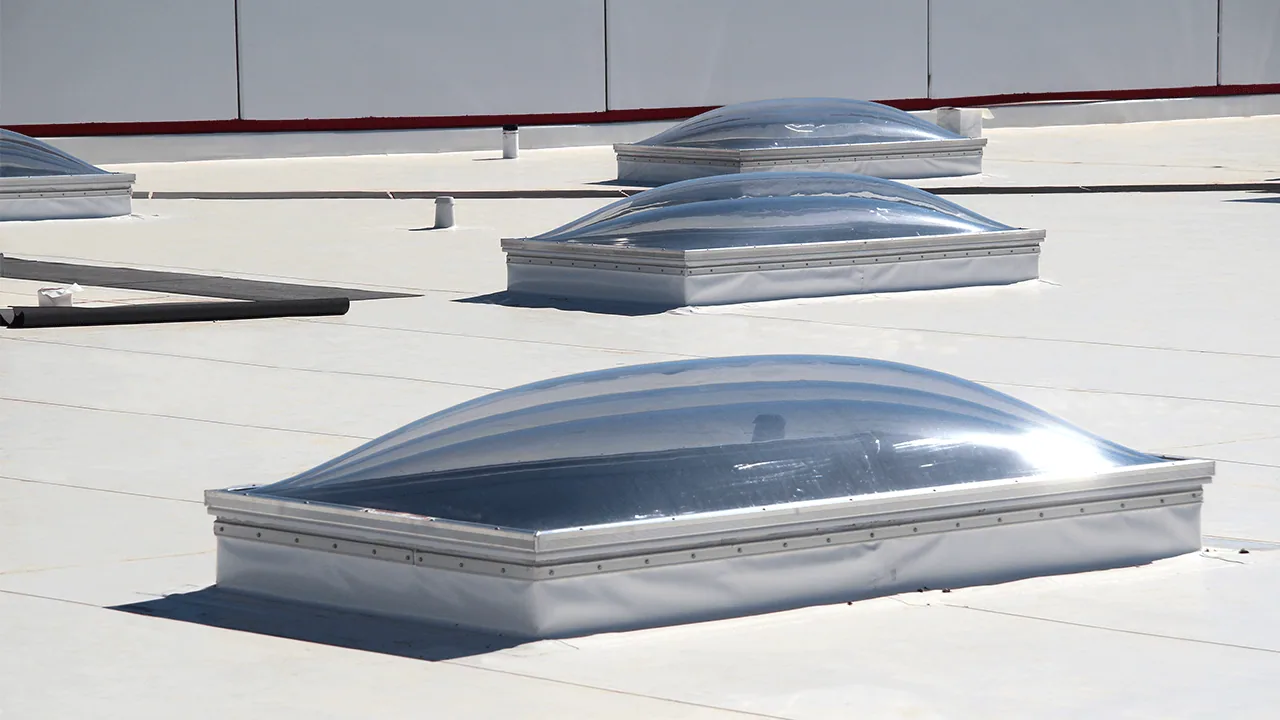
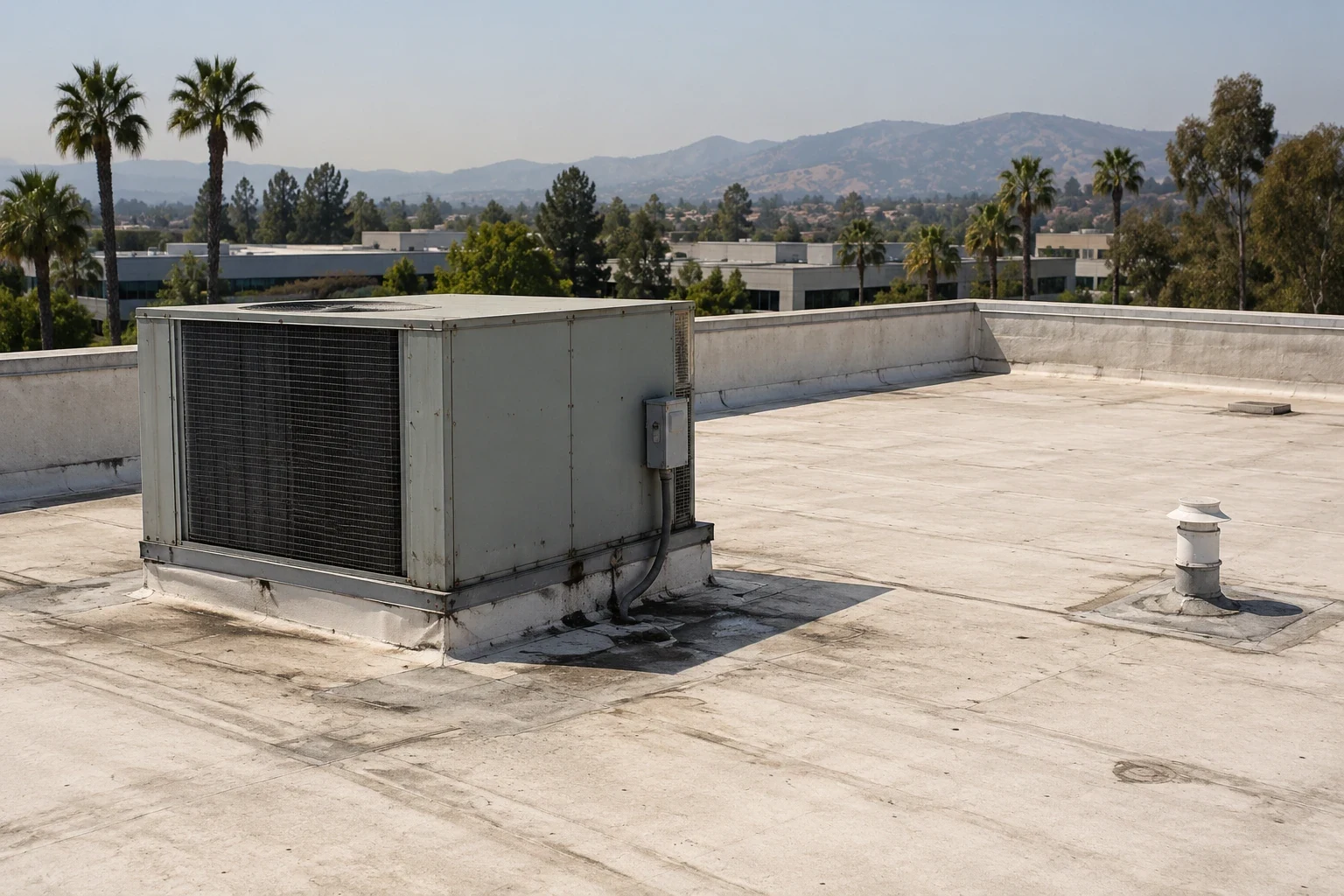
A narrow gap at a termination bar can change the next maintenance decision. During a commercial roof inspection in Merced, CA, we examine that connection along with the field, penetrations and drainage. We identify the visible condition and its likely consequence. A loose connection, a surface mark and a wet layer should not receive the same recommendation merely because they appear in the same roof zone.
Inspection is useful when it answers a building question. That may be a recurring leak, a replacement decision or the condition of details after equipment work. Merced includes industrial parks with Highway 99 access and an established office district downtown. We adapt the examination to the actual roof construction and the occupied use beneath it, then distinguish repair work from further investigation.
Field seams and material transitions
A separating seam needs an examination of its edge and adjacent sheet condition. We inspect accessible connections with methods appropriate to the membrane. Dirt, old repairs and coatings can complicate that work. We identify where a detail could be examined directly and where removal or cleaning is needed first. The finding should describe the observed condition rather than assign a broad failure label to the entire roof.
At a penetration, we follow the connection from the roof field to the vertical surface. Corners, terminations and the base of a curb can fail differently. We examine visible attachment and material distress at each accessible detail. Flashing reconstruction may be indicated by an open transition. A sound-looking outer seal alone does not describe the concealed connection beneath it.
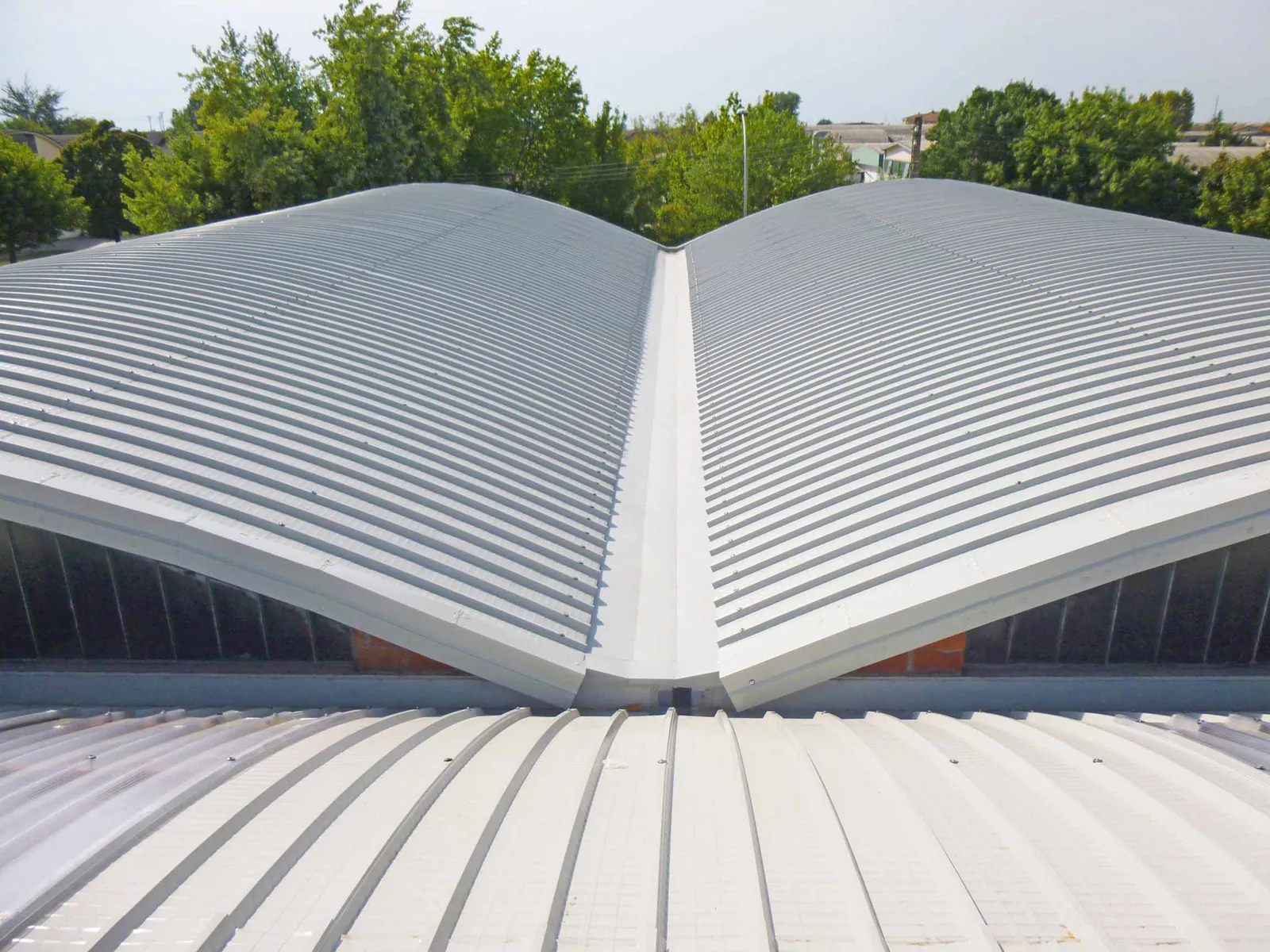
Metal components add panel joints, exposed fasteners and closures to the inspection. Movement can affect these details during Merced summer heat. We look for loose attachment, damaged finishes and separation at material changes. A local climate concern directs attention to a detail; the detail itself establishes the condition. We avoid making a repair recommendation from temperature or building type alone.
Outlets and the water path
A ring of sediment around a low area shows where water has remained. We compare that mark with nearby drains, scuppers and the roof slope. Debris at an outlet may need immediate removal. A depression that persists after clearing can need a different correction. We identify whether the visible concern involves obstruction, detail elevation or a broader roof-shape question.
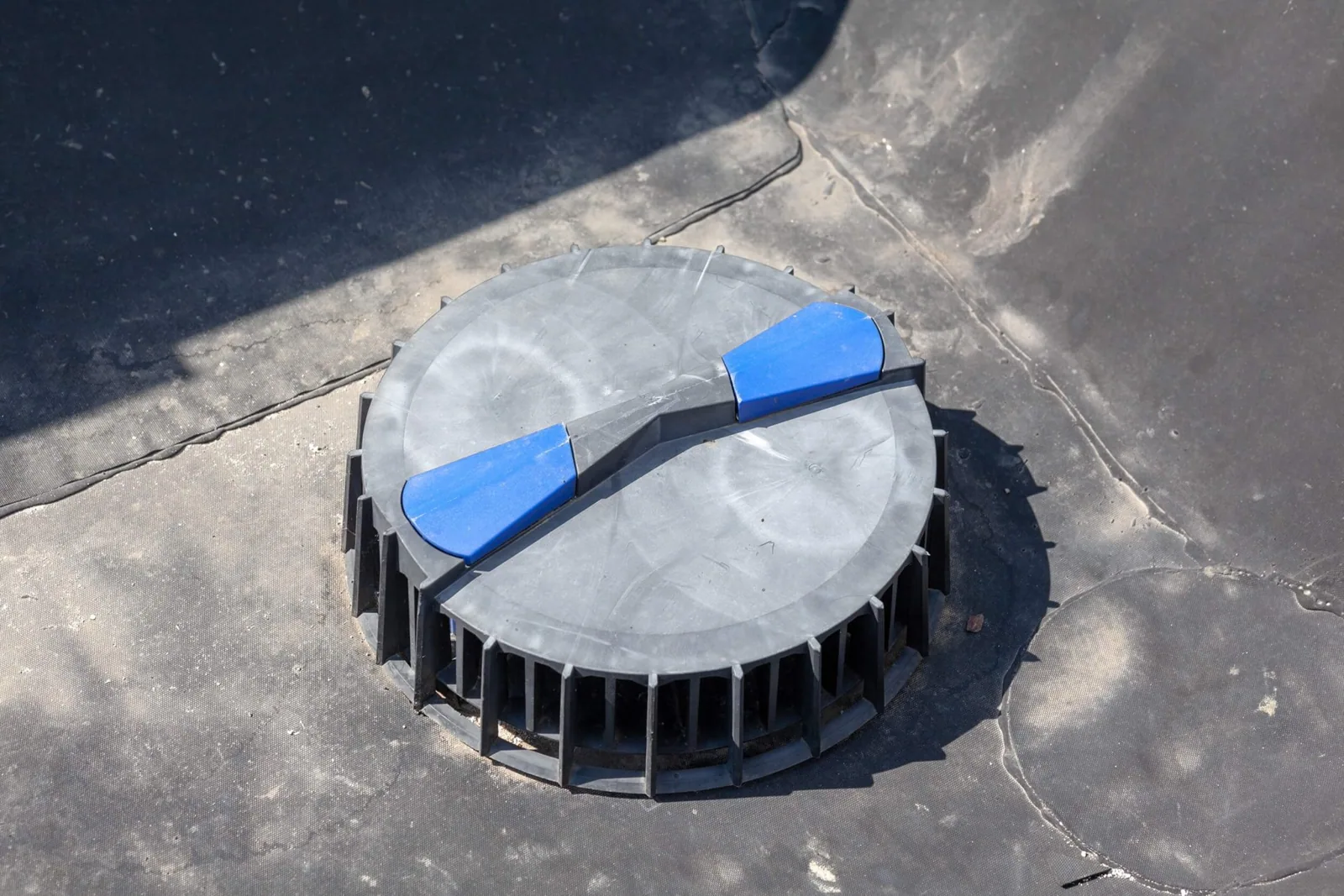
The inspection includes accessible outlet connections, not only the opening where water disappears. Drain flashing and surrounding membrane condition matter. We also identify overflow provisions where accessible and relevant. Drain and scupper repairs need to suit the roof layout and discharge arrangement. A clear grate does not correct a broken connection or an inadequate approach into the drain.
Merced has substantially wetter winter normals than summer rainfall normals. A dry-weather inspection can still identify outlet debris and water marks before another wet period. We photograph the condition and explain the useful response. Where roof deflection or drain sizing needs separate technical evaluation, we identify that need rather than treating routine maintenance as the answer to every ponded area.
Questions beneath the membrane
A firm surface does not reveal every layer below it. We discuss further examination when moisture, deterioration or unknown construction affects the decision. Selected test openings can identify insulation type, thickness and visible condition. Their location and closure need planning. The manager should understand what the opening will answer and what part of the roof remains outside that sample.
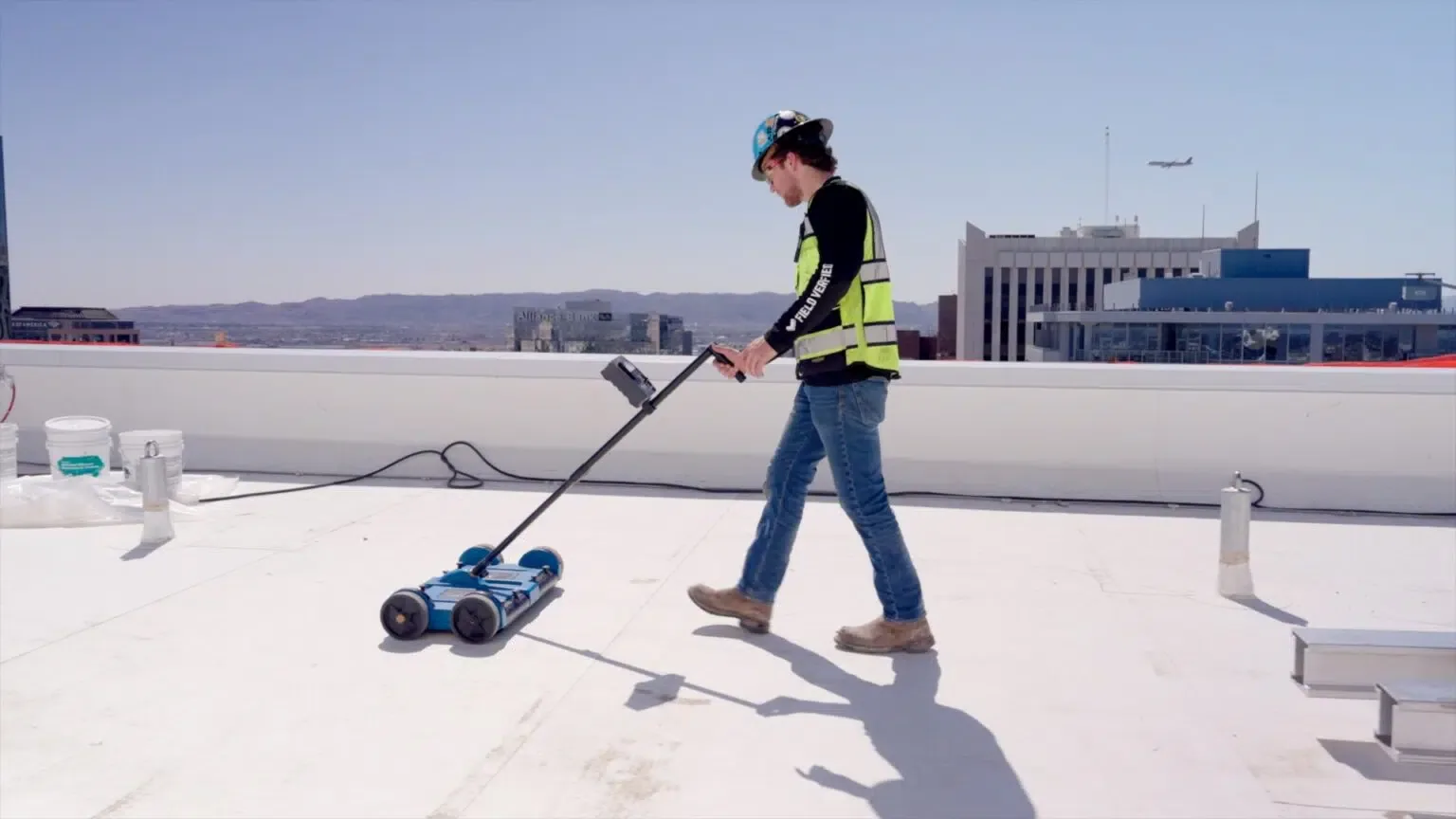
An infrared survey provides a different kind of evidence. Suitable thermal conditions may reveal patterns that help select confirmation points. The pattern needs interpretation against the roof assembly and physical checks. We use that information to refine moisture investigation, not to turn every color difference into a removal quantity.
For a recover decision, the retained layers deserve particular scrutiny. The proposed new assembly relies on their suitability. We identify the visible and tested construction, its attachment questions and any damaged material needing removal. A manager considering replacement may need a different depth of investigation. The inspection scope follows the decision it is intended to support.
Equipment routes and operating space
A worn path between the roof access point and equipment can identify a recurring damage exposure. We examine traffic areas, walking protection and details near service locations. A puncture beside an equipment panel may need repair and a change to access protection. The recommendation should address that use without assuming that all roof wear has the same origin.
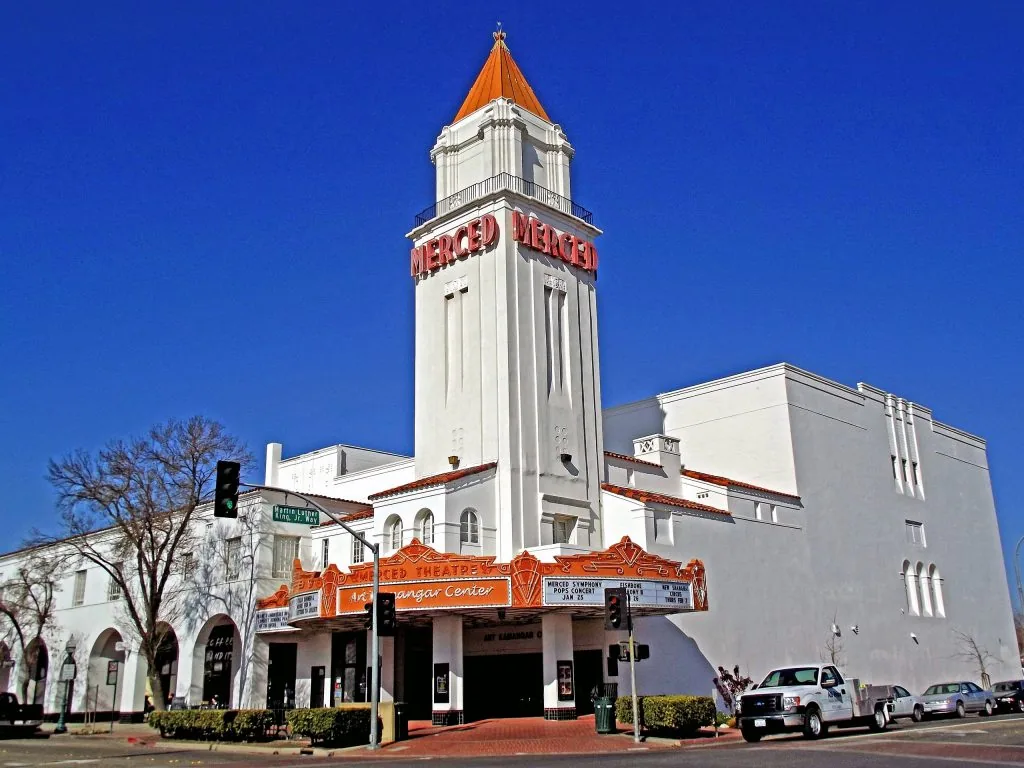
For an office roof, equipment serving occupied suites can restrict examination or testing. We coordinate with the building team before disturbing a component or accessing a sensitive area. Downtown Merced has finance, professional office and government activity. The inspection needs a practical route through that occupied setting, with roof access separated from public use where required.
For industrial property near Highway 99, we ask about the specific operation below the inspection zone. Storage, manufacturing and distribution can need different interior arrangements if test openings are proposed. We identify those openings in advance. Roof work across Merced still requires building-level planning; a proposed opening above stored goods needs a different protection arrangement from an accessible detail above unused space. We identify those affected zones before setting the examination method.
Repair priorities and examination limits
An inspection finding should connect an observed condition with a useful action. An open seam may need repair. A worn but intact surface may need monitoring. An unexplained soft area may need a test opening before a construction choice. We separate those responses so the manager can authorize the work that is ready and recognize the questions that remain unresolved.
Photographs include enough surrounding detail to locate the finding. Roof zones and component descriptions help the building team direct follow-up. We identify areas that were inaccessible and why their condition matters to the pending decision. A report with a clear limit is useful when it also identifies the next examination needed. It should not leave the manager with an unexplained gap.
Cost and timing follow the work identified. Safe access, necessary openings and the extent of detail repair can affect the next scope. We distinguish current defects from a future replacement discussion. The completed inspection gives the manager a set of roof-specific choices: repair a connection, investigate a layer, clear an outlet or evaluate a broader assembly change.
Commercial Roofing Questions
Can an inspection determine whether insulation is wet without openings?
Surface observations can raise that concern. Thermal examination may help locate suspect areas under suitable conditions. Physical confirmation is needed where the result will establish removal or retention of concealed material. We propose checks that answer the specific assembly question.
Should a roof inspection include every equipment component?
Roofing examination focuses on connections affecting the roof assembly. Mechanical equipment may need a separate trade review. We identify visible conditions at curbs and penetrations and explain where equipment access or operation limits the roof inspection.
What makes a finding urgent rather than routine maintenance?
An active opening or unstable component can create immediate exposure. We describe that condition and the affected building use. Surface wear with intact connections may call for a different response. Priority follows the observed consequence rather than a uniform defect label.
Can the same visit support an overlay decision?
Only if the examination includes the retained assembly questions that decision requires. Layer condition, attachment and detail height need attention. We define that additional work before treating a visual maintenance inspection as a recover assessment. Selected openings and measurements may be necessary even where the exposed field appears intact during the initial walk.
Inspection of the roof decision points
Request an inspection focused on the seams, drainage or concealed-layer question affecting your next repair or replacement decision.
Related Roofing Work