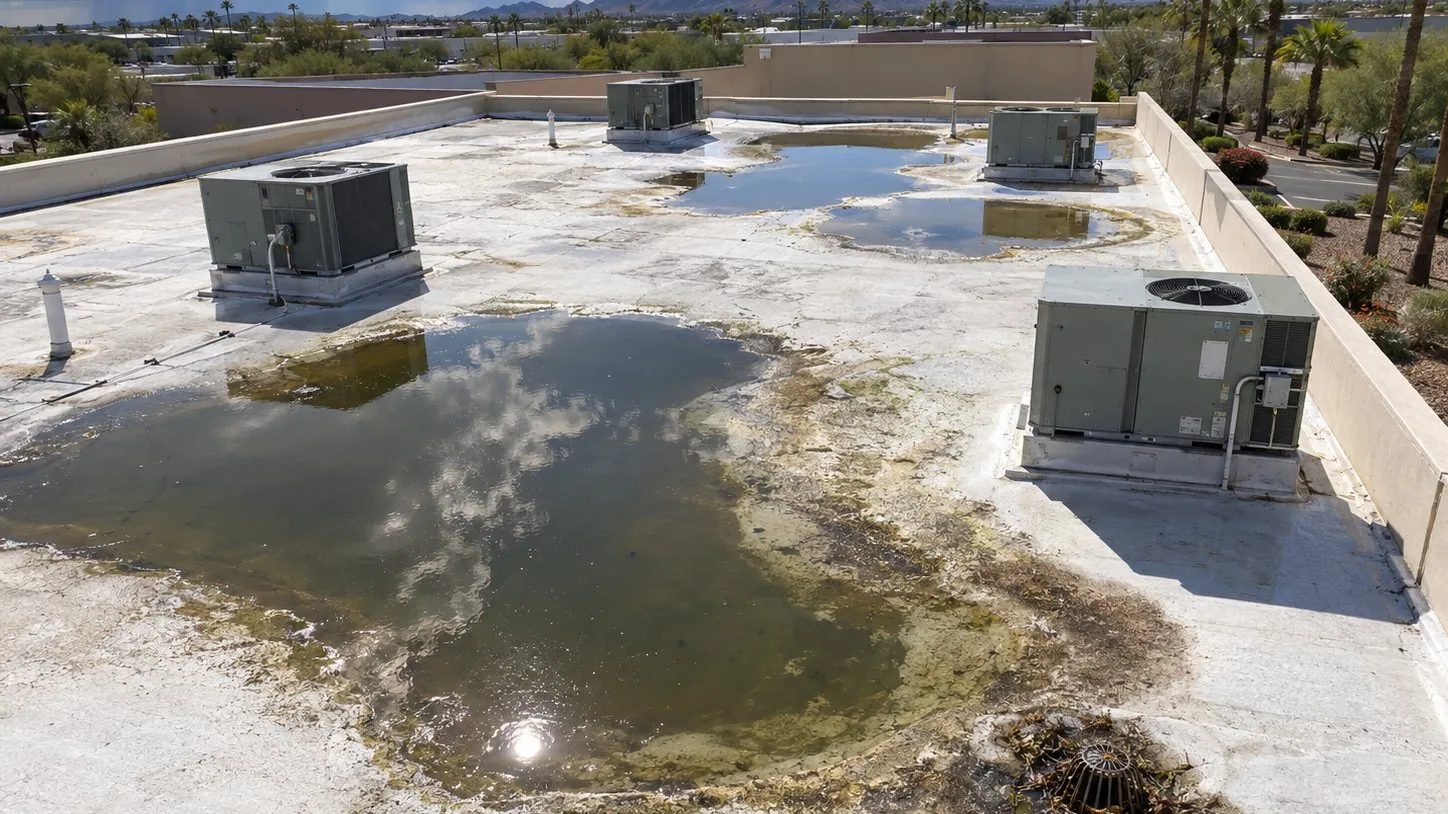
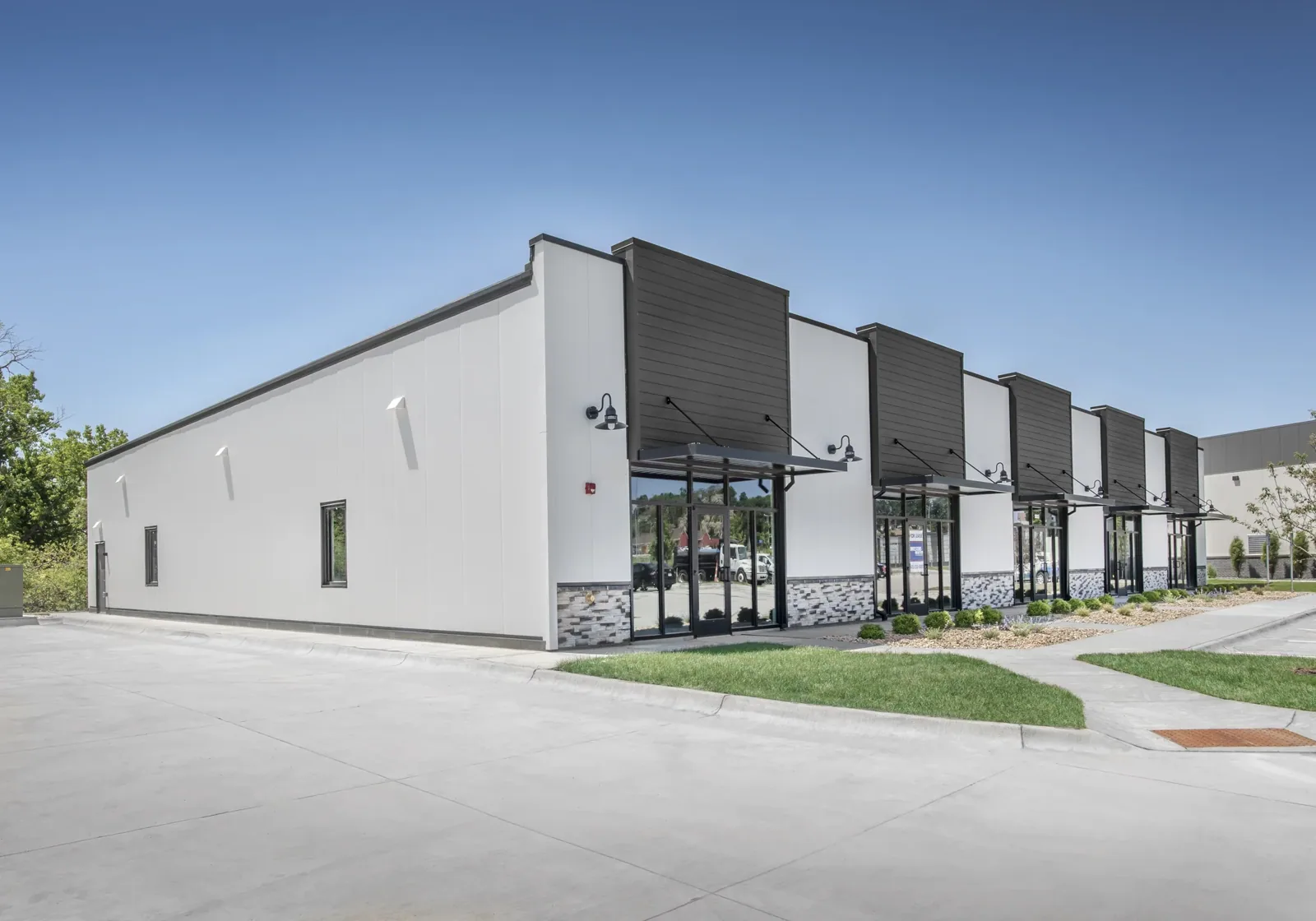
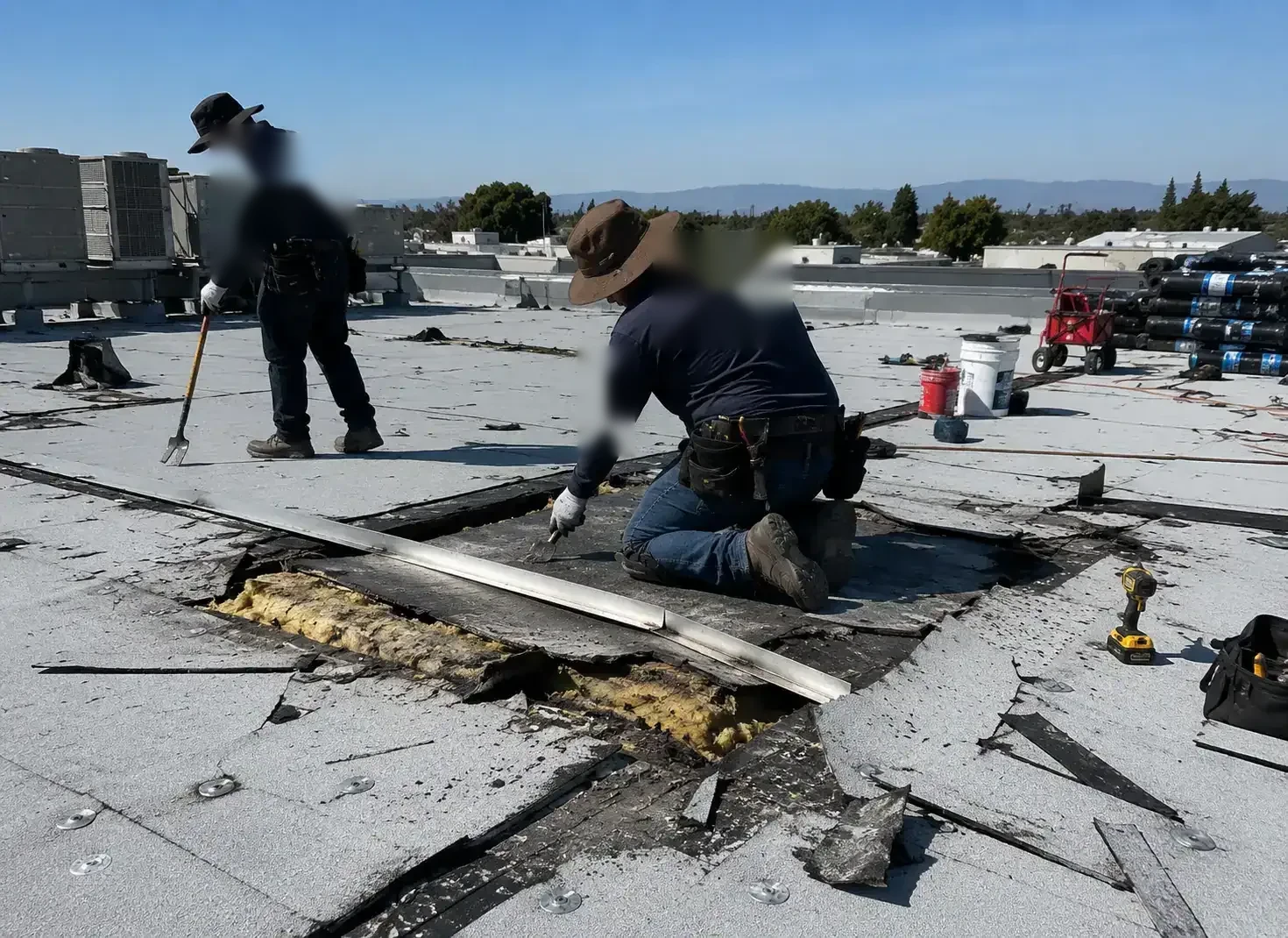
Sediment stopping short of a drain bowl can reveal a low approach that needs examination. On a commercial roof in Merced, CA, we compare that mark with the outlet elevation and surrounding insulation. Clearing the drain may be necessary. It may not correct the geometry that leaves water nearby. We identify the obstruction, connection and slope questions separately before proposing drainage work.
Merced winter rainfall normals are greater than its midsummer normals. A drainage detail deserves attention before renewed rain exposure, even when the inspection surface is dry. Downtown Merced contains occupied office and restaurant uses. The industrial areas served by Highway 99 include distribution activity. We assess the roof water path with the manager's actual interior use and operating restrictions in mind.
The drain bowl and its membrane connection
A drain connection has several parts that must work together. We examine the accessible bowl, membrane connection and surrounding sump. A damaged clamping component or deteriorated flashing can admit water while the outlet itself remains clear. The inspection distinguishes those conditions. A repair needs to restore the connection required by the assembly, not merely remove visible debris from the opening.
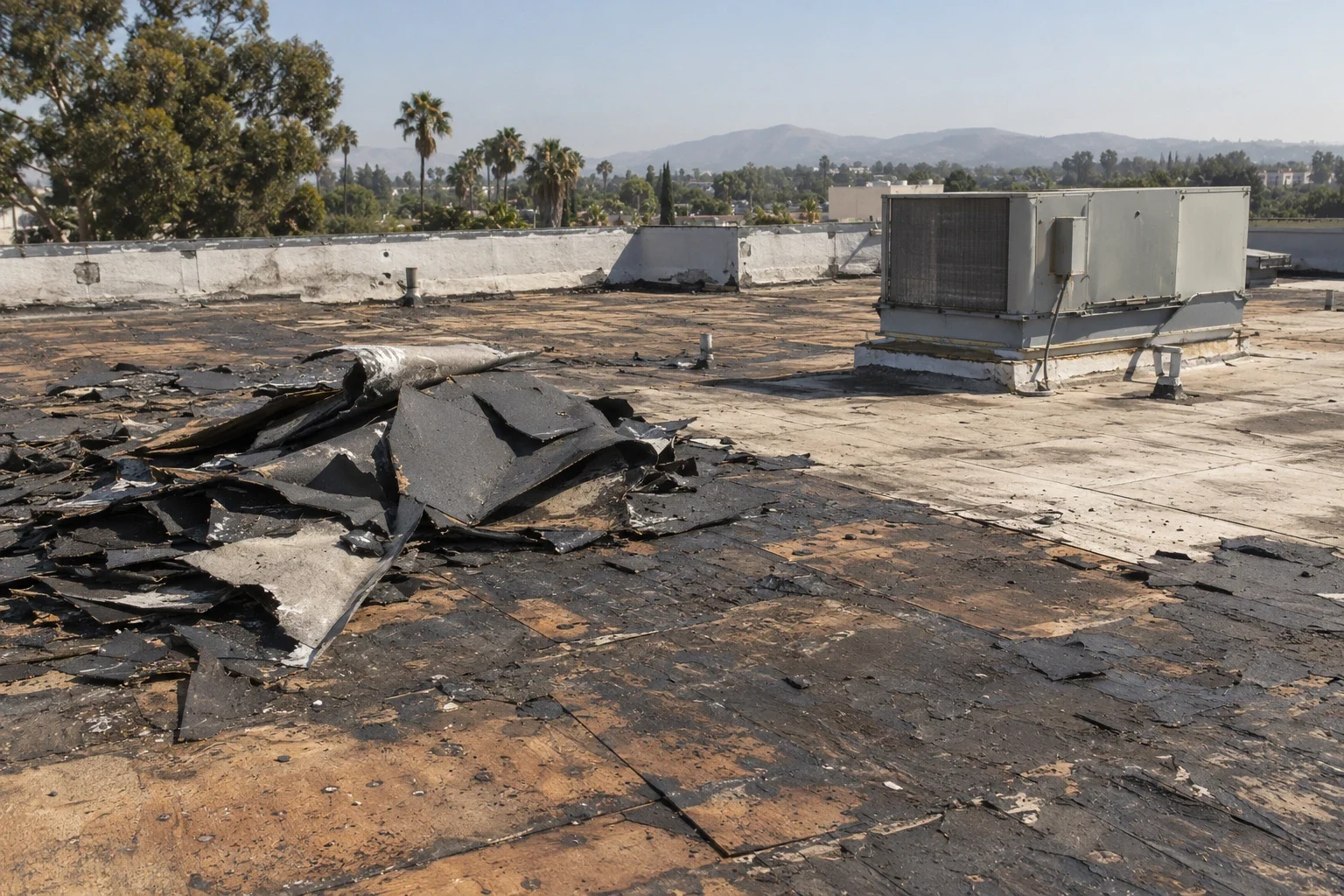
The membrane should approach the drain without an unsuitable fold or unsupported transition. We examine how the roof layers finish at the bowl and where the sheet is connected. A replacement membrane or added insulation can change that arrangement. Roof replacement work needs a coordinated drain detail so the new field flows into a suitable sump and clamping interface.
Water that remains beyond the sump may indicate another low area. We compare the surrounding elevations before choosing a correction. Some conditions can be addressed through the insulation layout. Others need structural or drainage design review. We identify the question requiring that review rather than propose a standard drain patch for every water mark near an outlet.
Scupper openings through the perimeter
A scupper carries water through the roof perimeter and needs a complete connection with the membrane or flashing. We examine the opening, surrounding detail and discharge arrangement. Loose metal, separated flashing and accumulated debris can affect that route. A clear hole through the wall is not enough if water can pass behind its connection and enter the building.
Scupper elevation matters to the approach from the roof. We examine whether water reaches the opening and whether the surrounding construction has a suitable slope. A low area separated from the scupper by a high strip can retain water. Correction may require more than work at the opening itself. The scope identifies the affected roof geometry and the detail that will connect with the revised surface.
Where overflow provisions are part of the roof design, they need a distinct examination. We identify accessible overflow outlets and discuss any design questions with the appropriate professional. We size the scupper and overflow opening from the drainage design, tributary area, slope, and discharge path. Merced's winter rainfall pattern makes clear outlets and a functioning overflow route important before the wet season.
Insulation slope and cricket placement
An equipment curb can interrupt the roof water path. A properly designed cricket may divert water around that obstruction. We examine the available elevations and the area where the cricket would discharge. Adding a raised form without reviewing its outlet path can redirect water into another low spot. The correction needs to connect with the broader roof slope.
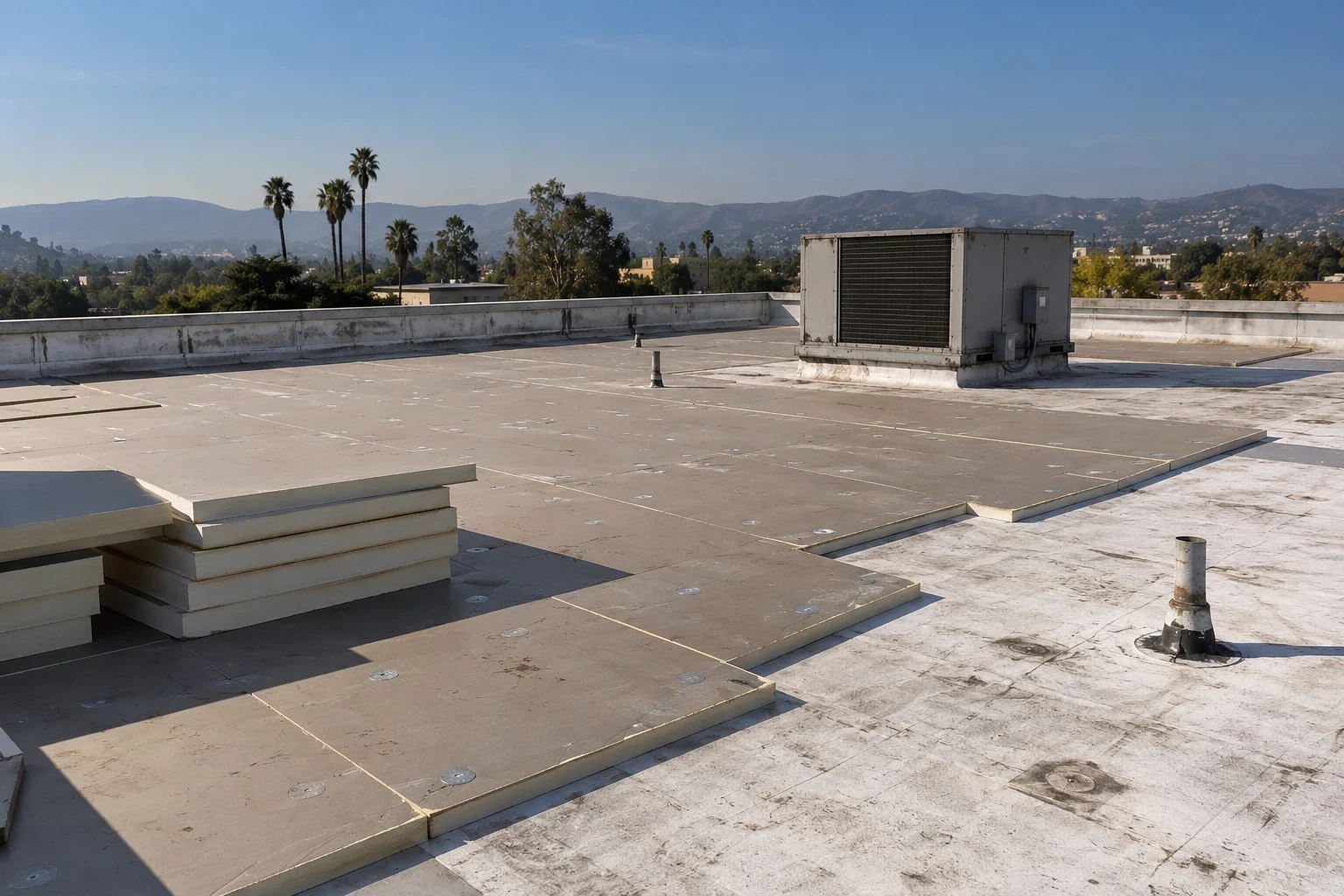
Tapered insulation work can form part of the drainage remedy when it suits the assembly. Its thickness changes field levels and surrounding detail heights. We compare those changes with curbs, wall flashing and edge terminations before installation. The manager should know which adjacent details need modification rather than discover them after the new slope is in place.
Deck deflection can also influence ponding. A membrane treatment does not change that supporting geometry. Where structural condition is involved, we identify the need for appropriate evaluation. Ponding correction should match the observed mechanism. A surface coating, a cleared outlet and a redesigned slope address different conditions and should not be treated as equivalent repairs.
Discharge beyond the roof surface
A functioning outlet needs a suitable downstream route. We examine accessible discharge components and identify where another trade needs to assess concealed piping. Blockage or damage beyond the roof connection can affect drainage even when the membrane detail is sound. The manager needs to distinguish roof repair from a plumbing or other drainage-system issue before authorizing only one part of the work.
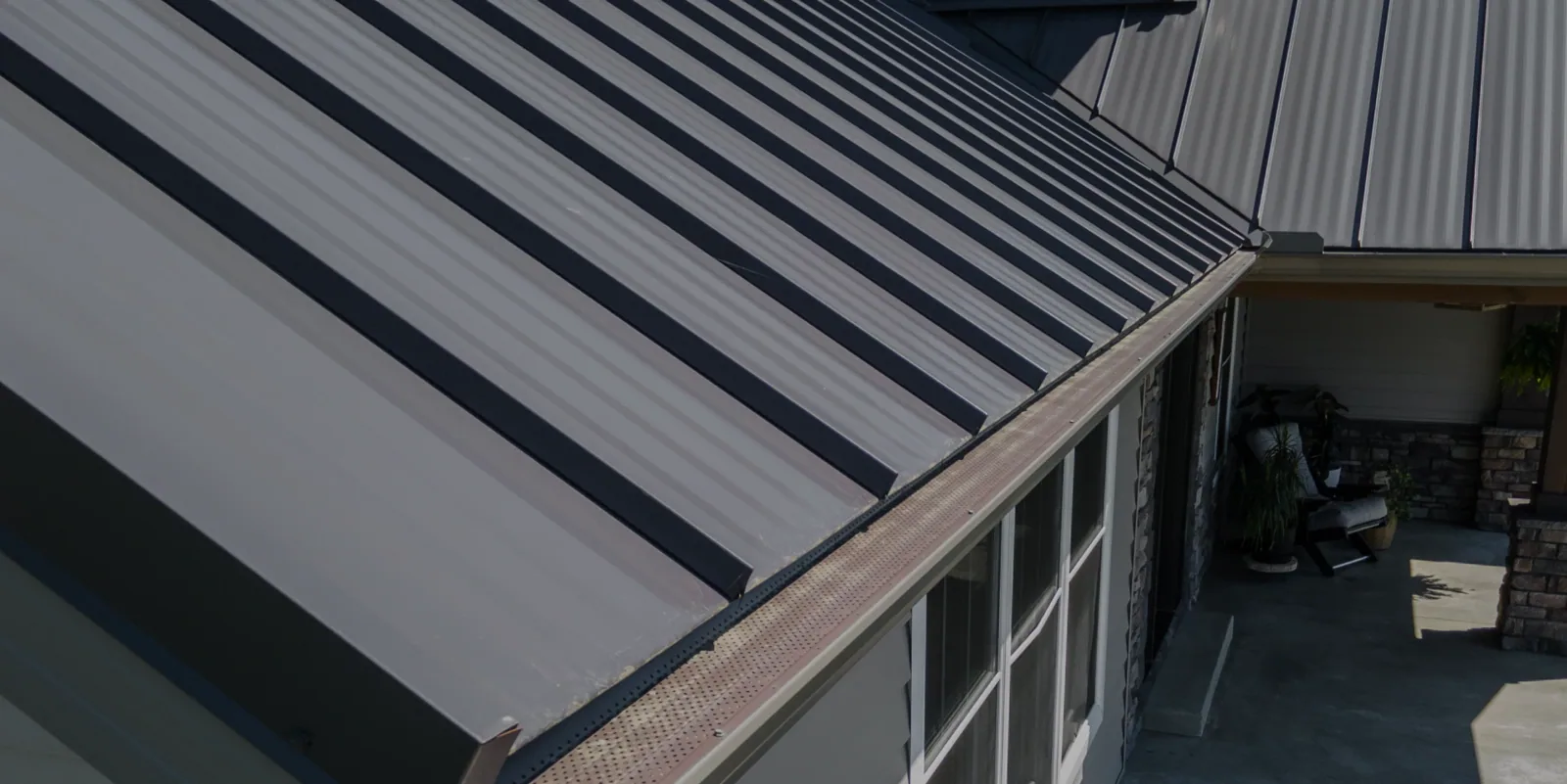
External leaders and gutters also need examination where they receive roof water. Detached components, damaged joints or debris can interfere with discharge. Gutter and downspout repair may be part of the coordinated scope. We identify the connected components rather than treat water leaving the membrane as the end of the drainage assessment.
For a warehouse property, discharge work can overlap with loading and access areas. We ask the building team about active routes and arrange suitable separation. Merced industrial parks have Highway 99 access, but the property's actual discharge location determines the work arrangement. Safe ground access and the roof connection both need attention.
Condition-based clearing and repair
A maintenance task should identify which debris can be removed safely and which component needs reconstruction. We inspect accessible connections during clearing and describe unresolved defects. Preventive roof maintenance can keep outlets under recurring observation. It should also identify when repeated blockage or persistent ponding needs a different construction response.
At a property in Downtown Merced, a drainage repair may sit above an occupied business with limited access. We define any removal and closure sequence before opening the detail. Water testing, where appropriate, needs coordination with interior protection. The work should assess the connection without creating unnecessary exposure for the space below.
The proposal separates clearing, connection repair, slope correction and downstream review. Each item has a different cost basis. Access, damaged layers and modifications to adjoining details can change timing. After repair, we examine the finished water path and identify maintenance needs. A workable drainage decision concerns the entire route through the affected detail, not just a newly cleaned outlet opening.
Merced summer heat also affects exposed metal at scupper and perimeter transitions. We inspect attachment and connection condition before choosing the permanent repair. The detail must suit its adjoining materials while preserving the opening and intended discharge. That requirement remains relevant during dry periods, when a separating connection may be visible before water tests it again.
Commercial Roofing Questions
Why does water remain after a drain basket is cleared?
The roof may have another low area or an unsuitable outlet approach. Downstream restrictions are also possible. We examine the water path and accessible connections, then distinguish debris removal from geometry correction or further drainage-system review.
Can tapered insulation be added without changing nearby flashing?
Its finished height needs comparison with the surrounding details. Curbs and terminations may need modification. We identify those changes before installation so the improved slope connects with suitable flashing rather than reducing the usable detail height unexpectedly.
Does a scupper need repair if its opening is unobstructed?
The perimeter connection may still be damaged. We examine the metal or flashing around the opening and its attachment. Water must pass through the intended route without entering behind a separating detail.
Can local annual rainfall establish drain capacity?
Capacity requires the appropriate project design basis. Annual normals describe seasonality, not the full drainage design requirement. We identify capacity or overflow questions that need technical review and separate them from visible connection repairs.
Examination of the outlet water path
Request inspection of the drain bowl, scupper connection or low approach that is preventing suitable roof drainage.
Related Roofing Work