Exposed reinforcement at a PVC cut needs examination of the adjoining sheet before patching. For PVC roofing in Merced, CA, we identify the membrane and determine whether its surface can receive a suitable repair weld. The cut may be bounded. Nearby material may also be stiff, contaminated or affected by earlier work. Those findings establish the usable patch area.
PVC is a thermoplastic roof membrane with material-specific connection and compatibility requirements. Food processing and manufacture of building products are established commercial activities in Atwater. Livingston has packaged-food and poultry-processing activity. Above an operating building, we ask about actual rooftop exhaust, equipment service and interior protection needs. An exhaust outlet with visible residue needs its discharge identified before compatibility is reviewed. A service route with damaged sheet needs suitable repair and traffic protection before the next equipment visit.
Membrane identity and repair suitability
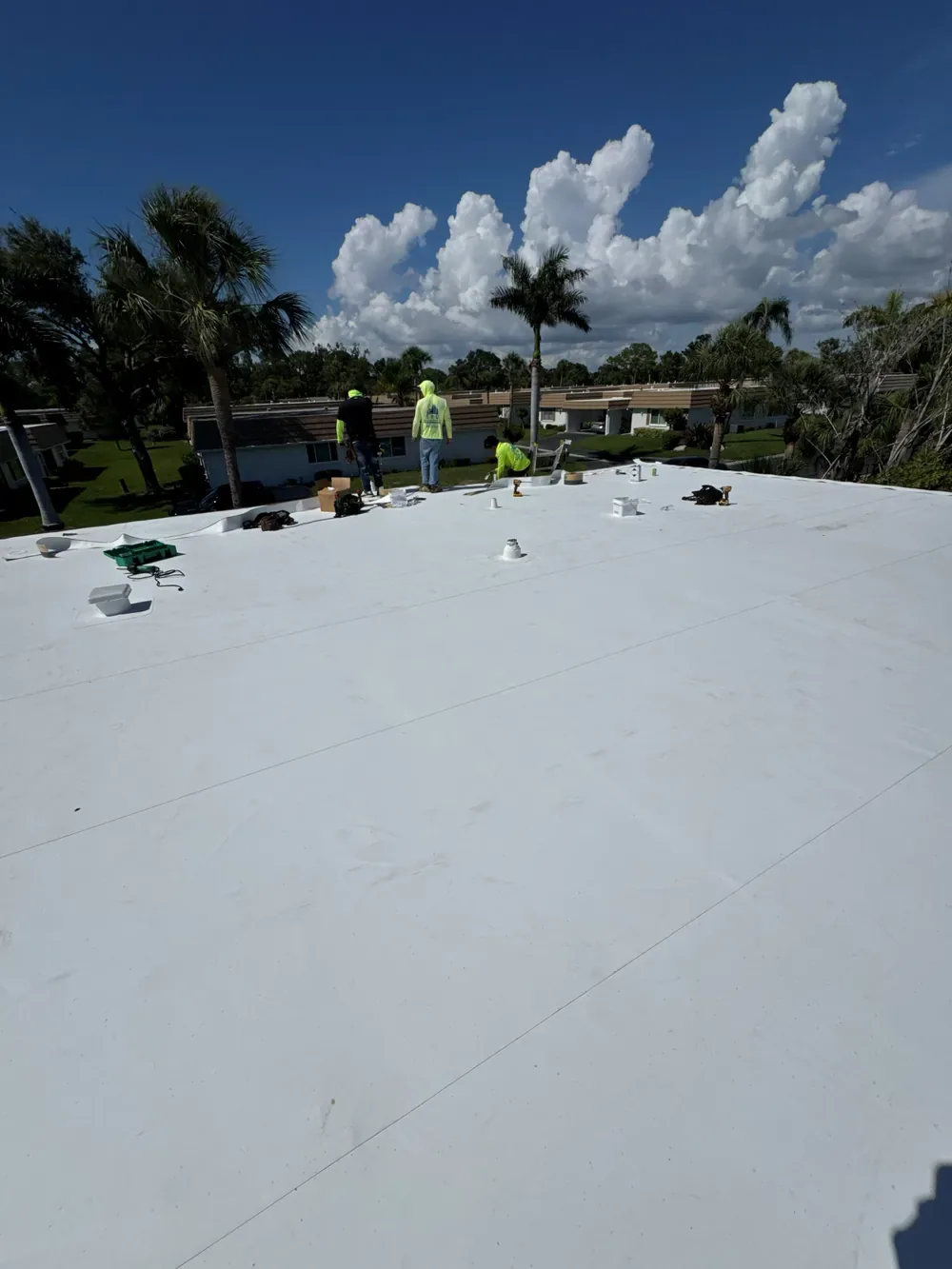
A white sheet does not identify its material. PVC, TPO and some coated surfaces can resemble one another from a distance. We examine available construction information and accessible details before selecting a repair material. A patch from another membrane family may not form the intended connection. Material identity should be settled before the preparation and welding method are specified.
Age and exposure can change the repairability of a PVC surface. We assess condition and use appropriate preparation and test work where needed. A suitable connection depends on more than heating the overlap. Stiff material, accumulated contaminants or incompatible earlier repairs may require removal to reach an appropriate surface. The scope should identify that work rather than assume the entire field remains equally usable.
A KEE or PVC-alloy membrane can introduce additional identification questions. We distinguish the actual system and its requirements. TPO sheet construction remains a separate material choice even where the finished roofs look similar. The manager should receive a proposal based on the membrane examined, not a visual classification made from color.
Exposure at exhaust and service areas
Equipment can change the exposure around a roof detail. We ask what a rooftop outlet discharges and examine visible residue or affected material. Chemical compatibility needs review for the particular product and exposure. A general PVC description does not establish resistance to every substance. Where the operation raises a material question, the project should resolve it before selection or repair.
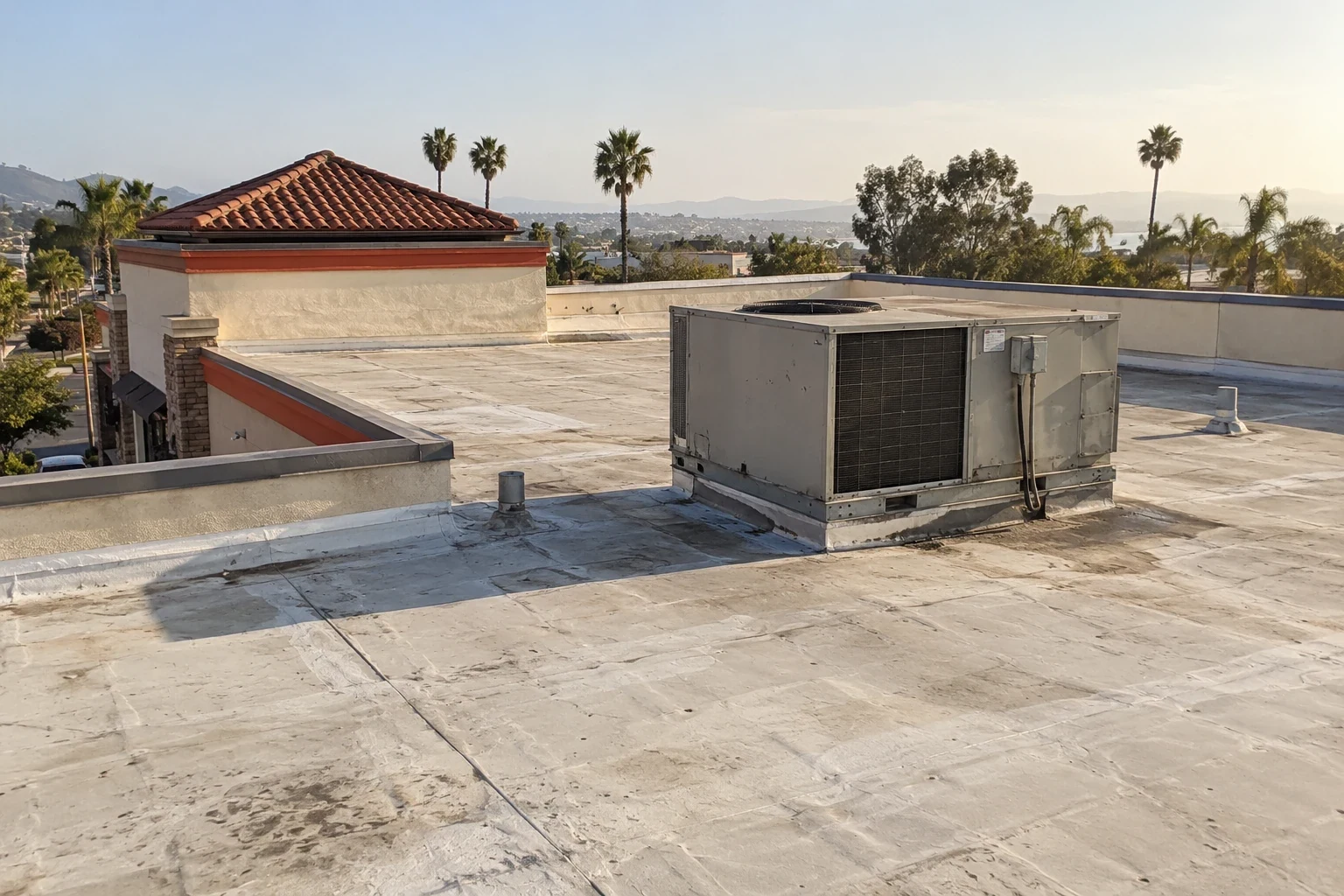
For a restaurant roof, the area near an exhaust system may warrant focused examination. We identify the actual condition and any suitable protection or maintenance response. The repair needs to reach a prepared, compatible surface. Covering residue without addressing preparation can compromise the intended bond even where the surrounding membrane appears serviceable.
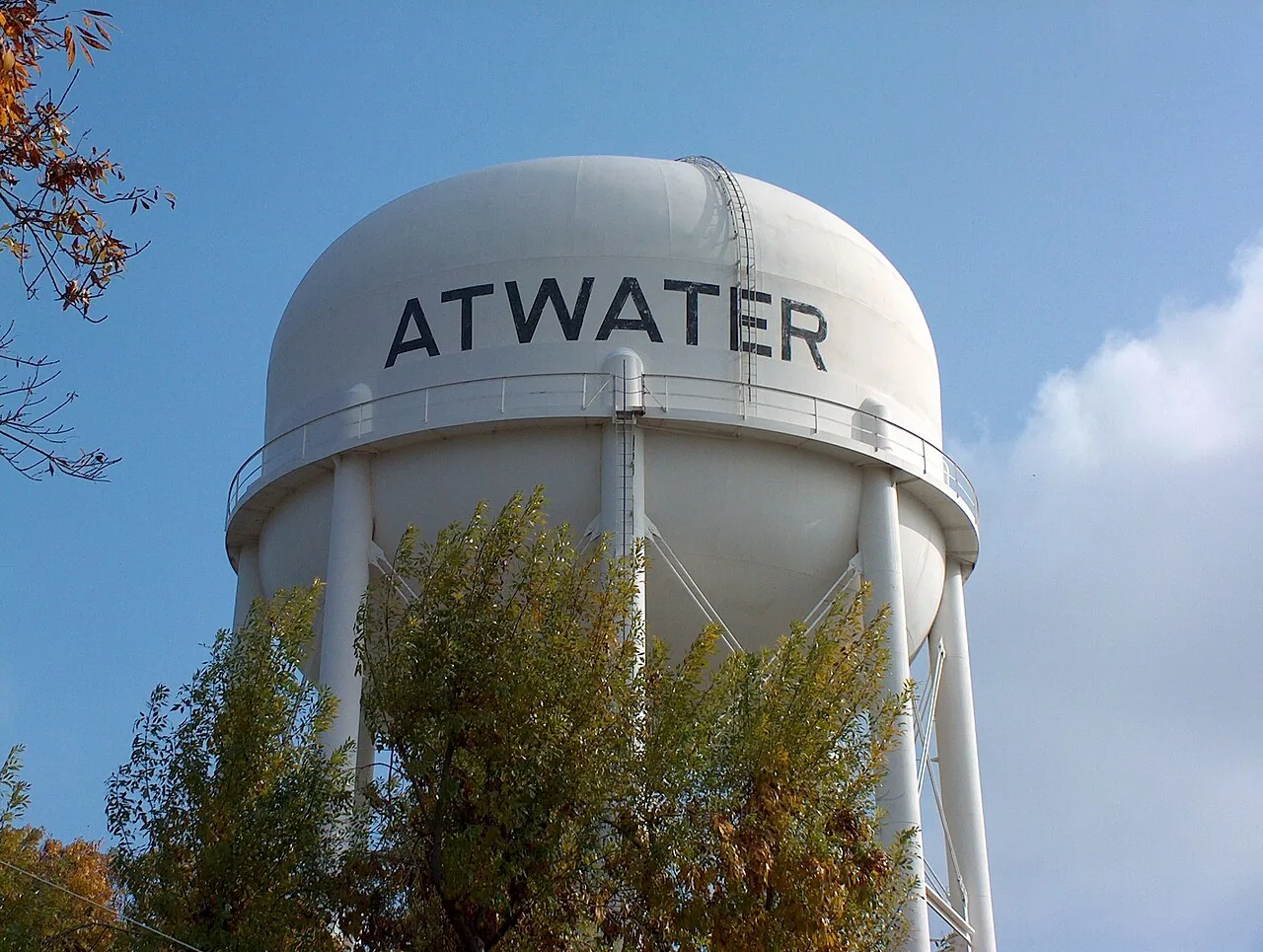
At an Atwater property, processing or manufacturing activity can prompt the same exposure discussion. We do not assume the roof receives chemicals simply because of its use. The building team identifies equipment operation, and the roof examination establishes the observed surface condition. Those two kinds of information guide the material review without substituting one for the other.
Seam preparation and finished welds
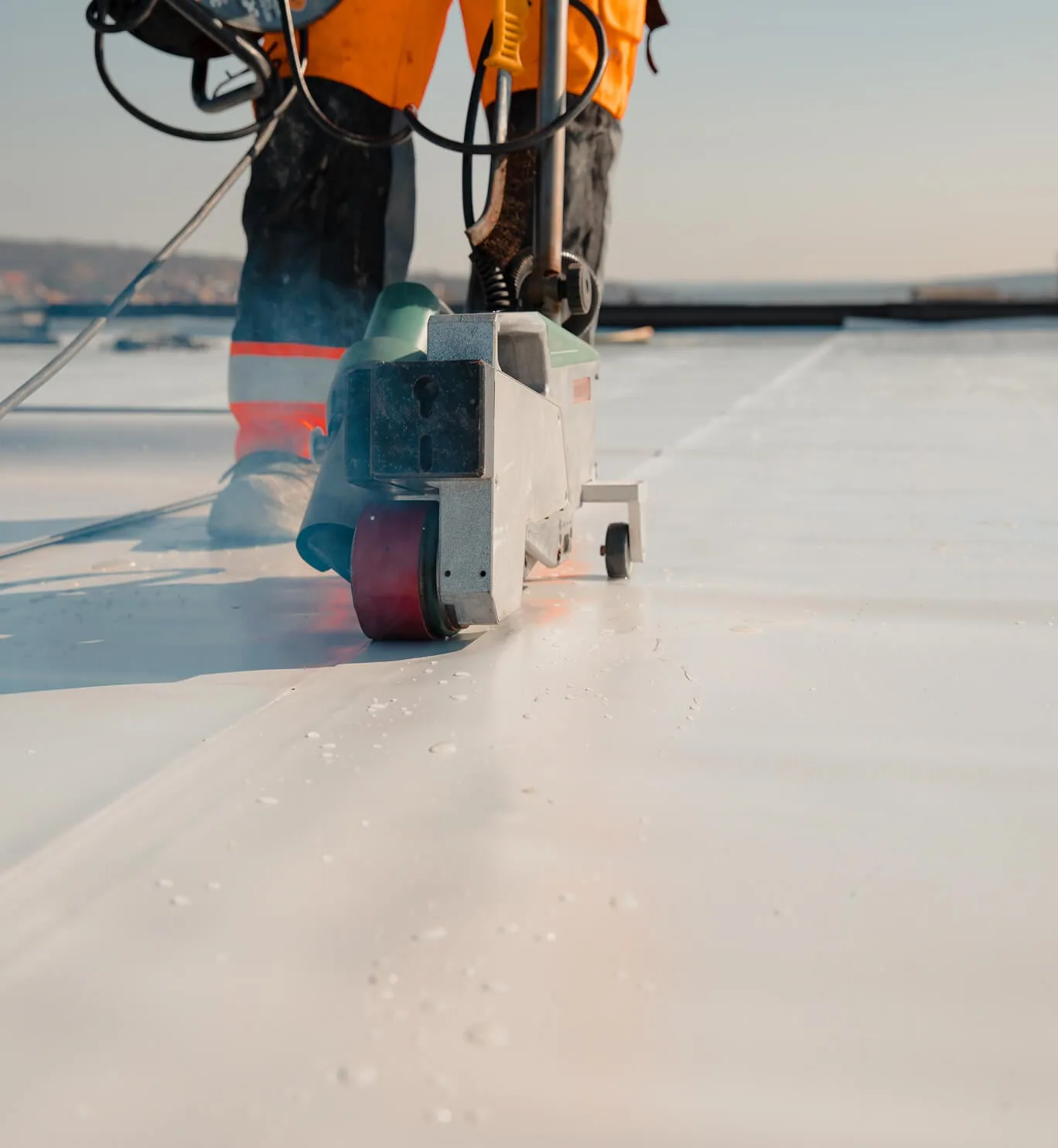
A separating PVC overlap needs cleaning and preparation appropriate to the membrane. We examine the extent, material condition and nearby repairs. A suitable test connection may help establish the repair approach. The finished work needs the specified connection throughout its intended width. We assess the edge and detail rather than rely on a smooth outer appearance as the only indication of completion.
Corners and transitions require their own compatible flashing construction. A patch over a strained corner can leave the stress mechanism in place. Penetration flashing repair may involve removing unsuitable existing material and rebuilding the shape. We identify sound field sheet and an appropriate vertical connection before setting the repair boundary.
Merced summer heat makes transitions between sheet roofing, metal and rigid curbs relevant to examination. We look for separation or restraint at those interfaces. The permanent detail needs to suit movement and attachment. Additional sealant is not a universal substitute for a compatible welded or terminated connection. The observed assembly tells us which part needs reconstruction.
Support layers and assembly attachment
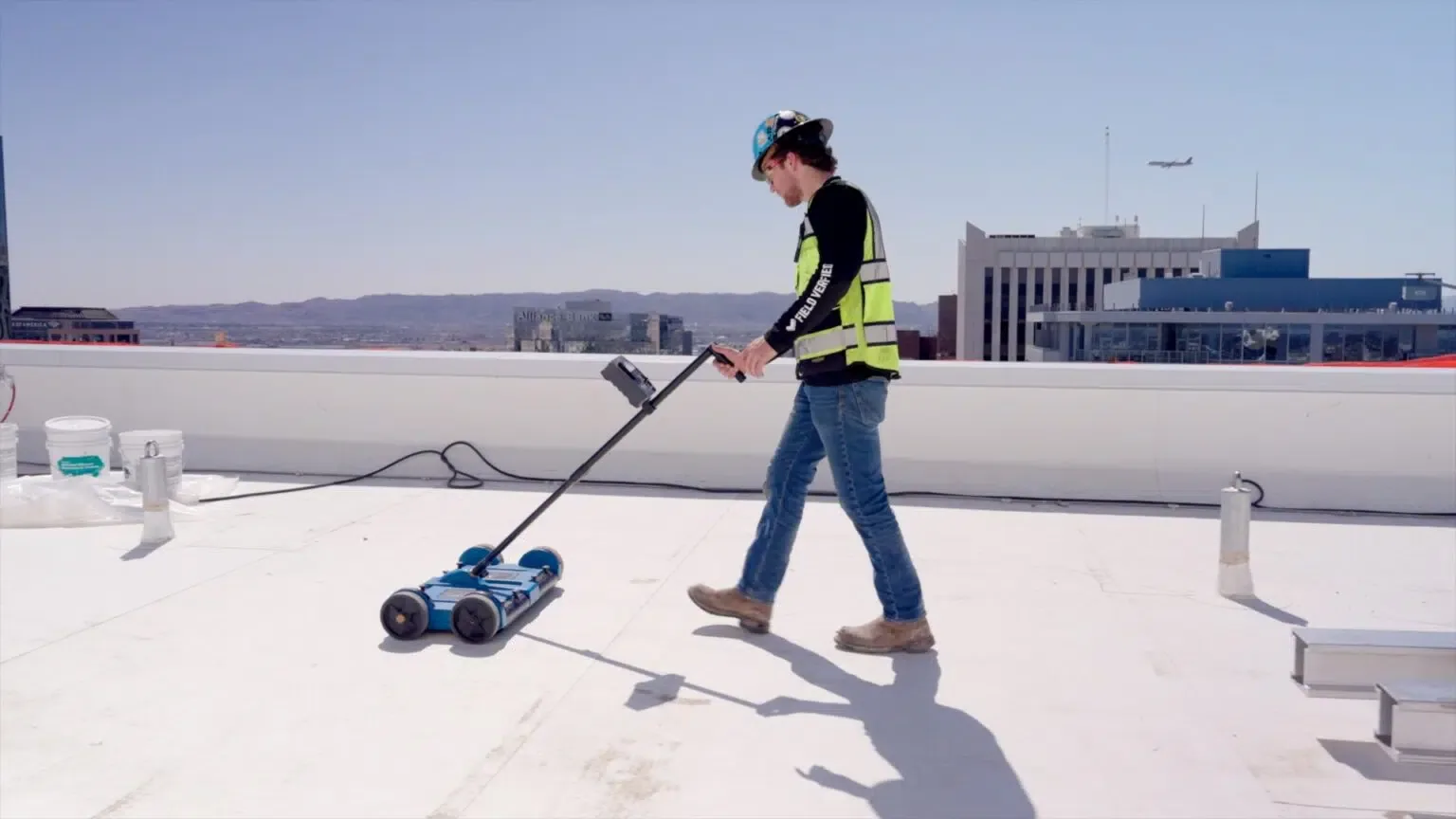
The membrane sits within a layered roof. Its substrate, insulation and attachment influence the field and detail construction. We identify the retained layers before repair that may leave damage concealed. An infrared moisture check can help select suspect areas for physical confirmation where suitable. The removal decision then follows examined material, not only a surface anomaly.
A PVC installation may need a separation or support layer appropriate to the proposed assembly. We review compatibility with existing construction and identify necessary preparation. Direct contact is not suitable in every arrangement. The manager needs the complete layer specification, including how it is attached or bonded, rather than a membrane name without the construction underneath it.
Damaged decking requires its own response before close-in. We identify visible deterioration and coordinate any needed technical review. A recover proposal also needs the retained assembly evaluated. A new PVC surface should not conceal unsuitable support merely because the field can be installed quickly. Layer condition and the intended attachment path remain part of the installation decision.
Repair limits and the new assembly choice
A localized cut in suitable sheet can permit focused PVC repair. Widespread material distress or damaged layers can lead to a broader scope. We describe the usable surrounding construction and explain why the boundary is chosen. The manager should be able to distinguish a patchable opening from a roof assembly that needs a different intervention.
Where replacement is considered, the detail heights and drainage need review with the selected layers. New insulation thickness can reduce clearance at retained curbs. Outlet approaches need suitable connection with the finished field. The replacement proposal identifies those transitions so a newly installed membrane is not left dependent on unresolved old details.
Merced has higher winter rainfall normals than midsummer rainfall normals. A visible separating weld can be addressed during a suitable dry work window before renewed rain exposure. We define surface preparation and closure time. The decision follows an observed opening; it does not require an interior leak before the membrane connection is examined and repaired.
A property in Livingston may need work coordinated with actual processing operations. We identify those restrictions and the affected interior zone. Access, preparation, damaged-layer removal and connection count influence cost. The finished PVC scope should show a compatible assembly and a usable maintenance approach for its exhaust and equipment service areas.
Commercial Roofing Questions
Can a white repair sheet be selected without identifying the existing membrane?
Color does not establish compatibility. We identify the existing roof material and suitable connection method before choosing the patch. Similar-looking PVC and TPO surfaces should not be treated as interchangeable welding materials.
Does PVC roofing resist every chemical discharged onto a roof?
Compatibility needs review for the specific product and substance. We examine observed exposure and ask about the equipment operation. A broad material description is not enough to settle an unusual exhaust or process-related condition.
Why test a repair weld on an aged PVC surface?
Its condition and preparation affect the connection. Suitable test work can help establish whether the intended repair is practical. We use that finding to define preparation and removal rather than assume the whole exposed surface remains equally weldable. Nearby earlier patches also need identification before the repair method is finalized.
What can expand the scope beyond a visible membrane cut?
Contamination, nearby sheet distress or wet support layers can change the repair boundary. We identify those conditions and explain necessary removal. The proposed patch needs a suitable connection and reinstated layers beneath it, not only coverage of the outer opening.
Assessment of the PVC repair connection
Request examination of the cut sheet, separating weld or exposure-affected area before selecting compatible PVC repair or installation work.
Related Roofing Work