A separating roof seam above stored goods needs a clearly located repair. For warehouse roofing in Merced, CA, we examine the connection and identify the interior area below it. The manager needs a construction boundary and a practical protection arrangement. A small membrane opening can affect a different-sized area of insulation, so its visible length alone should not define the removal.
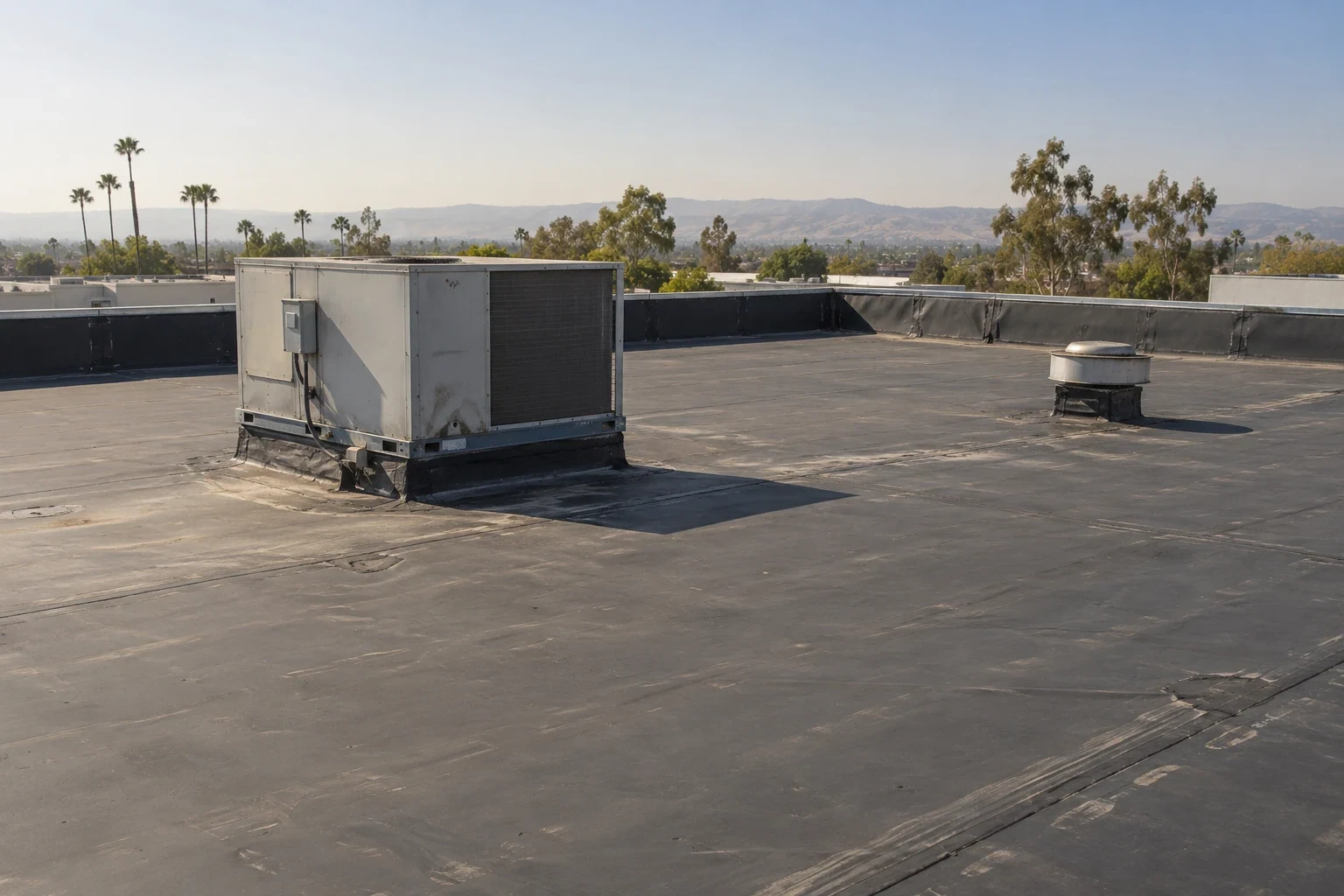
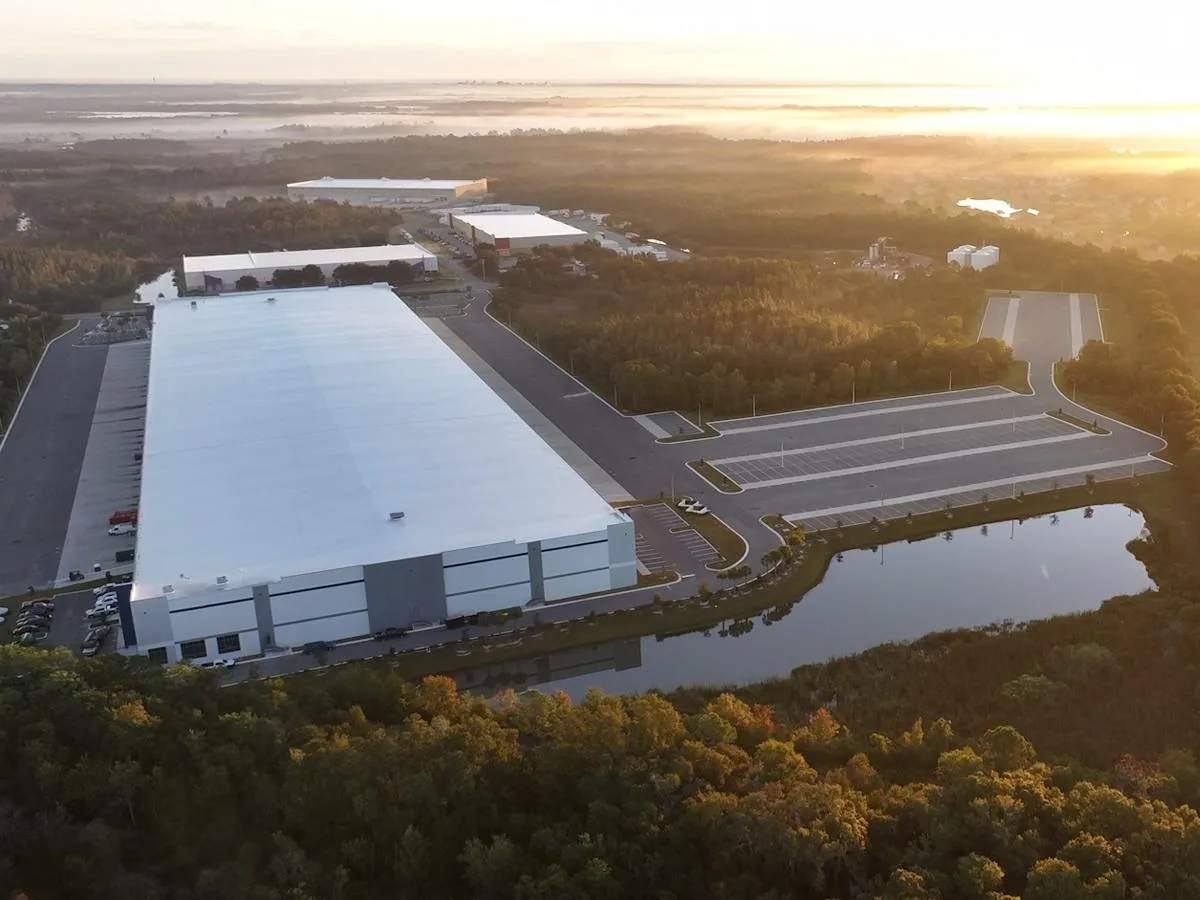
Merced has food and grocery distribution activity in industrial parks with Highway 99 access. That commercial setting makes storage protection a useful part of the roof discussion. Atwater also has processing and manufacturing uses. We ask about the actual goods, handling routes and roof construction before selecting inspection, repair or replacement work above an occupied property. Merced summer heat makes seams beside metal equipment bases useful examination points. We look for strain where those materials connect before planning their permanent repair.
Stored goods beneath a roof opening
The affected roof zone needs a recognizable relationship with interior storage. We locate the opening with the building team and identify goods or equipment requiring protection. A rack layout can limit access beneath the deck. The manager may need to arrange relocation or another suitable interior response. Those decisions should be made before roof removal exposes the zone, not after damaged layers have been lifted.
Water-sensitive goods can change the urgency of a leak response. We ask what is affected and whether water is active. A warehouse roof repair then follows the membrane condition and necessary layer work. The interior consequence helps establish timing; it does not identify the entry detail. We inspect that construction before defining the permanent repair method.
Temporary protection needs a stated role in the work sequence. It should not replace examination of wet insulation or damaged support. We identify the roofing opening and appropriate closure, then coordinate the interior arrangement with the property team. A repair is complete when its assembly detail is restored, while interior drying or product handling may require separate action.
Roof-zone examination and material condition
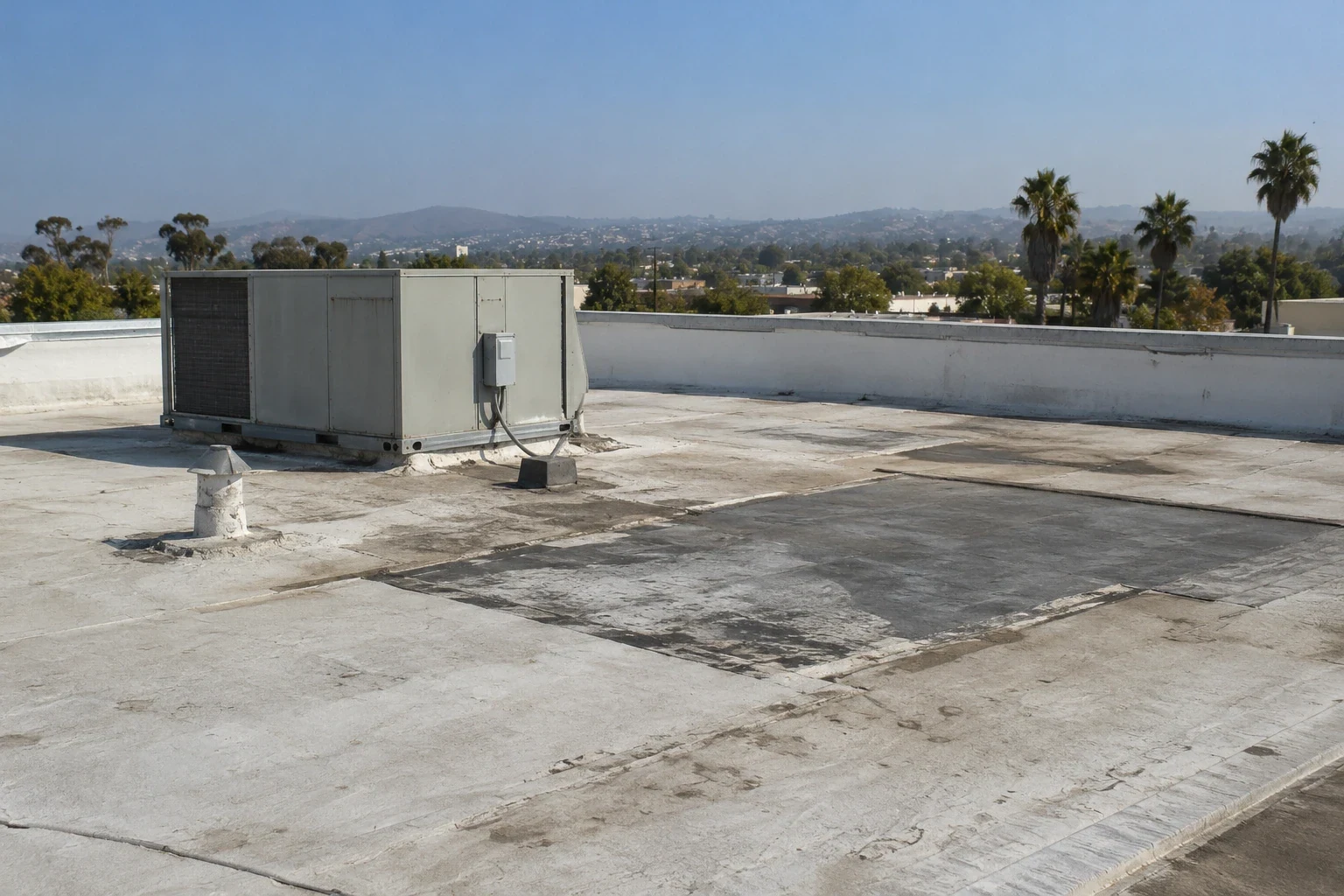
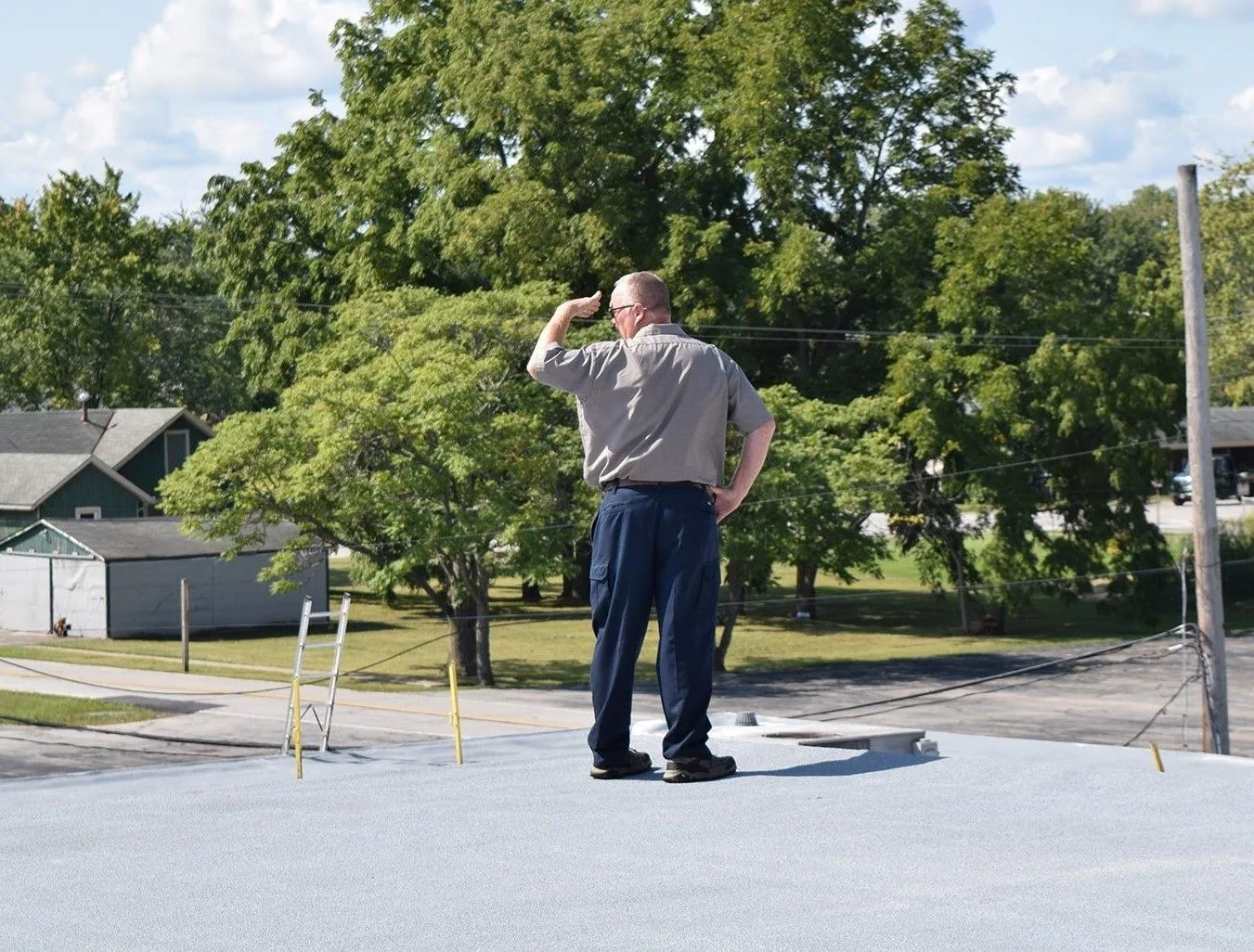
A warehouse roof may have separate areas with different layers or repair histories. We identify the membrane and inspect accessible seams, penetrations and edges by zone. The examination should distinguish a bounded defect from broader distress. A roof condition inspection can establish those findings and identify where selected checks are needed before a construction choice.
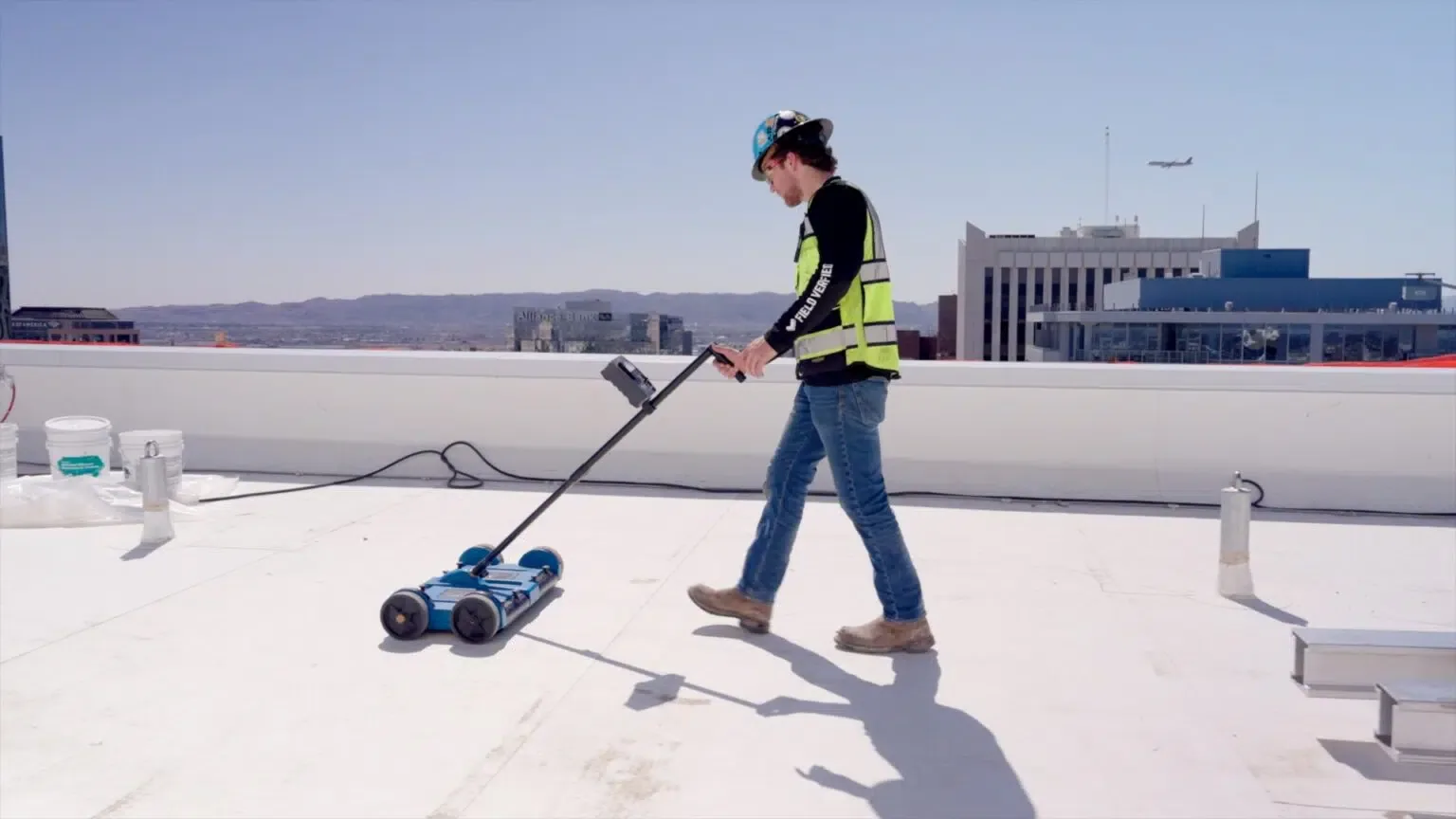
Moisture investigation becomes important where the membrane opening or surface condition raises a concealed-layer question. Thermal patterns from an infrared moisture survey can direct physical checks when roof cooling and assembly characteristics make the pattern interpretable. Physical confirmation identifies the material affected. We connect that finding with the proposed removal boundary so the manager can understand which insulation remains and which needs replacement.
Deck condition deserves attention during opening. Corrosion, deteriorated wood or damaged concrete needs an appropriate response for the construction actually present. We identify visible deterioration and coordinate necessary technical review. The new roof should not close an unresolved supporting problem merely because the membrane repair itself can be completed quickly.
Outlets and water above the storage floor
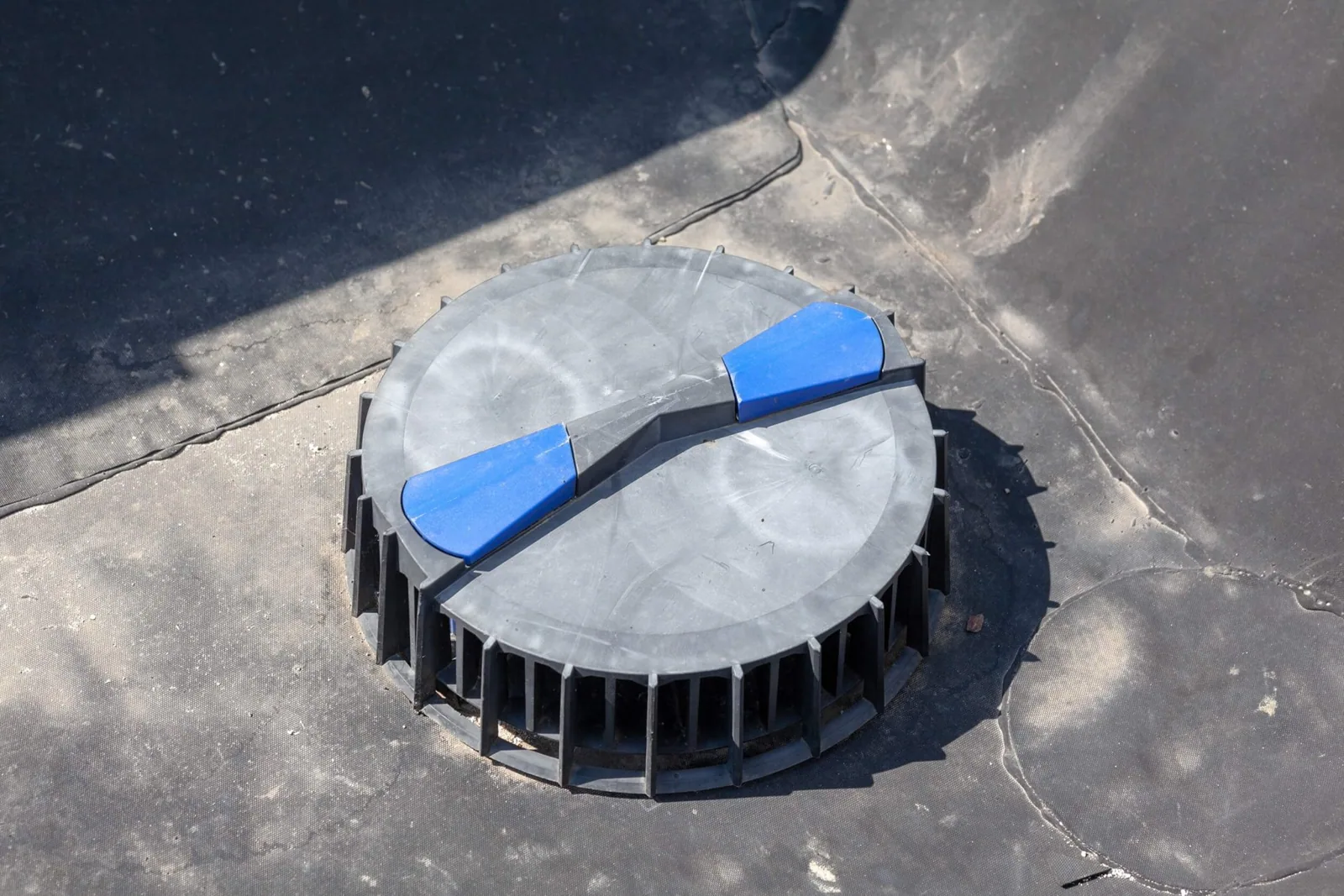
Debris near a roof outlet can restrict drainage, while a damaged connection can admit water even when the opening is clear. We examine both. Sediment marks may identify a persistent low area requiring another assessment. Drain and scupper work should match the condition found, separating clearing from connection repair or slope correction.
Merced winter rainfall normals are greater than those of midsummer. A dry-weather visit can identify blocked approaches and separating flashing before renewed exposure. Current conditions determine the immediate response. A manager should not have to wait for water to reach stored goods before an observed roof opening is assessed and repaired.
Changes to roof layers can alter the outlet approach. Added insulation may need suitable taper into a drain sump and review of nearby curb clearance. We identify those relationships before installation. The proposal should describe a complete water path rather than new field material that leaves the outlet connection and surrounding elevations unchanged without assessment.
Equipment service and vulnerable roof routes
Equipment technicians need a usable route across the roof. We examine traffic wear, protective material and details along that route. A repeated puncture or abrasion may warrant both repair and an access-protection change. The new roof surface should not be returned to the same damaging contact without considering a suitable way to reach the equipment.
Skylights, where present, require appropriate separation and safety arrangements during roof work. They are not walking surfaces. We identify their location alongside equipment and penetrations before removal or material handling. A warehouse roof plan should account for the actual features encountered, with suitable access around openings and fragile components.
A rubber membrane assembly uses repair components and connections different from welded sheet or metal roofing. The selected surface needs compatible maintenance methods. We identify the existing material before applying a patch or renewing a detail. A familiar-looking roof route is not a reason to use an unidentified repair compound.
Deliveries and occupied handling areas
Roofing material and removed layers need ground routes that fit the property operation. We identify staging, waste handling and access with the manager. Work near loading or storage movement may require a different arrangement from a service-side repair. The roof opening sequence should be coordinated with those usable routes before tear-off begins.
A distribution center can emphasize frequent handling movement, while a warehouse may have different storage priorities. We ask about the actual use rather than impose one operating pattern. The roofing construction remains the basis for preparation and closure. The building team identifies which ground and interior routes need to stay available.
Flex industrial space may combine storage with offices or other activity. The roof zone can sit above different occupancies within the same property. We locate those differences with the manager. Protection and work timing should follow the affected use, while layer removal follows the inspected roof condition.
Repair and assembly renewal options
A bounded seam or puncture can be repairable where surrounding construction remains suitable. Extensive deterioration or wet layers can change the choice. We explain the usable connection boundary and any further examination needed. The manager can compare repair with renewal using observed condition rather than a broad assumption that warehouse roofing always needs one standard assembly.
At an Atwater property, established processing and manufacturing activity can make equipment and product protection important planning questions. We identify the actual affected zone and usable work window. The final scope includes layer repair, compatible closure and connected details. Cost depends on those construction items and the access required to complete them.
For industrial property in Merced, we define retained and removed materials clearly. New insulation or membrane work may require perimeter and curb changes. The completed proposal should show how the assembly joins those details and how later maintenance can reach them. A useful warehouse roof decision protects the storage operation while restoring a suitable roof construction above it.
Commercial Roofing Questions
Why locate the roof repair against the warehouse storage layout?
The opening may require protection or relocation below it. We identify the roof zone and planned removal with the building team. The manager can then arrange the affected goods and routes before exposed construction creates an avoidable interior interruption.
Can a small seam opening leave wet insulation beyond its edges?
Water can move within the layered assembly. We use suitable examination and confirmation where moisture affects the scope. The removal boundary should follow affected material, not only the surface length of the separating seam.
What should change after repeated roof damage on an equipment route?
The damaged material needs compatible repair, and the access arrangement deserves review. We examine traffic protection and vulnerable details. Restoring the same surface without addressing repeated contact can leave the roof exposed to the same damage again.
Does warehouse use determine the replacement membrane?
The existing assembly and project requirements also matter. We examine support, attachment and details, then coordinate the work with storage needs. A material choice should fit the inspected roof rather than rely on the building label alone.
Inspection above the affected storage zone
Request examination of the warehouse seam, outlet or equipment route and the layers needing repair above occupied storage.
Related Roofing Work