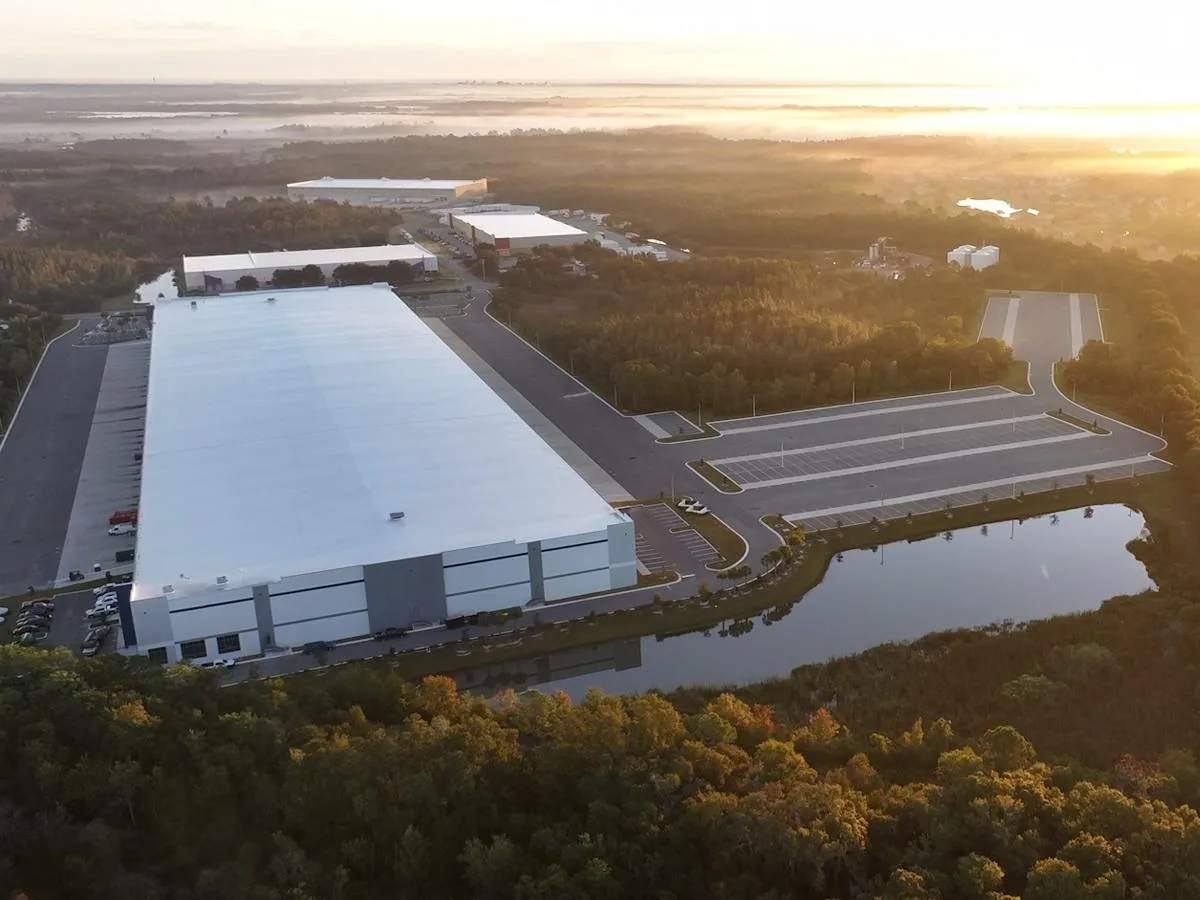
A discolored strip beside an equipment row can be easier to locate from above. Drone roof inspection in Merced, CA, gives that visible pattern a position within the roof. We use aerial images to examine accessible views of the field, drainage and perimeter. The manager can compare the observed area with the building layout and decide where a closer roof examination is needed.
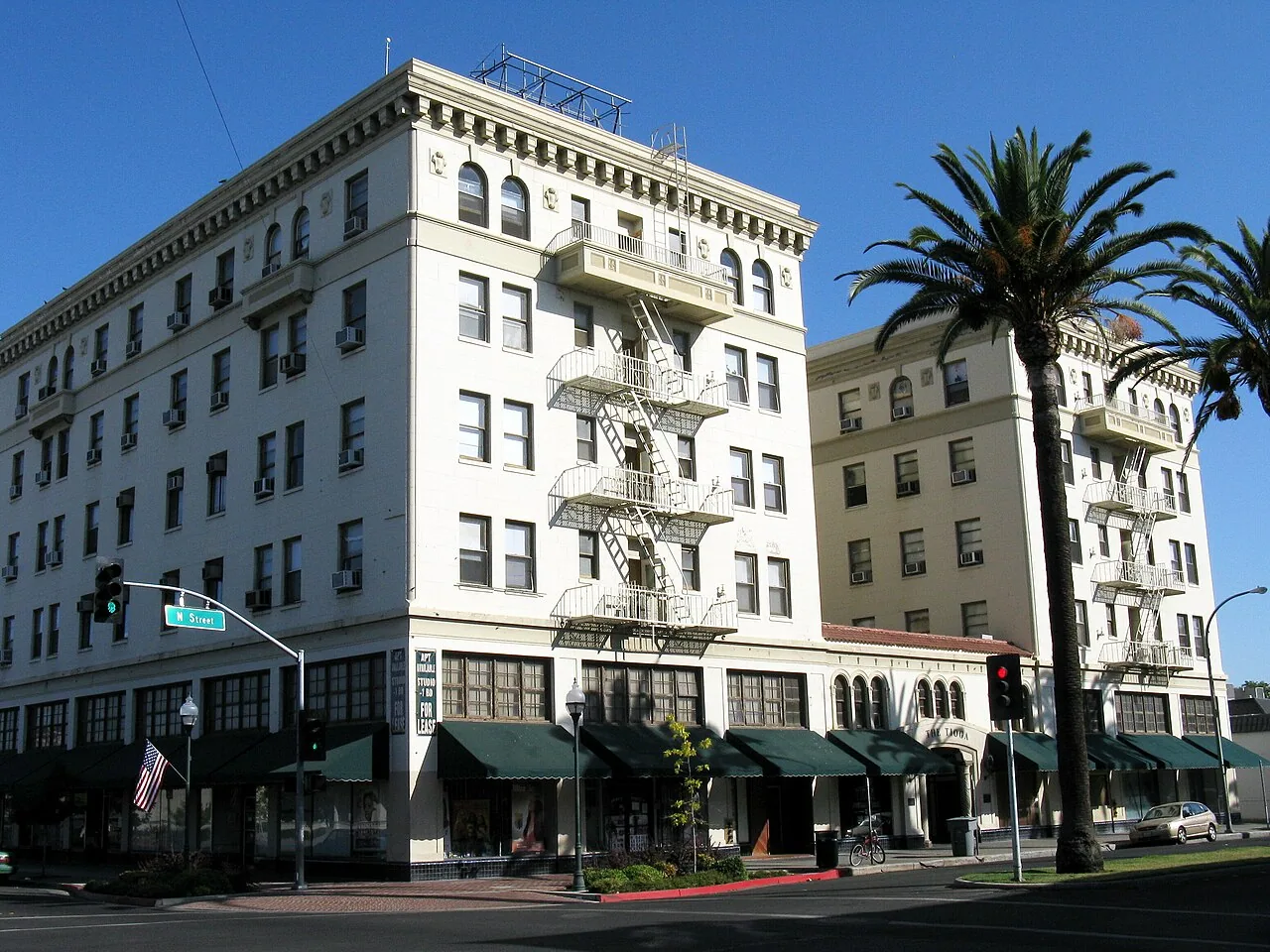
Merced industrial parks include distribution properties and have Highway 99 and rail access. Aerial orientation can help distinguish roof zones on an industrial building before detail work begins. Downtown Merced has offices, restaurants and government uses. Imaging there needs a flight arrangement appropriate to the occupied surroundings. The roof question and the site conditions determine the image plan.
Roof zones and useful camera positions
A roof-level photograph can show a seam closely while leaving its position unclear. An overhead view provides the surrounding geometry: equipment rows, drains, walls and changes between roof sections. We plan a combination of wider orientation views and closer detail images. The image set needs enough context to direct follow-up without relying on a person to remember where each photograph was taken.
Camera position changes what can be seen. A straight-down view may show a drainage mark but miss a vertical flashing face. An angled view can reveal the side of a curb or an exposed perimeter condition. We select views for the detail being examined and the access available. Glare, shadow and intervening equipment can still affect visibility, so another camera position may be needed.
The manager receives images connected to identifiable roof areas. We distinguish separate roof levels and show the features used for orientation. That helps a later hands-on roof examination reach the correct detail. A useful photograph should answer where the observed condition sits and what visible feature deserves attention, rather than merely provide an attractive view of the building.
Surface patterns and targeted follow-up
A broad patch of debris can identify an area needing drainage review. A dark water mark can show a prior low area. We examine how those patterns relate to outlets, equipment and roof boundaries. An aerial view helps locate the pattern. The next roof visit determines whether the concern is an obstruction, a damaged detail or a roof-shape condition needing further assessment.
Membrane patches, color changes and exposed damage can also guide closer examination. We describe what is visible in the image without assigning an unseen layer condition. A crease might need a seam check. A dark region might need surface cleaning or moisture investigation. The follow-up is chosen for that specific observation. A separate infrared survey can address a moisture question under suitable conditions.
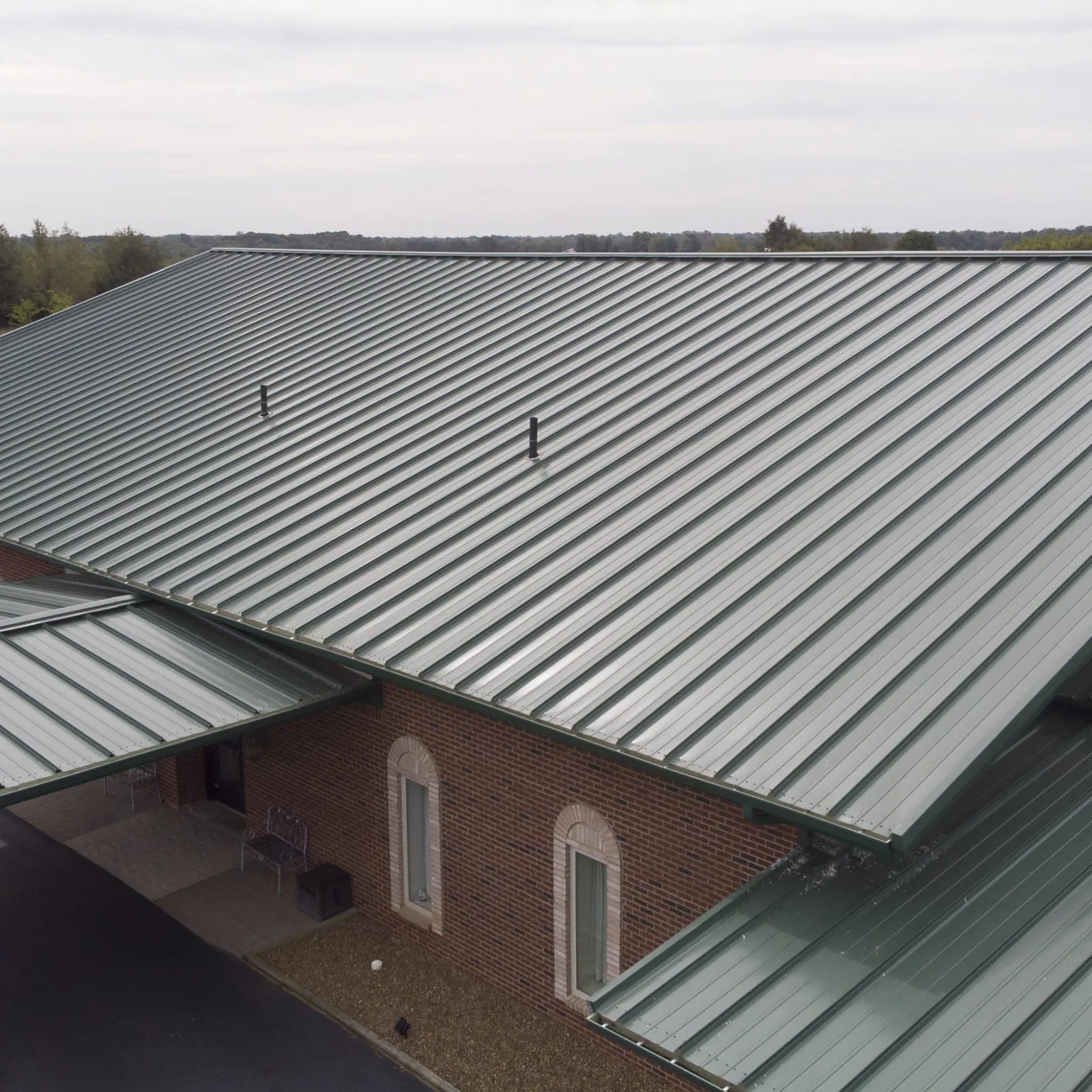
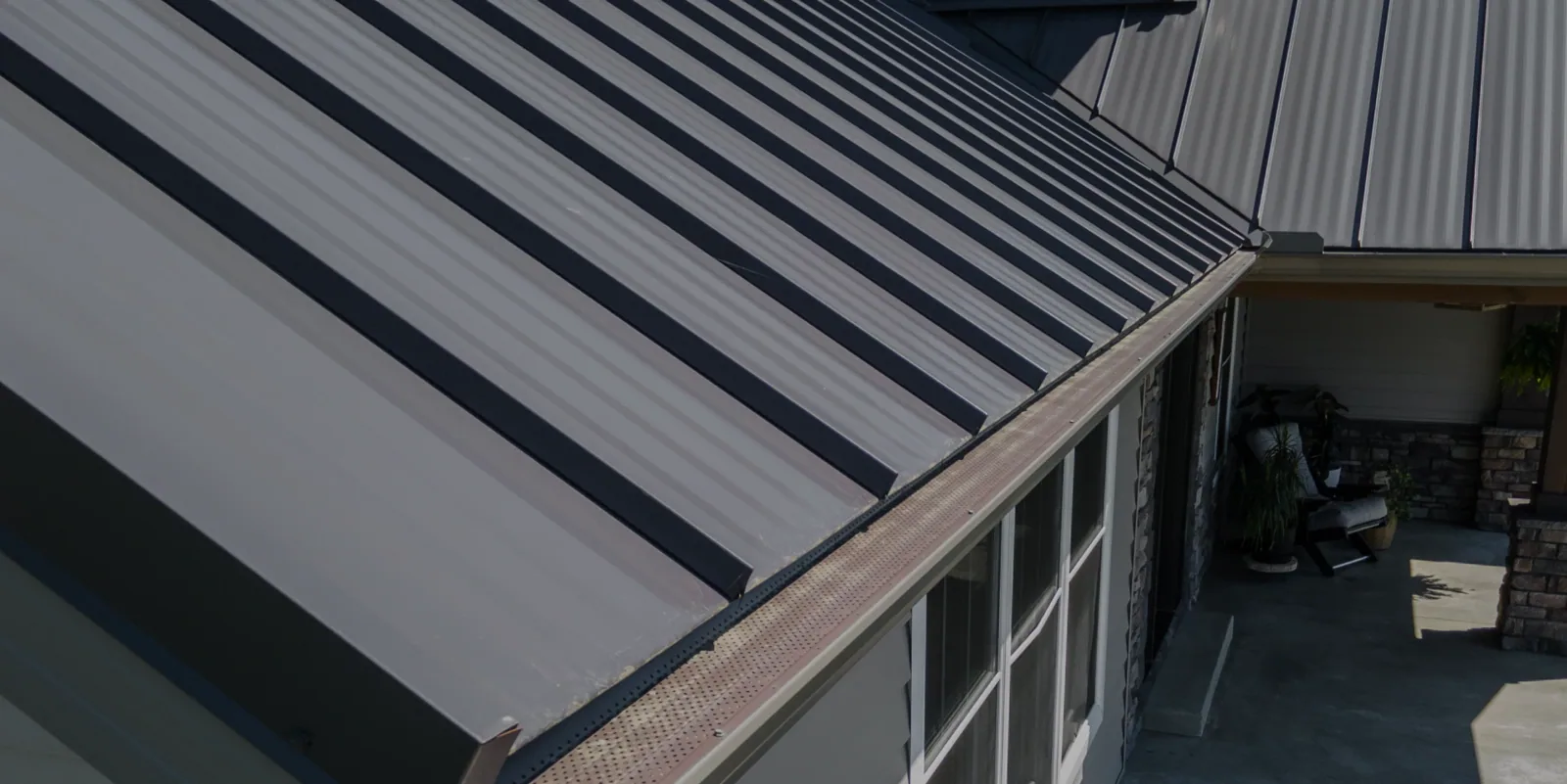
At metal roofs, aerial views may show displaced components, panel damage or differences between sections. Detail examination then considers the attachment and joint condition. Standing seam roof details include connections that are not fully described by an overhead image. We use the visible evidence to prioritize access rather than assign a complete repair method from appearance alone.
Flight access and occupied surroundings
A clear roof does not establish a clear launch area. We review suitable ground space, people and vehicle activity, nearby obstructions and the current flight conditions. Site permission and applicable flight requirements need to be satisfied before imaging proceeds. Wind or weather may change the usable work window. We coordinate a suitable approach with the property team instead of assuming an aerial inspection can start wherever the camera has a view.
At properties in Downtown Merced, mixed commercial and government activity can affect launch and observation arrangements. The image plan needs separation from public movement and an appropriate view of the roof. We identify the accessible positions and any detail obscured by neighboring construction. Those arrangements are determined at the property, not inferred from the district name.
For a distribution center, active loading and material movement can also influence the ground arrangement. We ask the building team about current operations before selecting a location. Roof equipment may obstruct a planned view. Adjusting the image approach is useful when it reveals the roof condition without disrupting a critical operating area or creating an unsuitable flight path.
Perimeters and difficult views
A parapet connection on an upper roof can be difficult to photograph from a lower accessible level. An appropriate aerial angle may show displaced coping, an exposed flashing edge or visible damage at the transition. We identify the detail and its position. If the image shows a separation, the repair assessment still needs to examine the connection and supporting material before a construction scope is set. Merced summer heat makes exposed material transitions useful imaging targets. A visible gap helps locate the connection for direct examination of movement and attachment.
Visible edge damage may lead to coping or edge-metal work. We use the image to show the extent that can be seen and plan suitable access. A close view can improve the assessment, but it cannot measure the concealed attachment by itself. The useful next step is a direct examination of that connection, not repeated imagery of the same outer face.
Equipment bases create another viewing problem. Aerial photographs can show their arrangement and obvious surrounding surface damage. They may also help locate roof routes for a later inspection. We identify the curb or nearby field area that needs examination. The manager can then coordinate access with equipment operation, especially where a detail cannot be reached safely without a planned work arrangement.
Image comparisons that support a roof decision
Comparable views help show visible change after debris clearing or repair. We keep roof-zone orientation consistent enough for the manager to locate the same area. Lighting and camera angle can change the appearance, so we assess the visible feature rather than treating every color difference as deterioration. A useful comparison may show that an outlet area is clear or that a damaged component has been rebuilt.
For Merced buildings near the Highway 99 industrial areas, that orientation can assist managers handling several distinct roof sections. We connect the aerial finding with the requested work: a closer seam check, drainage maintenance or examination of a damaged transition. The scope should describe the follow-up in roofing terms. Images become useful when they direct action at a specific construction detail.
The final image set identifies areas not adequately visible and the reason another method is useful. Glare may call for another imaging time. Concealed insulation calls for a different investigation. Suspected attachment damage calls for physical access. The manager can then choose the next inspection step without confusing aerial coverage with a completed examination of every roof layer.
Commercial Roofing Questions
Can drone photographs establish that a seam is watertight?
Photographs can show visible separation or damage. A close physical examination is needed to assess the seam connection itself. We use aerial findings to direct that work to the right roof zone rather than treating an intact appearance as a complete seam assessment.
Why include both overhead and angled roof images?
Each position reveals different features. Overhead views locate roof zones and drainage patterns. Angled images can show vertical flashing and perimeter faces. We choose the combination for the detail being examined and the accessible flight positions.
Does a dark roof area automatically need moisture removal?
Surface color has several possible causes. We examine the visible pattern and identify suitable follow-up. Moisture removal quantities require assembly investigation and confirmation, not an aerial color difference alone.
What happens if occupied surroundings prevent a suitable flight?
Another inspection approach may be needed. We explain the affected views and propose accessible ground or roof examination where appropriate. Aerial imaging should proceed only when permissions, flight conditions and site arrangements support the work.
Imaging of the visible roof condition
Request aerial examination of the surface pattern, high perimeter or roof zone that needs a clearer position and focused follow-up.
Related Roofing Work