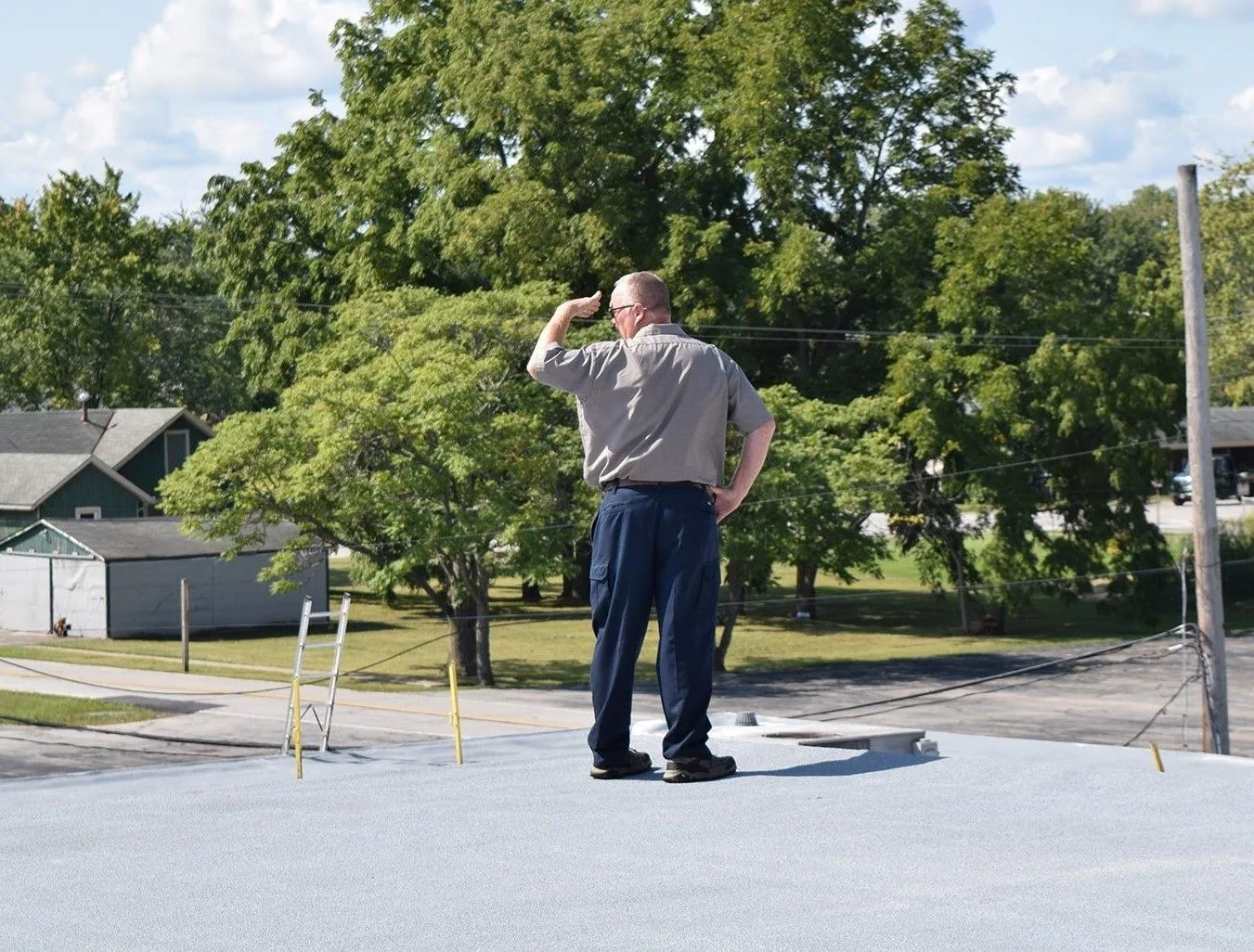
A split at a roof penetration can send water along the insulation before it reaches a ceiling in Gustine, CA. We open the inspection at that detail, then trace the path through the field membrane and into the building. Gustine is a Merced County municipality about 29 miles west of Merced, and dairy production and processing have been part of its local economy. A commercial roof serving those operations needs a repair boundary that is clear enough to protect equipment, work areas and the next maintenance decision. Request a roof walk when the split, wet insulation or repeated interior mark needs a documented answer.
Moisture path and repair boundary
A roof leak rarely follows a straight line from opening to stain. Water can move along a seam, insulation joint or deck flute, then appear inside well away from the entry point. On a building supporting food or dairy processing, we map the affected interior area against roof penetrations, curbs, drains and laps. We mark each observation on a roof plan and photograph the membrane, flashing and exposed layers where a test opening is justified. The report separates a confirmed wet area from a suspected path so the owner can see what the evidence supports.
Merced station normals show a hot, dry summer pattern; at Gustine roof transitions, we inspect seams and flashing for movement. The practical check is physical: look for a pulled boot, open lap, split sealant, loose termination or a bond line that has released. A surface patch over retained moisture can hide the condition while the insulation remains wet. We identify the repair boundary before closing anything, and record where dry material begins.
What the roof walk can establish
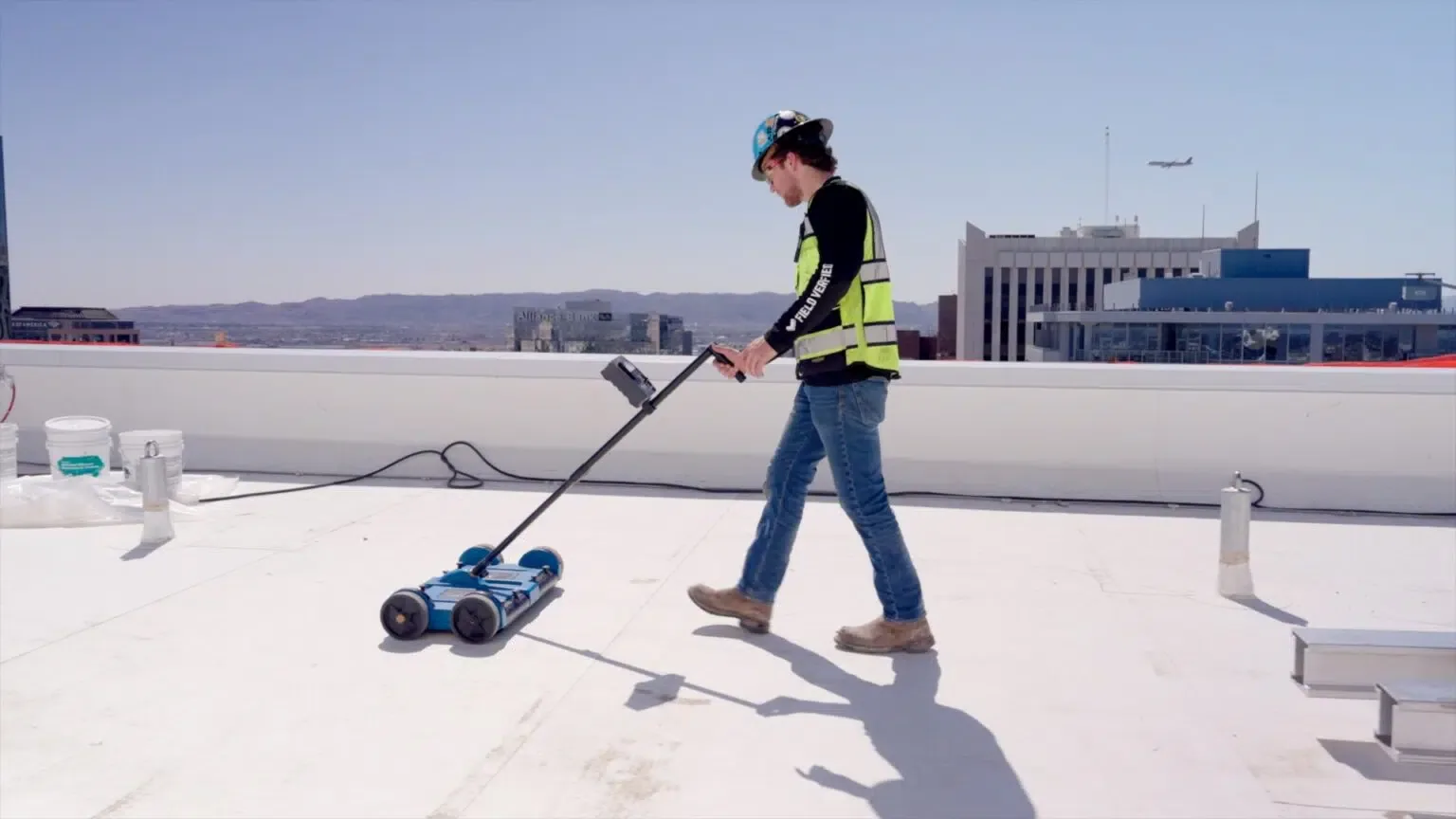
A visual survey can locate open seams, punctures, ponding, displaced edge metal and failed flashings. It cannot show the full condition of concealed insulation from the surface alone. We compare roof observations with interior staining and operating records, then use infrared scanning or a test cut when the moisture question justifies it. A test opening is placed where its result will change the repair scope. The written findings distinguish visible defects, confirmed wet materials and areas that remain untested.
That distinction matters when a manager is coordinating access around processing and storage. We note drains, roof hatches, equipment clearances and active work zones before setting the inspection route. The report includes photographs and the decisions the evidence supports.
Patch, rebuild or evaluate the assembly
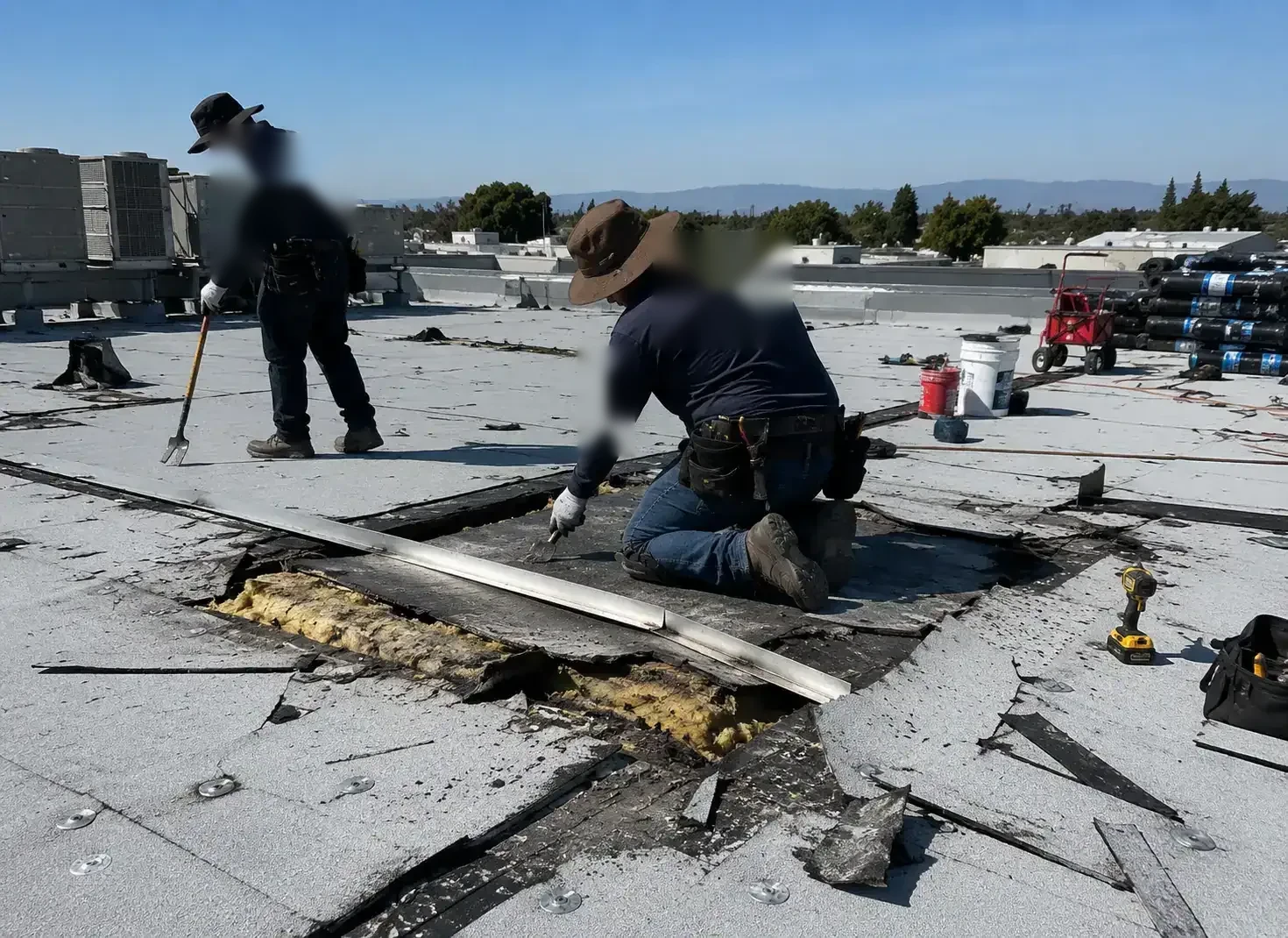
A small cut in sound membrane may accept a compatible patch after the substrate is dry and secure. A failed penetration needs more than surface sealant when the boot, curb or adjacent insulation has lost its attachment. We remove unsound material, rebuild the transition and tie the new work into clean, compatible membrane. If moisture extends beyond one repair area, we map the affected sections and compare selective removal with a broader replacement scope. The choice follows the extent of wet material, the condition of the surrounding field and the owner's planned hold period.
Cost and timing move with access, tear-off depth, deck condition, disposal, material compatibility and the number of details that must be rebuilt. A food-production or dairy-processing operation may also need phased access, protection of active areas and a work window that keeps deliveries and equipment movement clear. We put those constraints into the scope before pricing. For a larger assembly question, a roof inspection with photos or infrared moisture survey can help distinguish a local repair from a recovery or replacement decision. Where the field is stable but service is due, a preventive maintenance visit can record drains, seams and prior repairs before the next wet season.
Work sequence around active operations
Before cutting the membrane, we confirm the repair location, access route, staging point and interior protection. The crew removes only the layers named in the scope, checks the exposed deck and insulation, and records conditions before rebuilding the assembly. If the opening is dry and the deck is sound, the new flashing can tie into the existing roof. If the insulation is wet or the deck is deteriorated, that finding changes the boundary and is documented before work extends. No material gets closed over until the exposed condition is understood.
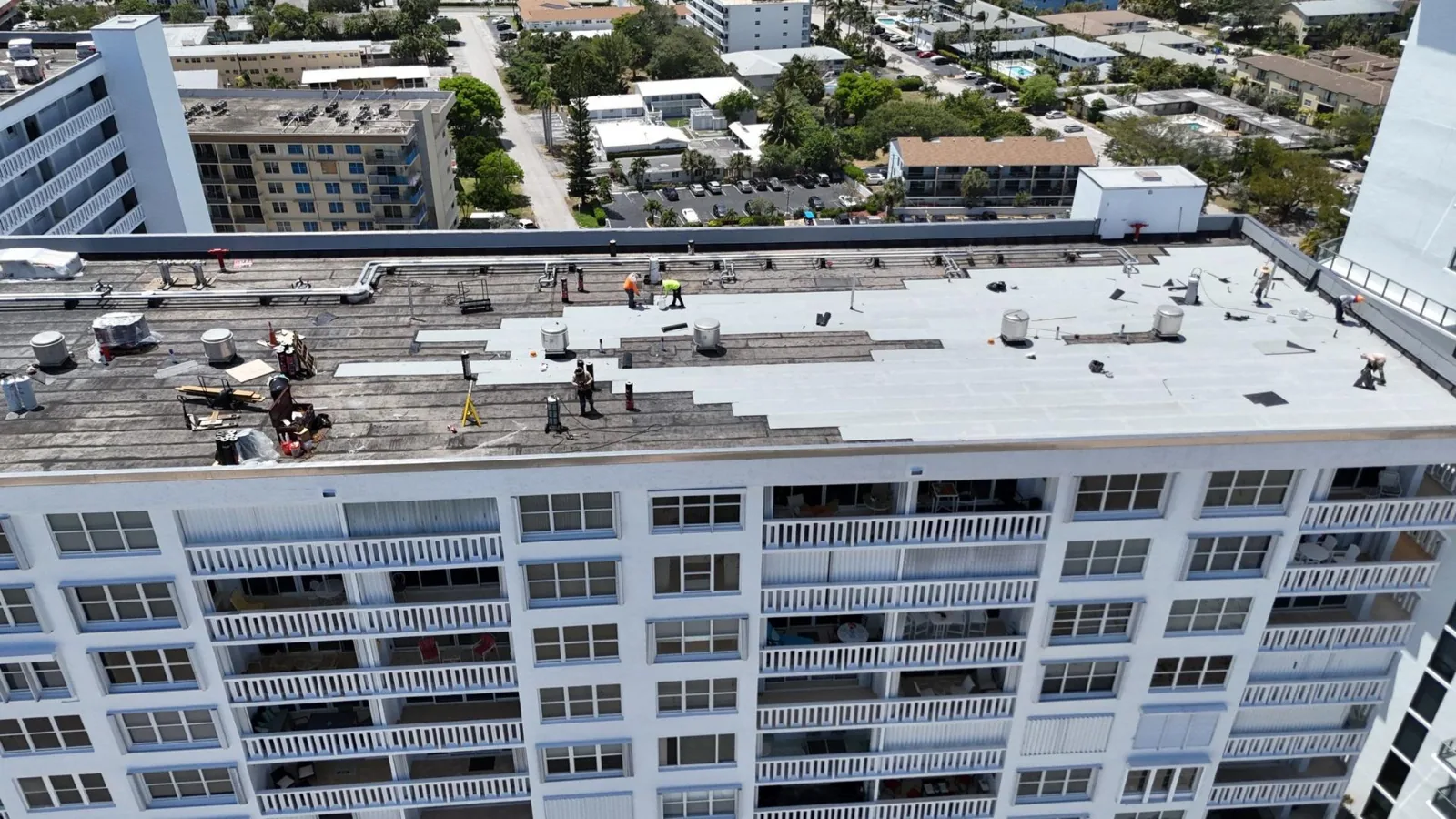
For a limited opening, the repair may finish in one planned visit. A larger area can require a follow-up installation window. We stage work to keep drains open and loose materials secured at shift end. The property manager receives a clear status when the roof is dry-in complete, concealed conditions have been photographed and the final seam or flashing is ready for inspection. A phased occupied-building roof plan is useful when tenants or production schedules remain active below the work.
A written scope that closes the question
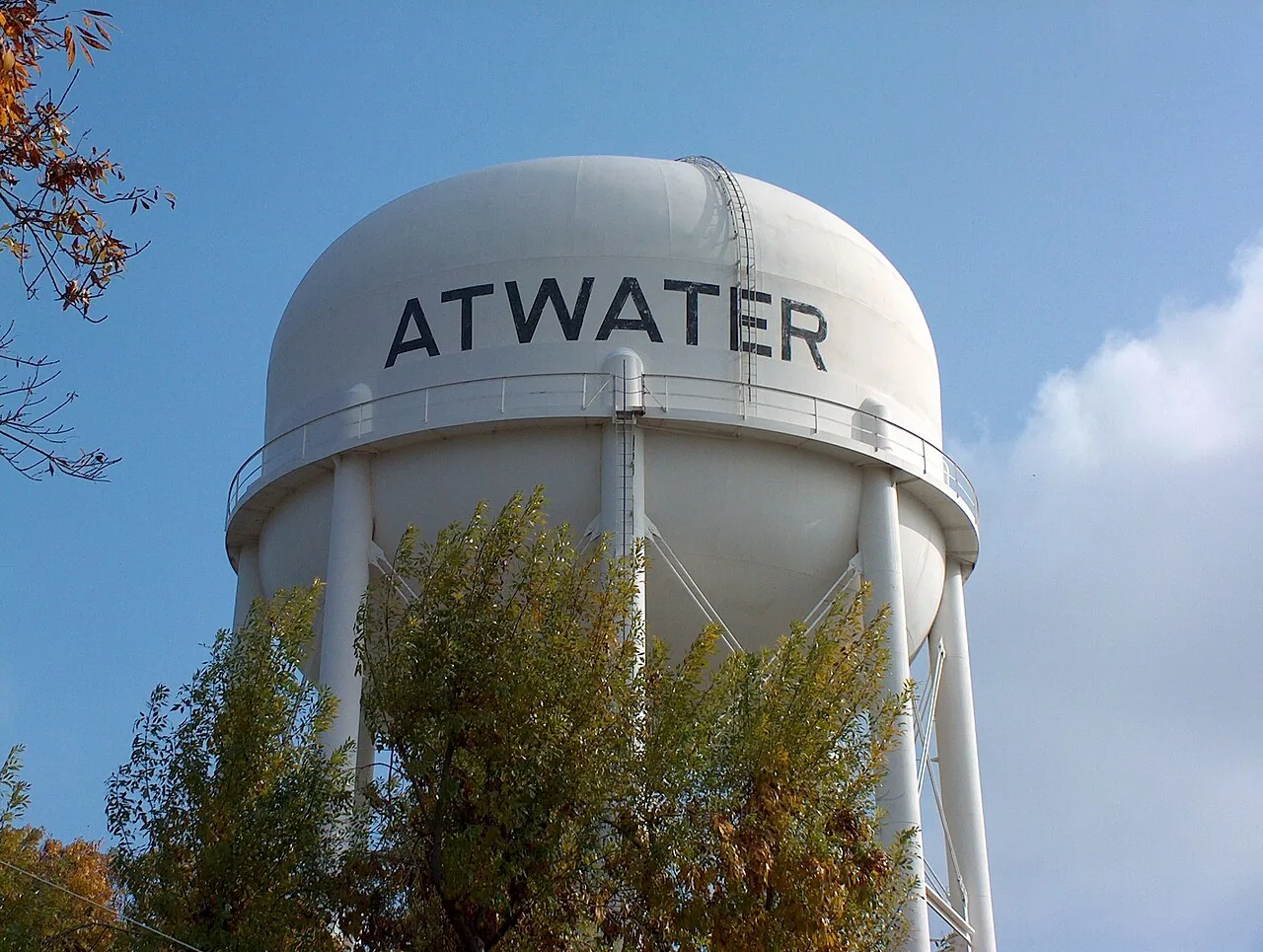
Gustine is within the broader Merced County service area, while Merced remains the market's central city and one of the region's commercial reference points. Owners coordinating work across the county can also review our Merced roof service area and Atwater commercial roofing coverage. A roof decision should still be made from the building in front of us. The report records the defect, moisture findings, materials removed, repair limits and unresolved conditions. It also identifies the next inspection point if the owner chooses to defer a wider project. That gives an asset manager a basis to compare a defined repair with replacement planning without treating every stain as proof that the entire assembly has failed.
After the repair, a maintenance visit checks drains, seams, penetrations and previous trouble spots before they become another interior interruption. We can include a photo log and note changes from the prior visit. Ask for a Gustine roof inspection when a recurring leak, split transition or uncertain insulation condition needs a field decision. The request should identify the affected room or process area, recent leak timing and any access restrictions. We will examine the assembly and return a written scope that marks what needs work now and what can be monitored. When the roof has reached a broader replacement decision, a replacement evaluation can compare removal depth, retained layers and the next assembly's drainage details. A sudden opening can instead call for emergency stabilization before permanent work is scheduled.
Commercial Roofing Questions
A ceiling mark keeps returning after patching. What should the next visit check?
We trace the moisture path from the interior mark to nearby seams, penetrations, drains and transitions. A test opening or infrared scan is used only when it can settle whether insulation is wet beyond the visible defect. The report maps confirmed conditions separately from suspected ones, then defines the repair boundary. That prevents a new surface patch from hiding a condition that needs material removal.
Can we keep a processing area open while roof work is underway?
Yes, when the work zone, access route and interior protection can be separated from active operations. We review the building's schedule, identify the opening sequence and plan a dry-in point before cutting. A larger repair may need more than one window. The written scope states where access is needed and what condition would change the sequence.
What changes the repair price once the membrane is opened?
The exposed deck, insulation depth, attachment and repair area are the main variables. Wet material that extends beyond the initial mark can add removal and replacement work; a sound deck and dry surrounding insulation can keep the repair narrower. We photograph the opening and explain the change before proceeding beyond the agreed boundary.
When is a coating a sensible alternative to replacement?
A coating is considered only after the existing surface, seams, attachment, drainage and moisture condition are checked. It cannot correct wet insulation or an unstable substrate. Where those conditions are sound, we compare preparation and repair needs with a recovery or replacement scope. The written options identify what each approach leaves in place.
What should the report include for a roof serving dairy operations?
We document the affected area, roof details examined, any test openings, material condition and the proposed repair limits. Access windows, staging and interior protection are listed when they affect the work. Merced County's dairy-processing context helps frame the operating constraints, but the scope is based on the specific building and roof evidence gathered in Gustine.
Schedule a Gustine roof inspection
Tell us where water appeared, which area is affected and what access window the building can support. We will inspect the membrane, transitions and exposed layers, then return a written scope with a repair boundary and next step.
Related Roofing Work