
A production interruption and a wet insulation layer are related only when the roof evidence connects them. We inspect the assembly, locate the opening and document the affected area before shaping a work sequence. Merced serves processors, makers, freight operators, healthcare providers, shops and office users. Those operations can change access and timing, but they do not establish what is on a particular roof. We confirm the membrane, support and use with the property manager during a commercial roof inspection.
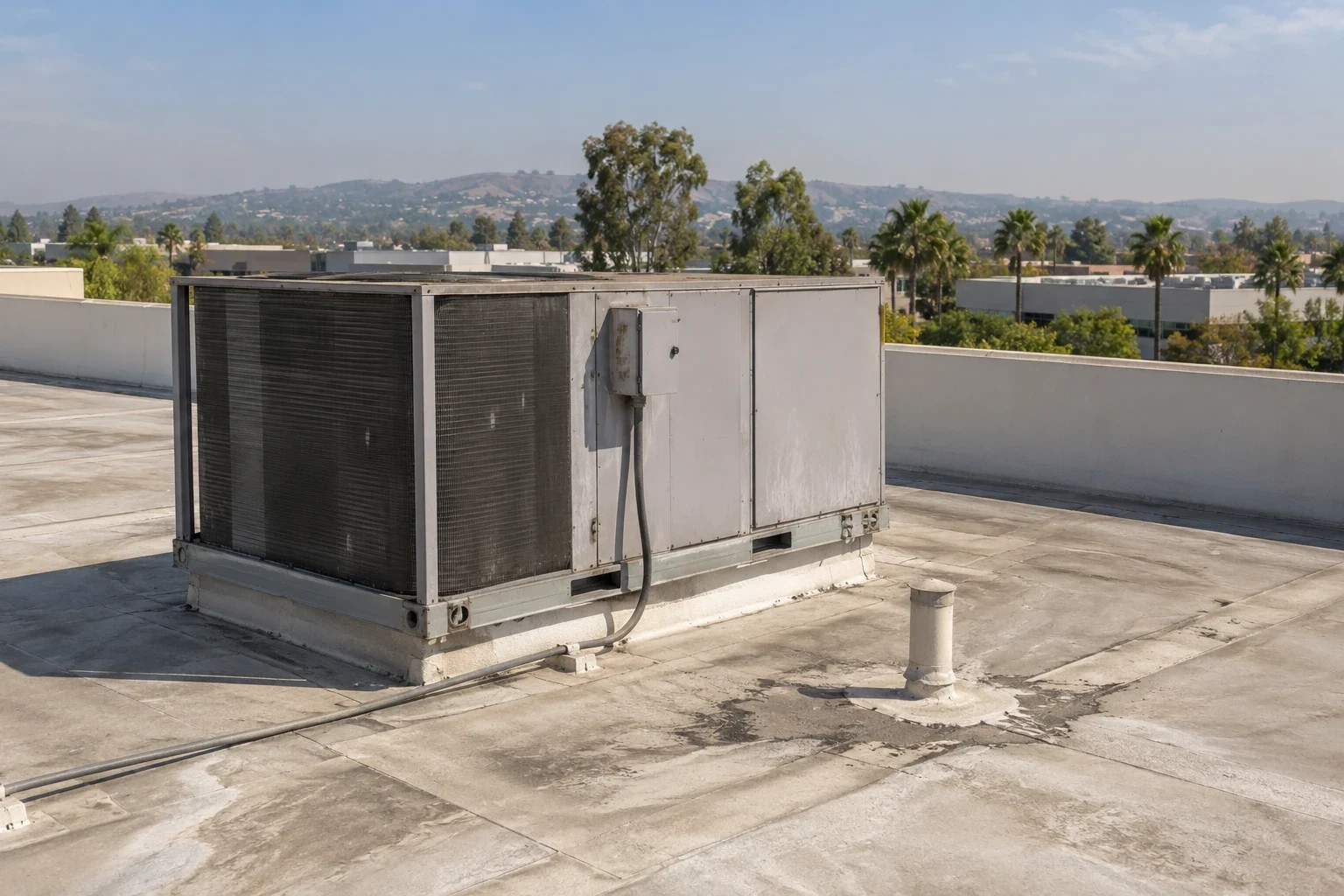
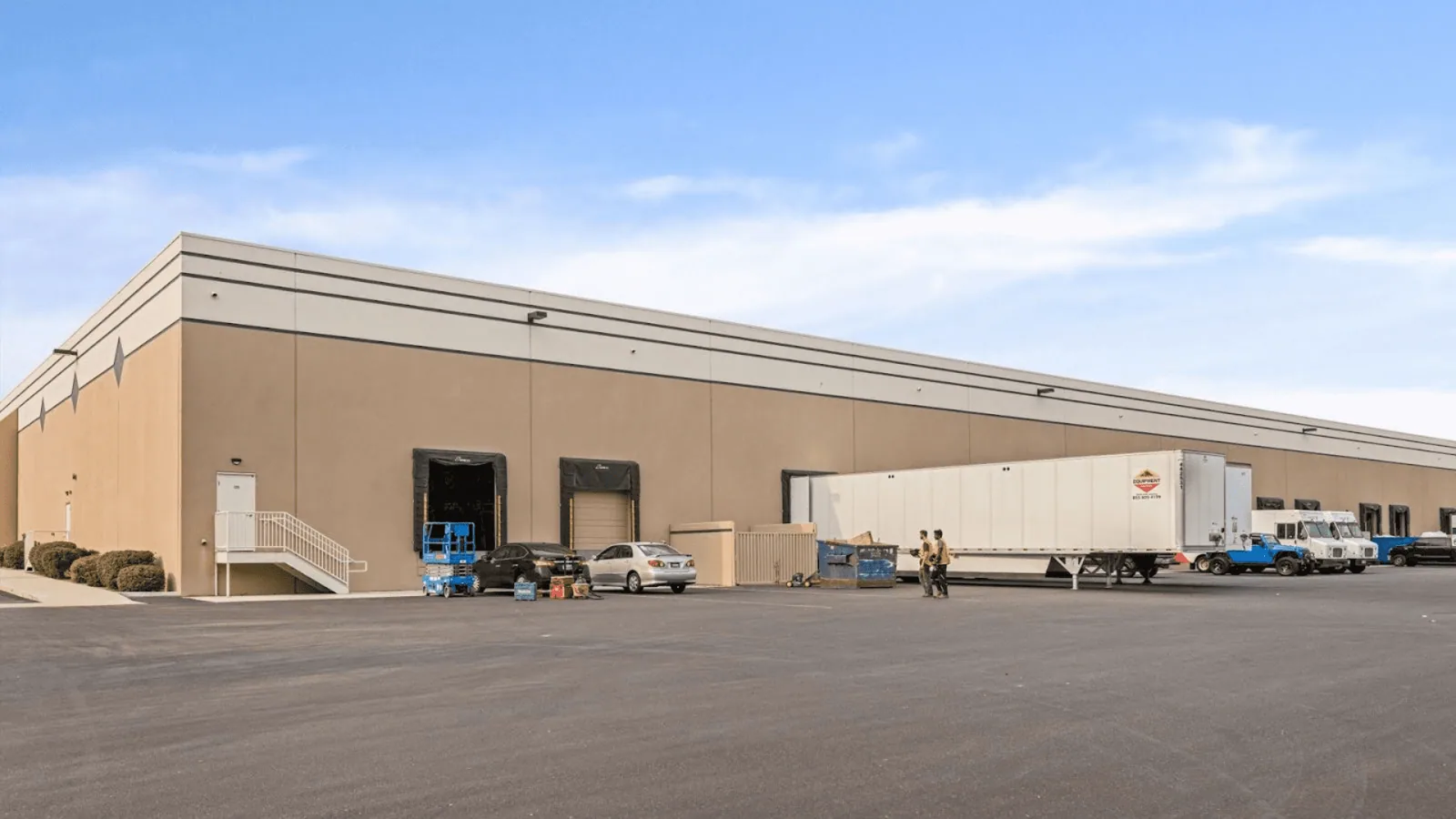
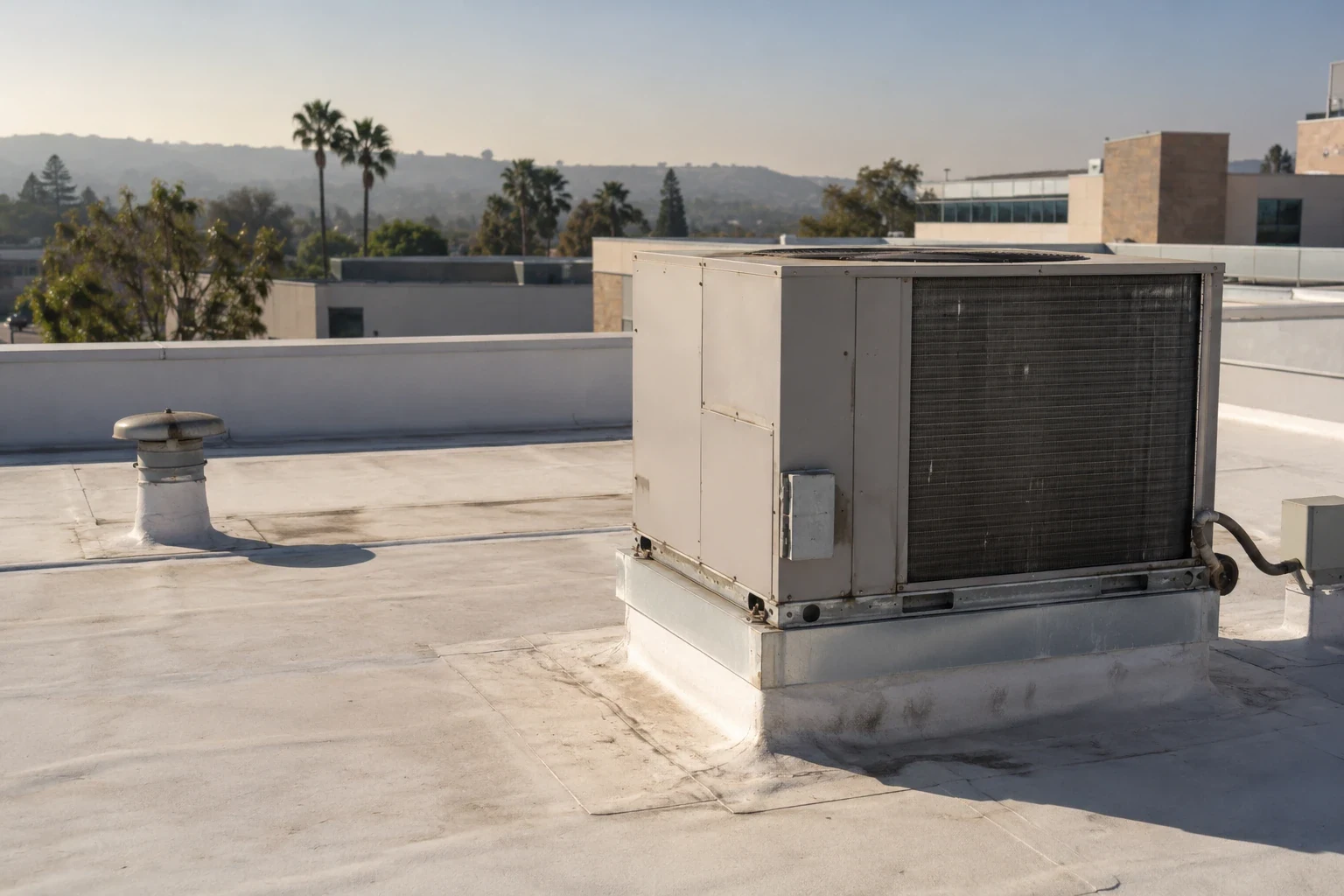
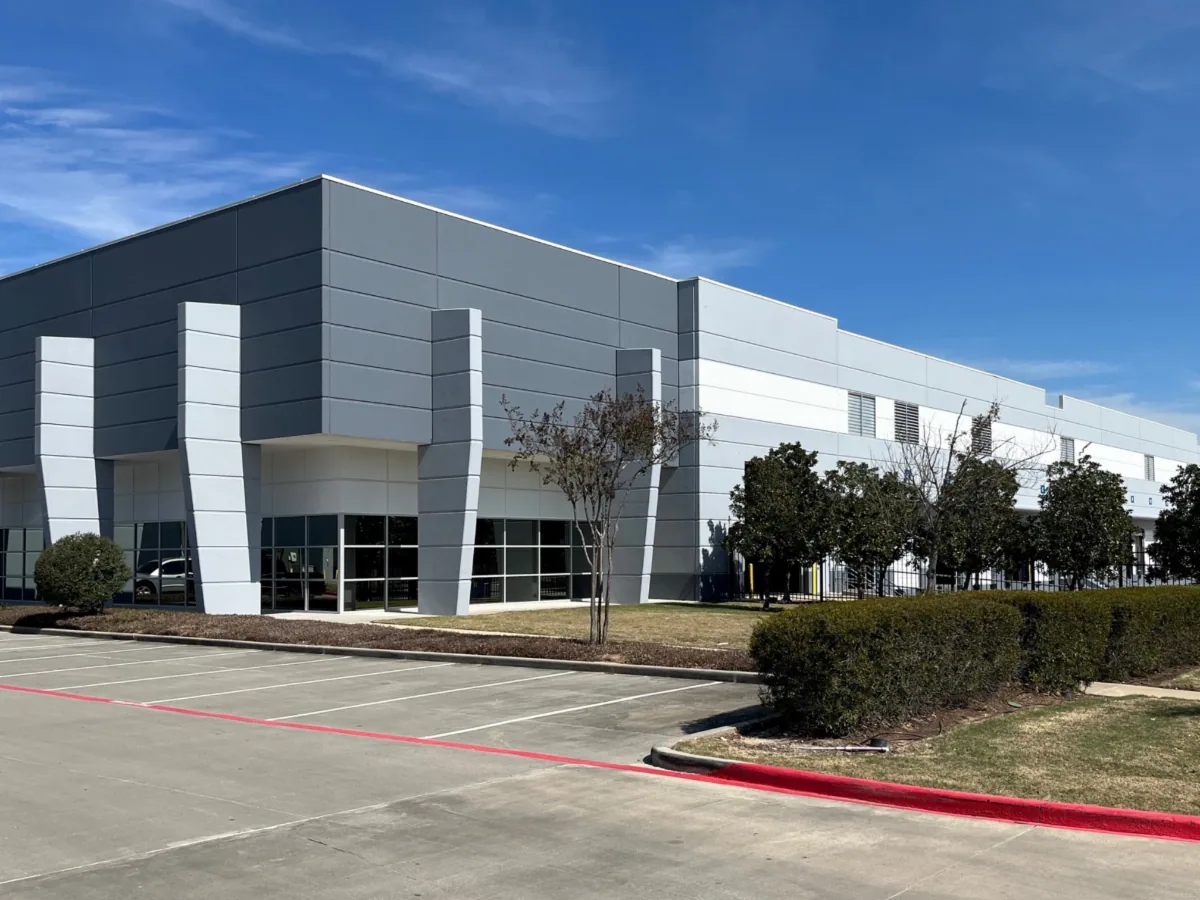
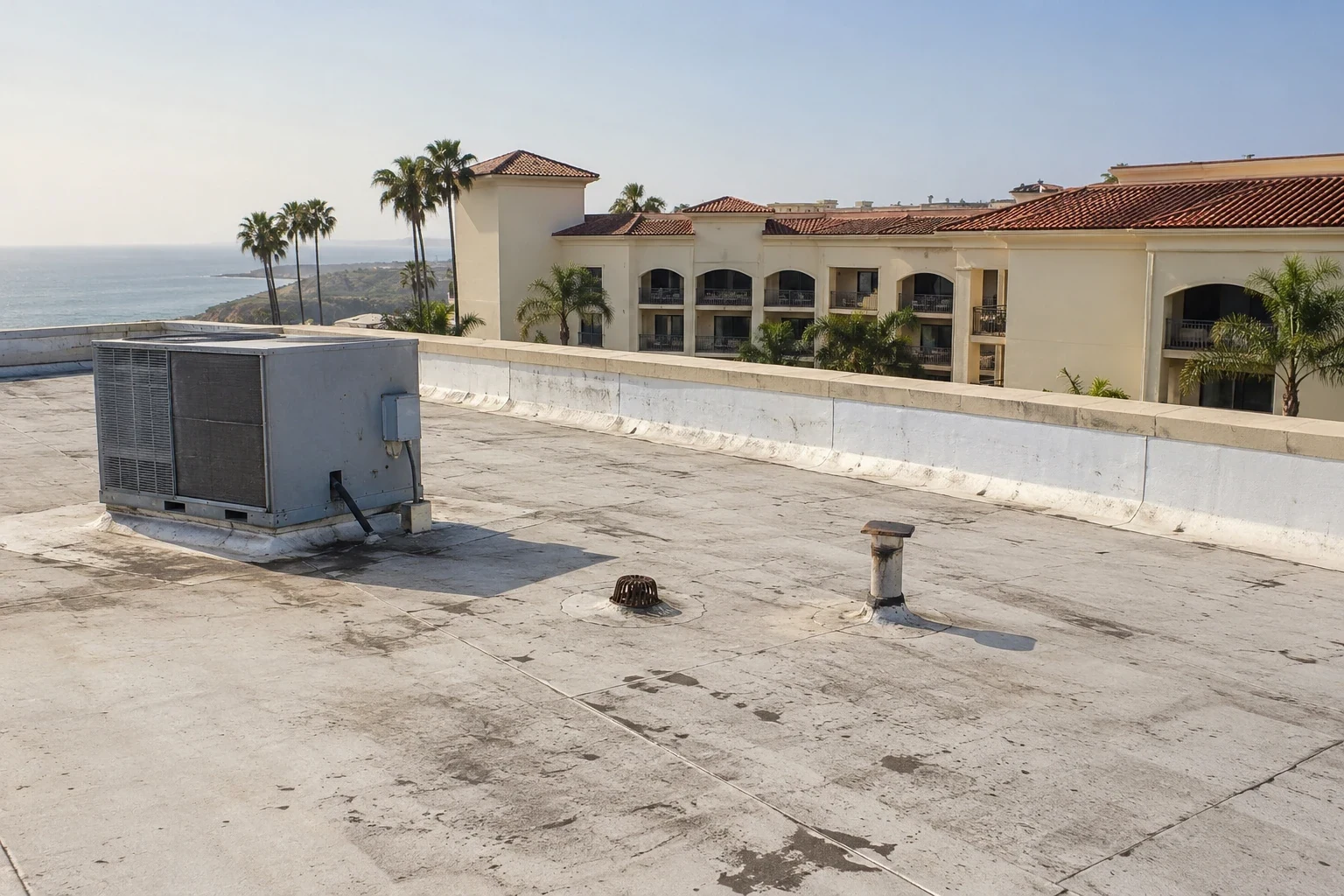
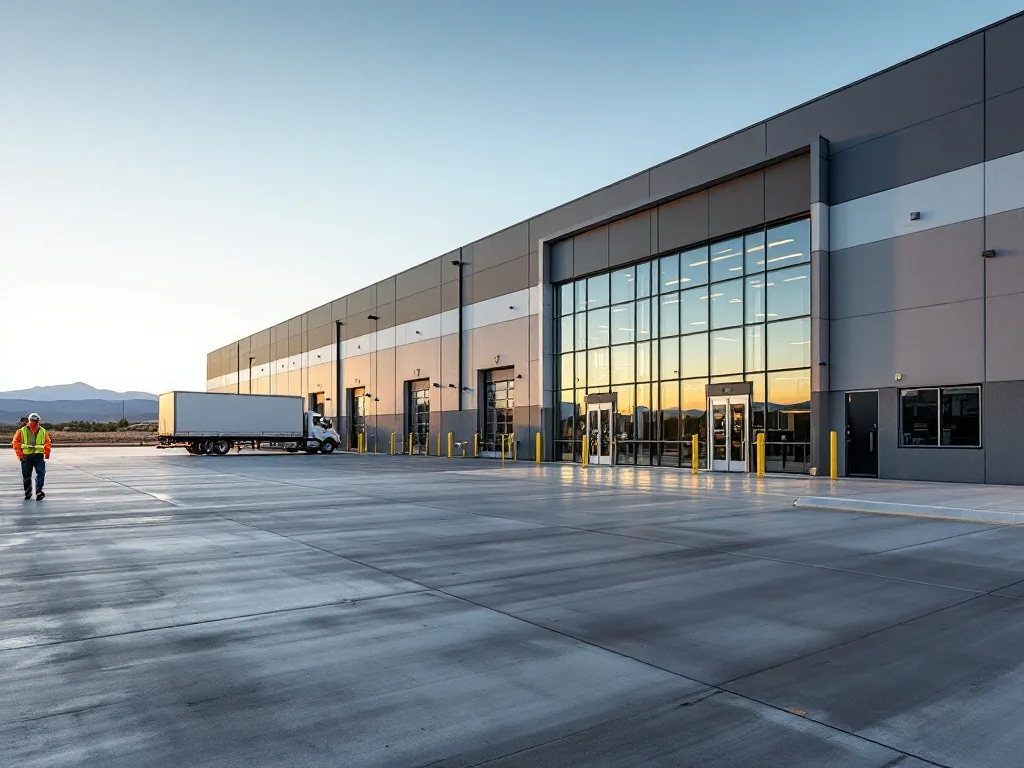
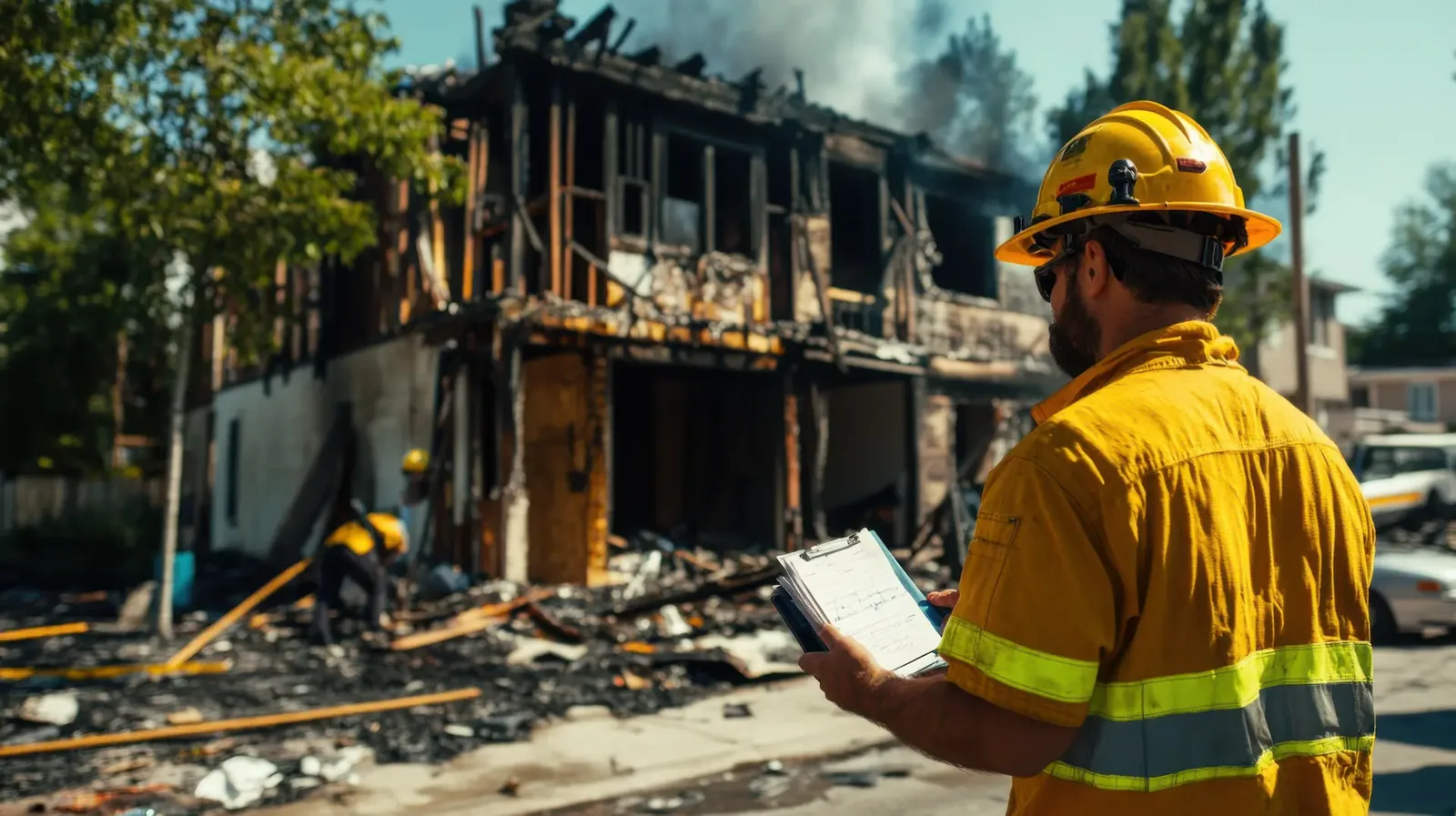
Industrial and manufacturing properties
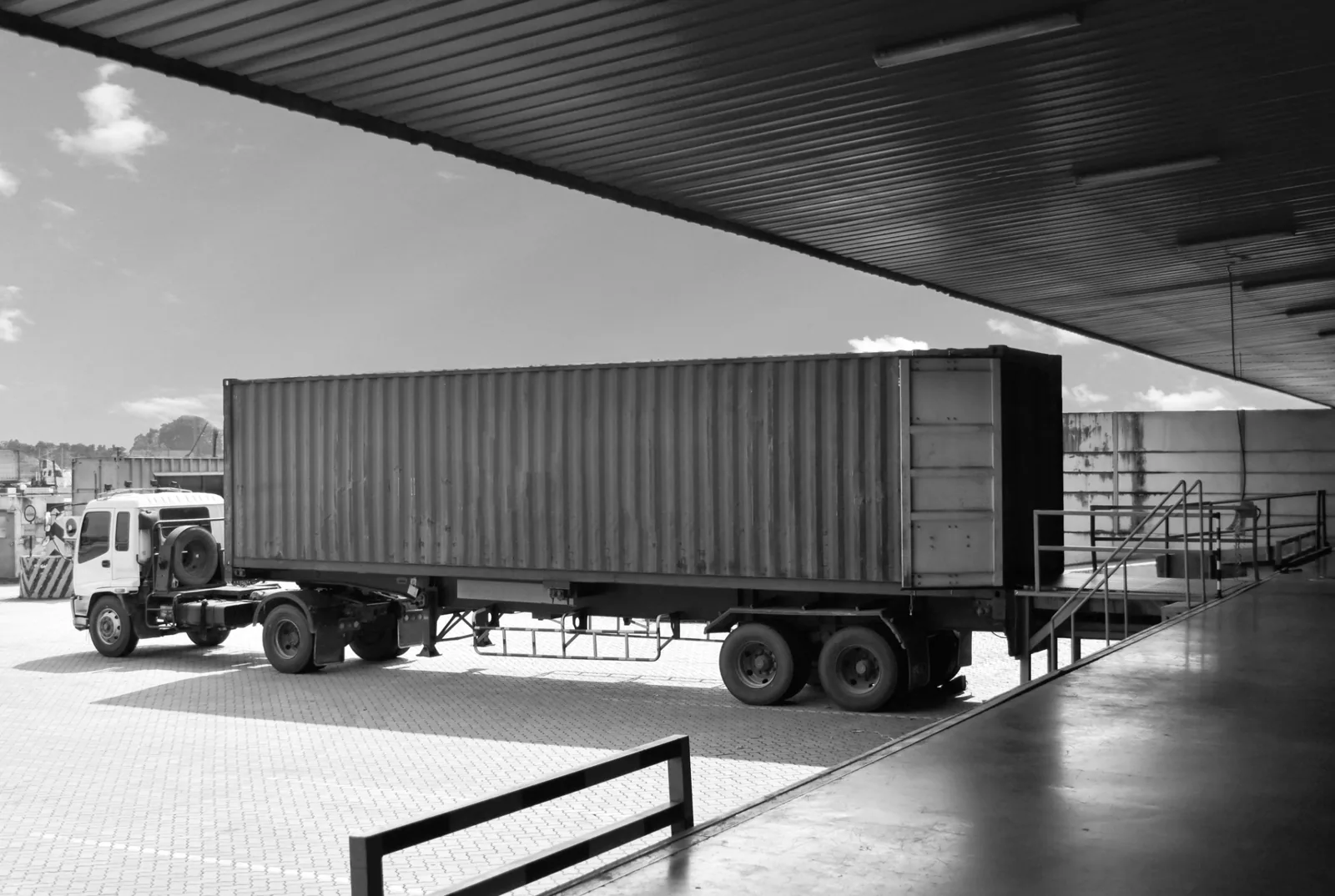
At a manufacturing property, rooftop equipment, process ventilation and deliveries may affect how a crew stages material. A manufacturing roof program begins with the actual attachment and roof sections, then marks any area needing another trade. Merced's industrial sites connect with regional freight routes, but a site's gate, truck, lift and operating limits must be confirmed before work. We ask the manager which service or production areas have fixed windows and carry those limits into the sequence.
Food production and distribution
Food production and distribution bring interior-use questions to the inspection. We locate drains, penetrations and seams above the affected area, then check whether moisture reached insulation or deck. A logistics roof plan can identify loading routes and active dock windows; a cold-storage roof review should state the necessary protection and closure around the work zone. Before setting the roofing sequence, the operator confirms room temperature, sanitation, and access controls for any clean or production space.
Healthcare, office and public-facing uses
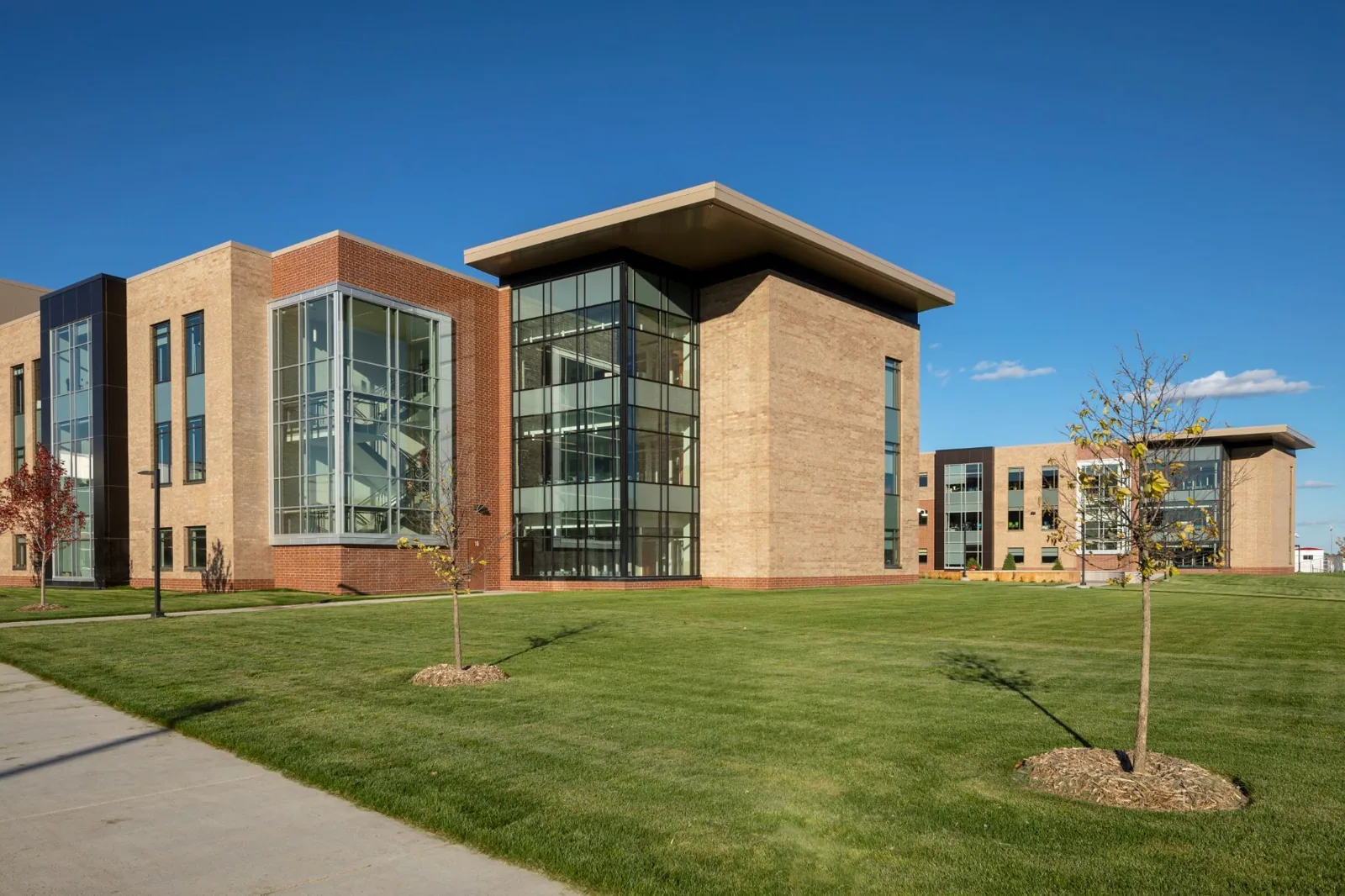
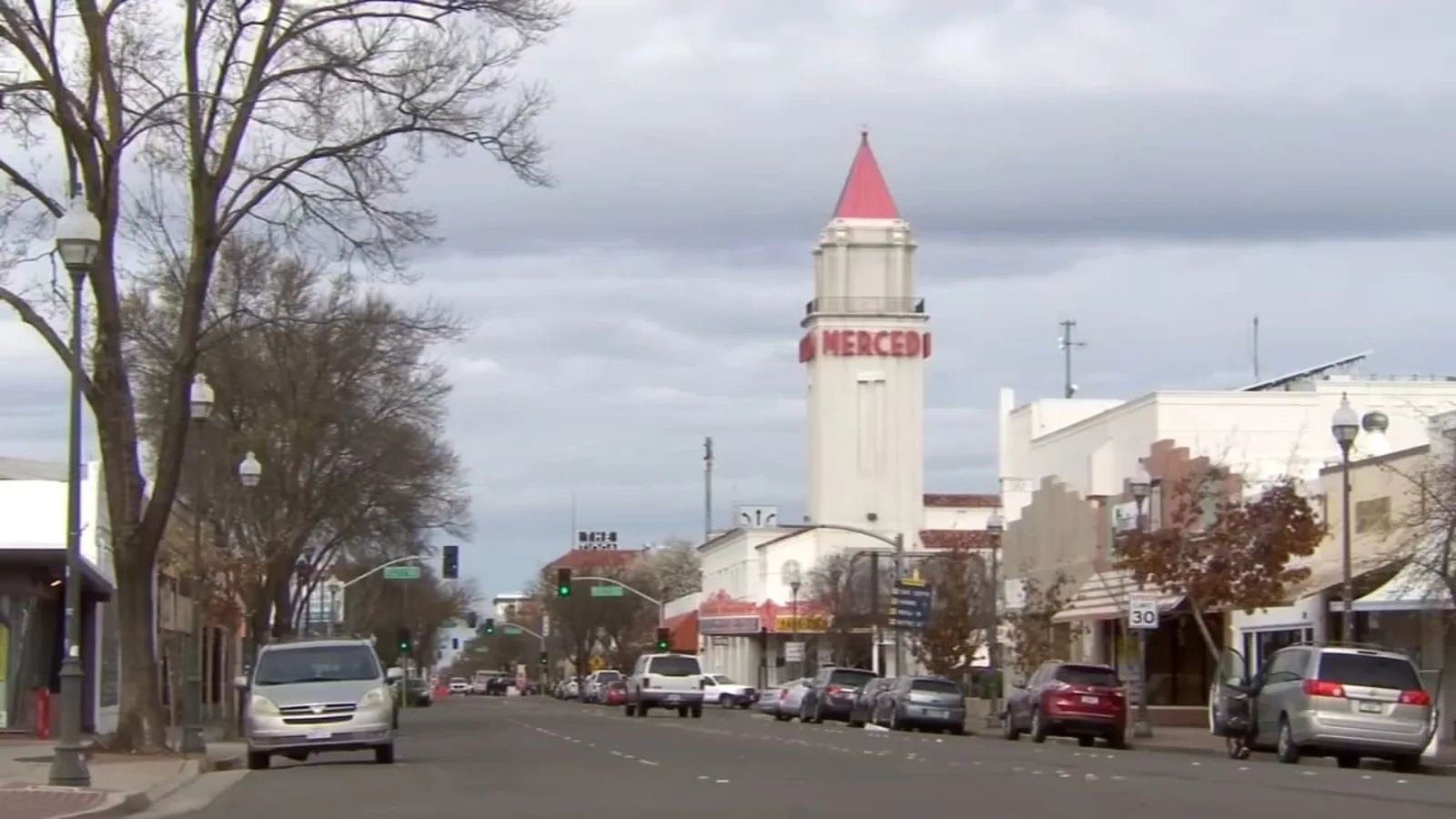
Merced's central business area has public administration, professional services, dining and arts uses. Across an occupied space, a test opening needs interior protection and a closure plan. We identify the room or service area below and coordinate timing with the manager. A healthcare roof assessment or a commercial-office inspection records the affected section without transferring a finding to another building.
One record for each roof
Portfolio owners need comparable findings without flattening different buildings into one condition. We photograph each section, note concealed areas, list repair limits and track the next review. A multi-site program can organize those records by location and urgency. An emergency leak still needs prompt attention, while capital work may depend on access, assembly suitability and procurement. We separate the immediate dry-in from the permanent repair or replacement decision so operations can plan both.
Commercial Roofing Questions
Do industry facts tell you what roof a business has?
No. They help frame the operating questions. We identify membrane, attachment, insulation and deck at the property before selecting a repair method.
How do you schedule work around production?
The manager confirms access, loading, equipment service and work windows. We connect those limits to removal, temporary protection and permanent closure in the sequence.
Can one contractor coordinate a portfolio?
A shared program can organize separate findings and records. Each building keeps its own inspection, condition and repair boundary.
What should a leak scope include?
It should locate the defect, show the layers affected and identify the proposed tie-in. We also document any interior or operating restriction that changes the work window.
Start with the operating constraint
Request a roof inspection with the reported leak area, property use and access window so the scope can be sequenced clearly.