A dark track beneath a curb gives us a place to begin testing. For roof leak repair in Merced, CA, we examine the curb flashing and the adjoining field before closing either one. The useful finding is the route water can take through the assembly. A repair that ignores a second entry point can leave the interior symptom unchanged after the first opening is sealed.
We compare the roof detail with the timing and location of the interior water. Livingston has food-processing uses, and Planada also includes food processing and agricultural industry. Above an operating business, the investigation needs suitable access and protection for the space below. We isolate the suspect details where practical, then connect the repair to the conditions actually found.
The interior pattern and the roof detail
A drip during rain provides different evidence from moisture that appears only during equipment operation. We ask about timing, duration and any recent rooftop work. That helps focus the first examination. Condensation, mechanical discharge and wall leakage can resemble a roof leak indoors. We inspect the relevant roof construction while identifying other building components that may need examination by the appropriate trade.
Ceiling openings and interior observations can help connect the symptom with a roof zone. We look for wet insulation, water tracks and the relationship to penetrations above. Water can travel along a deck joint or another concealed interface. The manager should know which observed detail supports the proposed roof repair and which part of the route remains uncertain. We avoid treating proximity alone as a diagnosis.
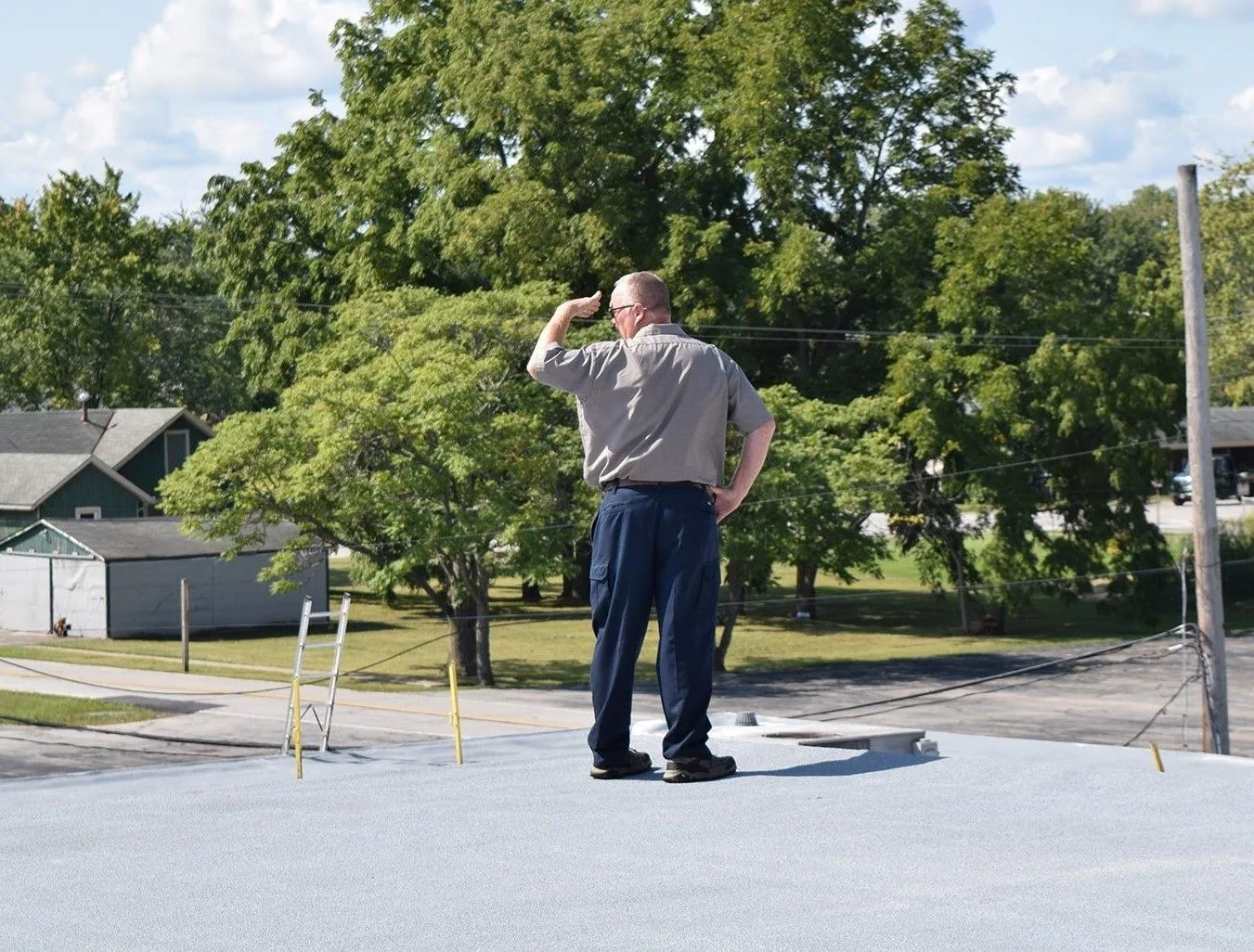
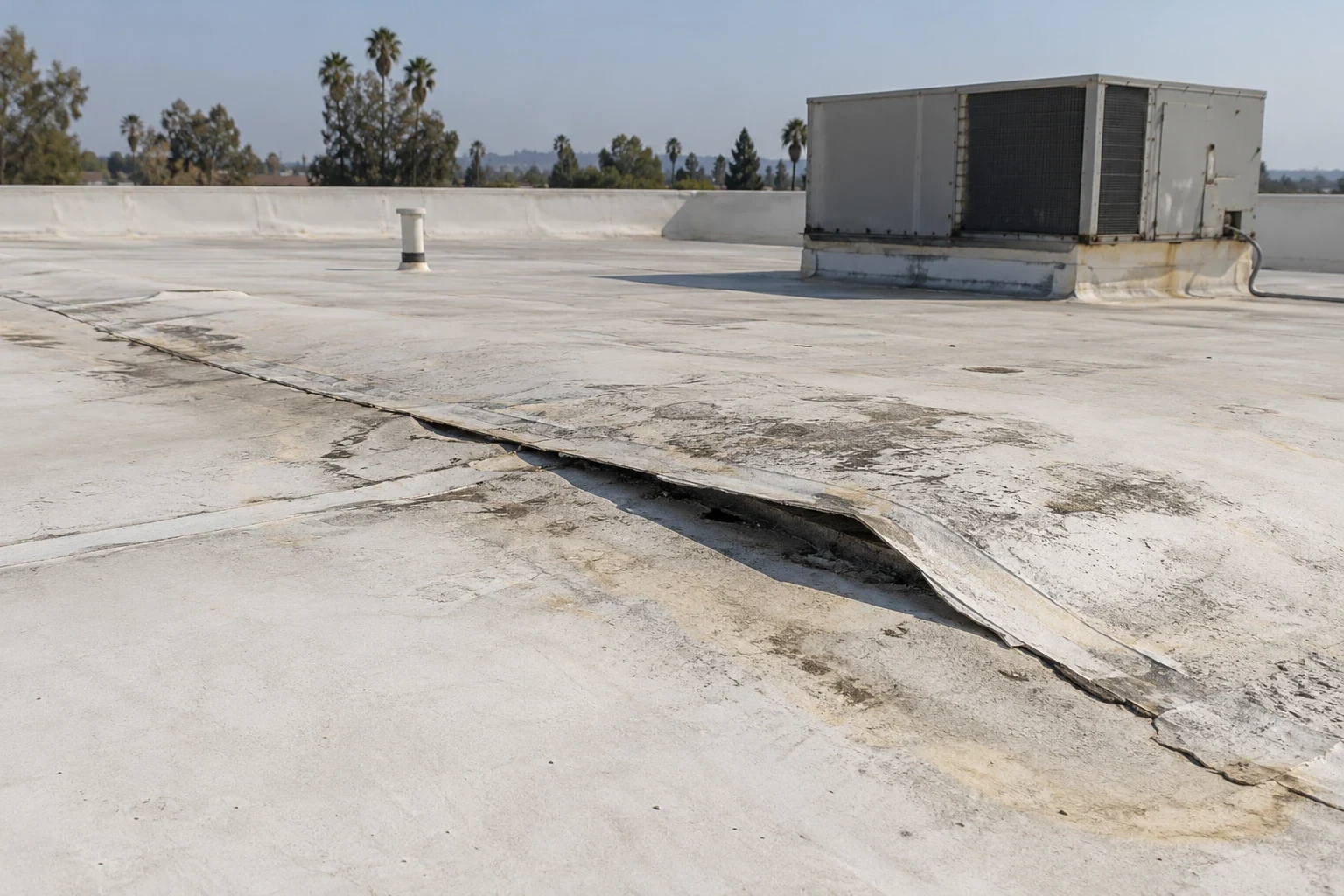
At the roof, we examine field seams, curb corners, drain connections and transitions near the affected zone. A lifted edge or surface split deserves attention even if it has dried by the inspection. A focused roof inspection can also identify separate defects that affect the testing sequence. We distinguish those observations from an entry point confirmed by suitable examination or testing.
Separate examination of suspect connections
Two adjacent suspect details can make a test difficult to interpret. We plan selected testing so one connection is evaluated without unnecessarily wetting another. Suitable water testing may help reproduce a leak, but it needs a controlled method and interior observation. We discuss the risk to occupied areas before introducing water. Some conditions are better assessed by opening the assembly or examining the connection directly.
A negative test is useful only within its limits. The test conditions may differ from the rain event, or the opening may respond to movement that is absent during the visit. We explain the remaining uncertainty and identify the next focused step. Repeating broad wetting without narrowing the question can expose the interior to additional water while producing little better information.
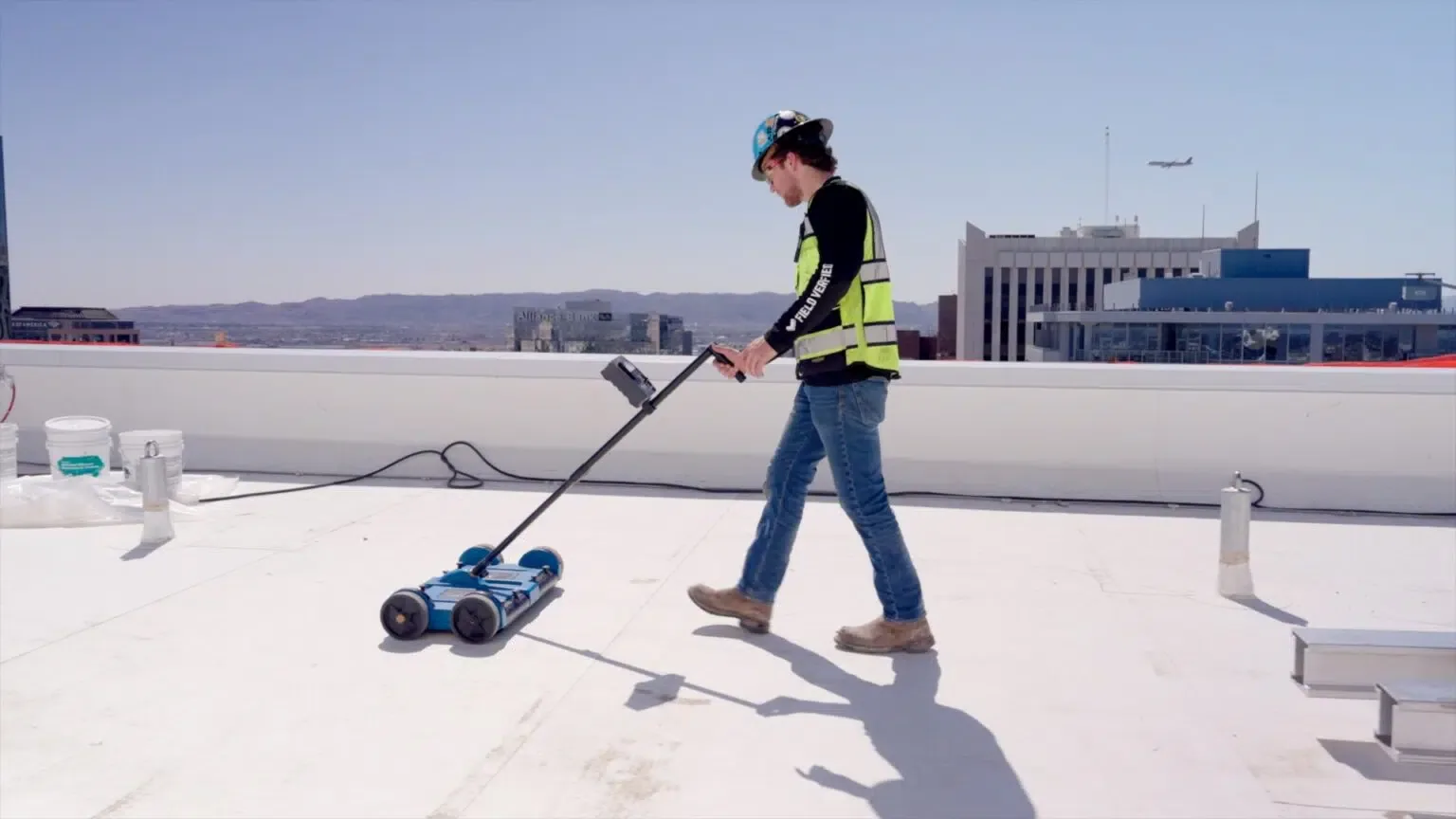
Where water has entered an insulated assembly, an infrared moisture examination may help identify suspect areas for confirmation. A thermal pattern is not a complete leak route. We compare it with the material construction, weather conditions and physical checks. That combination helps separate the likely entry detail from insulation affected after water passed through it.
Closing the entry and removing damaged layers
A confirmed seam opening requires a repair that suits the membrane. Surface preparation, connection width and material condition affect the result. We inspect beyond the separating edge before making the new connection. If the field has enough serviceable material, a localized seam repair can address the opening without replacing an unrelated roof area.
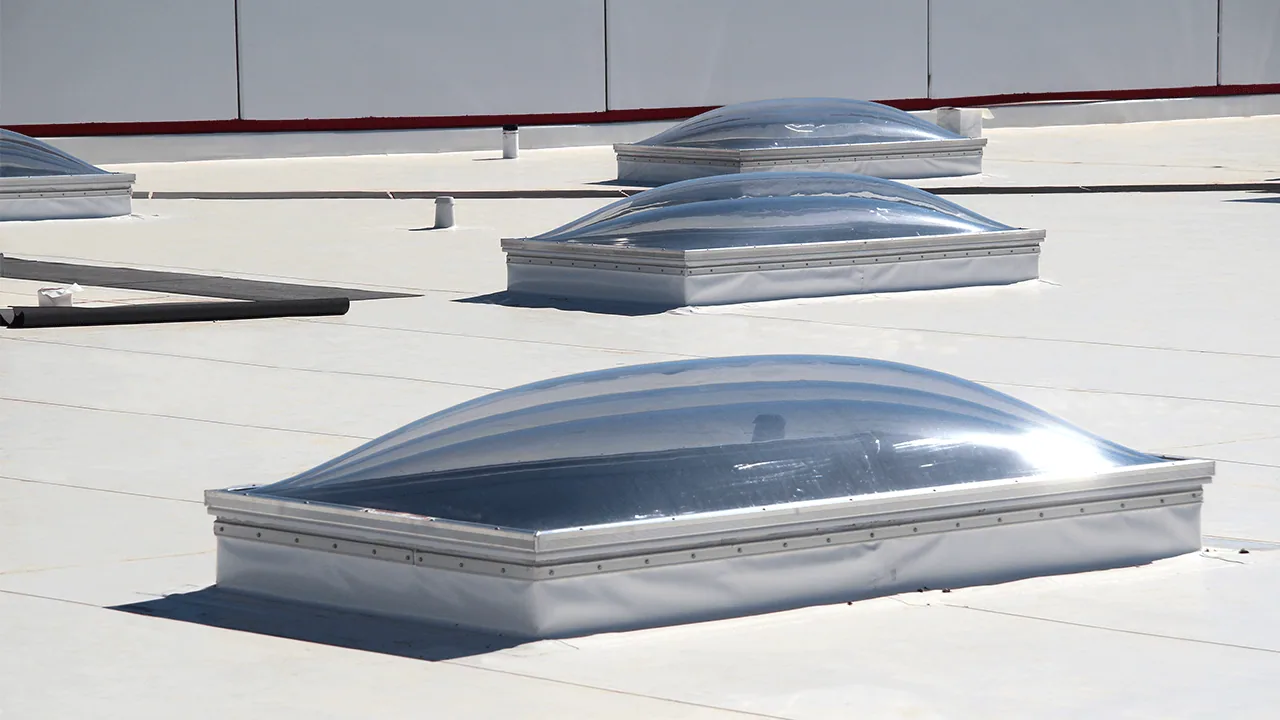
A failed curb corner calls for different work. We examine the flashing shape, attachment and transition into the field. Rebuilding the corner may require removal of old reinforcement or sealant so the new material reaches a suitable surface. Curb and penetration flashing work addresses the full detail. Closing only the outer crack can leave an open path behind the flashing.
Wet insulation needs its own removal boundary. We identify affected material and restore the assembly thickness and support where it is removed. Damaged deck construction also needs attention before roofing closes the area. The proposal distinguishes the leak-entry repair from the work required beneath it. That distinction explains why a small visible opening can lead to a more substantial repair scope.
Rain exposure and an active interior
An opening above occupied space can need temporary protection while permanent repair is arranged. We select the interim approach for the roof material, access and current conditions. Temporary measures have a defined role. They should not become an unexamined substitute for rebuilding the failed detail. Emergency leak stabilization can address immediate exposure when the permanent construction cannot yet proceed.
Merced rainfall normals are concentrated more heavily in winter than midsummer. A leak found during a dry interval still merits attention before another rain period. Heat movement can also affect a strained flashing connection. We examine the detail while it is accessible and explain the work window needed for preparation, layer removal and closure. A dry roof at the visit does not erase a visible opening.
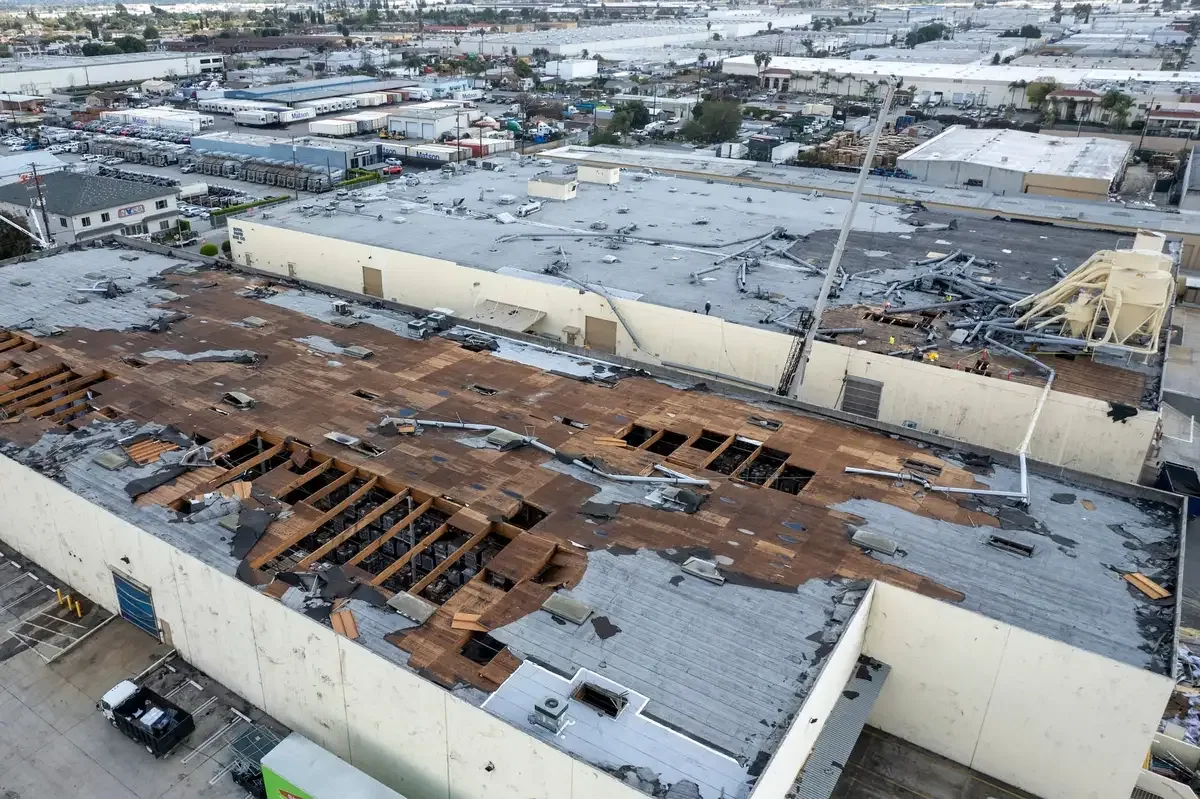
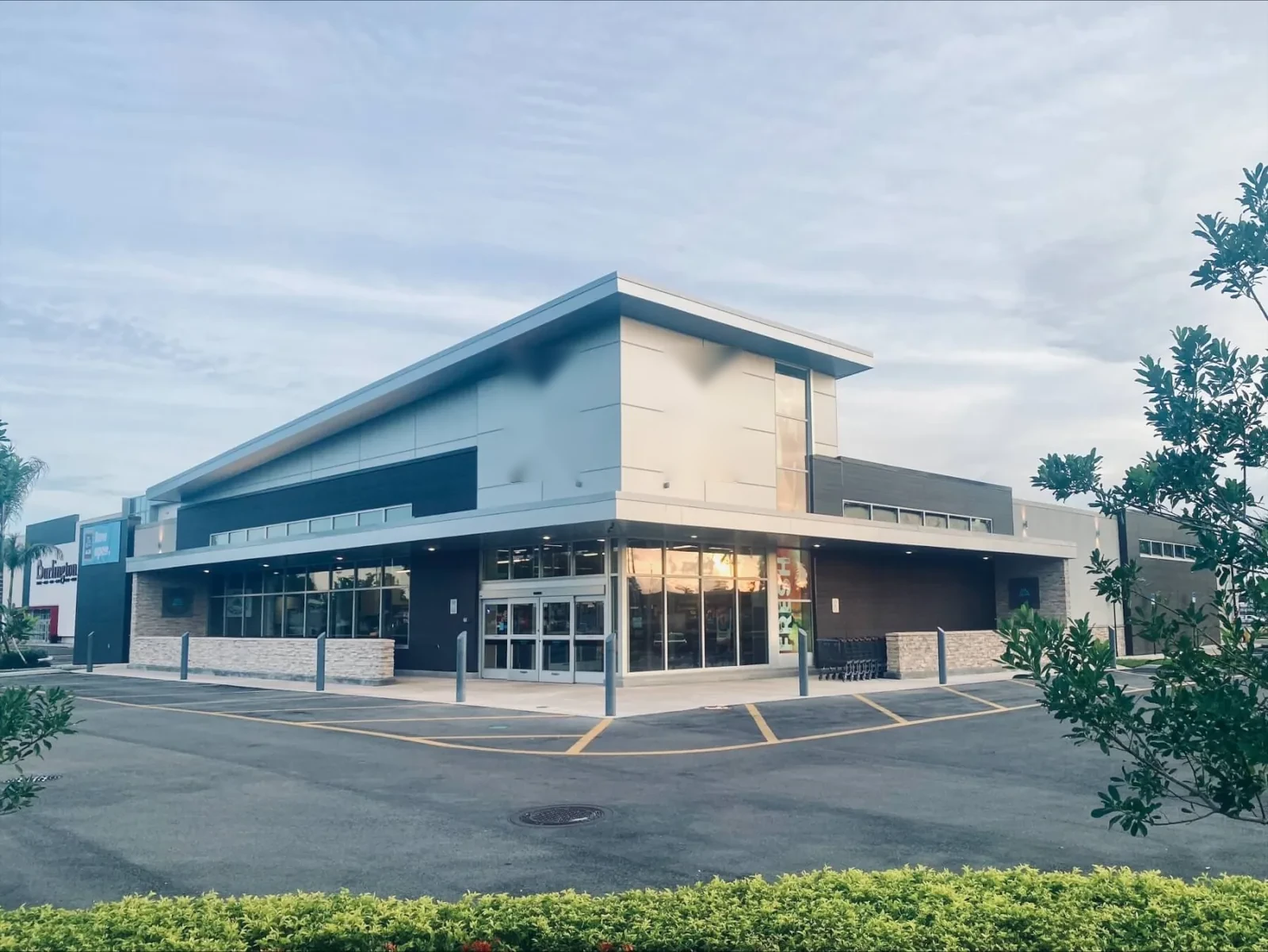
For a grocery building, water near stock, electrical equipment or public areas changes the immediate interior response. We coordinate the roof investigation with the building team so those areas receive appropriate protection. The same roof defect can have different operational consequences depending on what sits beneath it. That consequence helps set urgency, while the membrane condition determines the repair.
A testable repair result
After construction, we inspect the completed connection and consider appropriate follow-up examination. A field repair needs a sound perimeter. A drain or curb repair needs a complete connection through its detail. Where controlled testing is suitable, we discuss how it can assess the repaired area without causing unnecessary interior exposure. We also identify any separate suspect details that were outside the agreed work.
In Planada, established agricultural and food-processing activity makes a clear repair boundary useful for managers protecting operating space. The report identifies the location repaired and the affected roof layers. It distinguishes remaining observations from completed construction. A later interior symptom can then be compared with the actual repair location instead of treating the whole roof as an undifferentiated leak problem.
We ask the building team to retain the timing and location of any later water. That information changes the next investigation if a separate path remains. A completed surface repair does not remove water already trapped in interior materials. The manager needs to distinguish drying of affected finishes from renewed entry so the next response addresses the correct condition.
Commercial Roofing Questions
Why test two nearby curb corners separately?
Separate testing can identify which connection admits water. Wetting both together may reproduce the symptom without locating the failed detail. We choose a method suited to the roof and discuss interior protection before testing.
Can a leak be investigated during dry weather?
Visible openings, affected layers and interior water tracks can still provide evidence. Suitable targeted testing may add information. We explain which findings are established and which need further examination rather than waiting for another uncontrolled interior leak.
Does a sealed opening mean wet insulation can stay?
Saturated insulation requires a separate condition assessment. Closing the entry leaves that moisture in the assembly. We identify affected material and include removal where needed to restore appropriate support and construction beneath the repair.
How should a manager describe water that returns after repair?
Record its location, timing and relation to rain or equipment operation. Photographs of the interior symptom help. We compare that information with the repaired detail and inspect for another path or moisture remaining in affected interior materials.
Examination of the leak route
Arrange a roof visit focused on the wet interior zone, nearby flashing and the layers along the suspected water path.
Related Roofing Work