A puncture may be smaller than a hand, yet the opening can expose insulation and deck to water. On a Merced commercial roof, we identify the membrane, inspect the edges of the damage and check the substrate before selecting a patch. A sharp tool, dropped fastener, service cart or other impact can leave a different surface pattern. The cause matters because a repair that ignores repeated traffic or an exposed sharp edge may be short-lived.
Merced averages 99.7 days per year at or above 90°F in Merced station normals. Exposed membrane experiences prolonged heat, but heat does not establish the puncture source. We document the hole, surrounding material, any displaced protection and evidence of moisture below. The manager receives a clear description of the damage and a scope limited to the layers and area supported by inspection.
Establish the damage boundary
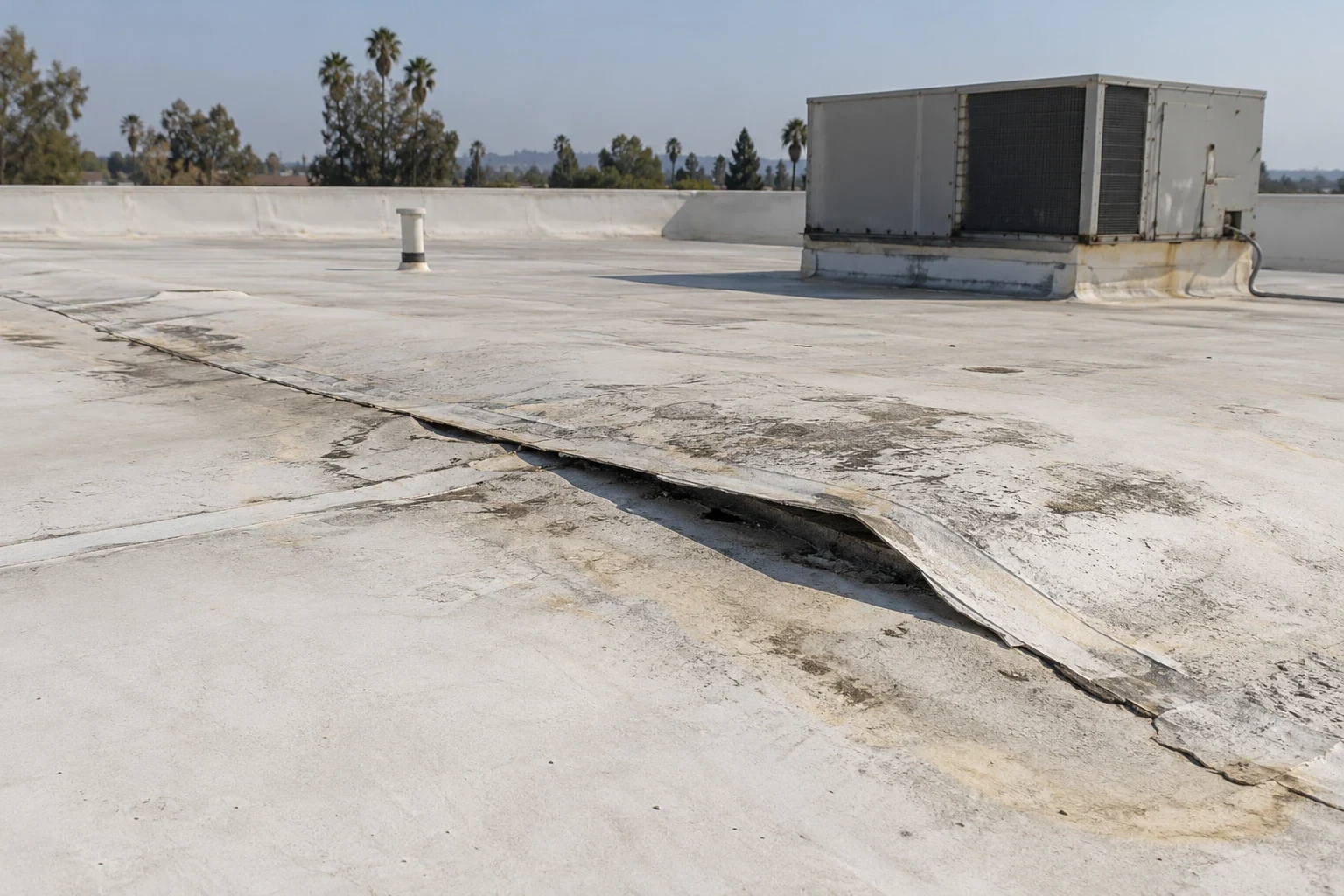
We inspect the puncture perimeter for cuts, stretched material, abrasion and contamination. A hole can have a narrow opening with a larger underside tear, especially where the sheet was pulled or struck at an angle. We examine nearby seams, flashing and pathways used by maintenance personnel. The roof plan or a marked photograph helps record the exact location so later repairs do not become difficult to find.
Interior staining or active dripping should be connected to the roof observation carefully. Water can move horizontally through insulation or follow a deck joint. We check for soft cover board, depressed material or visible wetness where the assembly permits. If a test opening is appropriate, it should answer whether water reached lower layers, and its closure must be included in the repair. Moisture survey work may help map suspected wet areas, but it does not replace direct confirmation where a specific layer needs to be seen.
A puncture near a drain, curb or field seam may be part of a larger detail failure. We inspect those adjacent connections before treating the hole as an isolated defect. Flashing-failure repair is a separate scope when a transition has opened. The report should distinguish the puncture itself from surrounding conditions that were examined but not found to require work.
Impact, abrasion and repeated access
Impact damage can leave a clean cut, a tear, a crushed area or a gouge through several layers. Abrasion often produces a worn path where repeated movement has rubbed the membrane. A puncture under a tool or rooftop component may require changing how the item is supported or accessed. We look for the condition that could recreate the opening. The repair plan should address the source when it is visible and within the roofing scope.
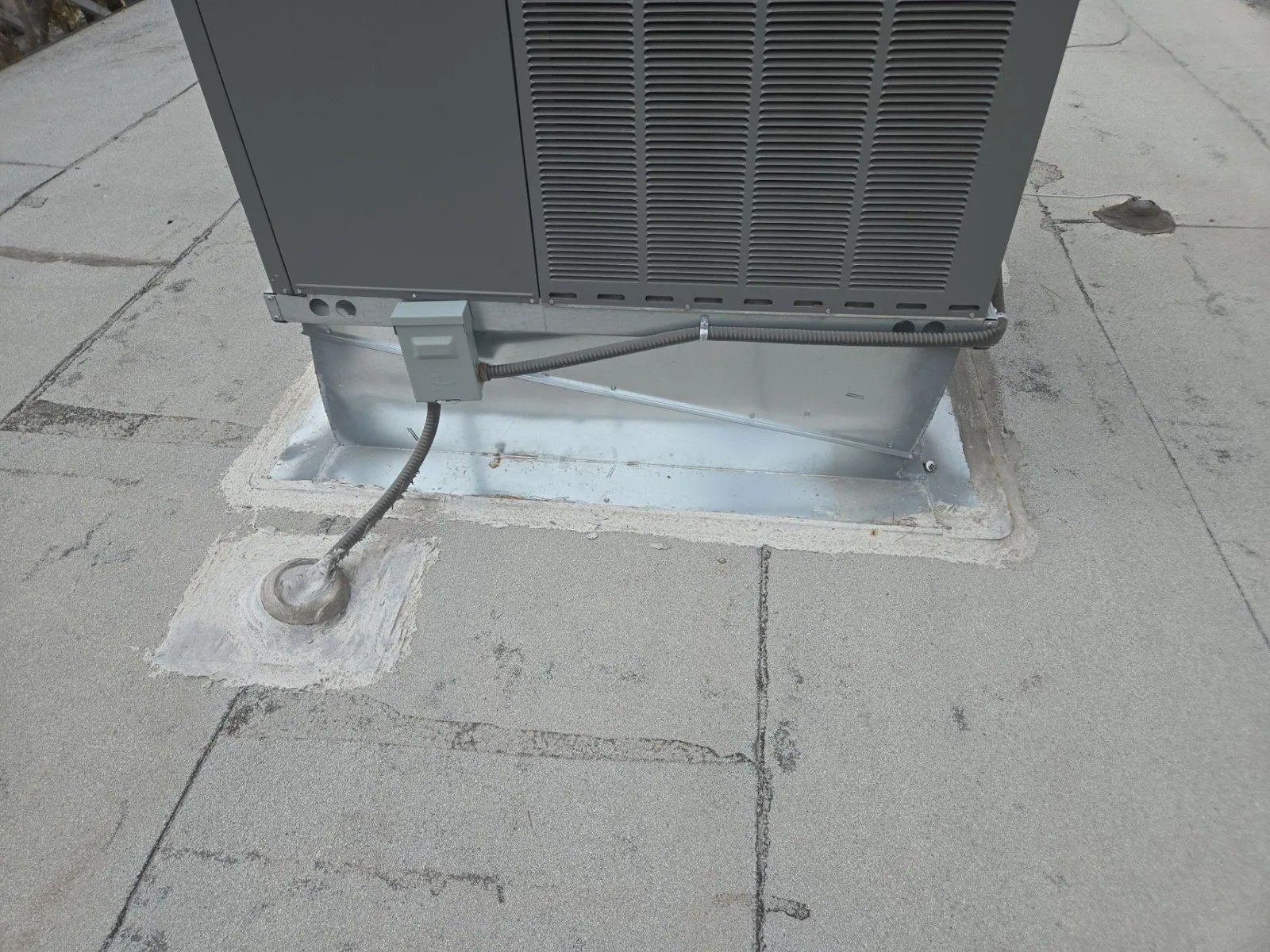
Maintenance routes and equipment work can concentrate foot traffic. A walkway or protection pad may be appropriate where staff repeatedly cross the same zone, provided the product fits the assembly and does not trap moisture. We do not add a walkway automatically. We ask who uses the route and whether the area needs access for filters, wiring or service. Rooftop equipment support work may be relevant if the puncture relates to a loose base or poorly protected service area.
Membrane systems differ. A thermoplastic sheet can be repaired with a compatible welded patch after suitable preparation. EPDM generally relies on a compatible adhesive or tape method. Modified bitumen and other assemblies require their own repair materials. We confirm the roof type from records or field conditions rather than choosing a patch based on color alone. The new connection must engage clean, sound material beyond the damaged edge.
Restore the complete assembly
For a surface-only puncture, the crew removes contamination, prepares the membrane and installs a patch that extends beyond the damaged area with the required edge treatment. If the sheet around the hole has stretched or become brittle, a larger repair may be necessary to reach stable material. The work record should identify the patch material and the prepared boundary. A surface bead of sealant is not a substitute for a compatible membrane repair.
When insulation is wet, the affected material must be removed and replaced before the membrane closes the roof. We inspect cover board and deck for damage and state the limits of any opened area. Seam-failure repair may be needed if the puncture connects to a separated lap. A broad array of punctures or repeated cuts can justify a larger condition review, while one isolated opening does not prove the entire roof needs replacement.
The scope should include removal, disposal, any lower-layer replacement, membrane repair and final inspection. It should also describe how temporary protection will be handled if weather interrupts the work. If new damage appears as material is opened, the crew documents the finding and receives direction before extending the approved boundary.
Protect operations below
A puncture repair usually needs limited roof access, but opening the assembly can expose the interior. We plan the work around the location of equipment, goods and people below. The site contact identifies sensitive areas, ceiling access and any building activity that should pause during removal. We mark the repair zone and confirm how the area will be left at each break in the work.
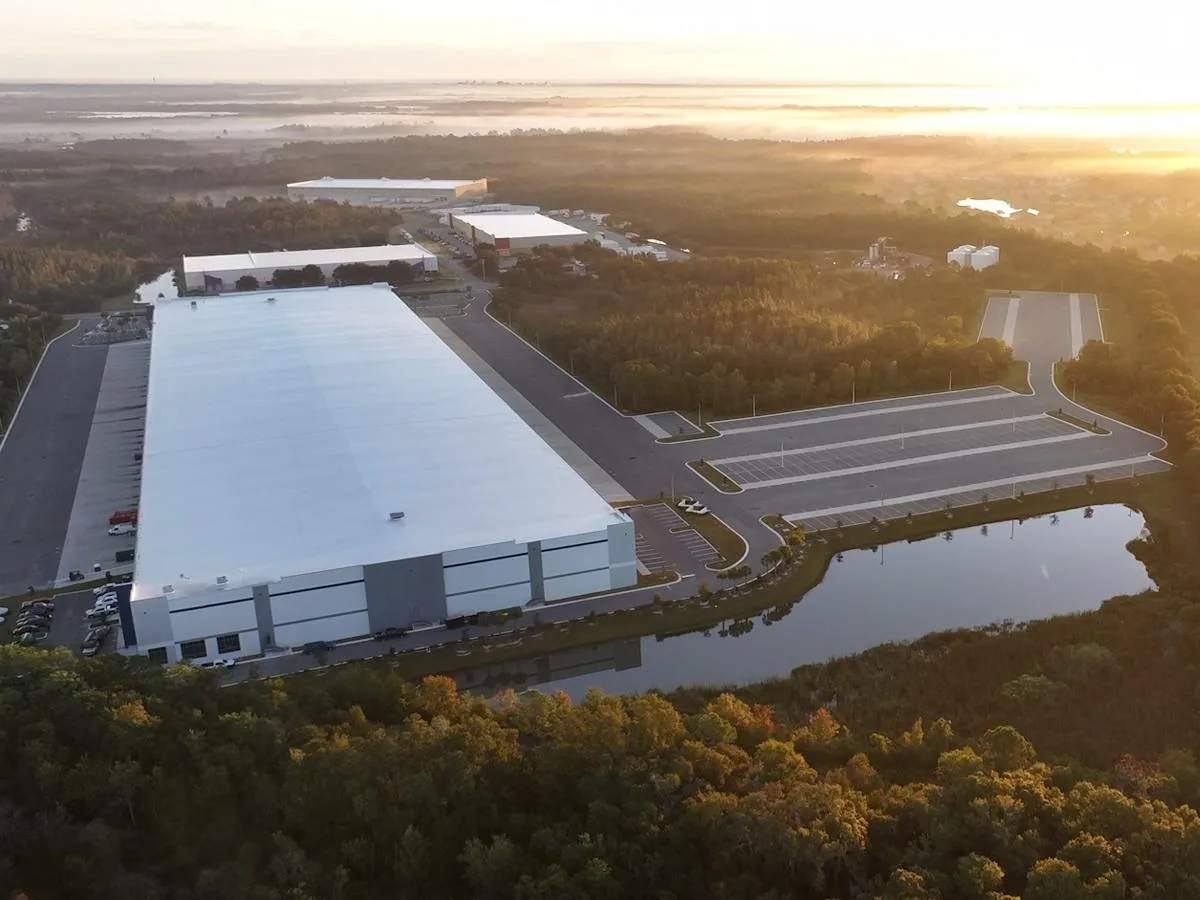
Merced’s economic-development material identifies industrial parks with Highway 99 and rail access, and local key industries include food and grocery distribution. At a distribution facility, puncture repair above stored product calls for clear interior coordination. An office may require a different access window. The manager should know which detail is being repaired and when the roof area is expected to be closed.
Closeout includes photographs before and after repair, a location reference, materials used and any concealed conditions found. If the puncture source could not be confirmed, the note should state that rather than imply certainty. Commercial roof repair in Merced can be requested with the roof area, visible opening and any interior symptom.
Localized patch or expanded work
The repair decision depends on the condition of the membrane around the opening and the layers beneath it. A small puncture in sound material may be isolated. A cut near a failing seam, a wet insulation zone or multiple impact points may need a larger boundary. We explain what was observed, what was opened and what remains untested. The owner can then approve repair work with a defined endpoint.
Request an inspection by describing the approximate puncture size, location relative to equipment or roof access and any date the damage was first noticed. Include a photograph with nearby landmarks if available. We can identify the assembly, inspect the repair surface and recommend a compatible patch or a deeper correction when the evidence requires it.
In Southeast Merced, the adopted plan describes Santa Fe Industrial Park extending from Highway 140 toward Mission Avenue, east of Campus Parkway. The broad industrial area is different from the Turlock Regional Industrial Park, a multi-parcel district. The roof access route and puncture source still need site-specific confirmation.
Commercial Roofing Questions
Can you patch a puncture without replacing the whole membrane?
Often. A localized repair is appropriate when the surrounding sheet and supporting layers are sound. The inspection sets the limit.
What if the puncture has wet insulation beneath it?
Wet material may need removal and replacement before the membrane is restored. A test opening can confirm the layers involved.
How do you prevent another puncture?
We look for the cause, such as repeated traffic, abrasion or an exposed edge. Protection or access changes can be included when appropriate.
Should I cover a puncture before your visit?
If water is entering, protect the interior and contact the site team. Avoid placing incompatible materials over the roof; describe any temporary measure used.
Inspect a punctured membrane
Request an inspection of the opening, nearby seams and layers below. We will identify the membrane and define a compatible repair boundary.
Related Roofing Work