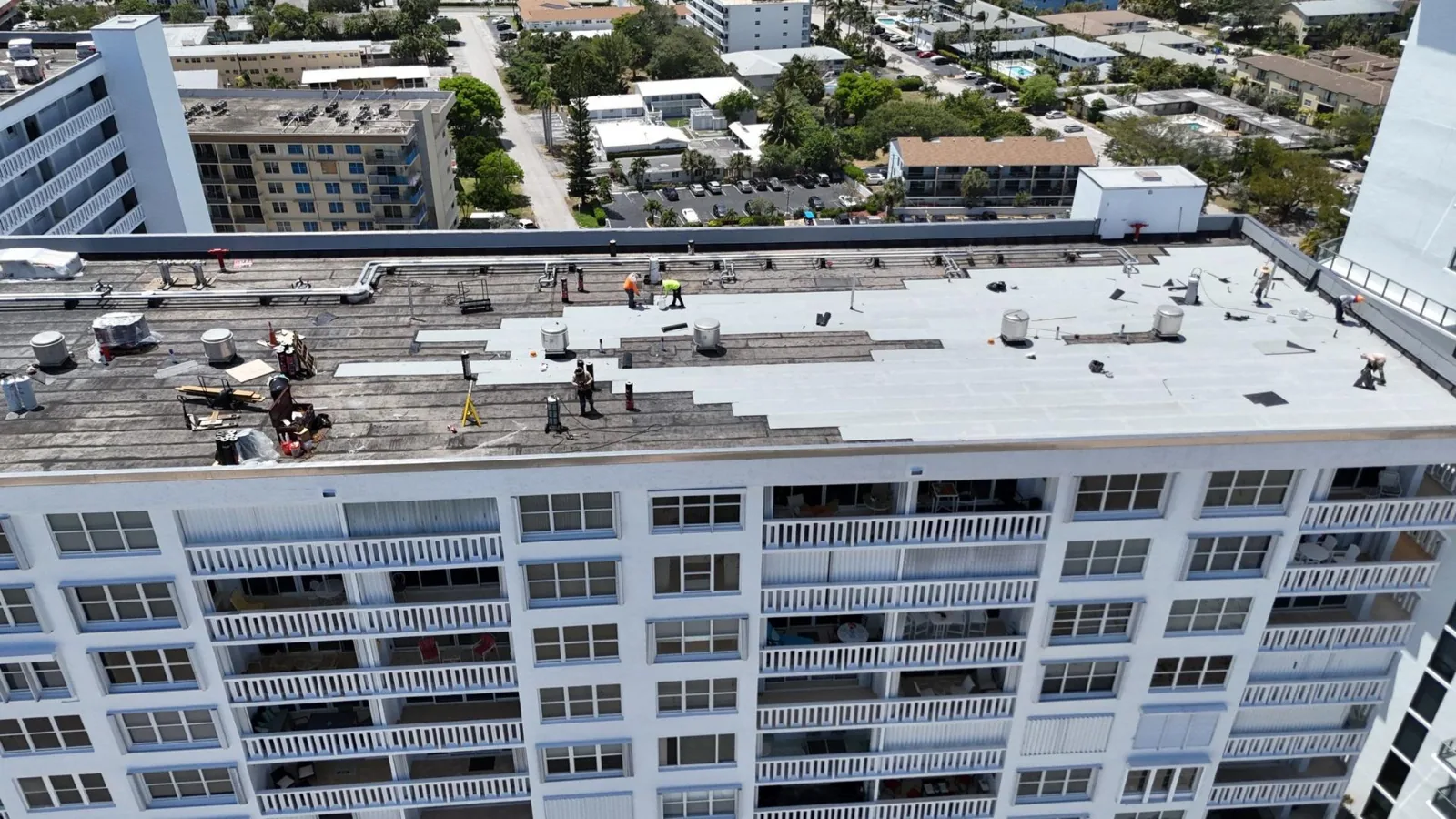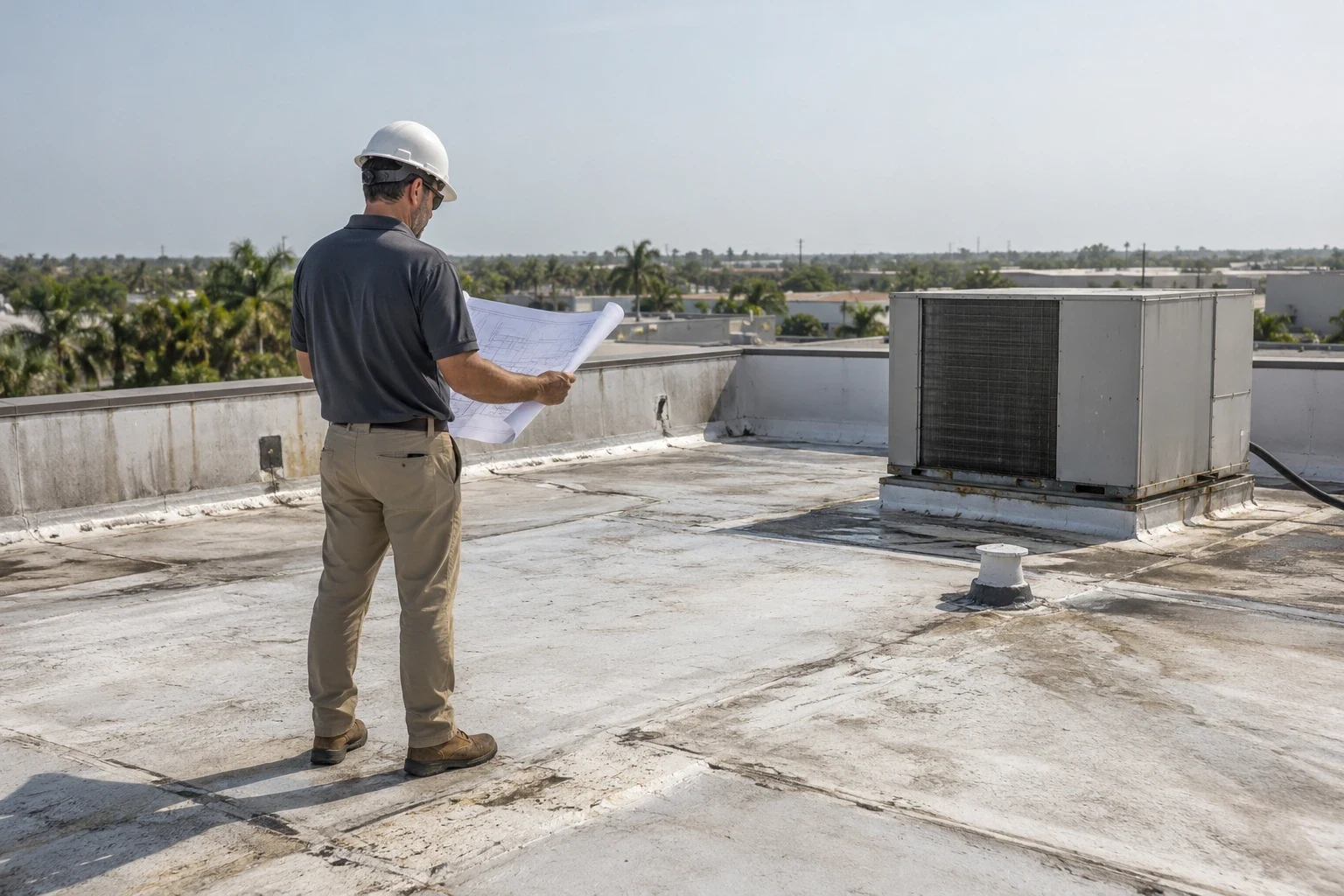
Different attachment findings at two roofs can require different repair packages even when their coverings appear similar. A multi-site plan needs those findings retained before one material order is assigned across the properties. Commercial Roofing Merced coordinates roof programs in Merced, CA with each site's assembly evidence and work boundary kept distinct. We compare the next actions. The manager can group suitable tasks without extending one examined roof's support condition to another.
The city's industrial parks contain light- and heavy-industrial sites connected to Highway 99. Downtown Merced has offices, restaurants and government uses. A portfolio spanning those settings needs actual building arrangements reviewed. We record access and occupied-space protection with the roof findings. The combined program identifies the material question, removal limit and closure required at each property before its construction sequence is approved.
Individual roofs and assembly areas
Identify the buildings and roof sections included. Different elevations, additions and coverings may have separate construction histories. We locate them before comparing tasks. Shared drainage or walls remain recorded where they affect another area. A whole-property label can hide the boundary needed for a repair. The program should enable a manager to find the assembly being changed and distinguish it from roofing outside the accepted work.
A site record of roof construction can retain installation descriptions and later alterations. Available drawings stay attributed to their documents. Current physical findings keep their own status. Where support or moisture remains concealed, identify the assessment needed. The program can then distinguish a property ready for a defined correction from another requiring investigation before its removal amount or preparation method can be established.
Comparable findings and examination methods
Use a consistent method to locate observations. We record the roof area, accessible detail and examination undertaken. Photos need enough orientation to identify the connection at a later visit. A close view alone can show a split without locating it among similar features. The comparison retains support, material and operating consequences. Two open seams can share a defect label while needing different preparation or a different scope for concealed material.
A condition report for a specific building separates interior water accounts from confirmed roof entry routes. One property may have an identified defect ready for repair. Another may need further access before the source is known. Keep the next action and its purpose visible. A grouped leak list should not treat investigation and permanent closure as equivalent work merely because both began with reported water.
Priorities and operating consequences
Current water entry and exposed connections can need protection before a planned maintenance task elsewhere. We explain the observed condition and its consequence below the roof. The priority entry states whether the next action protects, investigates or permanently corrects the detail. A rating alone does not establish the authorization needed. The manager should be able to explain why one site moves ahead and what work another property still requires during the interval.
For roof repairs above warehouse space, stock and loading arrangements may affect staging. Office properties can need room access and equipment coordination. We discuss the actual restrictions at each building. The program retains the decision still needed before a task can proceed. Common ownership does not establish the same operating access. The manager can coordinate suitable work while keeping a site-specific restriction attached to the roof it affects.
Removal boundaries and daily closure
Each roof needs its own opening limit. We identify the construction removed, temporary protection required and permanent connection completing the stage. Walls, drainage and equipment can affect where that stage ends. A removal portion suitable for one building may leave another without a practical closure. Keep those details with the combined schedule. The program should show which site needs a revised boundary when access or preparation changes.
Staging for occupied roof work connects those limits with the space below. Merced's climate normals show hot summers. Product application still depends on selected requirements and actual surface condition. We review the proposed work window and the protection needed during an interruption. The program retains the reasons a stage must change. A chosen season should not imply that every property's opening can remain exposed or accept the same preparation method.
Procurement after suitability review
A shared finished covering does not establish the same underlying scope. We review retained material, support and attachment before grouping purchases. A suitable assembly needing a local flashing correction differs from roofing with affected insulation requiring removal. The program preserves those obligations. The manager can compare proposals against the actual construction they change, without assuming that one selected product makes every roof suitable for the same intervention.
A capital plan for the portfolio roofs connects amounts with the established scope at each site. Investigation allowances and separate trade tasks remain stated. A wider finding should revise the affected property's work package before its amount is carried into the combined decision. Permit and energy-code review remain tied to the jurisdiction and project circumstances. Coordinated scheduling does not establish that requirements for one city's repair apply to every neighboring property.
Completed work and remaining tasks
Record acceptance at the actual roof location. We retain removed material, preparation findings and the permanent connection completed. Photographs of exposed layers remain with the individual work entry before the finished surface hides them. Surrounding retained components keep their own status. A portfolio summary showing completion should reference that detail. It should not imply that a repaired connection renewed every roof area at the building.
A maintenance plan for retained components can keep deferred details and drainage under observation. We identify the condition that should prompt another assessment. New equipment or wall work needs its own entry where it changes the assembly. The manager can then compare current findings with accepted construction before authorizing another correction. The combined program remains an overview while the site record carries the evidence needed for the next visit.
A property joining or leaving the program needs its roof history handed over. Identify open findings, completed actions and available document obligations. The next person arranging work needs access and protection information as well as the roof location. A transfer in ownership or management does not establish that an unresolved construction question was corrected.
Record any accepted phase that still connects to older retained roofing. The next capital package must account for that interface. The program should identify what can be reused, what needs another examination and which adjacent component remains outside the planned removal. That keeps later work tied to the actual completed boundary.
Identify who retains each site record and who can authorize further examination. Those responsibilities matter when a new finding needs access or a change in the work sequence. Keep the next action connected to the person able to arrange it.
Commercial Roofing Questions
Can similar coverings share one assembly finding?
Examine each roof. Retained support, moisture and attachment can differ beneath similar surfaces. Keep the evidence and outstanding question with the particular property.
What should explain a program priority?
Identify the defect, occupied-space consequence and next action. Distinguish protection, investigation and permanent correction so the manager can authorize the appropriate task.
Does a combined schedule establish daily closure?
Each roof needs its own opening limit and suitable connection. The schedule should reference those arrangements and identify changes requiring another site review.
Where does the accepted work record belong?
Retain it with the individual assembly history. The portfolio overview can reference completion while keeping removal, preparation and remaining tasks available at that site.
The site-by-site roof work boundary
Schedule a program examination with Commercial Roofing Merced to compare assembly findings and establish the appropriate work sequence for each property.
Related Roofing Work