An opening along a field seam needs a located record before it is repaired. The next inspection must be able to distinguish that rebuilt seam from adjacent material left in service. Commercial Roofing Merced manages commercial roof assets in Merced, CA by connecting current findings with accepted work and further examination. We identify the roof area, accessible assembly and question affecting the next intervention. The record supports a construction decision rather than substitute for another visit when condition changes.
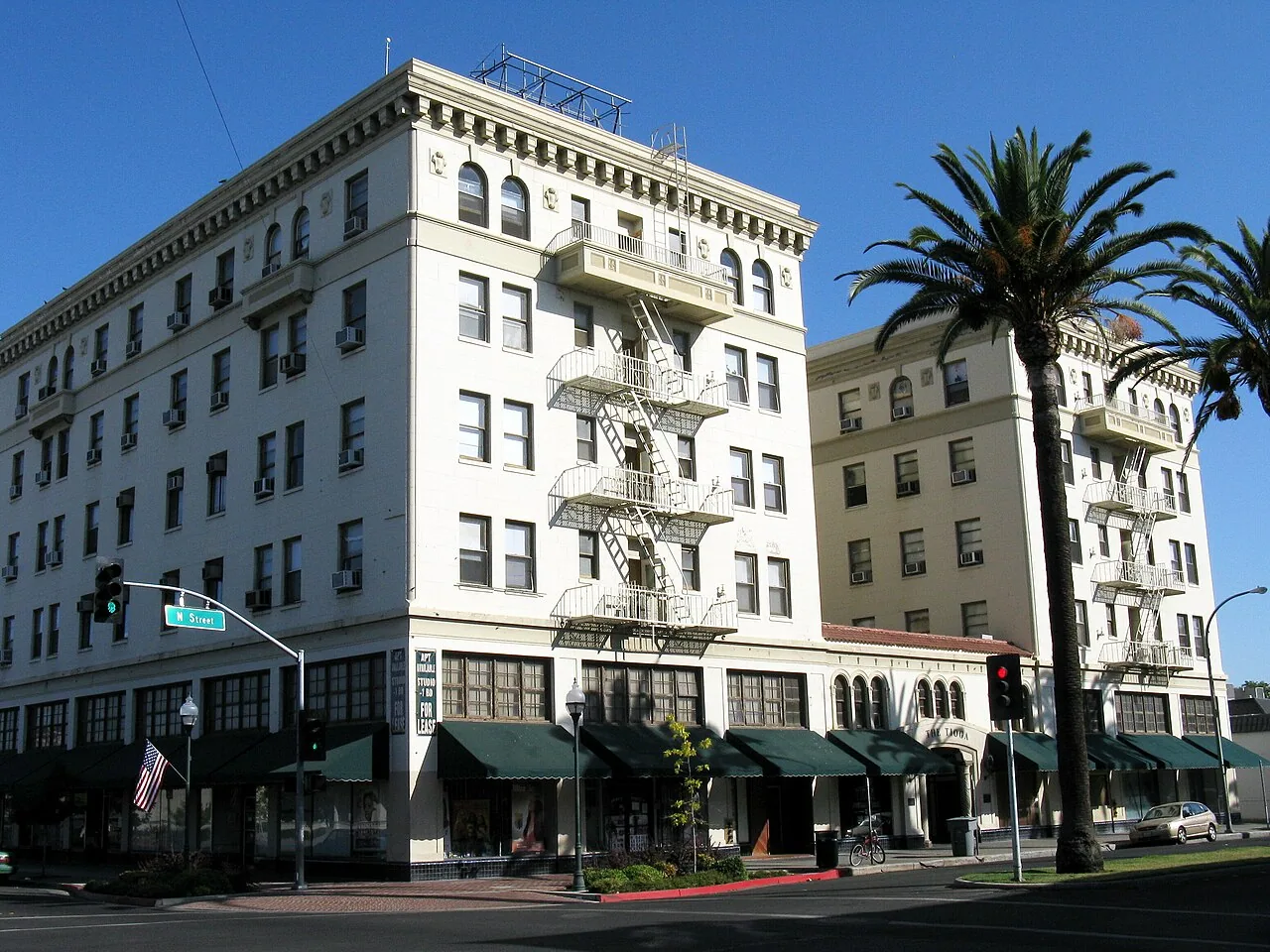
Downtown Merced contains professional offices and restaurants. Merced's industrial parks include food and grocery distribution businesses with Highway 99 access. Different uses require actual building access reviewed alongside the roof. We retain those arrangements with the material findings. The manager can then locate completed repairs and unresolved tasks without transferring one roof section's condition to the rest of the property.
Shared drainage also needs a roof-area reference. An upper section can discharge onto a lower surface, and one outlet may serve several parts of a property. We identify those accessible connections so a later alteration is reviewed against the receiving area. A restricted discharge can affect more than the membrane beside its inlet. The asset record retains that relationship and the examination needed where concealed piping prevents a complete account of the water path. The next manager can locate the connected areas before arranging a correction.
The current assembly baseline
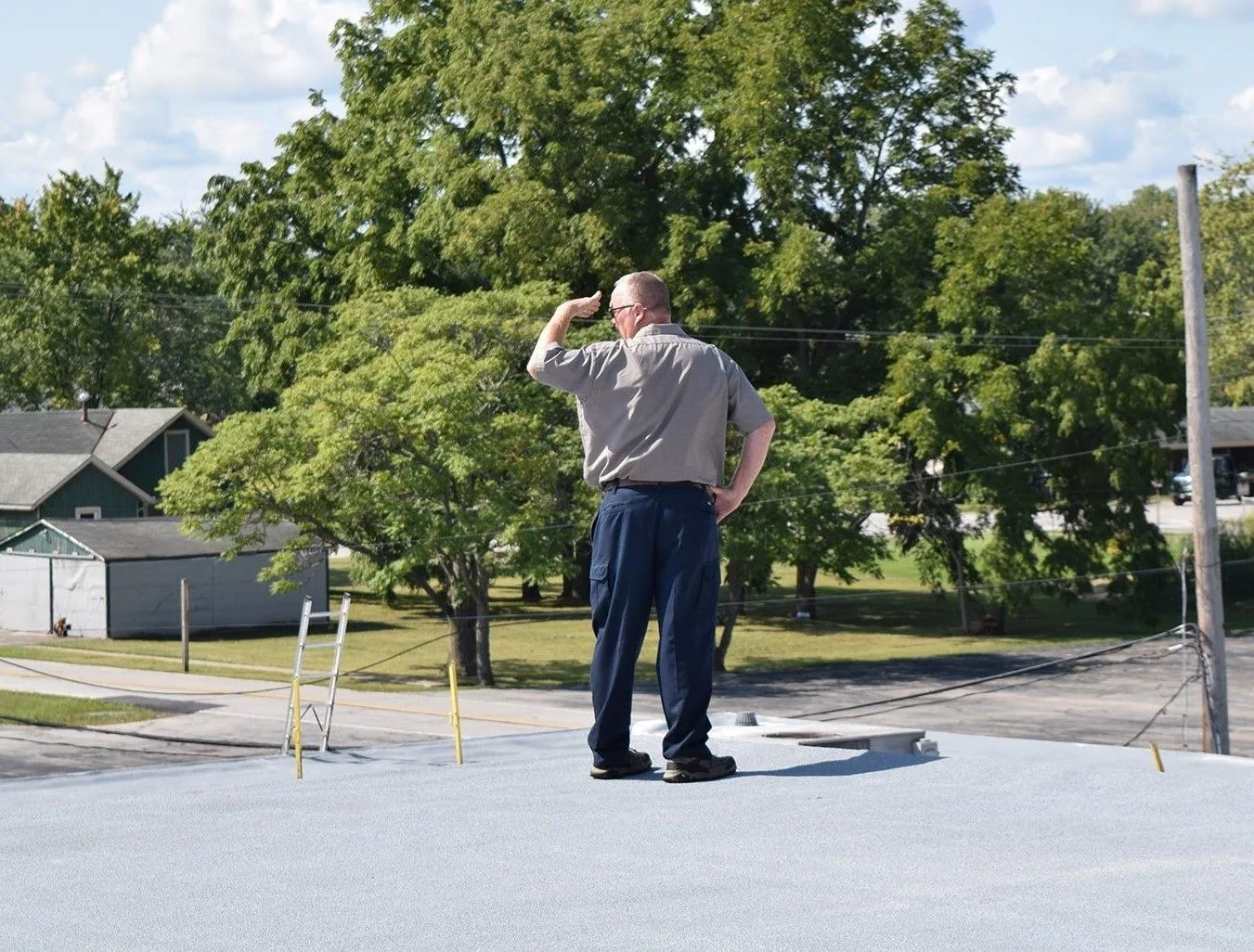
Begin with recognizable roof sections. Different elevations, additions and coverings can have different histories. We locate the areas examined and describe accessible construction. Installation records remain attributed to the documents available. Where layers are concealed, identify what remains unknown. An old plan can explain a proposed connection without establishing that later alterations left it unchanged. The baseline needs that distinction before a manager relies on the record for another intervention.
A current roof inspection identifies accessible defects and further assessment needed. Test openings can expose material at specific locations. We connect those observations with the roof section and proposed work. The record should explain the limit of the finding and the evidence needed before it is extended elsewhere. This keeps the baseline useful when one examined area is suitable for repair but another still needs its support or moisture condition established.
Seams and transition details
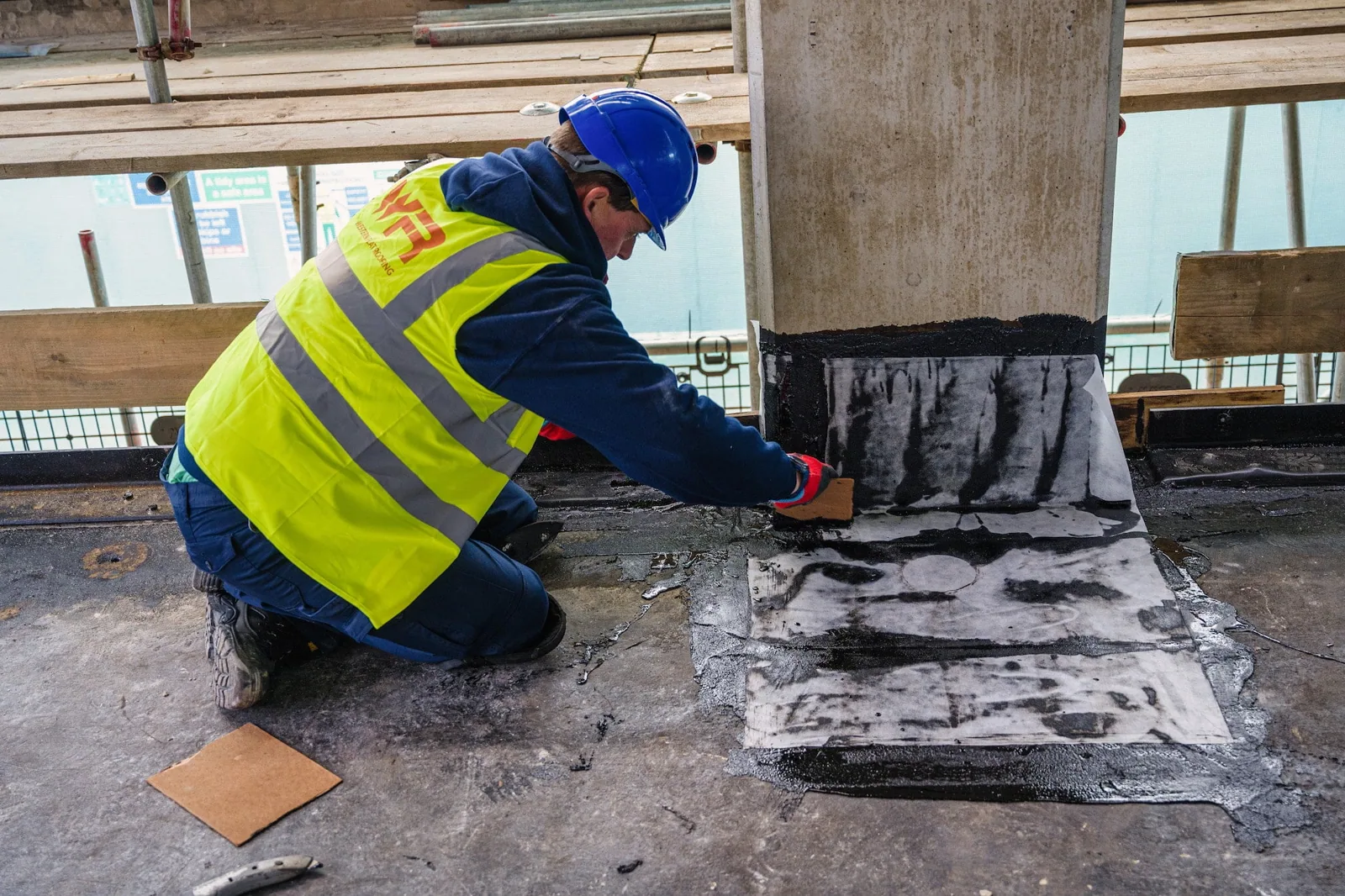
A field seam and a wall termination can fail through different conditions. We examine the accessible opening, attachment and surrounding material before describing the correction. A compatible seam repair needs a suitable base. A moving or inadequately supported connection may require rebuilding. The asset record retains the mechanism identified and the examination supporting it. A generic leak entry should not hide whether the accepted work restored a bond line or changed the construction beneath the flashing.
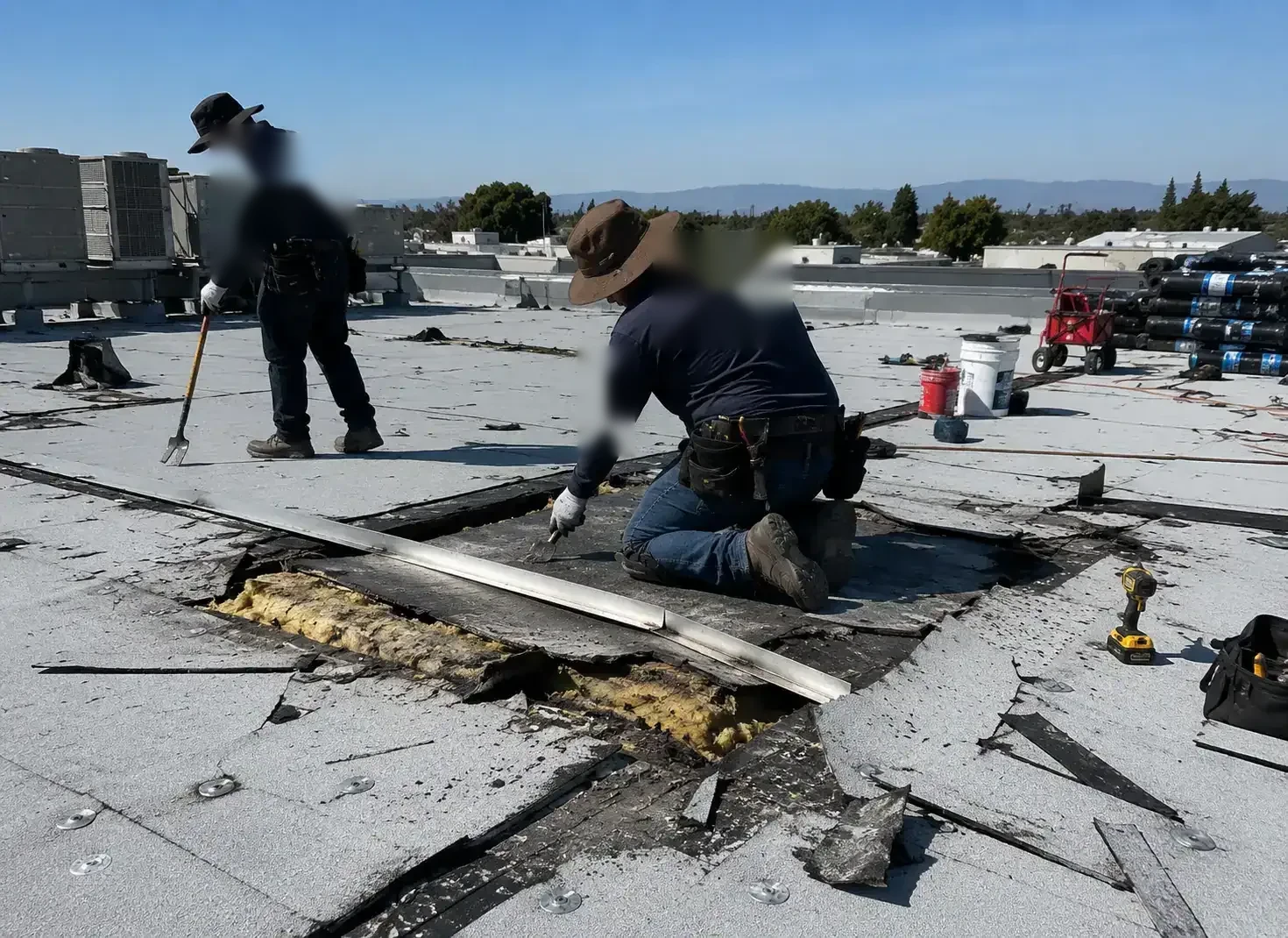
A located assembly condition report provides those initial findings. The repair entry records removal, preparation and the finished connection. Photos of exposed layers remain with the work. Adjacent retained material keeps its own status. The next examination can compare the rebuilt detail with the current condition without assuming that one closed surface split established suitable attachment or dry layers across the surrounding roof.
Concealed-layer questions
Water reported below the roof can justify investigation without locating the full affected area. We record the interior report separately from the accessible entry connection. Moisture can move through concealed construction. The asset history identifies the method used to assess that question and the further examination still needed. A quiet interval after a repair does not establish dry retained insulation. Keep that unanswered layer visible if it affects a later recover or replacement decision.
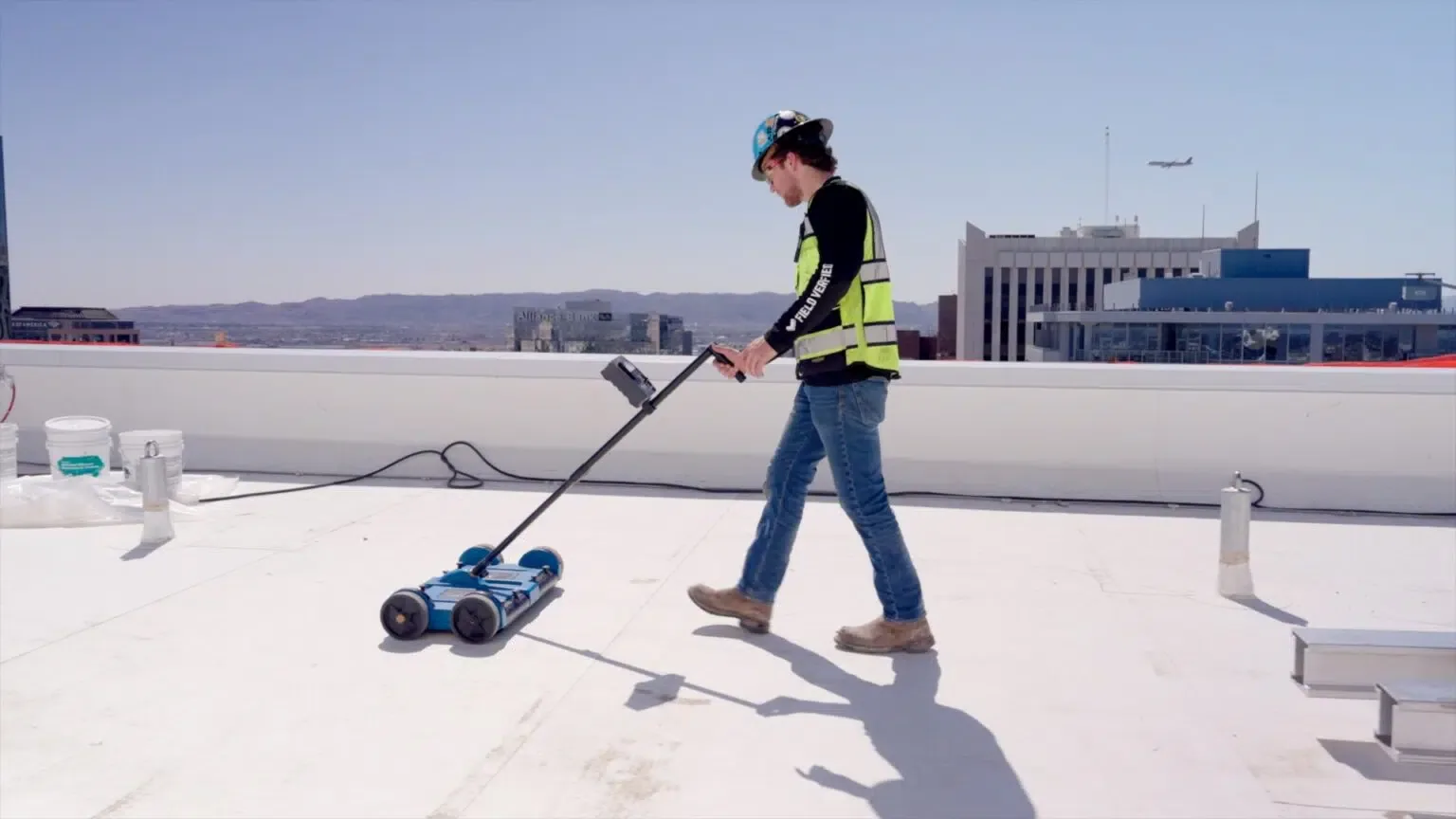
An assessment targeting concealed moisture can provide thermal information under appropriate conditions. Verification openings establish material where they are made. We distinguish those findings and record the resulting repair boundary. If further assessment expands the removal area, the changed scope belongs with the new evidence. The manager can then explain why the intervention grew without treating an initial thermal observation as a complete account of every concealed layer.
Equipment and roof alterations
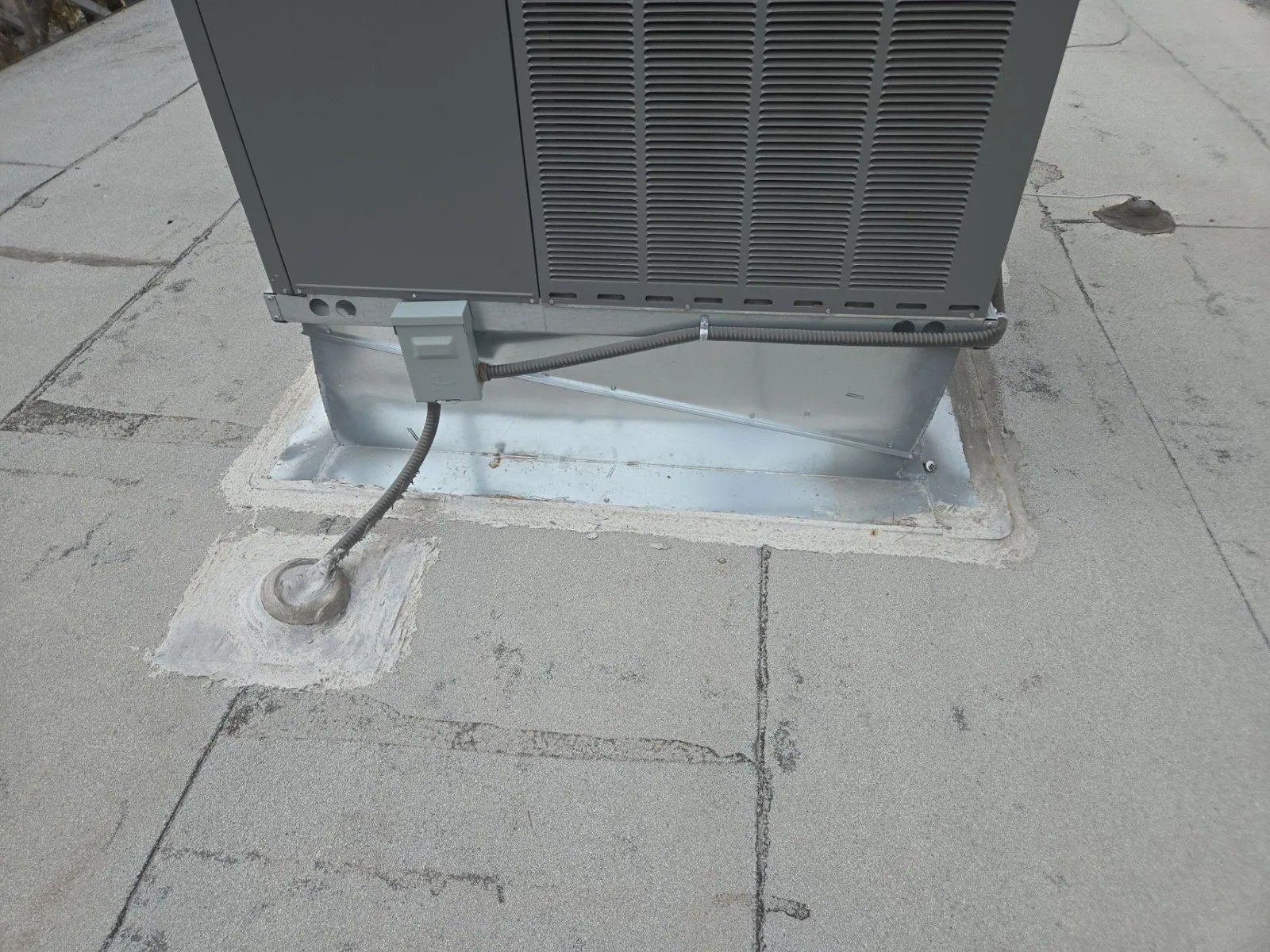
A new unit can change the curb connection and nearby traffic. Added pipes or support pads can also affect waterproofing and drainage. We identify the alteration location and the roofing detail required to close it. Separate trade responsibilities need to remain clear. The record shows the support prepared, material retained and finished connection accepted. An equipment purchase alone may not describe the construction left beneath the changed interface.
Roofing around equipment changes needs any concealed findings retained before the new covering hides them. Later work may affect that same location again. We discuss how the manager can enter a changed penetration, curb or access route in the roof history. The next inspection can then distinguish the new alteration from an earlier repair and identify which assembly question still needs attention before another correction is selected.
Maintenance and changed conditions
The maintenance sequence follows accessible condition. We review drains, edges and penetrations with their actual findings and roof traffic. Clearing an obstruction is different from rebuilding an outlet connection. We retain the task completed and the question left open. A routine visit should not erase a defect requiring an investigative opening or separate support review. The manager needs each next action located and its purpose stated.
A recorded maintenance inspection can identify new changes beside accepted work. Merced's summer normals show hot conditions. We examine movement-related details rather than infer damage from temperature alone. Material application follows the selected requirements and current roof condition. The record identifies work postponed for preparation or access reasons, with the arrangement needed before it proceeds. A completed visit and a completed repair remain separate entries.
The next ownership decision
Repeated findings at a connection can justify examining more of its assembly. They do not establish a whole-roof replacement boundary by themselves. We compare current condition with accepted repair records and identify the investigation required before a larger scope is selected. The manager can see the difference between maintaining suitable construction and reserving capital for removal of affected material. Installation age remains history rather than a fixed replacement instruction.
A roof capital recommendation uses those findings and retains its assumptions. For warehouse roof decisions, keep the building's material access and operating protection arrangements available. A new manager needs the same information when arranging another visit. We identify current defects, accepted work and open questions with their locations, giving the ownership record a specific role in the next inspection or authorization.
Warranty documents also need the assembly areas they describe identified. Retain the actual terms and any later provider response alongside relevant alterations. The physical finding remains distinct from a coverage decision. The manager can then arrange any stated review procedure before a new opening changes the roof connection.
Commercial Roofing Questions
Can the roof record begin without complete installation documents?
Identify present roof areas and inspect accessible construction. Keep available descriptions attributed and locate the concealed questions needing further examination.
What should stay with a rebuilt seam?
Retain its location, removal and preparation record, and accepted finished connection. Distinguish the repair from surrounding material left outside its boundary.
Should an equipment change enter the asset history?
Record changes affecting curbs, penetrations, traffic or drainage. Identify the roofing work completed and the construction that remains at the altered interface.
How should a task awaiting investigation be recorded?
Keep the finding, location and examination needed together. Identify access requirements and the decision that the further evidence will support.
The current roof asset finding
Schedule an inspection with Commercial Roofing Merced to locate seam, flashing and retained-layer questions affecting the next roof decision.
Related Roofing Work