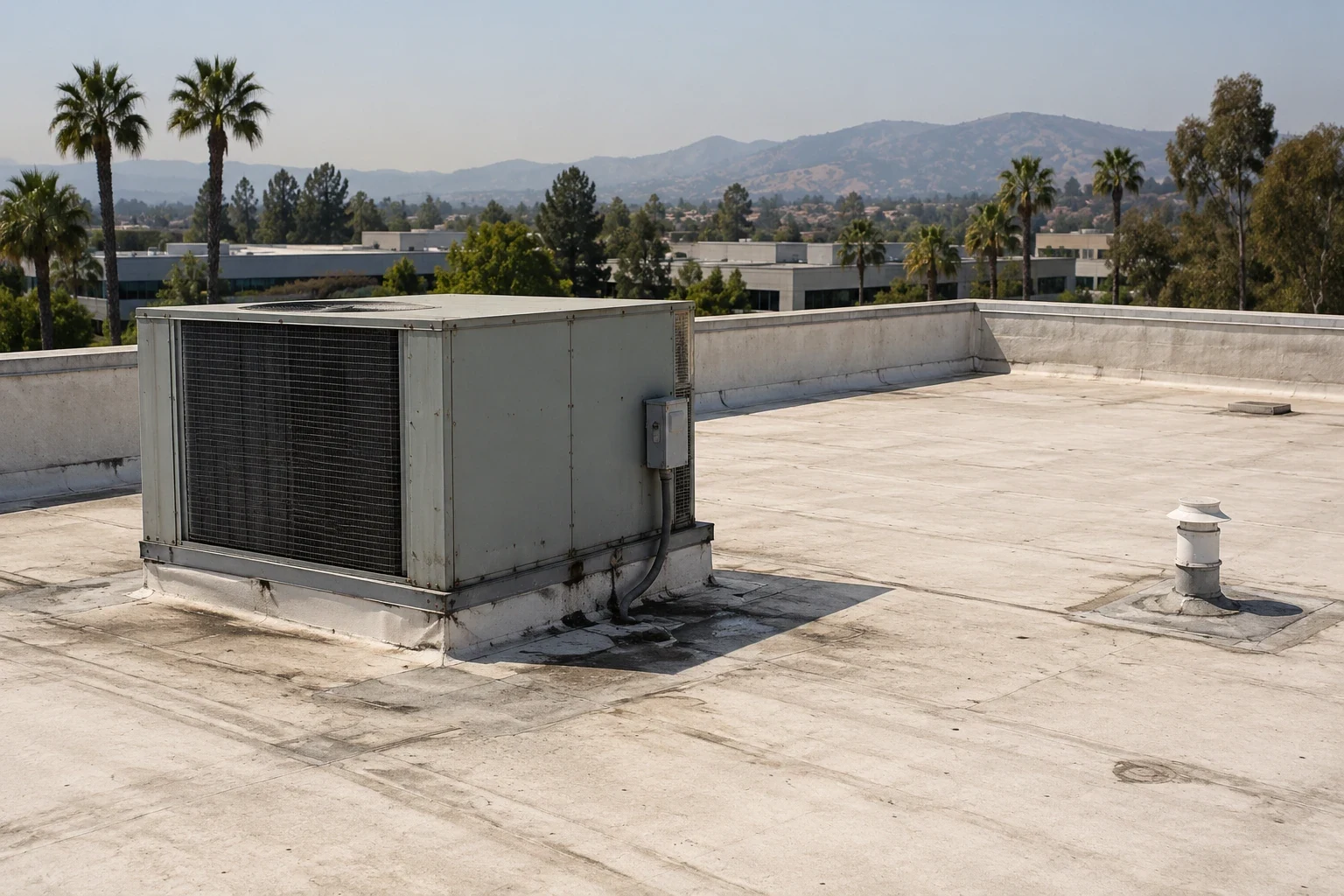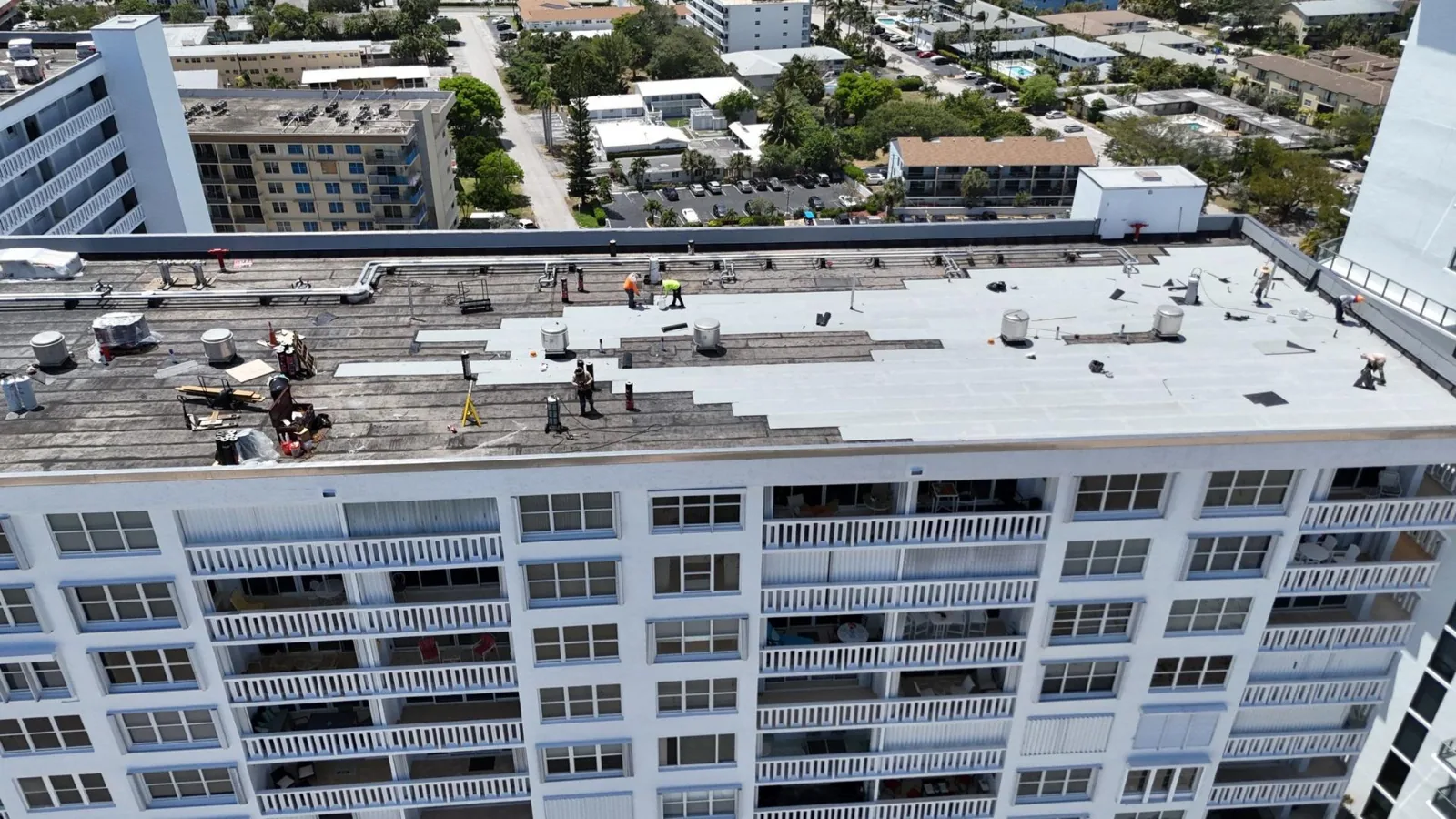
A loose attachment at a perimeter can change a capital scope without showing the condition of the entire roof. The first decision is whether the finding stays local or requires a wider assembly examination. Commercial Roofing Merced develops roof capital planning in Merced, CA from those inspected details. We connect the proposed amount with removal, preparation and the material expected to remain. A new covering is selected after those obligations are established.
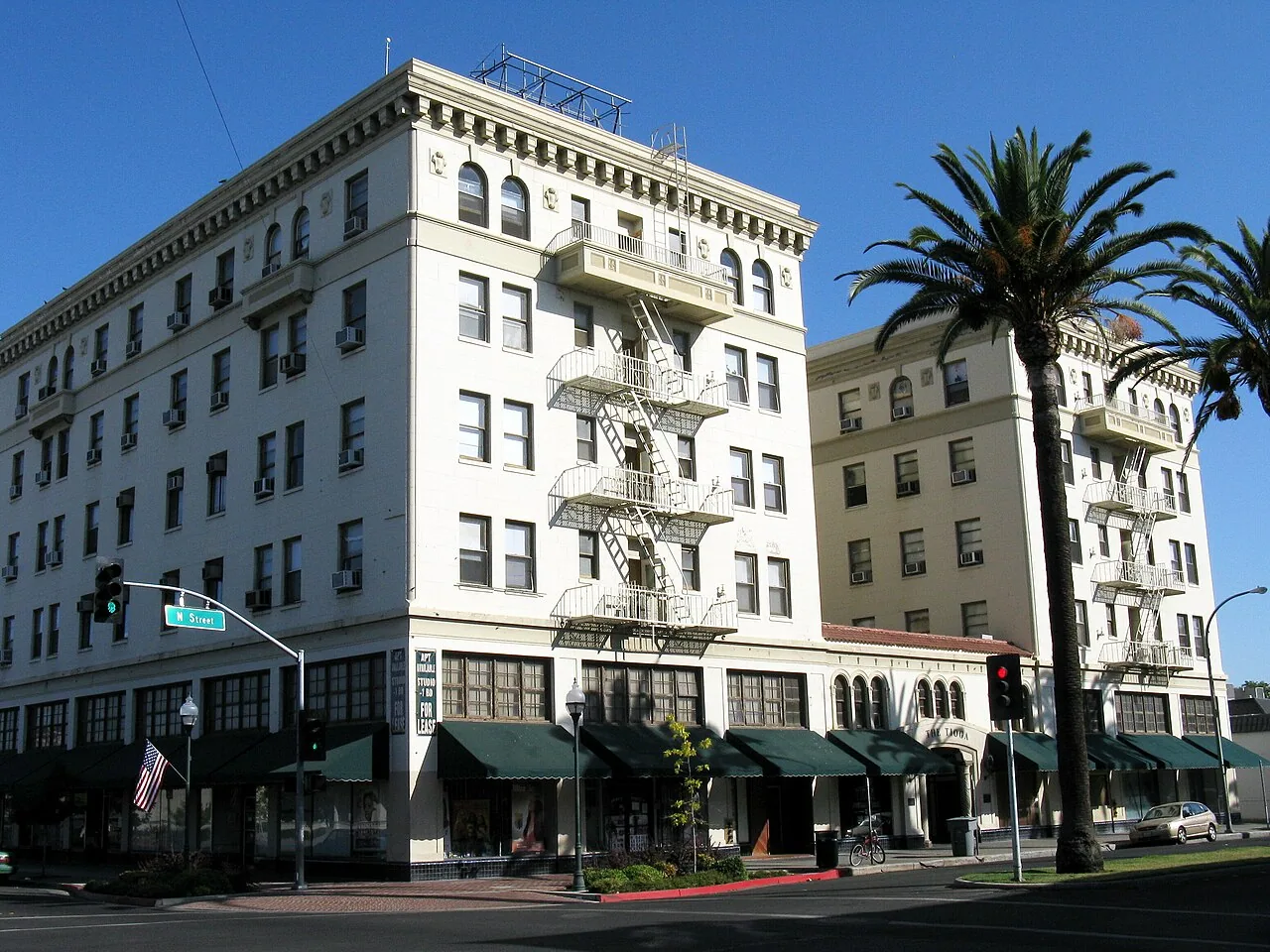
Downtown Merced contains offices, government uses and restaurants. The city's industrial parks also include light- and heavy-industrial sites with Highway 99 access. Each building needs its actual roof condition examined. We discuss occupied-space protection and removal access alongside the assembly findings. The capital plan identifies a defined intervention and the concealed question still affecting its boundary, giving the property manager a clear next authorization.
Attachment and retained layers
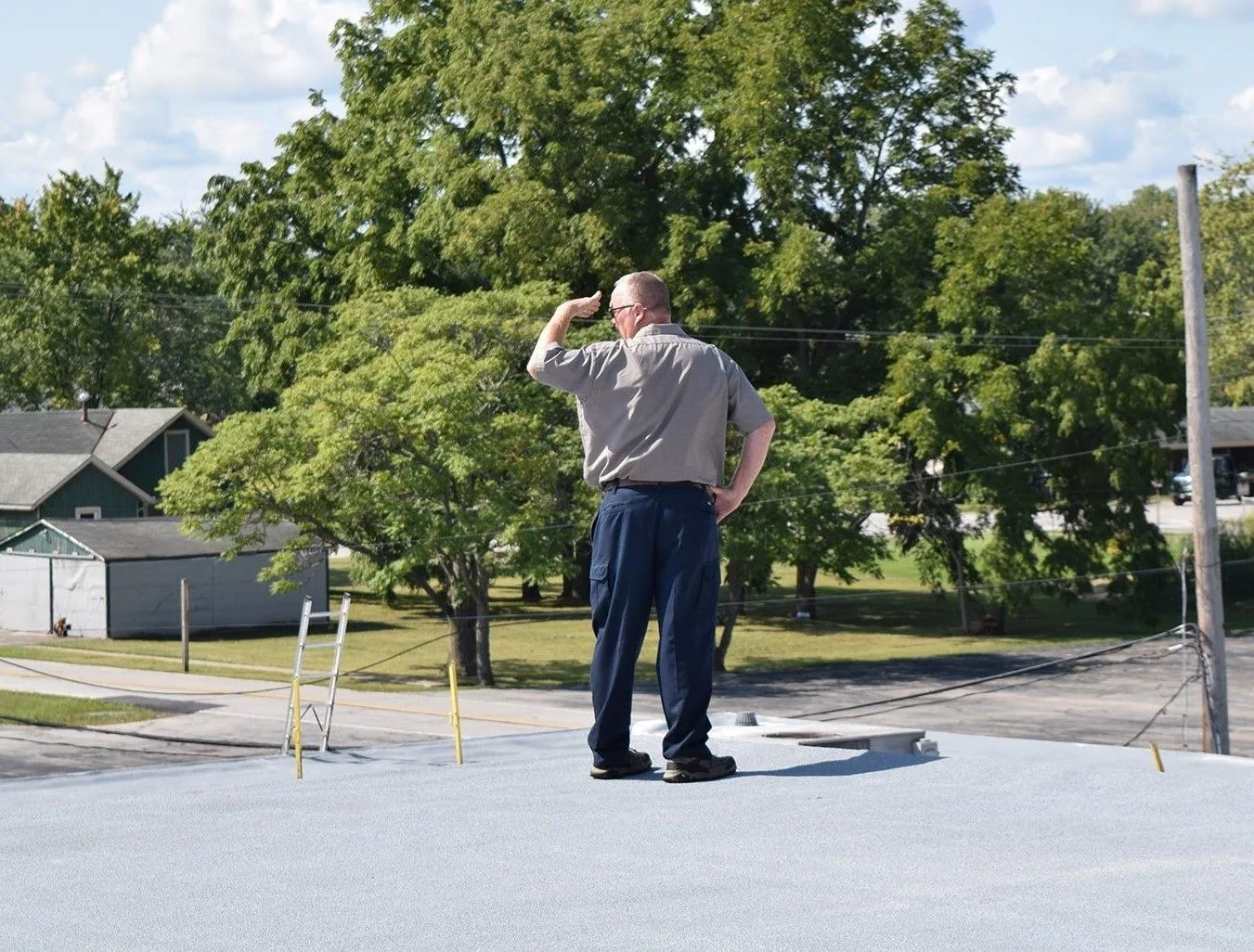
Visible movement at an edge can involve the membrane, its fasteners or supporting material. We inspect the accessible connection and identify what must be opened to establish its construction. A surface correction may suit a sound supporting detail. Unsuitable support can require rebuilding before the roof closes. The capital comparison retains that difference. It should not assume that replacing the finished covering resolves an attachment question left beneath or beside the work.
A roof assembly examination identifies accessible material and preparation concerns. Test openings can show the layers at specific locations. We relate those findings to the proposed intervention and explain the additional assessment needed before extending them elsewhere. The property manager can authorize that investigation separately. An allowance for wider removal remains tied to the condition it is intended to resolve, rather than become an unverified whole-roof construction scope.
Repair and removal obligations
A narrow repair changes its footprint. It can leave surrounding insulation, support and roofing in service. A recover retains more existing construction and needs suitable preparation and attachment. Replacement exposes supporting layers and can require further correction before installation. These alternatives do different work. We compare them against the same examined roof area and retain the components each leaves unchanged. The selected amount should describe its actual construction result.
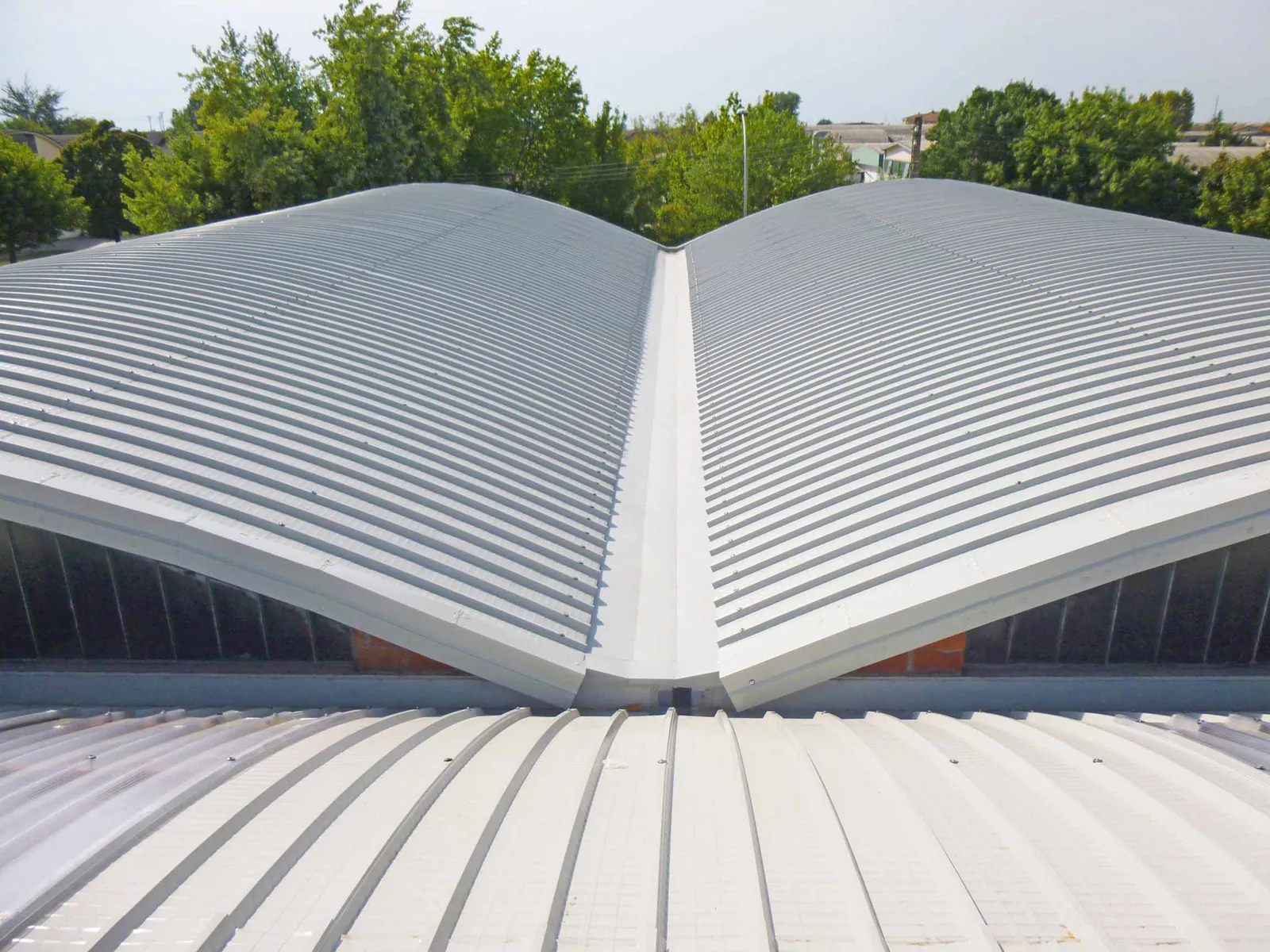
A retained-assembly review also considers added weight and changes to finished roof height. Drains, edges and curbs need connections appropriate to the proposed assembly. A replacement alternative needs its own removal and reconstruction boundaries. We identify which relationships are established and which require another review. A preference for one product should not decide retention before the existing layers and interface conditions needed to support that product are known.
Moisture evidence and removal limits
Wet material can expand a capital package beyond a visible split. We locate accessible signs and discuss investigation needed to establish affected layers. A stain below the roof does not measure the insulation requiring removal. The work boundary needs evidence from an appropriate assessment. We keep thermal observations, physical openings and reported water locations distinct so their different findings do not become one assumed account of concealed condition.
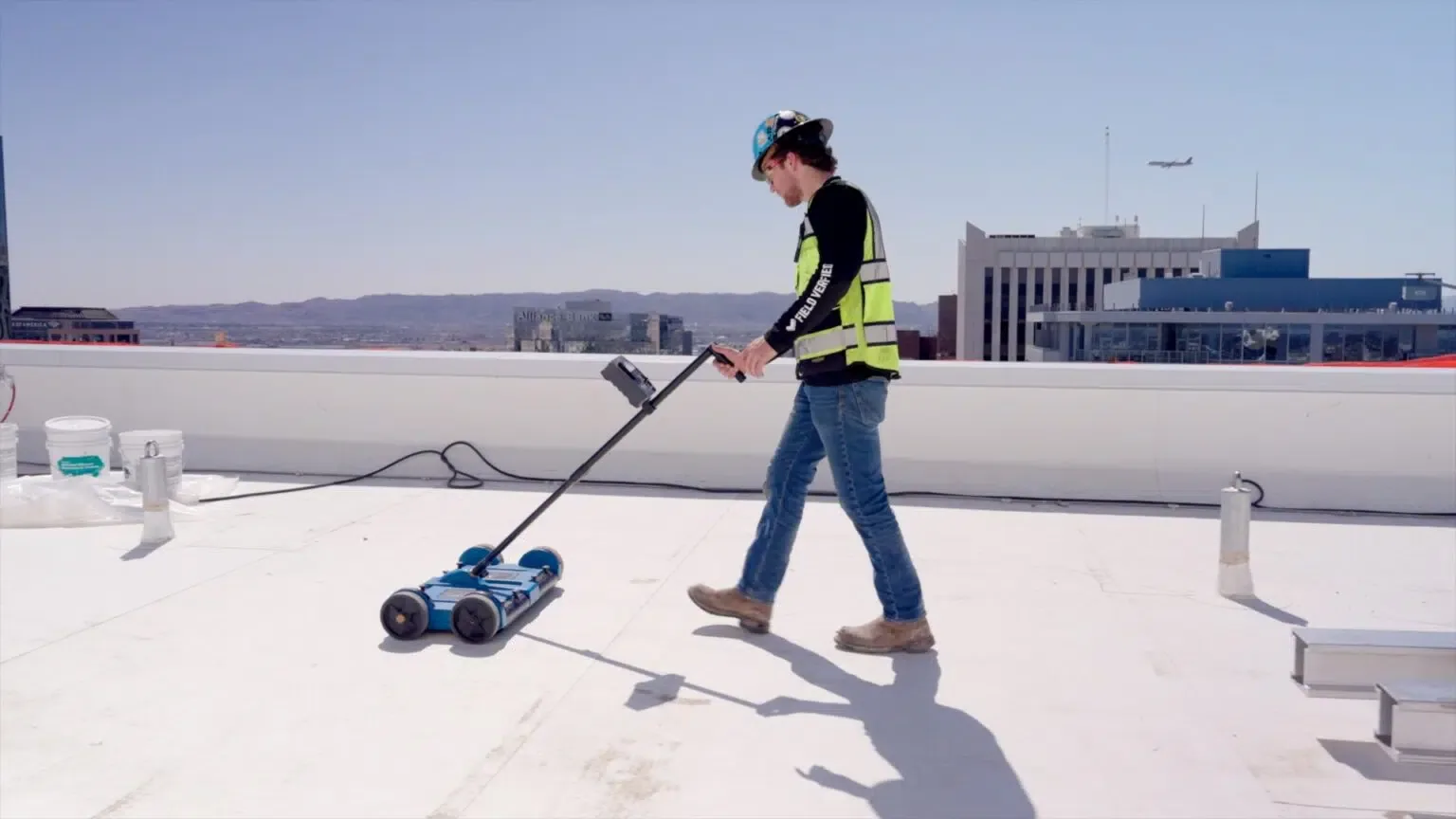
An investigation of suspect moisture areas can help target further examination where the assembly and conditions suit the method. Openings establish the material found at their locations. We explain what remains uncertain about the surrounding area and how that uncertainty affects the amount. The manager can compare a confirmed local correction with a conditional larger package. Both should identify the preparation and protection needed before the eventual repair closes.
Occupied work and material access
Removal needs a route for material entering and leaving the building. We review that access with the manager before treating the construction sequence as established. Occupied rooms, stock and equipment can need protection under the work. The plan identifies the actual arrangements and the decision still required. An amount assuming unrestricted removal may not represent a roof that must be opened and closed in smaller stages above operating space.
For roof work above offices, room access and equipment serving the space can influence the sequence. Industrial properties can have other restrictions. We discuss them at the specific building. The proposed scope retains loading, disposal and separate trade tasks where they affect roof preparation. The manager should see whether each obligation is included, independently arranged or still awaiting a finding before the owner authorizes the capital package.
Investigative work also needs its own closure. An opening used to establish a layer can leave a permanent repaired detail or a protected area awaiting construction. We identify which result is intended. The manager needs that distinction when arranging access and the next work package. The investigation amount should include the appropriate reinstatement, with any later correction still visible. Establishing a concealed condition is useful work, but its completion does not necessarily complete the larger roof intervention.
Application conditions and daily closure
Merced's climate normals show hot summers. Heat can make movement at roof connections relevant to the examination. Application still follows the selected material requirements and actual surface conditions. We review preparation, work exposure and the method proposed. A summer date should not establish that an opening can remain unprotected. The plan identifies the boundary that can be secured if work is interrupted before its permanent connection is completed.
An occupied-building removal plan connects each stage with temporary protection and finished closure. The proposed amount should retain those measures. Smaller opening limits can change labor, transitions and material handling. We explain that work rather than leave closure as an unspecified responsibility. A changed schedule or access restriction may require another sequence, so the capital plan identifies the assumptions that should be reviewed before its amount is carried into revised construction.
The manager's capital recommendation
The recommendation identifies the intervention supported by current findings and any examination still needed. We distinguish immediate repairs from larger work that can follow. Deferred roofing keeps its present condition and may need maintenance or protection during the interval. The plan identifies the finding that should move the next phase forward. Installation age stays in the history without assigning an unsupported date when every retained component must be replaced.
A report supporting the capital scope keeps the examined evidence available. A roof record of completed and pending work retains accepted phases and unanswered questions. Applicable permit and energy-code review follows the actual project and application circumstances. We identify further review needed without transferring an earlier repair's requirements into the present scope. The owner receives the amount's basis and the condition that would justify another authorization.
New equipment or a wider concealed defect can change that recommendation. Record the changed connection and assess its effect on removal, preparation and operating protection. A revised amount should retain those work differences. It should not simply inherit the old scope's assumptions after the material finding has changed.
Commercial Roofing Questions
Can one loose attachment establish a full replacement scope?
Inspect the connection and its support. Identify the wider examination needed before extending a local finding across the roof or assigning a complete removal boundary.
How should concealed uncertainty enter the amount?
Keep the unresolved condition and investigation beside its allowance. The amount stays conditional until the relevant layer and work boundary are established.
What belongs in a phased capital plan?
Identify completed construction, deferred areas and interim repairs. Retain shared connections and the finding that should bring the next phase forward.
When does a recommendation need another review?
A wider affected layer, new equipment or changed operating access can alter the scope. Review the changed finding against preparation and closure before authorizing more work.
The examined capital work boundary
Schedule an inspection with Commercial Roofing Merced to check attachment, retained layers and the removal scope before approving capital work.
Related Roofing Work