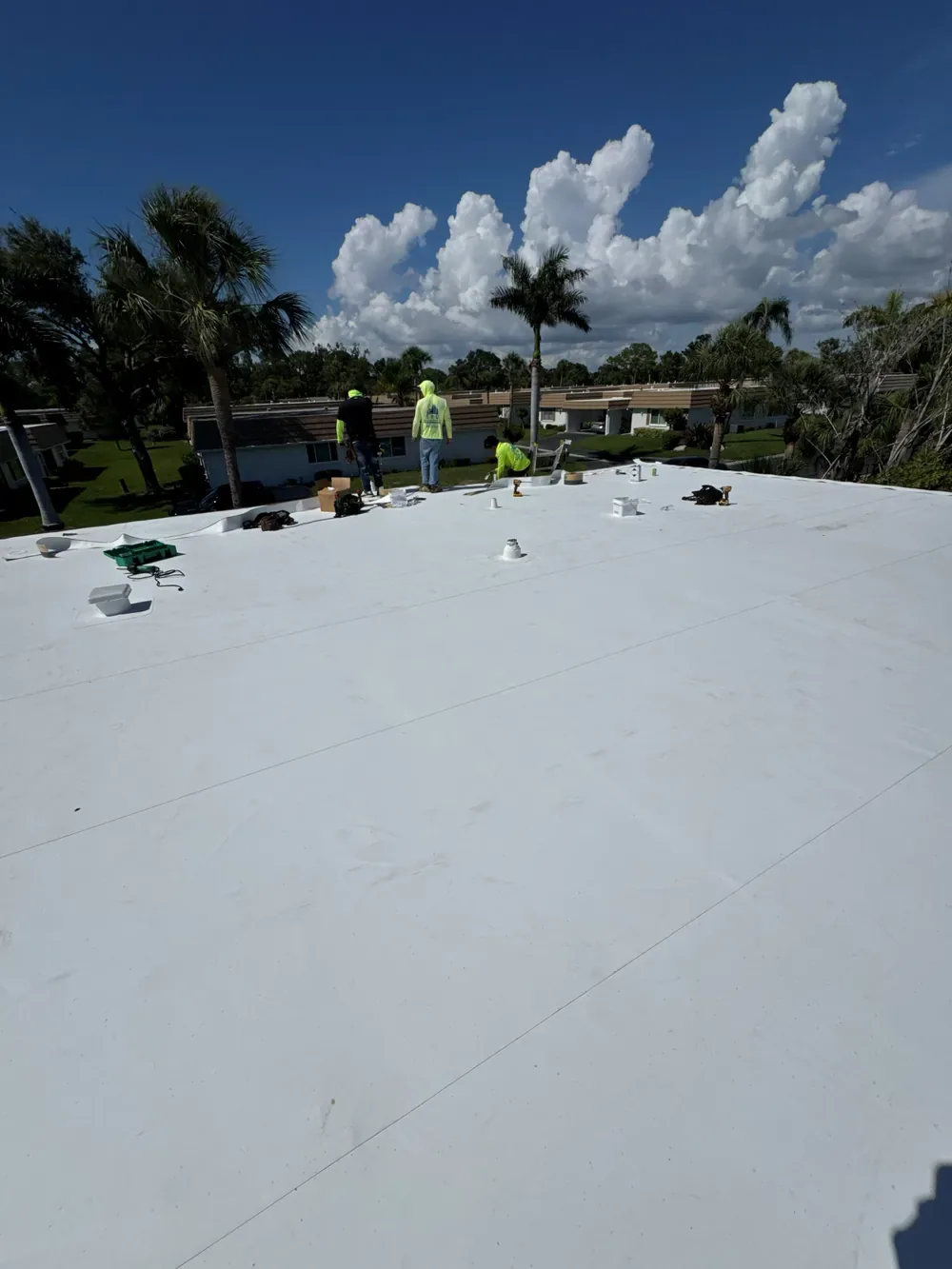
A crushed insulation facer changes the surface available beneath a roof membrane. For insulation and cover-board work in Merced, CA, we examine the support layers before choosing what to retain or replace. Dry material can still be unsuitable if it is compressed or poorly attached. Wet material raises another removal question. The new assembly needs layers selected for their actual role.
Merced summer heat makes thermal performance relevant to the roof choice, but insulation also affects drainage and attachment. Turlock's regional industrial area includes cold-storage and food-processing activity. Livingston has packaged-food and poultry-processing businesses. Those uses make interior conditions useful questions for assembly planning. We identify the actual building requirements before selecting a roof-layer arrangement.
Retained material and its supporting surface
A test opening can identify insulation type, thickness and visible condition at a selected location. We compare that information with the wider roof observations. Crushed areas, delaminated facers and wet layers may require different boundaries. The removal proposal should identify which material is affected and what will replace it. A general description of adding insulation leaves those construction questions unanswered.
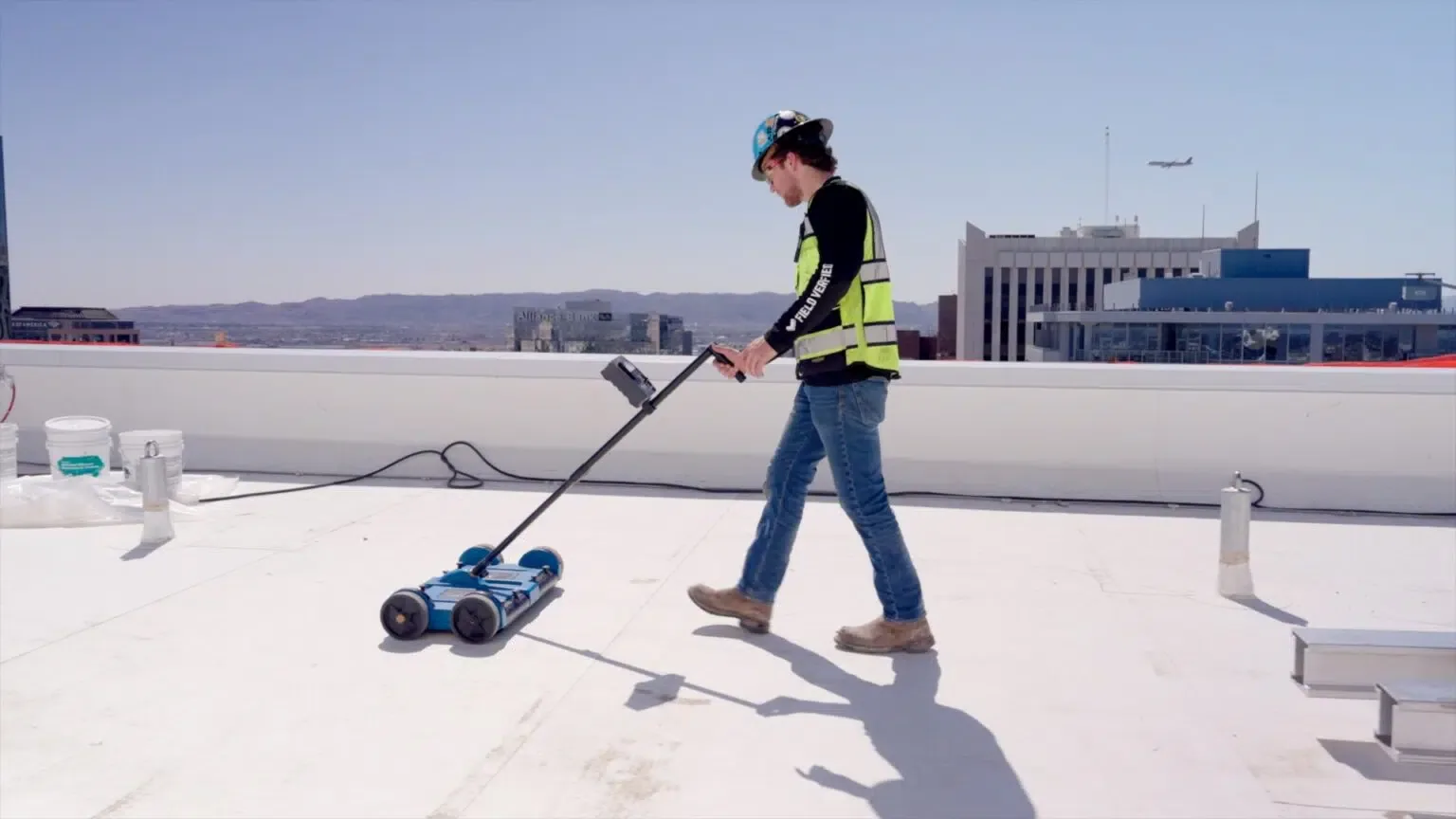
Suspect moisture needs confirmation appropriate to the assembly. An infrared moisture survey may help select test areas when conditions are suitable. Physical checks establish the layer condition used in a removal decision. We distinguish confirmed material damage from an image pattern that still needs examination. The manager can then understand why some insulation remains and another area is opened.
Deck condition also affects support. Deteriorated construction needs repair or appropriate technical evaluation before new layers close it. We identify the accessible condition and any uncertainty requiring another opening. The insulation scope should not conceal a damaged deck or assume that a thicker board can replace missing support. Each part of the assembly has a separate construction function.
Thermal layers and interior conditions
Insulation selection considers thermal performance, thickness and the full roof arrangement. Material properties alone do not establish the finished assembly performance. Joints, attachment and transitions can affect that result. We discuss the requirements for the project and identify the proposed layers. A suitable arrangement needs to fit the roof details as well as the thermal objective.
Interior moisture conditions may require attention to air and vapor control. The appropriate approach depends on the building use, climate and assembly. We identify where design review is needed rather than add a standard layer to every roof. For a cold-storage roof assembly, the temperature relationship across the construction can make that review especially important. The roofing scope must coordinate with the actual enclosure design.
Merced temperature normals show substantial summer heat and cooler winter conditions. That provides local context for thermal planning without determining every layer by itself. We examine the deck, intended membrane and interior use together. A reflective roof surface may be another part of the project, but it does not replace the insulation or air-control decisions below it.
Tapered insulation and finished elevations
Tapered insulation can direct roof water when the layout and supporting construction permit it. We identify the outlets, roof boundaries and obstructions before setting the slope arrangement. A cricket beside equipment needs a route for the diverted water. Increasing thickness at one location without examining the adjoining elevations can leave another part of the roof with a poor water path.
Drain and scupper coordination needs to follow the finished insulation surface. The field must approach a suitable sump or opening. A changed layer thickness also alters the available height at unchanged curbs and wall terminations. We identify where those details need modification so the new slope connects with the perimeter and equipment flashing.
Insulation shaping does not correct every structural depression. Where deflection or supporting damage affects drainage, the project may need separate evaluation. We identify that question before specifying tapered material as the whole remedy. The manager should know whether the proposal corrects an insulation-level issue or depends on construction beneath it that still needs examination.
Cover-board protection and membrane support
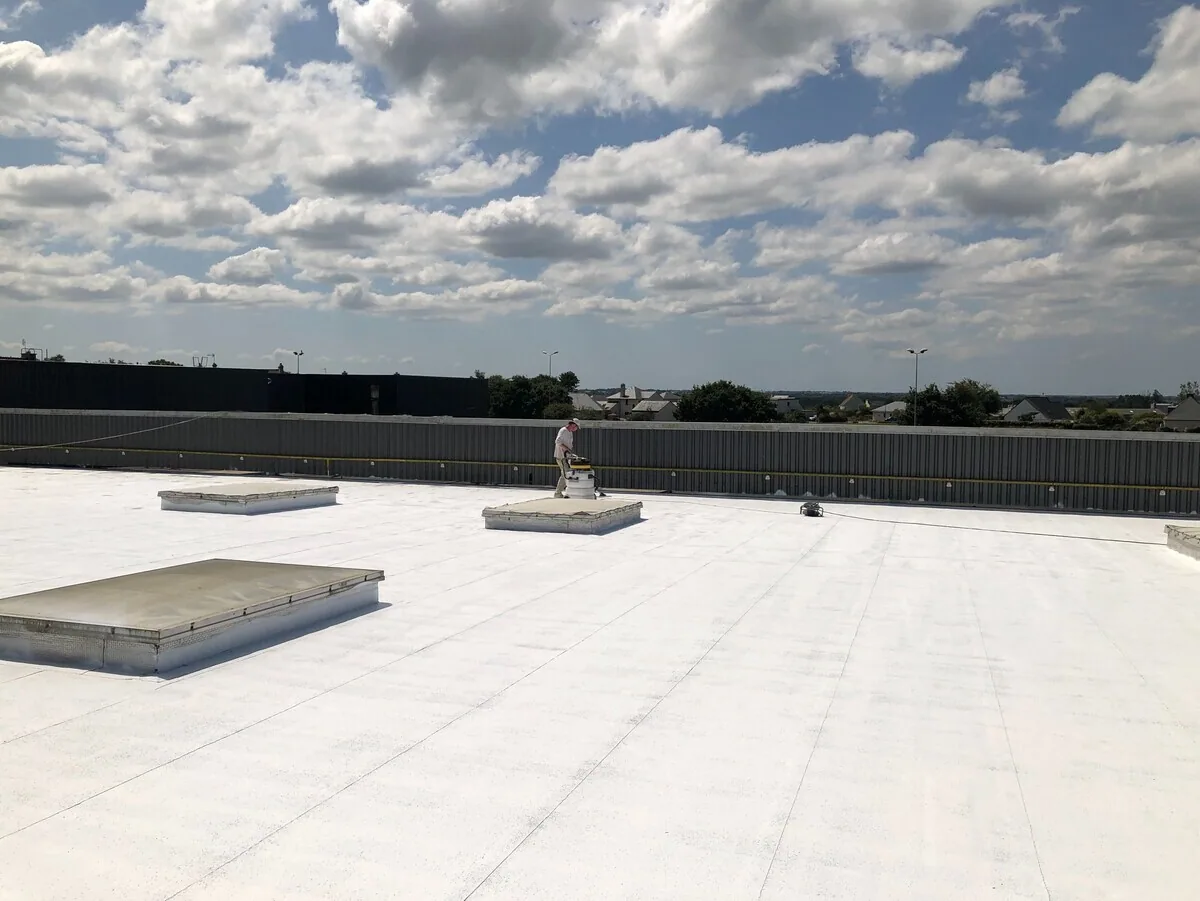
A cover board has a different role from thermal insulation. Depending on the assembly, it can provide a more suitable surface and improve protection beneath the membrane. Its selection needs to suit the intended material and attachment. We identify its function in the proposal rather than describe every added board as additional insulation.
Traffic and equipment service can influence that choice. The roof still needs suitable walking protection where required; a cover board is not permission for uncontrolled service damage. For a TPO membrane installation, board condition and assembly compatibility affect the finished support. We specify the intended layer and preparation so the membrane is not installed over an unsuitable or unstable surface.
Board joints and fastening need the arrangement appropriate to the system. Gaps, uneven edges or poor attachment can affect the surface above. We examine supporting material before installation and coordinate the layer sequence. Adhesive application also needs suitable surfaces and conditions. The manager receives an assembly proposal that identifies how its layers connect, not simply a list of board thicknesses.
Layer replacement above occupied space
Removing insulation can expose more of the construction than a surface patch. We plan the opening, material handling and close-in sequence with that exposure in mind. Sensitive interiors need appropriate protection. A wet-area repair should reinstate the intended support and finished height before the membrane closes it. The boundary includes a usable connection with the retained roof.
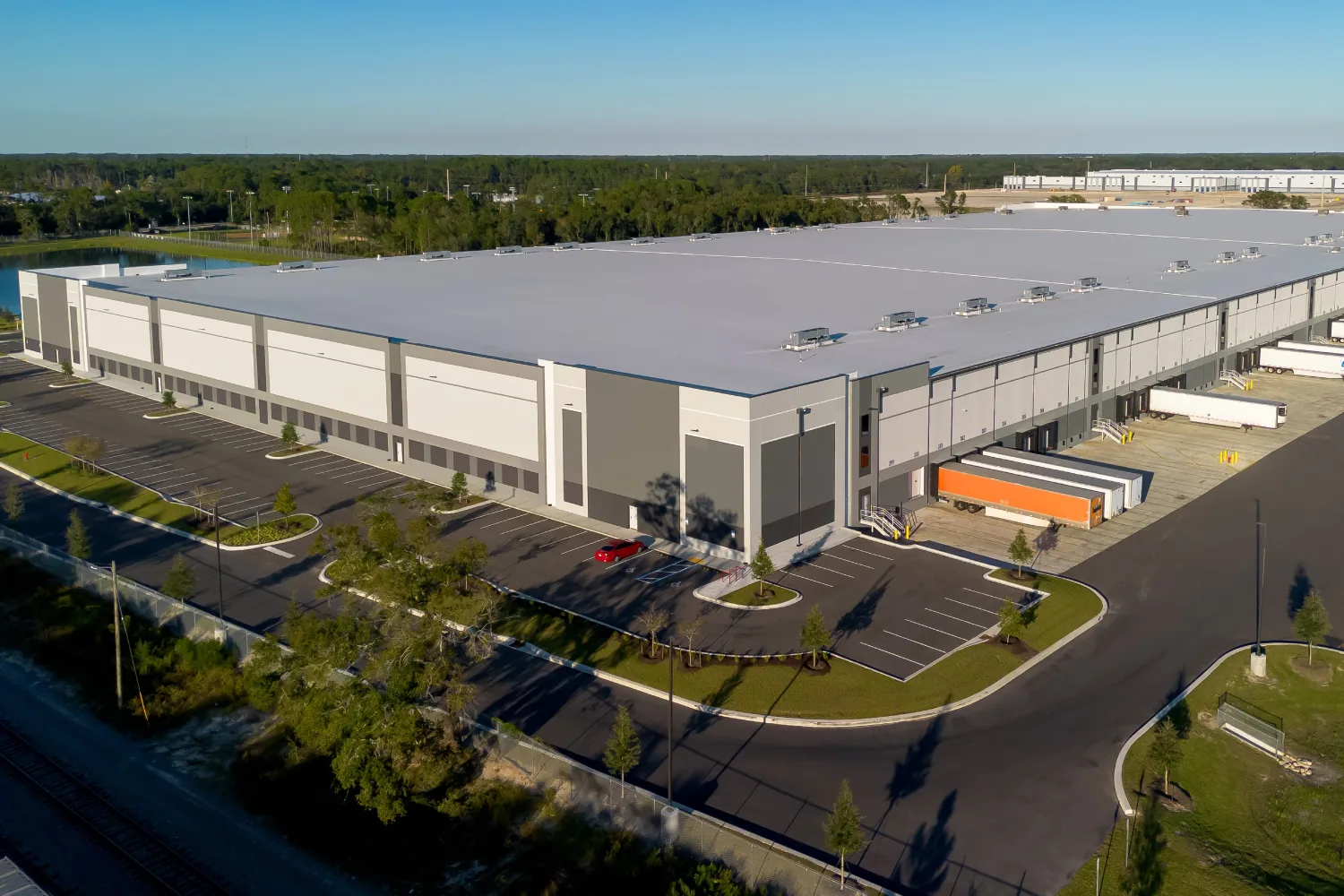
At a property in Livingston, processing activity may constrain when openings can occur. We ask the building team to identify actual operating restrictions. At Turlock Regional Industrial Park, cold-storage and manufacturing operations can prompt distinct enclosure questions. We identify the temperature and moisture conditions the enclosure must separate. A proposed insulation change needs compatible air and vapor control, suitable support and sufficient height for its adjoining flashing.
A roof overlay proposal needs the retained insulation examined for suitability. Replacement gives a different opportunity to alter layers and elevations. We compare those options using the observed roof. Cost drivers include damaged material removal, new thickness, tapered layout, cover-board requirements and adjacent detail modifications. The scope separates them so the manager can see which decision changes which construction item.
Before closure, we review installed layers and relevant transitions. Damaged or wet boards should not remain merely because the next material is ready to go on. The completed roof relies on suitable support beneath its field and details. We identify later maintenance access needs so equipment traffic does not undermine the layer arrangement selected for the building.
Commercial Roofing Questions
Can insulation remain if it is dry but its facer is damaged?
Dryness is only one suitability question. Facer condition, compression and the intended attachment also matter. We examine those features and identify whether the material can remain in the proposed assembly or needs a defined removal and replacement.
Does cover board count as the project's thermal insulation?
Its primary assembly role may be support or protection. Thermal requirements need evaluation for the complete layer arrangement. We identify the purpose of each proposed material so a cover-board choice is not confused with the insulation performance decision.
Will tapered insulation fix every roof depression?
Some low areas reflect the supporting structure. We compare the roof geometry and identify any need for structural review. Tapered material must suit the water path and adjoining detail heights rather than conceal an unresolved supporting condition.
Why might an insulation change require curb work?
Additional field height reduces clearance at an unchanged curb. The membrane transition still needs a suitable flashing detail. We review that relationship and include necessary modifications before installation rather than leave the new layers crowded against existing equipment.
Examination of the roof support layers
Request an assembly assessment of compressed insulation, suspect moisture, proposed taper or the cover board beneath your next roof membrane.
Related Roofing Work