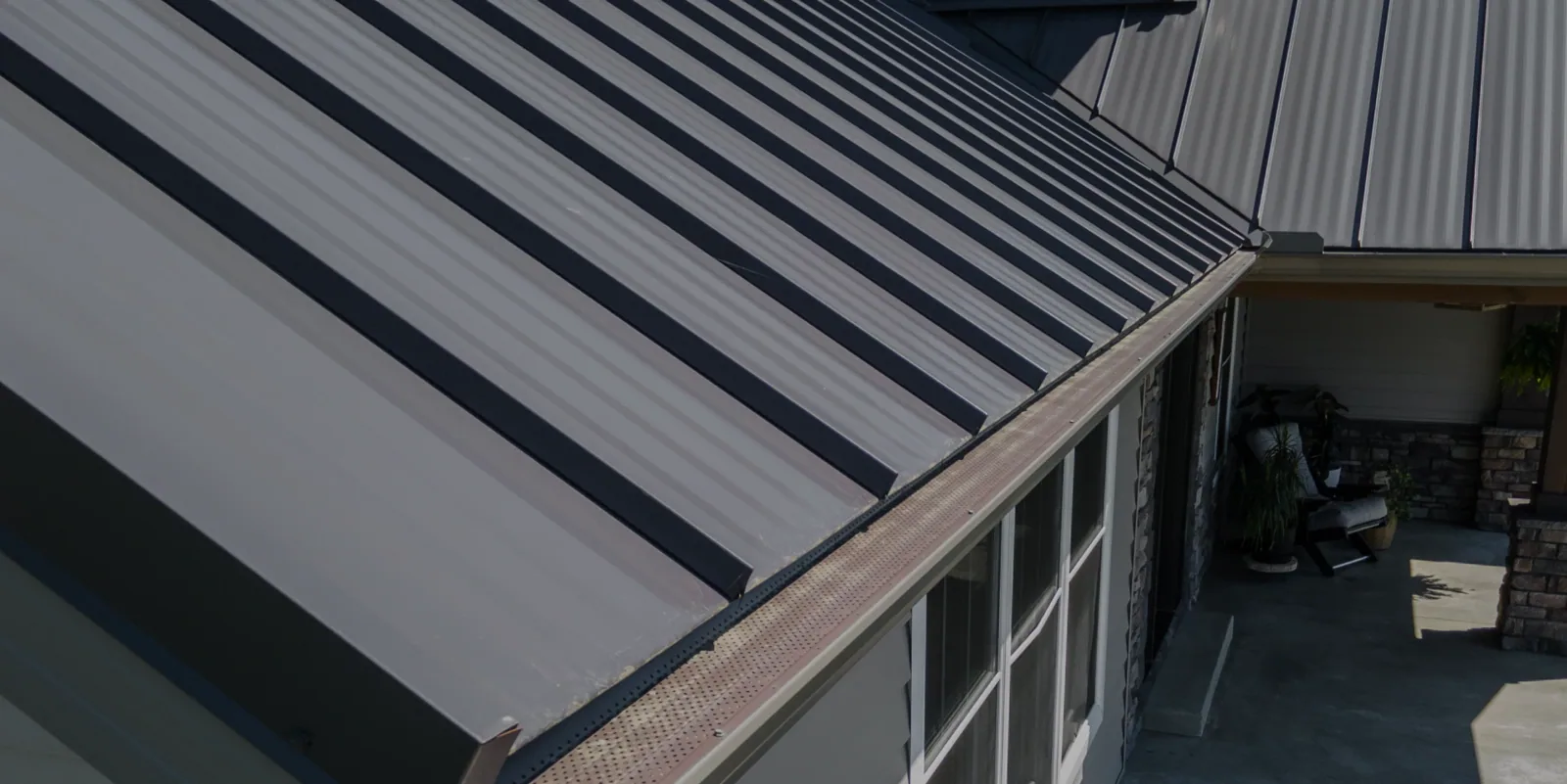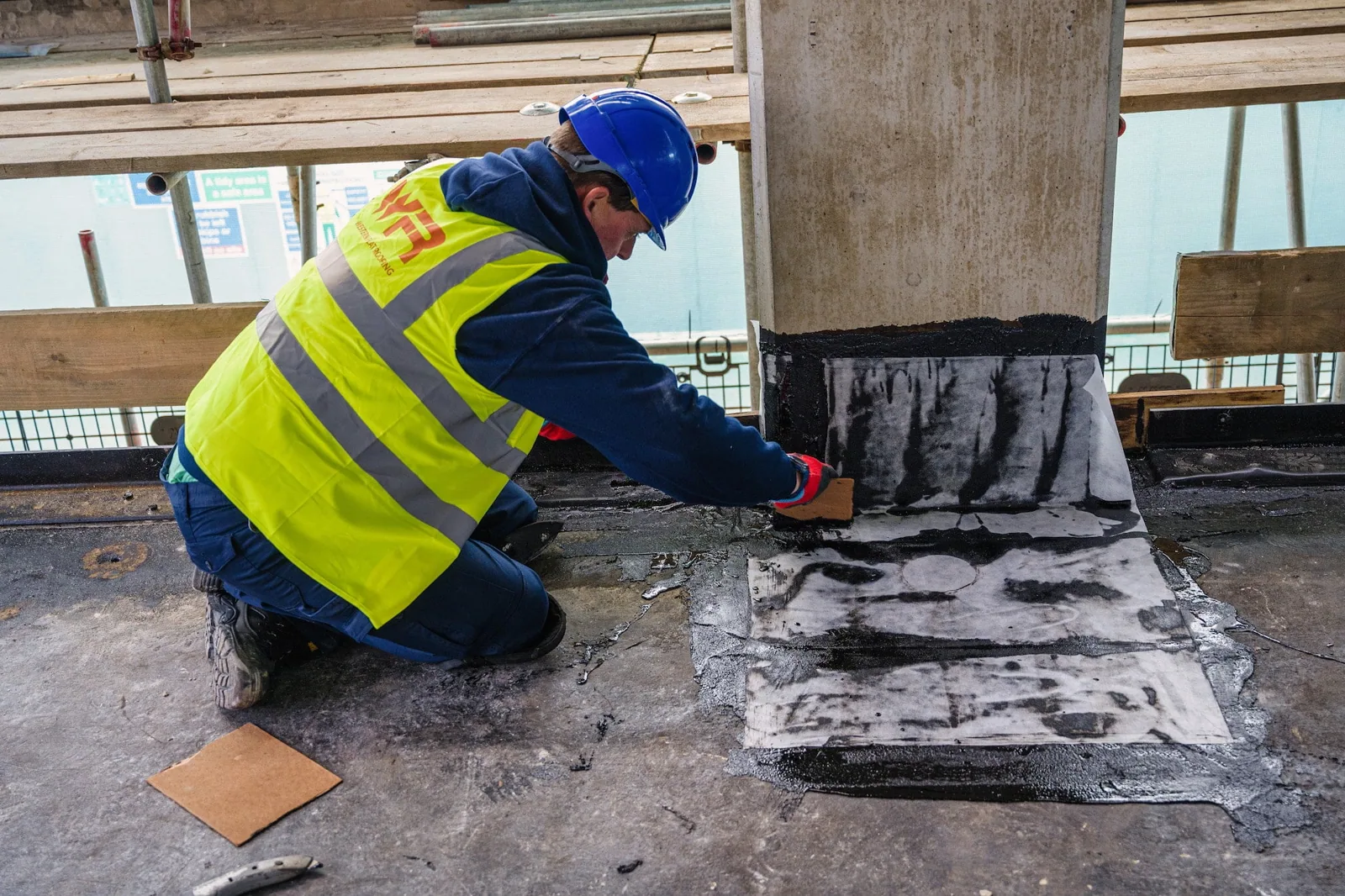
A lifted edge fastener leaves a narrow gap, but the opening can extend beneath metal and membrane. For a commercial property in Tuttle, CA, we check the attachment, surrounding field and exposed substrate before deciding whether the repair stops at one point. Tuttle grew along the Atchison, Topeka and Santa Fe railroad alignment, and State Route 140 runs through the community toward Merced and Mariposa. Those are useful location references. They do not establish a building's roof type or access, so the scope begins with what we can inspect.
We document the metal, fasteners, bond line and any moisture evidence. A roof inspection can separate a loose termination from a longer attachment issue. A defined repair can restore the detail when the perimeter still grips the substrate, the test area is dry and the fastener line can hold again. Where water reached insulation, the work needs to reach that layer. A condition report should name what was opened, what remains concealed and why the proposed boundary fits the finding.
Along the route
State Route 140 passes through Tuttle and continues toward Merced and Mariposa. The railroad alignment is another part of the community's geography. Neither reference tells us where a roof hatch sits, whether a lift can reach the edge or which drive must stay open. We confirm those details with the property manager before bringing materials to the work area. If a delivery path crosses an active entrance, the staging plan should show a clear alternate route and the time needed to move equipment.
Merced has industrial parks with light- and heavy-industrial sites and Highway 99 and rail access. That city context does not prove the use of any particular Tuttle property. It does make a precise inspection useful when an owner is weighing a repair near the wider Merced market. The Merced service area and the Volta community are separate locations, each with its own building facts. For Tuttle, we record the assembly in front of us and keep the work limits tied to that evidence.
At the fastening line
A metal edge and the membrane below it can move at different rates. We inspect backed-out fasteners, elongated holes, loose plates, wrinkles and breaks where the field membrane turns up. A surface split may be the visible part of a longer release. We check both directions along the edge and compare the attachment with the surrounding sheet. The repair boundary should end at secure, compatible material, not at the point where the first crack becomes hard to see.
Merced station normals average 99.7 days a year at or above 90 degrees under the 1991 to 2020 normals. Merced station normals inform regional scheduling; at Tuttle, we inspect the actual seam and edge restraint before selecting a repair. Repeated heat movement can make seams, sealant and edge connections worth close inspection. The material itself decides what can be repaired. If the exposed layers need examination, a review of insulation and cover board helps identify what can remain and what must be replaced before the membrane closes.
Follow moisture below the surface
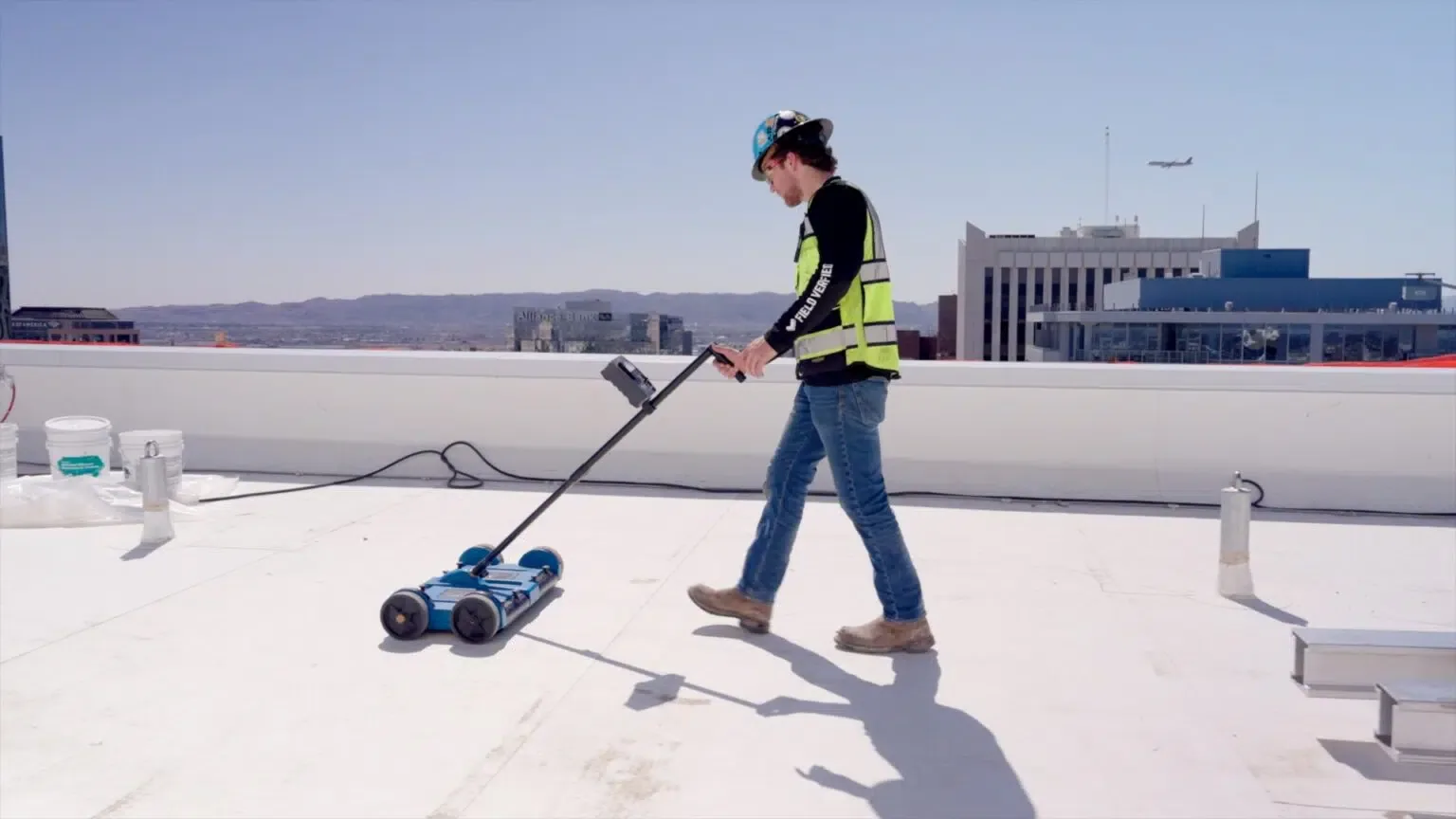
Interior staining rarely marks the exact roof entry. Water can move along a deck flute, insulation joint or framing member, then appear far from the failed edge. We compare the stain with penetrations, drains, seams and perimeter details above it. Where a scan suggests retained moisture, a controlled test opening can confirm the layers. We photograph the membrane, insulation and deck before closure. If the opening shows dry material, that finding narrows the repair. If it shows wet insulation, the affected area needs a defined removal limit.
The city is served by State Route 140 and is linked to Merced's larger highway network. Those route facts support arrival planning only; they do not tell us whether a property has yard space, a clear roof hatch or a usable loading area. The owner can identify the access point and any spaces that must stay open. A moisture survey can help select test locations when the leak path is not obvious. We keep the scan and the opening distinct in the report: one points to a question, the other confirms the layers at that point.
Choose what to rebuild
A local edge repair fits when the fasteners can be reset, the surrounding membrane bonds well and the substrate is dry. We remove loose material, restore the attachment and rebuild the transition with compatible components. A longer release, wet insulation or repeated separation changes the scope. The owner may then compare selective removal, a recover evaluation or replacement. We state the condition driving that choice, the area included and the assumptions that remain. A coating does not correct loose metal or trapped moisture beneath an unprepared surface.
Work costs and duration depend on removal depth, replacement materials, edge length, access, disposal and whether the building can remain active during the repair. If a test opening finds damage beyond the approved boundary, we protect it and pause for review before adding work. The manager receives photos and a revised scope. Our edge-metal inspection addresses attachment and termination details, while a written roof-condition report records the evidence and the next decision without implying that concealed areas were examined.
Keep the opening controlled
Before cutting, we confirm the approved work limit, roof access, staging area and the space below the repair. We remove only the specified material, inspect the exposed layers and keep the opening protected if the work cannot close that day. Fasteners, metal and membrane are checked again before the repair is complete. If water or deck damage continues beyond the boundary, we take photographs and return the decision to the owner rather than extending removal without approval.
Tuttle's connection to State Route 140 does not replace site instructions. The manager provides gate details, delivery timing, occupied hours and any equipment that cannot be interrupted. An inspection request can include the leak location, roof system if known and the most recent repair record. We can then compare field observations with the prior work and explain what changed. For another local reference, the North Merced Villages service area has its own planning geography; it does not stand in for a finding at a Tuttle property. The repair follows the assembly we open.
Commercial Roofing Questions
Can we repair a loose edge without replacing the roof?
A bounded repair is supportable when the field sheet holds its bond, testing finds no water below and the fastener line can be reset. We inspect beyond the first loose fastener before setting that limit. A longer release or wet insulation calls for a different scope, with photos showing why the boundary changed.
Does the stain below the edge show where water entered?
The stain identifies an interior symptom, not a confirmed entry point. Water may travel through insulation or along the deck. We compare it with edge conditions and nearby seams, then use a test opening if the layer condition will change the work.
What does a test opening add to the inspection?
It reveals the actual membrane, insulation and deck at one selected point. We photograph those layers and close the opening with compatible materials. The result helps set a repair boundary there; it does not prove that untested roof sections share the same condition.
How do State Route 140 and the rail alignment affect scheduling?
They locate Tuttle, but the property controls roof access and delivery staging. We confirm the gate, lift position, occupied hours and any drive that must remain clear. The manager's instructions, rather than a map reference, set the work sequence.
Inspect the edge attachment
Share the leak location, access instructions and any known repair history. We will examine the edge, document the exposed layers and return a written scope with a defined repair limit.
Related Roofing Work