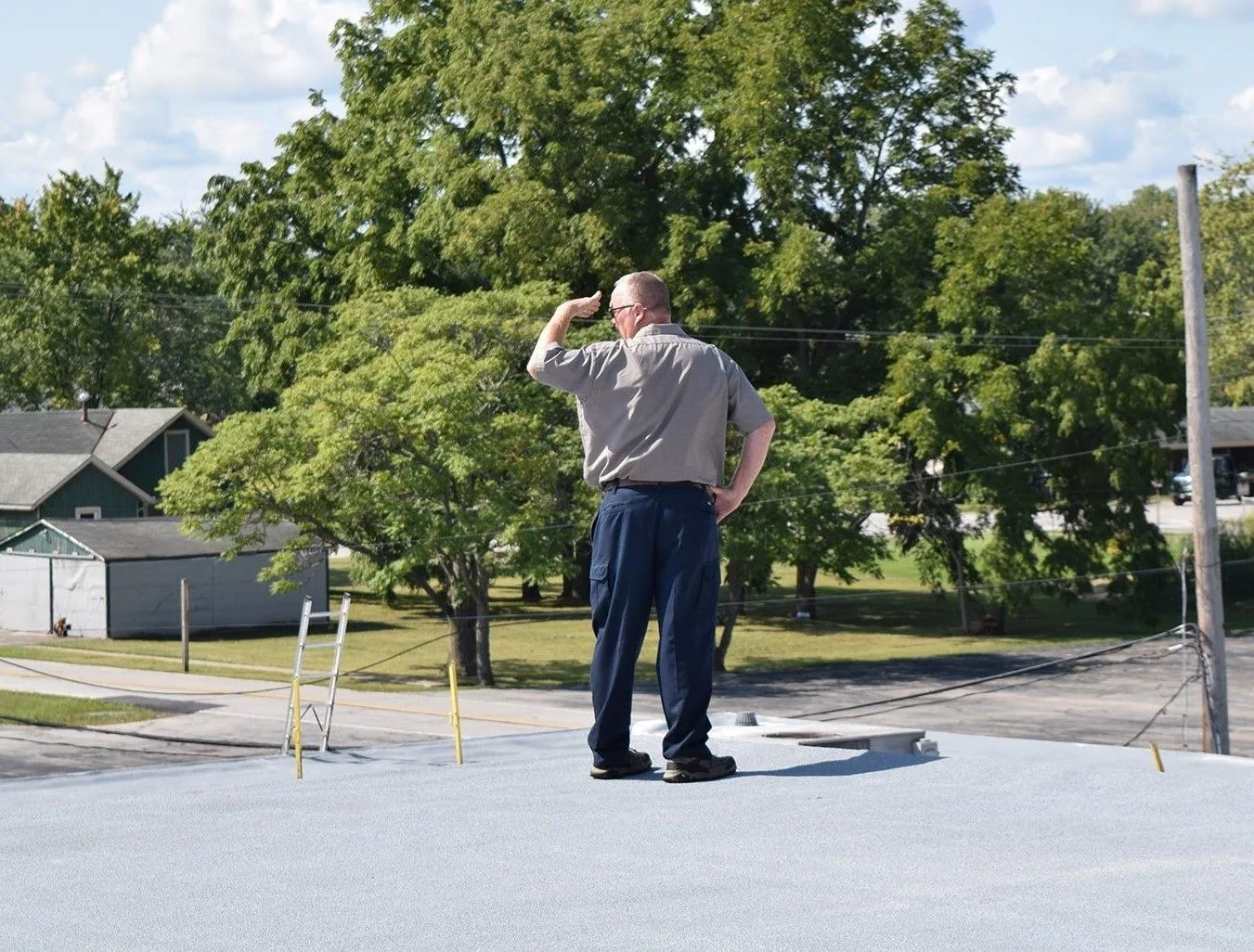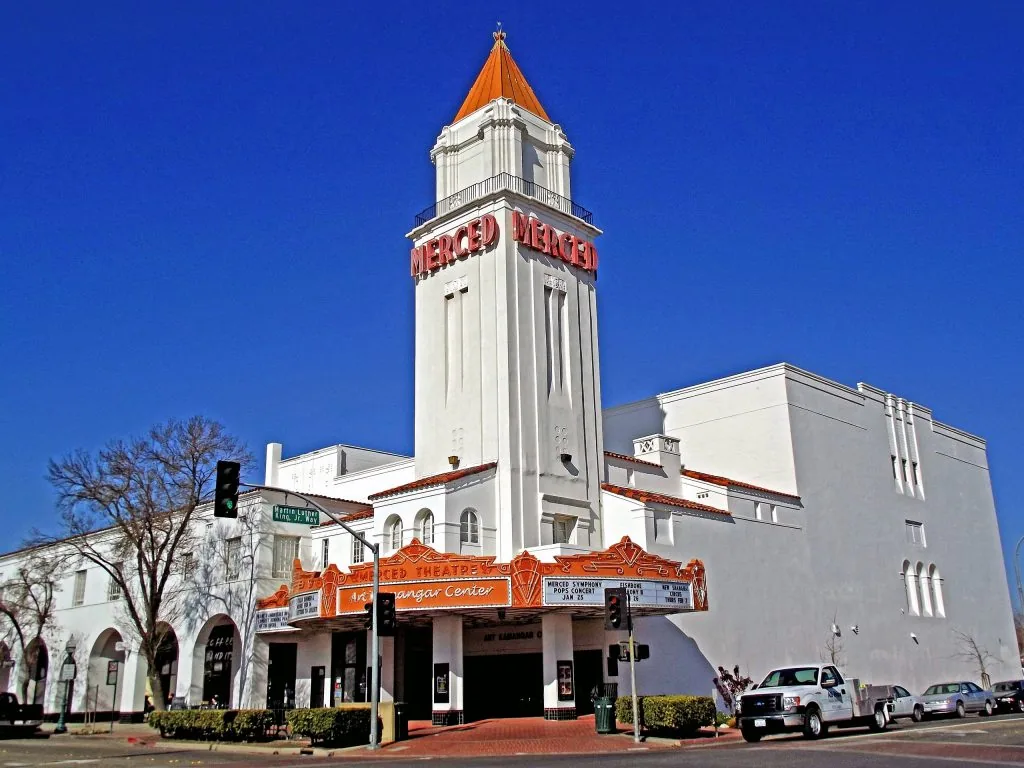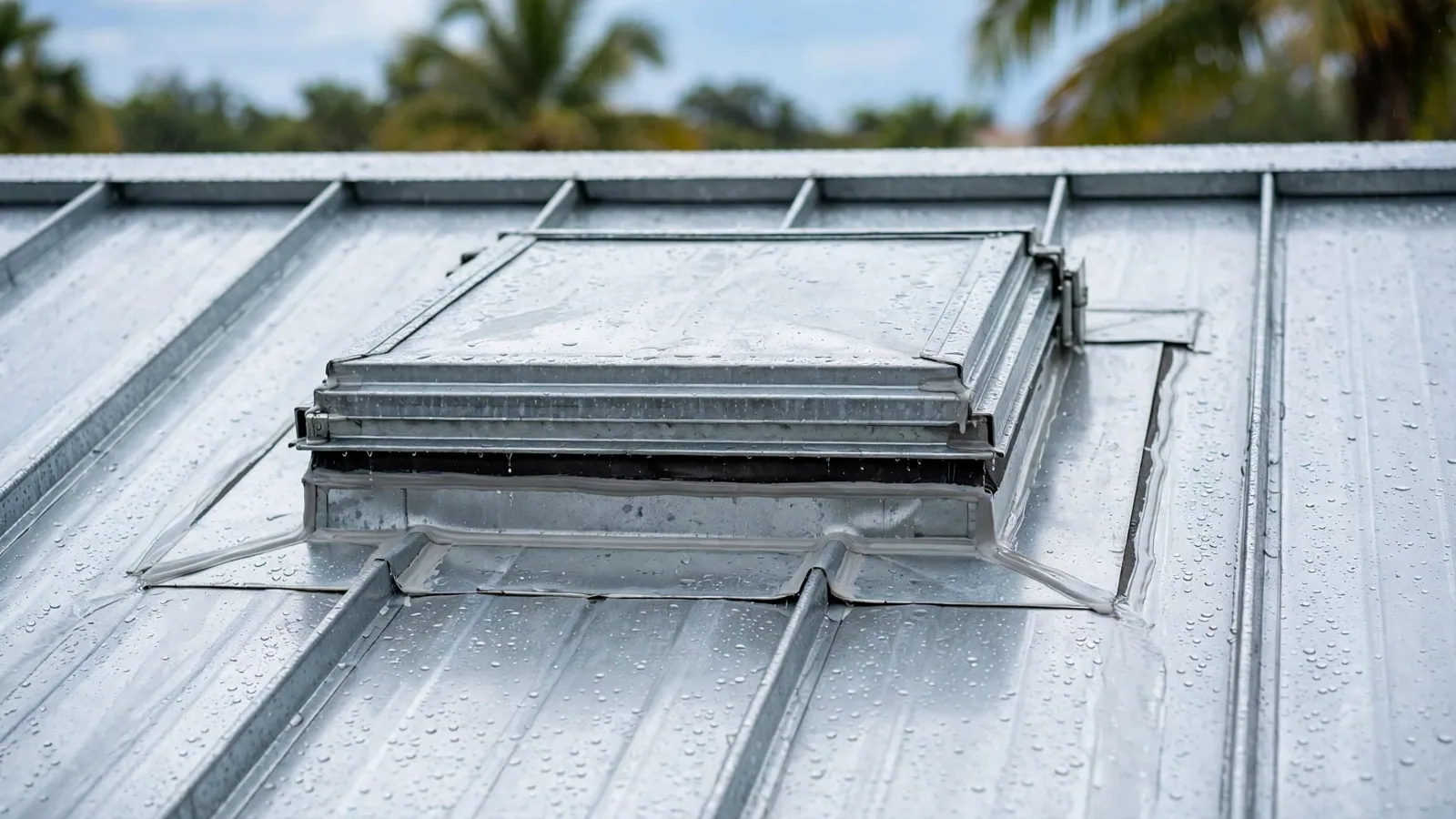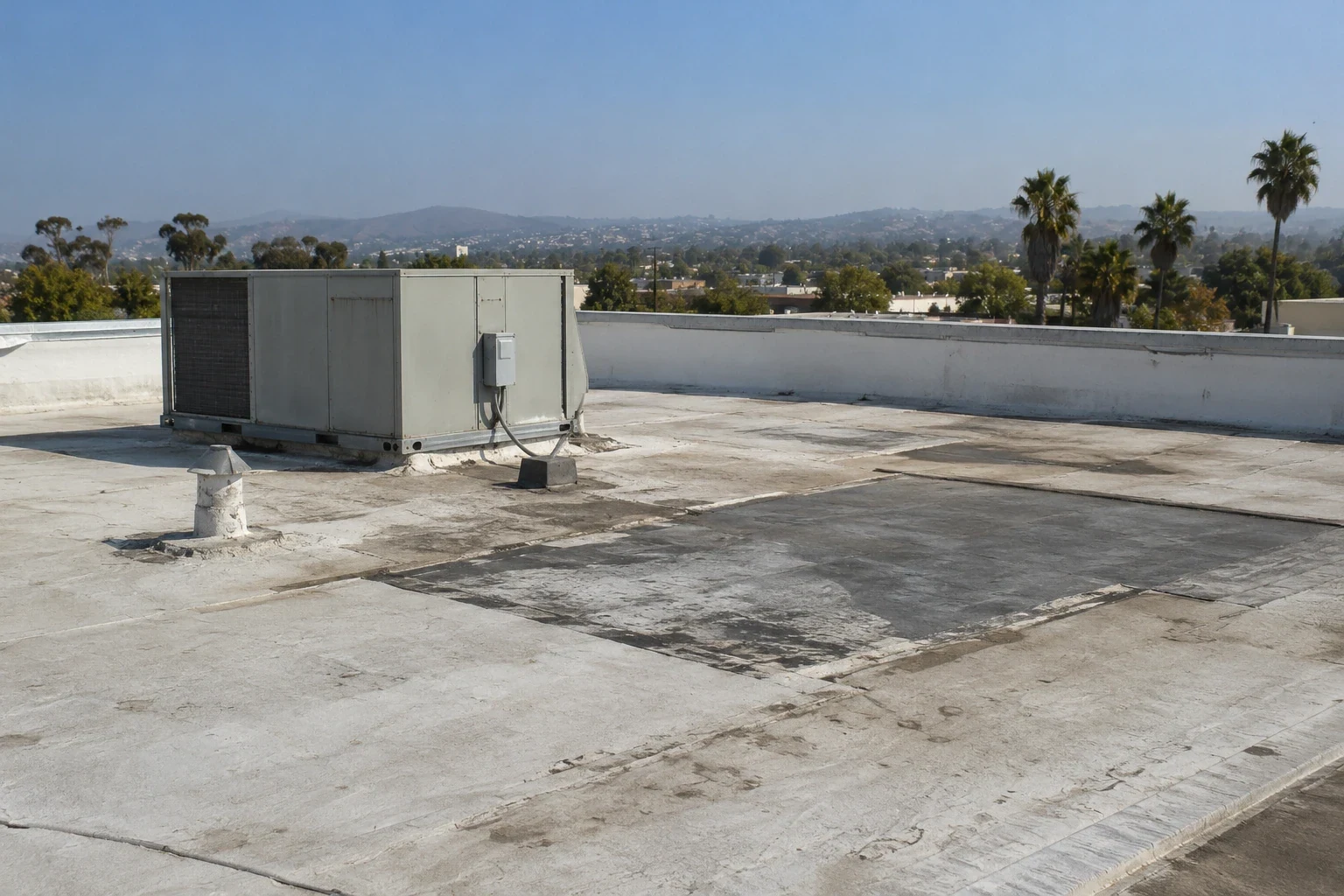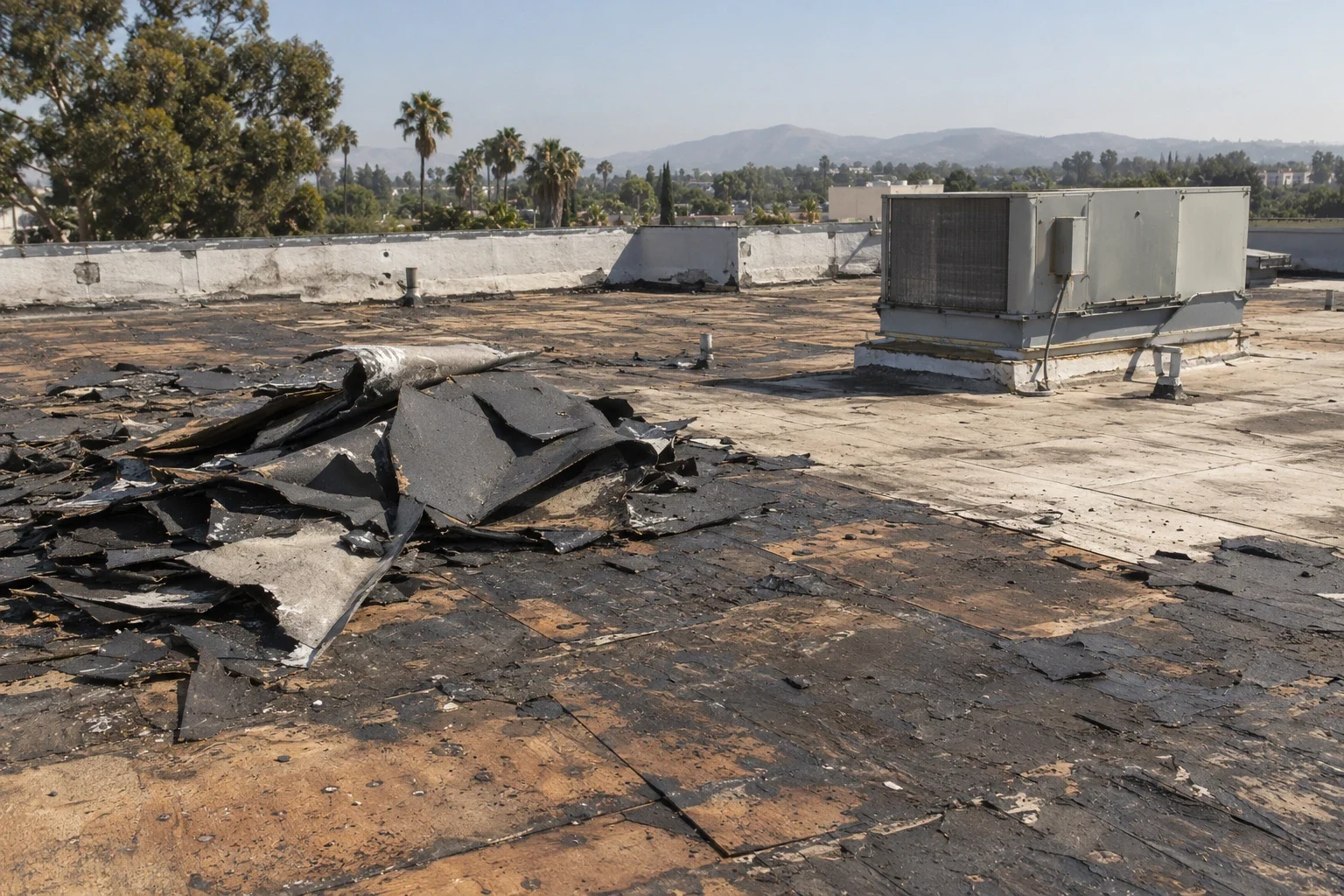
A split at a wall transition can send water under the membrane before it shows inside. For commercial roof work in Catheys Valley, CA, we inspect the wall flashing, field sheet and substrate before choosing a repair. Catheys Valley is an unincorporated community in Mariposa County, northeast of Merced and southwest of Mariposa. The community's land-use direction supports locally oriented small commercial businesses and agricultural services. That is a land-use direction, not proof that a specific business or roof is present. We confirm the property, assembly and access before defining work.
Merced's summer heat makes movement at exposed edges and terminations worth checking, while the owner provides the actual roof history. A commercial roof inspection records the surface, fasteners, drainage and interior evidence. We look for an open wall joint, a failed seal, loose metal or moisture beneath the membrane. The report separates what the inspection found from conditions that remain concealed. That distinction matters when the next choice is a local flashing repair or a larger removal area.
A small-commercial planning focus
Catheys Valley's land-use direction supports locally oriented small commercial businesses and agricultural uses. It also sets the community in the broader area between Merced and Mariposa. Planning language describes a preferred direction, not current tenant inventory. For a property owner, the roof question stays practical: whether the building can tolerate an open section, how access equipment will reach it and what interior operation sits below. We ask about those conditions without assuming a use from the community's planning label.
Merced's economy includes food production, packaging, manufacturing and distribution, while Catheys Valley has its own community geography. A roof repair schedule for a building that handles goods may depend on a loading path; another owner's concern may be protecting office contents or keeping a room dry. The inspection records the actual use and constraints supplied by the manager. A Merced service-area visit follows the same evidence process but does not transfer findings between sites. Each building receives a separate scope and repair boundary.
Where the wall meets the roof
At a wall transition, membrane, flashing, termination bar and wall surface must remain connected. We inspect the vertical rise, corner, sealant and fastener pattern. A short split can sit above a longer loose bond line. We also check the field sheet for a wrinkle or patch that indicates movement away from the wall. If a test opening is warranted, the report identifies the location and exposed layers before the opening is closed with compatible materials.
Merced station records average 99.7 days per year at or above 90 degrees Fahrenheit under the 1991 to 2020 normals. Merced station normals show regional climate conditions; at a Catheys Valley roof, the actual seam and edge assembly guide the repair. Heat movement can stress a transition where a membrane meets a rigid wall. We inspect the actual attachment rather than assume that heat caused a visible defect. A flashing repair assessment distinguishes a loose termination from a field seam problem. The written scope names the material removed and the connection rebuilt.
Trace the interior mark
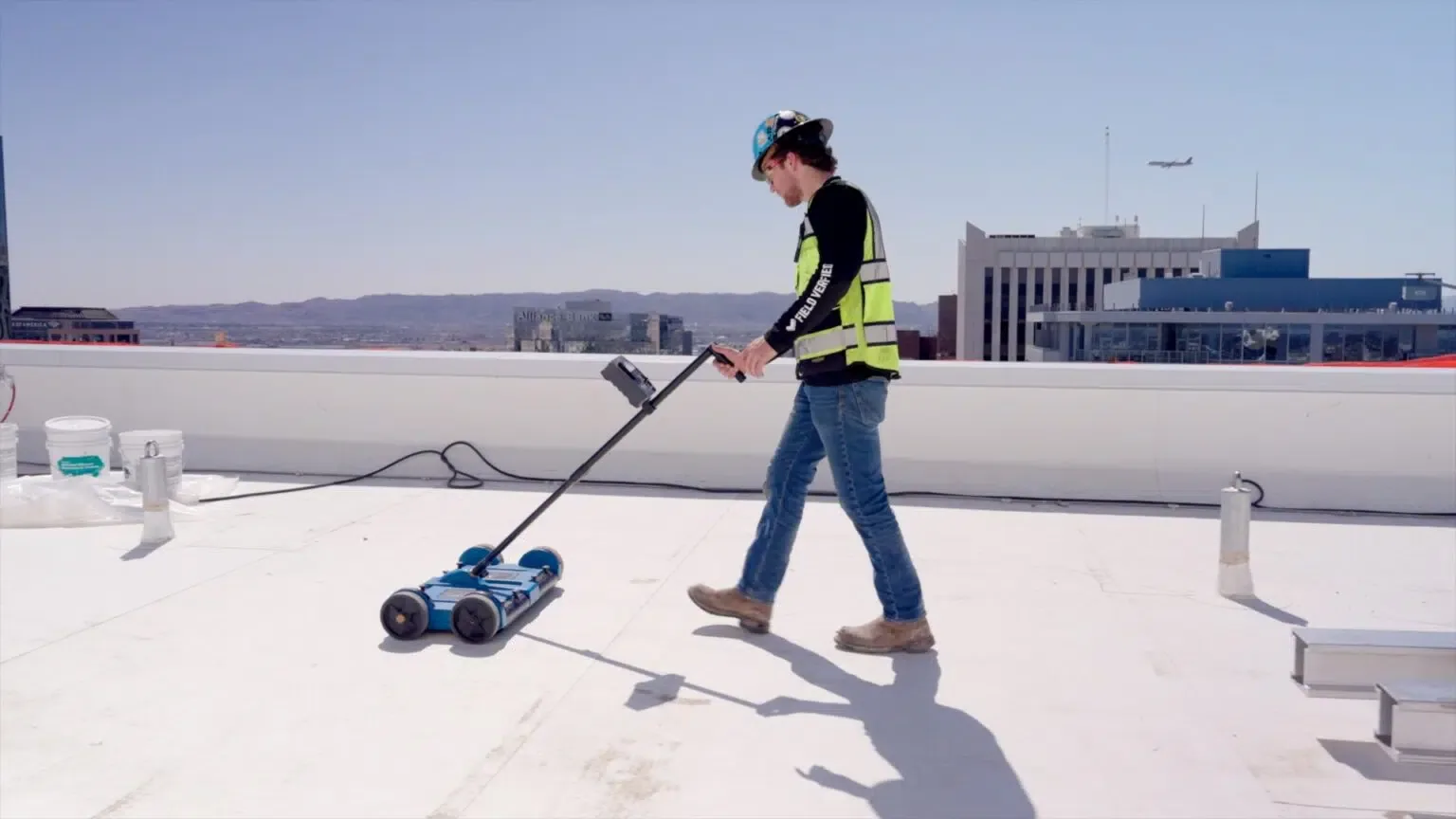
Water at an interior wall can travel along insulation, deck or framing from a roof entry farther upslope. We compare the stain with nearby seams, penetrations and drainage, then mark the path that the evidence supports. A scan can help select a test point when the moisture pattern is not visible. A small opening confirms the condition at that location. We mark the wet area before removal.
The Merced climate record lists a July normal high of 96.3 degrees Fahrenheit and a normal low of 61.7 degrees for 1991 to 2020. At the property, we inspect the installed membrane, fasteners, and drain connections before choosing the work boundary. The temperature range helps frame material movement in the market, but roof condition comes from the inspection. If moisture crosses a seam or wall transition, a moisture survey may guide limited openings. The report states what the scan suggests and what a test cut confirms, so the owner can decide whether more investigation is useful.
Set a repair size the evidence supports
A localized flashing rebuild can work when the membrane is sound, the substrate is dry and the termination can hold a compatible connection. If the wall joint has separated along a longer run, the repair may need more metal and membrane removal. Wet insulation or damaged deck changes both scope and staging. We compare a bounded repair with selective replacement or a broader project only after checking what remains below the surface. Coating does not restore loose attachment or remove trapped moisture.
Cost and duration follow the quantity of material removed, the exposed layers, access equipment, disposal and the approved work window. The property manager can help identify any delivery or occupancy constraint that changes staging. We mark the proposed boundary and list the assumptions before work. A repair scope states the immediate work; a replacement evaluation addresses wider assembly condition. The Hornitos service area and Catheys Valley are separate geographic targets, not a reason to reuse a neighbor's roof findings.
Protect the work below
Before opening the roof, we confirm the hatch or ladder access, staging space, interior area below and weather protection plan. We remove only approved material, inspect the substrate and keep the opening dry. If the exposed condition continues beyond the marked area, we stop, cover the work and provide photographs for review. The manager can then approve a larger boundary or hold to the original scope. No additional removal is assumed from one test point.
The owner confirms current operating hours and access limits; those details guide timing while the roof inspection sets the technical scope.
Keep later comparisons useful
The closeout should show the original wall detail, any opening, the insulation or deck exposed and the rebuilt membrane connection. We note what remained outside the work boundary and any limit that prevented access. A photograph of the finished patch alone cannot show whether the substrate was checked. Recording each stage lets a future inspection compare the same corner and determine whether movement or moisture has returned.
For an owner managing property in more than one place, location and condition records should remain separate. The roof condition report can track the tested area, repair materials and next review without treating one building as representative of another. A maintenance visit can revisit the transition and nearby drainage after the repair. Share the interior symptom, any known roof work and the access instructions. We will inspect the wall joint, identify what needs repair and return a written scope for approval.
Commercial Roofing Questions
Does local agricultural activity identify a roof system?
No. Local land-use policy supports small commercial and agricultural activity, but the owner confirms the actual operation at the property. We ask the owner about the actual use and inspect the roof that is there.
Can a wall-flashing repair stay limited to one corner?
It can when the surrounding membrane is attached, the substrate is dry and the separation ends at sound material. We check both sides of the corner and any moisture evidence before drawing that boundary. A longer loose run or wet insulation changes the scope.
Do Merced's temperature normals apply directly to Catheys Valley?
They describe the Merced station. We use them as market context for heat movement, not as a reading at an individual roof. The field inspection determines the surface condition and the repair method.
What happens if a test opening finds more wet insulation?
Once the cut is open, we stop at the authorized line. Photos show each layer and the owner decides whether added removal should proceed. Any expanded work receives a revised boundary.
Can roof work be staged around an operating business?
Yes, when access, interior protection and a dry-in sequence are planned before removal. We need the active hours, delivery limits and any area that must stay clear. Those instructions set the work window while the roof evidence sets the repair boundary.
Inspect the wall transition
Send the leak location, interior impact and roof-access instructions. We will examine the flashing, membrane and substrate, then return a written repair scope with photos.
Related Roofing Work