A separated curb flashing above a public counter can put roof work in direct conflict with the hours that office serves residents. For government building roofing in Merced, CA, we locate the roof condition and the service area below it before setting the opening and closure plan. The facility contact identifies public entrances, counters, meeting rooms, secure rooms, and equipment that must remain available. We inspect the assembly and record the work boundary so a repair request can be reviewed against a specific condition. A commercial roof inspection can map the leak, test the surrounding layers, and identify what the building team needs to authorize next.
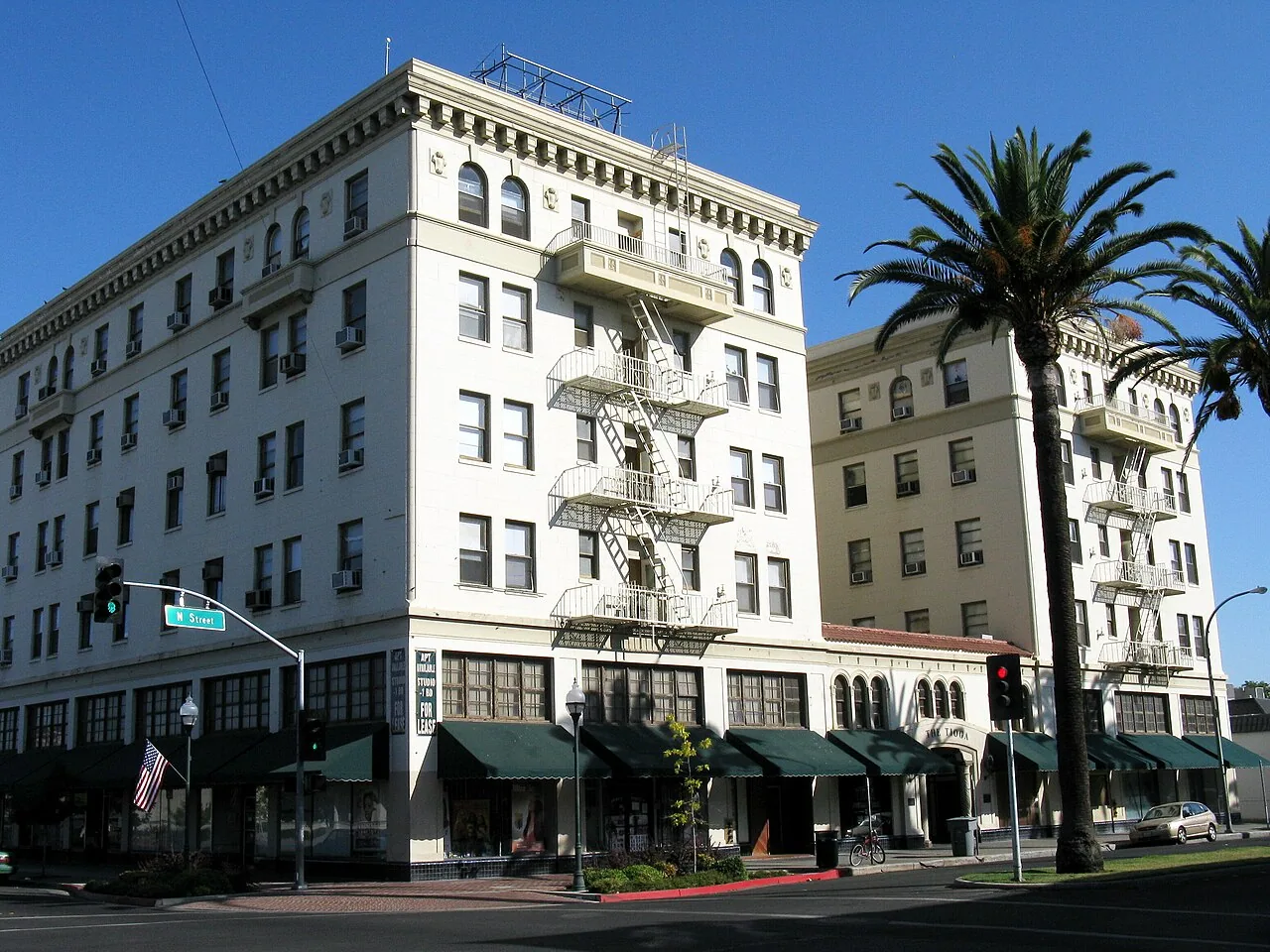
Downtown Merced contains city and county government uses alongside finance and professional offices. The Merced Armory is a California Army National Guard location listed in the state directory. These public uses do not share one operating plan. We verify the actual building's contact, access rules, service hours, and roof route instead of applying one agency's arrangements to another facility.
Keep public access in the work sequence
A repair above a lobby may need a different ground plan from work over an office wing or service yard. We locate public doors, accessible paths, delivery points, and debris routes with the facility contact. The roof opening should not force the public into a material-handling area or block an entrance without an approved alternate. If a meeting room or service counter lies below the work, the manager can arrange the needed protection or room change before removal starts. We state which path and interior area are affected, not simply that the building is occupied.
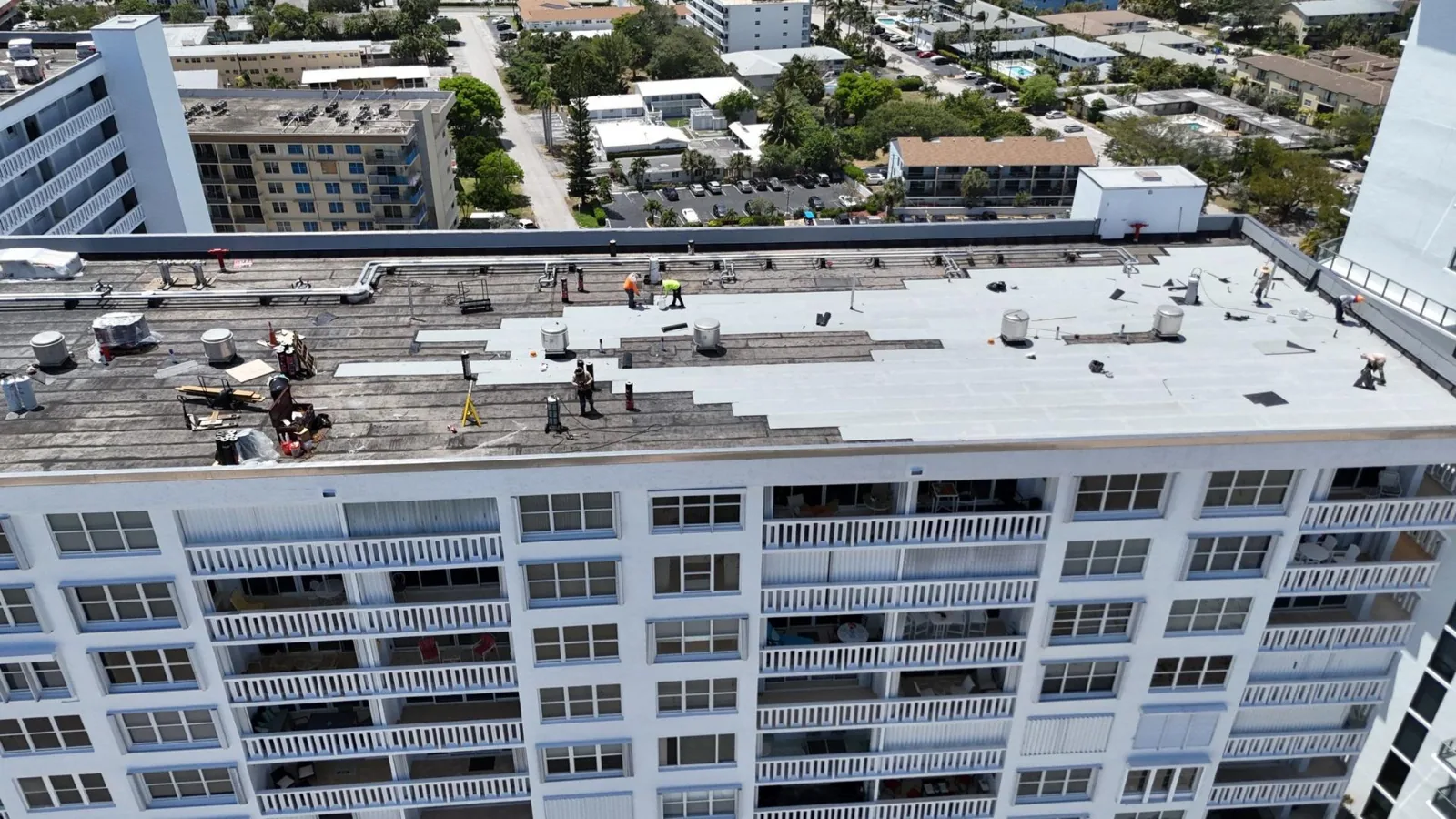
Some public buildings have controlled rooms or equipment functions that cannot be interrupted on a general schedule. We record any roof hatch, escort, or equipment coordination needed for access. A phased occupied-building plan can define section limits, temporary tie-ins, and a daily weather-tight endpoint. The agency can then compare available work periods with what the roof detail requires.
Find the leak path and repair boundary
A ceiling mark is a location to investigate, not the full dimensions of a roof defect. We compare it with field seams, edges, drains, penetrations, and prior repairs above the affected room. Water may travel before it reaches a ceiling or may be limited to one opening. We document visible conditions and check whether the membrane, insulation, or support needs another form of confirmation. A written condition report with photographs can distinguish what was seen from what remains uncertain.
Where concealed moisture could change the quantity, we propose an appropriate survey or test opening and identify the question it will answer. The agency approves the location before removal. We then map the confirmed wet material and explain the boundary for replacement. Dry surrounding material can remain if it is suitable for the planned assembly. The repair scope should not charge an undefined allowance for a larger area when the test has identified a narrower limit, or close over a problem that the inspection has shown requires correction.
Check outlets, edges, and roof support
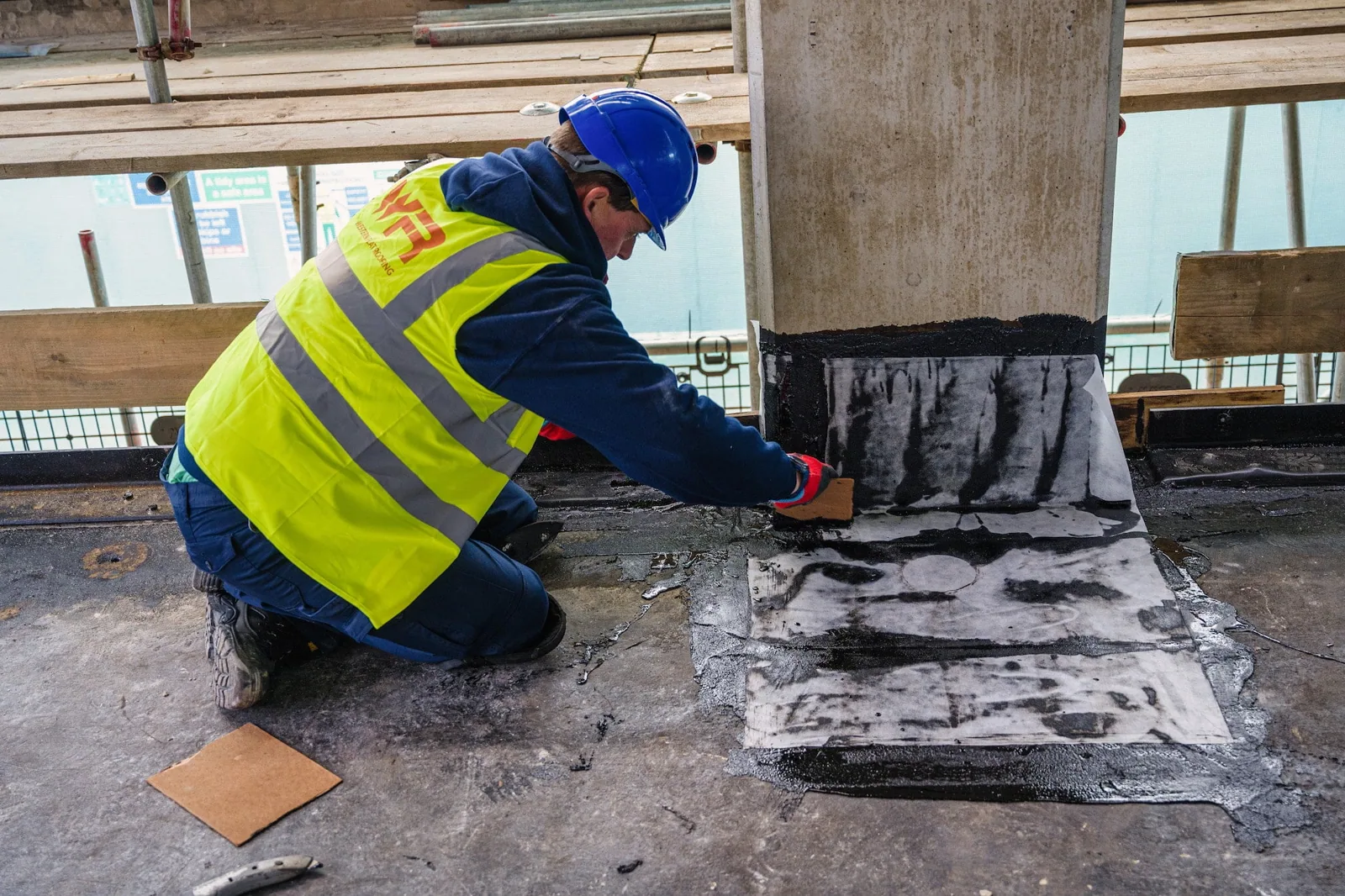
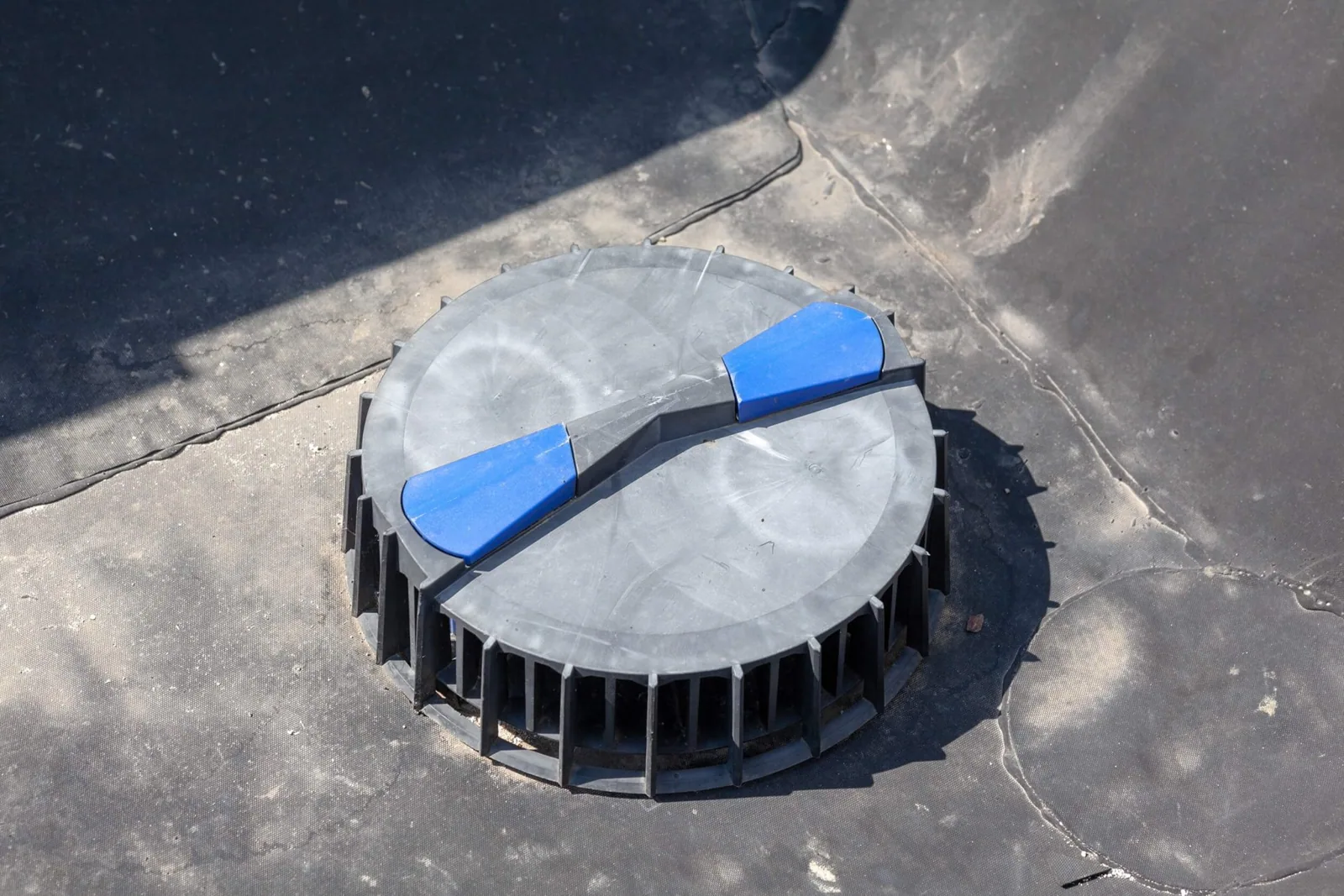
Water at a government building may enter through a drain connection, a lifted edge, or a failed penetration detail. We examine the outlet, membrane termination, and nearby roof slope together. Clearing debris is not the same work as rebuilding a damaged drain flange. A drain and scupper inspection can identify the repair needed and whether the water path remains open after the work. We also look for corrosion, soft deck areas, or loose attachment at any opening that exposes the supporting construction.
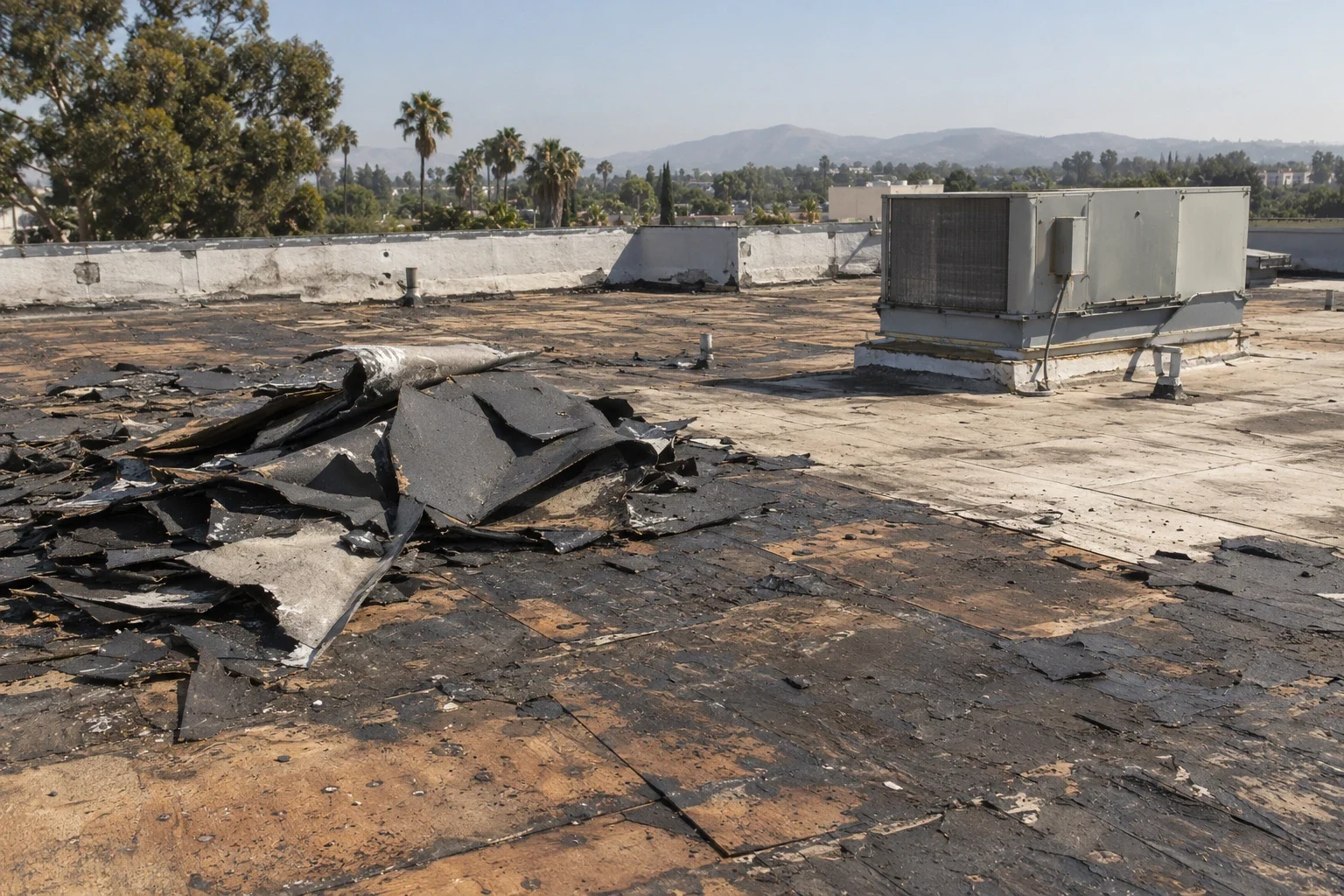
If the roof assembly has several layers, we record what is confirmed and what is still concealed. Added insulation can change the height at drains, curbs, and doors. A reroof plan needs those elevations and transitions checked before the agency approves a replacement detail. Merced's hot summer conditions can affect exposed surface handling, while winter rain makes sound outlet closure important. The work date and application method follow current site conditions and the material requirements.
Define documents, scope, and authorization
Public work needs a clear description that ties the requested work to inspected conditions. We identify roof areas, preparation, materials, removal depth, permanent flashing, interior protection, and closeout evidence. If testing or concealed damage can alter the quantity, the scope names the trigger and the approval contact before the crew expands the opening. The facility team can evaluate alternates on the same assembly and access assumptions. A replacement scope should show the tear-off or recover approach, roof sections, and details that need reconstruction.
Project documents may require permit review based on the application date and scope. The state’s 2025 code transition begins January 1, 2026 for qualifying filings; project reviewers use the date set by the local enforcing agency. We coordinate the applicable review for the defined work rather than infer a code path from the building's government use. The work record retains approvals, test results, changes, and the person responsible for each decision. That keeps a repair authorization separate from an unapproved expansion.
Compare focused repair with renewal
A repair can fit a bounded defect when surrounding membrane and support remain serviceable for the proposed connection. Repeated leaks, widespread wet layers, failing attachment, or extensive patch history can shift the decision to broader renewal. We compare removal limits, access, drain and curb heights, occupied rooms, and the temporary protection needed in each option. The written scope identifies what is confirmed and which result could change the selection. It does not assign a service life from one visual defect.
A government property may combine public offices, records storage, meeting spaces, and equipment rooms. A school roof scope or healthcare facility roof review can offer a useful comparison for maintaining occupied institutional space, but the use and approval process at this building control its sequence. The proposal separates urgent water entry from capital work and lets the agency review each decision with its evidence, timing, and operational effect.
Close the file with located evidence
The closeout should show the roof map, dated photographs, materials used, preparation, test findings, approved changes, and any area excluded from the work. Label each building wing or roof zone consistently. If the crew could not reach a section, record the access issue and the action needed to complete that check. The facility team should be able to match a service request to the repaired curb or drain without guessing which photograph applies. Keep warranty instructions with the actual contract and identify any required notice or inspection step from those documents.
Downtown Merced's city and county uses illustrate the mix of public access needs in the market. The Merced Armory has its own National Guard operation and is a separate facility type. Neither reference supplies the roof condition at the property being reviewed. The final note records the specific building, the completed assembly detail, and the next maintenance or inspection decision. That gives the next facility lead a direct record of what was found and what remains open.
Commercial Roofing Questions
Can the agency keep the public counter open during repairs?
We identify the roof section and affected interior area first. If the work can be phased with suitable protection and a weather-tight daily stop, the facility can plan service hours around that sequence.
What evidence supports a larger repair boundary?
Photographs, a roof map, and test results can show where membrane or concealed layers are affected. We separate confirmed removal from any contingency that still needs agency approval.
Does government use determine the applicable code edition?
The 2025 code baseline begins with applications filed from January 1, 2026. The local enforcing agency determines the applicable application date, and the project scope also matters.
Will a drain cleaning fix water at the roof outlet?
Only if obstruction is the cause. A damaged flange, flashing, or low area needs its own assessment and repair detail. We inspect the outlet and surrounding membrane together.
What belongs in the closeout package?
Keep the roof map, dated photographs, approved scope and changes, material and test records, access notes, and any follow-up requirement stated by the actual warranty documents.
Review the government roof condition
Send the Merced facility address, service hours, roof records, and approval contact. We can inspect the affected area and document a bounded repair or renewal scope.
Related Roofing Work