A repaired membrane beside an unexamined addition can leave two different roof obligations inside one acquisition description. The survey needs those boundaries identified before the buyer relies on a whole-property allowance. Commercial Roofing Merced conducts due diligence roof surveys in Merced, CA with accessible material findings and their examination limits retained. We identify the construction supporting a repair decision and the concealed question still requiring assessment. A tidy surface is not confirmation that every retained layer is suitable.
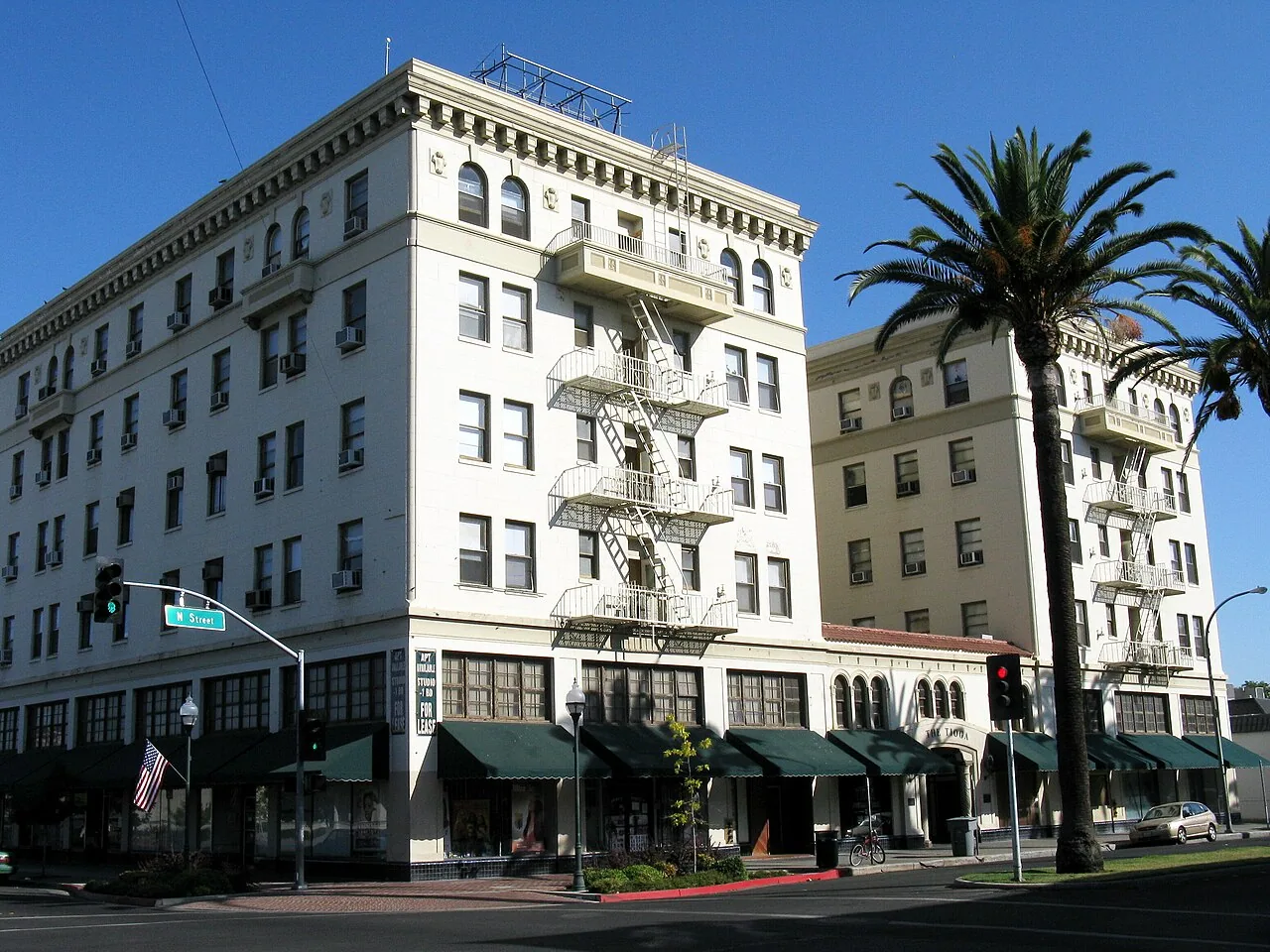
Merced's industrial stock includes light- and heavy-industrial sites with Highway 99 access. Offices, restaurants and government activity also occupy Downtown Merced. We discuss the actual building's access before examining its roof. The buyer needs the areas assessed and the operating restrictions stated. The resulting record distinguishes the work supported by present findings from additional investigation needed before the ownership decision can use a reliable removal scope.
Survey areas and access limits
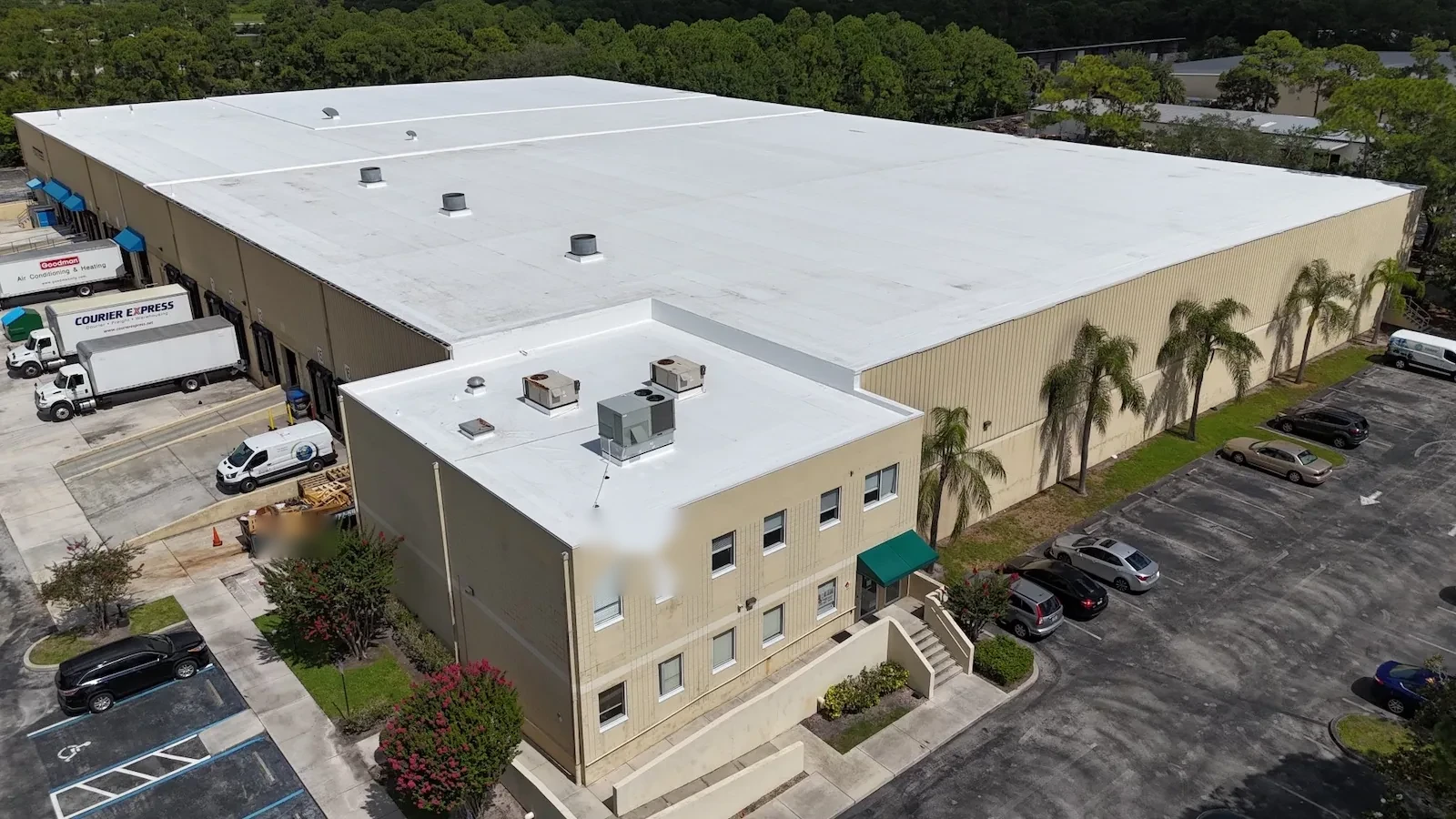
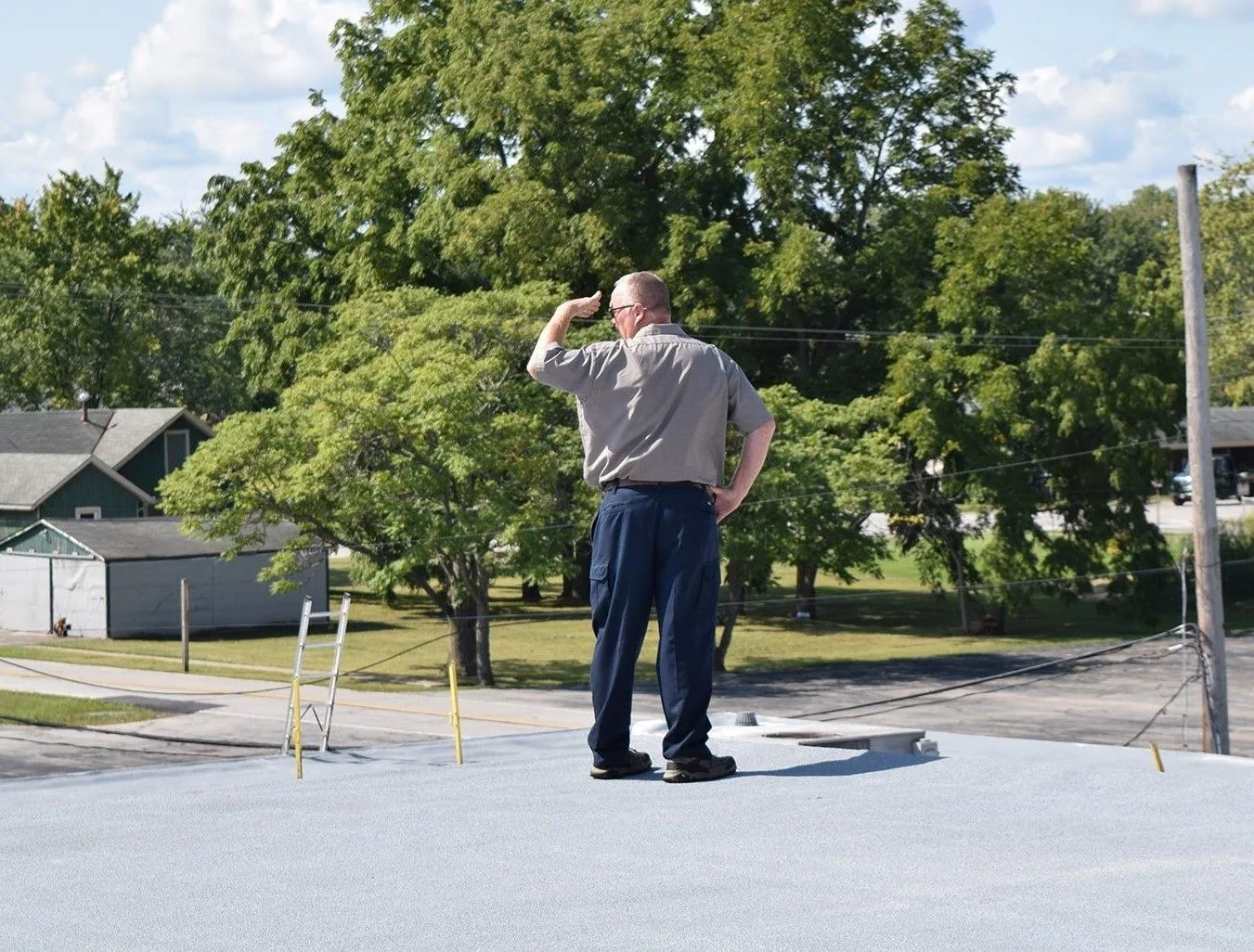
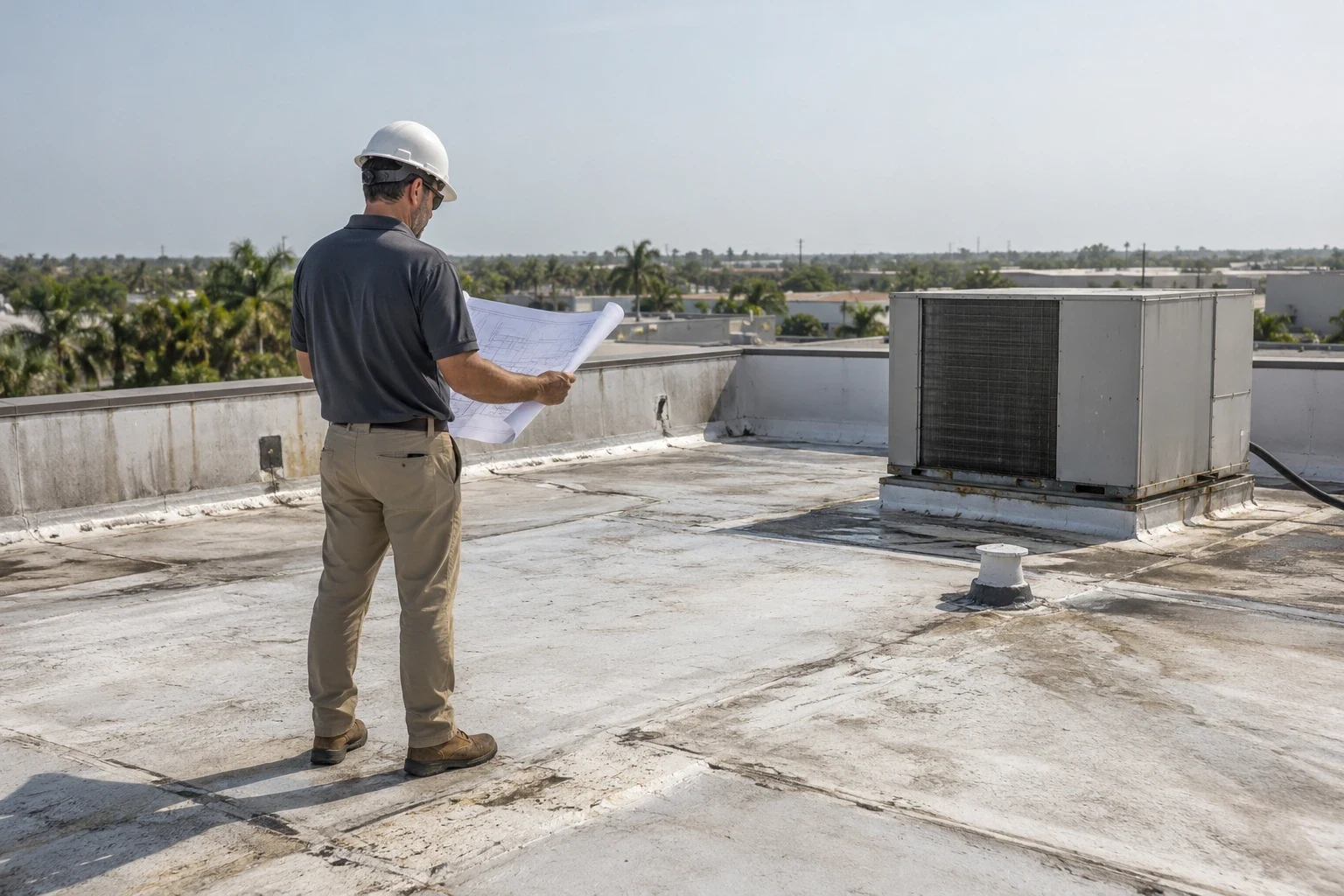
Identify the buildings, elevations and additions included. Separate coverings can have separate repair histories. We locate each accessible area and record shared drainage or wall connections relevant to the assessment. A view from an adjacent roof is not the same as a physical examination. Keep that method with the observation. A general description of the property should not imply that inaccessible sections received the same inspection as construction reached during the visit.
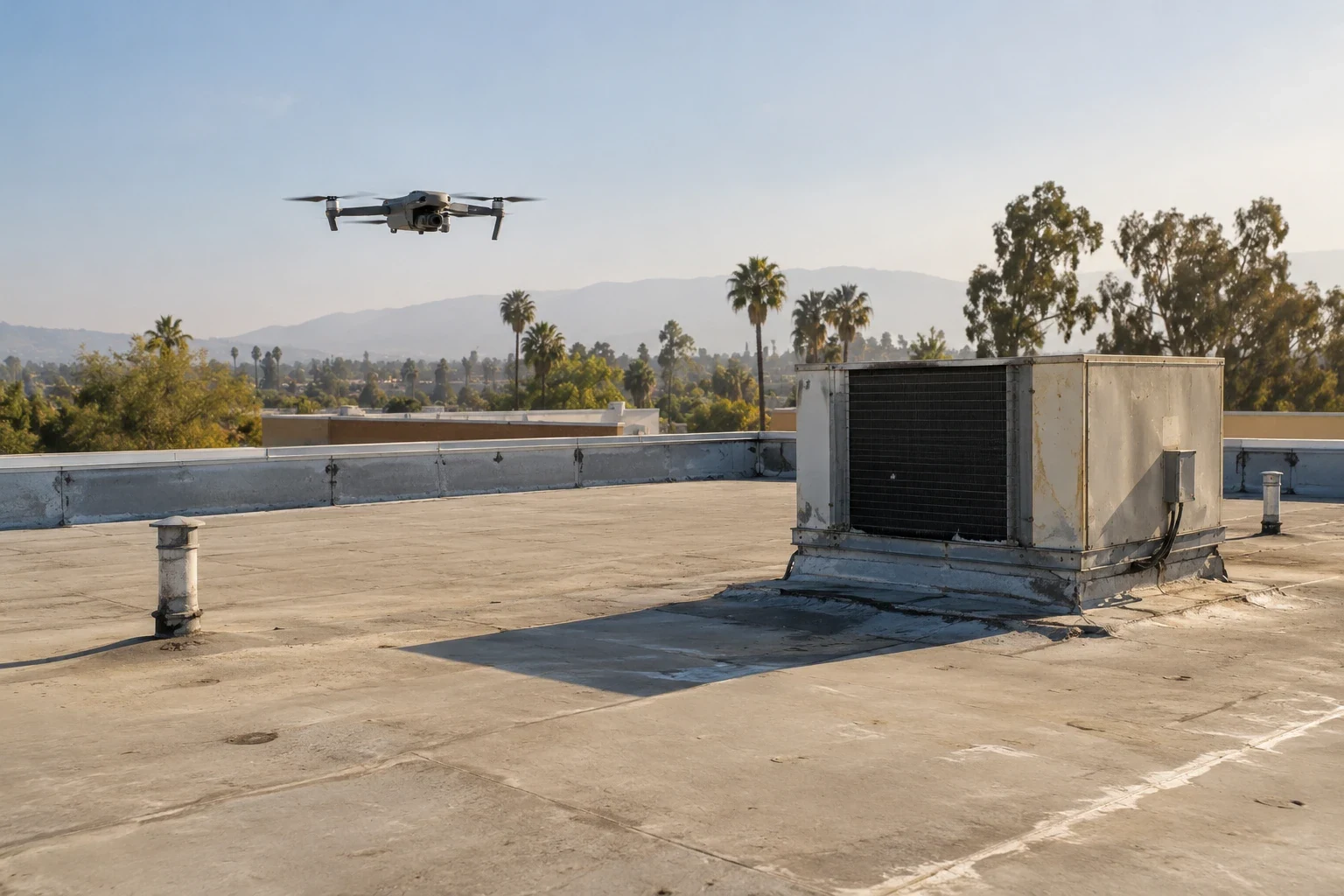
A roof overview by aerial examination may help orient areas where suitable conditions and access permit. Images cannot establish concealed moisture or support. We identify the details needing hands-on assessment. Interior water reports also have access limits. A room that cannot be entered remains a stated limitation where its condition affects the investigation. The buyer can then seek the arrangement needed before extending findings into that unexamined space.
Installation history and current evidence
Available drawings and invoices can describe earlier construction. We identify the record supplying each description. Later roof repairs or equipment alterations can change the connection. The survey compares accessible findings with that history and notes discrepancies affecting the proposed work. It does not convert a recorded installation date into a present condition finding. Layers hidden beneath the covering still need an appropriate assessment where their suitability controls retention or removal.
A review of roof coverage documents identifies available terms and any transfer procedure needing provider confirmation. Those records do not establish the condition of the assembly. Reported repairs also need their roof locations retained. A charged task may not show preparation or acceptance. We identify the evidence available and the question remaining, so the buyer can distinguish a documented work description from examined construction currently suitable for the next intervention.
Visible connections and concealed questions
The survey locates accessible membrane, flashings, edges and drainage findings. A surface split may support a defined correction where surrounding material and preparation are suitable. Loose attachment or uncertain support can require another examination first. We explain that difference. A general condition rating should not hide a particular connection needing protection or a concealed question affecting the construction amount. The useful finding connects its observation with the next action.
A hands-on inspection of the assembly can establish accessible preparation and the need for a test opening. We identify the opening location and question to resolve. Physical findings remain tied to the area exposed. Additional assessment may be needed before describing a larger affected section. The buyer receives that investigation task with its scope implication instead of assuming that one opening established every underlying layer across the roof.
Water paths and receiving areas
A roof section can discharge onto another elevation or share an outlet with adjacent construction. We review accessible relationships relevant to the proposed correction. An obstructed inlet can require maintenance while a concealed piping concern needs another assessment. The survey distinguishes those tasks. A membrane repair ending before the receiving area may leave a water-path question unresolved. The buyer should see that boundary before treating the local correction as closure of the entire drainage finding.
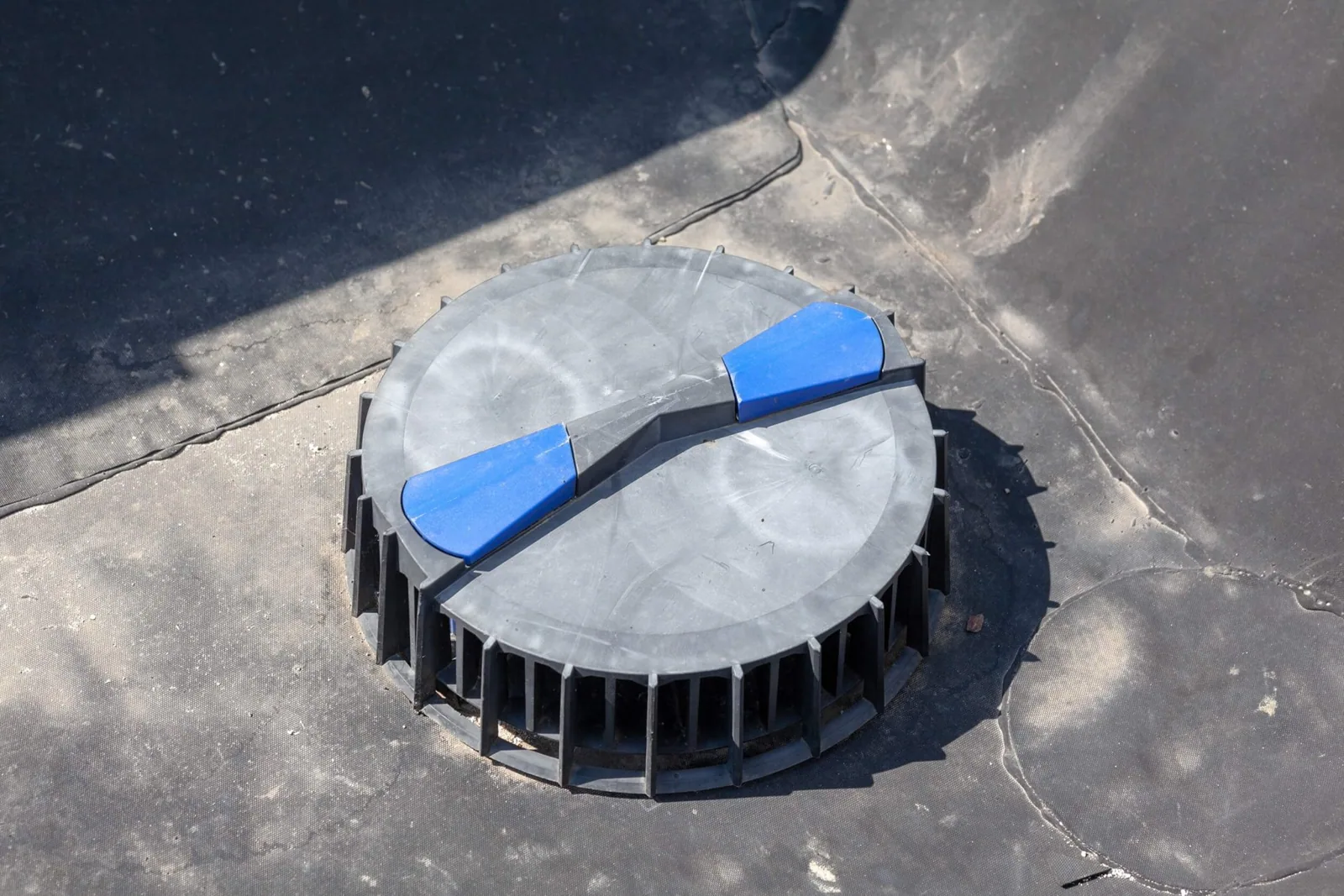
A roof outlet examination records accessible inlets, approaches and discharge connections. Concealed piping keeps its own inspection limit. If a recover is considered, added roofing changes the finished level relative to those details. We review available flashing height and the drain approach against the proposal. Retention should not be compared with removal as if every interface remains unchanged after more construction is placed over the existing assembly.
Preliminary amounts and work obligations
An acquisition may need an initial allowance before all roof questions are resolved. We identify the accessible findings supporting that amount and the uncertainty that could change it. Defined repair, investigation and interim protection remain distinct. A larger removal allowance should retain its basis rather than sound like confirmation that affected layers were fully mapped. The buyer needs the examination still required before that amount becomes a construction scope suitable for authorization.
A capital assessment of the surveyed roof compares suitable interventions with their operating measures. Merced's summer normals show hot conditions. Material preparation still depends on the selected requirements and the actual roof surface. We identify the opening and closure arrangements affecting the proposed work, including occupied access. Before choosing an application window, we check the current surface temperature, moisture, and product limits on the exposed assembly.
The conditions during the survey also matter. Surface moisture, access restrictions or ongoing equipment work can limit what the visit establishes. We retain those circumstances with the examination method and identify when another assessment is needed. A buyer comparing roofs should be able to distinguish an established material finding from an observation limited by the visit, especially where the proposed amount relies on adhesion, support or concealed moisture not yet physically confirmed.
The further examination target
Additional investigation should address the condition affecting the decision. We identify the location, method and finding needed. The owner or seller must agree to invasive work, protection and restoration. A general roof visit does not automatically authorize removing the covering. The buyer should understand what the proposed opening can establish and which further task remains outside it. This makes another visit useful instead of repeating a broad survey with the same unanswered concealed question.
A report of the acquisition findings retains initial observations and later results. For warehouse roof assessments, material movement and protection of operating space need the actual building arrangements kept available. When new evidence changes a recommendation, we identify the finding and work boundary affected. The buyer can then follow the roof question from accessible observation through additional examination, with remaining uncertainty still visible before the transaction decision.
Structural suitability may require separate professional review. We identify movement or supporting-material concerns affecting the intervention without treating a visual roof survey as a capacity determination. Keep that assessment distinct from the roofing correction and the amount dependent on its result.
Commercial Roofing Questions
Does the survey assign a fixed remaining roof life?
It records current accessible condition and survey limits. Unexamined layers and future changes prevent a surface-based promise of a set remaining service life.
What happens when a roof area cannot be reached?
Identify the location and limited observation. Arrange appropriate access before treating that area as physically examined construction in the buyer's decision.
Can seller documents replace an assembly examination?
Keep their descriptions attributed. Compare them with accessible findings and identify concealed questions needing assessment before relying on retention or repair.
What is required before a selective opening?
Agree its purpose, location, protection and restoration with the owner or seller. Identify the condition it will establish before arranging invasive work.
The acquisition roof examination
Schedule a survey with Commercial Roofing Merced to identify accessible defects and concealed questions before your ownership decision.
Related Roofing Work