An opened lap at a repaired roof section needs its assembly record located before warranty coverage is assumed. The document may describe the original construction, a later alteration or a different roof area. Commercial Roofing Merced manages roof warranty decisions in Merced, CA by connecting the inspected defect with the actual terms and proposed work. We identify reporting or review requirements needing confirmation. The physical correction still needs a suitable base and connection.
Merced's light- and heavy-industrial parks have Highway 99 and rail access. Downtown Merced includes finance, government and professional office activity. We review the actual roof and operating space at the property. Access, interior protection and the assembly area belong with a reported condition. The manager can then seek a provider response describing the particular defect rather than submit a general leak account that leaves the construction unidentified.
The roof area and stated terms
Start with the issuing party, described assembly and dates. Material coverage and a workmanship commitment can address different matters. Their names do not establish whether the observed defect is included. We review the documents available and identify a missing term or roof-area reference. The manager needs the stated procedure for reporting, inspection and authorization before relying on a particular intervention as covered work. A condition not resolved by the terms needs provider confirmation.
A roof history with assembly boundaries can locate original installation and later changes. Different elevations or additions may have separate documents. We retain those distinctions rather than assign one warranty to the entire property. Written correspondence also belongs with the work it addresses. A response authorizing one alteration should remain tied to that connection. It does not establish approval for a new penetration elsewhere or extend coverage to construction the document never identified.
Ownership changes can involve a transfer procedure. Identify the actual terms and information the provider requires. The new owner should retain the confirmation received. A previous owner's document alone does not establish that every transfer obligation was completed or that the provider has accepted the changed ownership.
The defect and examination record
A report needs the roof location and observed condition. We photograph the lap, flashing or other accessible detail with enough orientation to identify it. Interior water observations keep their own timing and location. They can help target examination without proving the entry route above. The submission identifies the physical finding and the question still requiring assessment. This makes the account useful for provider review and for setting the subsequent roofing scope.
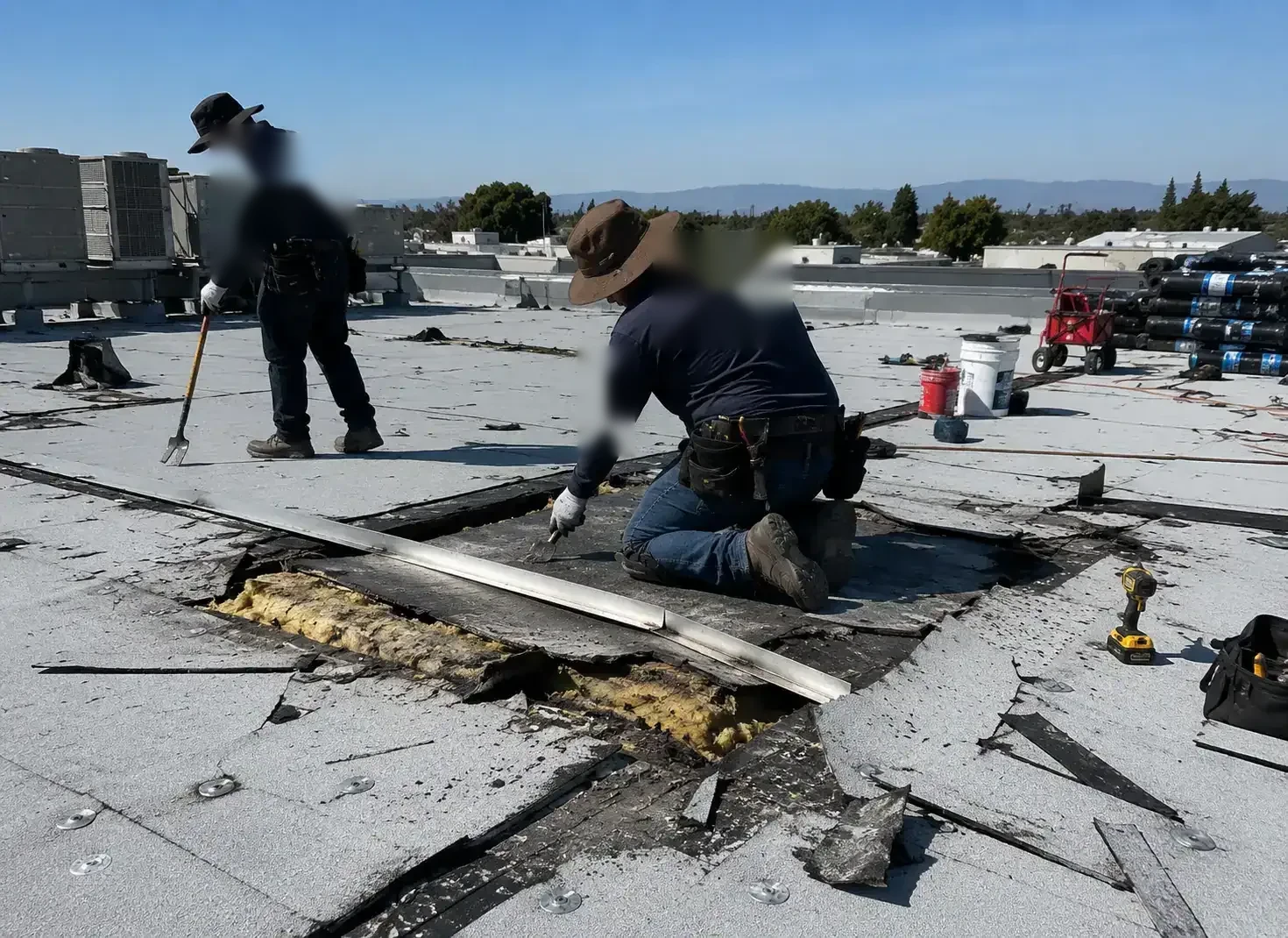
A roof condition examination can establish accessible preparation and support concerns. A test opening may be needed where concealed layers control the correction. The owner needs any stated provider inspection or authorization requirement reviewed before that opening is arranged. We identify its location, purpose and restoration. The document decision remains separate from the material the opening will expose and the removal boundary that those findings may change.
Protective work and permanent correction
Current water entry may need protection during a coverage review. We identify the accessible defect and measure proposed, with its purpose and limits. The owner should follow the actual reporting procedure and seek required provider confirmation. We keep the protective work located and recorded. Its cost or acceptance remains subject to the terms and response. A temporary action should not be presented as approved permanent construction when that decision has not been received.
A protective roof intervention records the area secured and material left outside its scope. The next work package identifies the permanent connection still needed. Merced's hot summer normals make actual material preparation and application conditions relevant. We review the selected requirements before proposing a method. Seasonal context does not establish that any product can be applied to the present surface or that an interrupted opening can remain without appropriate closure.
Changed equipment and roof interfaces
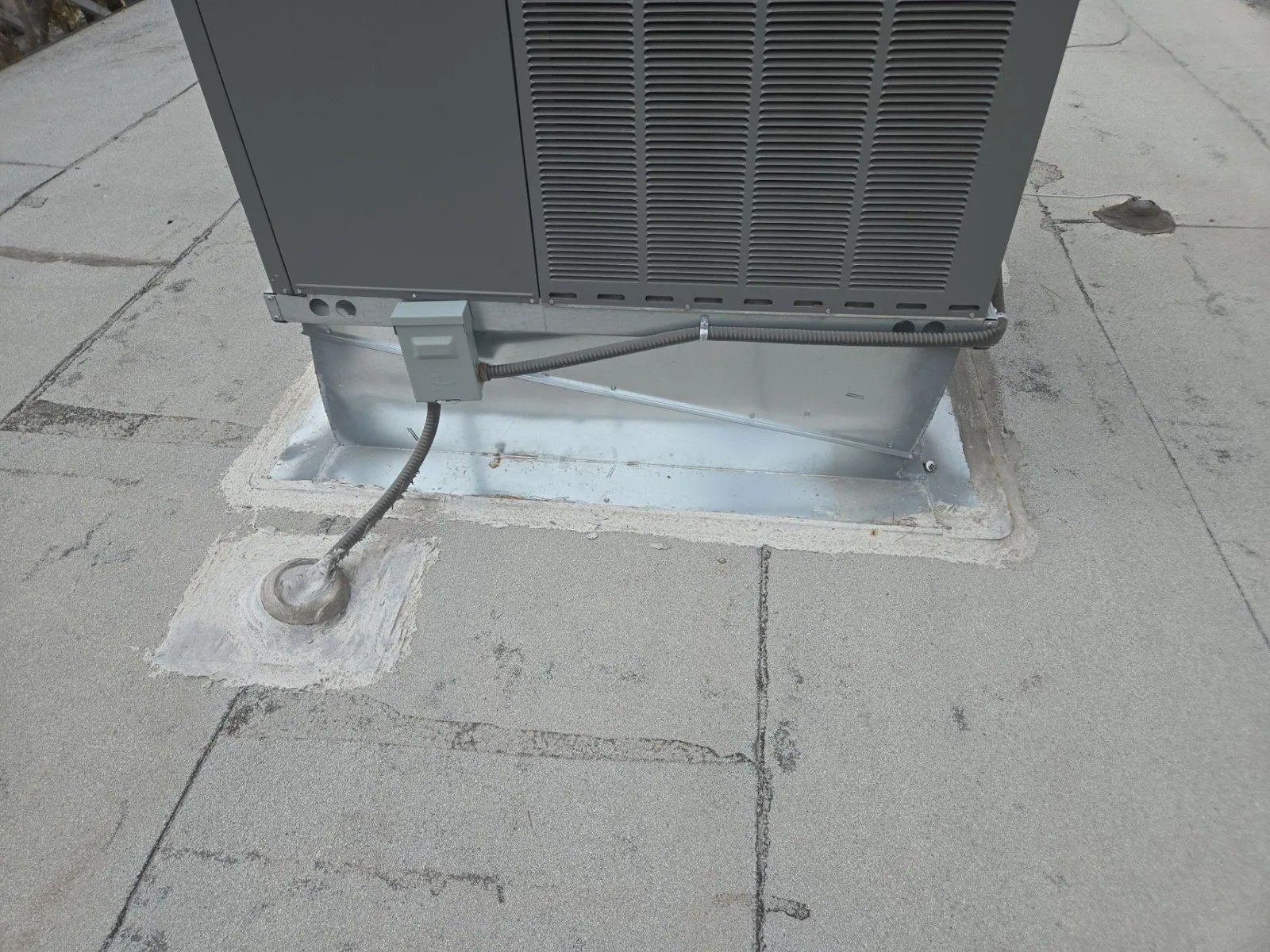
A new curb or penetration can change the assembly described by the original warranty. We inspect the accessible connection and discuss the waterproofing needed for the alteration. The documents may require a detail, provider review or contractor qualification. Those requirements must come from the actual terms or issuing party. Our examination does not establish manufacturer approval. The manager needs the physical scope and applicable procedure identified before another trade changes the roof.
Roof connections around new equipment need responsibility for support preparation and waterproofing made clear. We record material retained, concealed findings and the accepted closure. A changed finding during preparation can require another document review before the scope expands. Keep the provider's response with the actual alteration and note any condition attached. The manager can then distinguish the approved connection from separate work performed nearby by another trade.
Maintenance evidence and open defects
Maintenance entries should identify their roof area and action. Clearing debris differs from examining a seam or rebuilding a flashing. We retain defects left for further work and the next examination needed. If a warranty states maintenance obligations, its terms establish the record or procedure required. A generic service note may not explain whether a particular condition was addressed. The manager needs enough information to locate the action during a later review.
A maintenance record of roof details connects current findings with completed tasks. Later traffic or equipment alterations may affect an earlier repair. We identify those changes separately from the routine visit. The history retains any provider recommendation and the work eventually completed in response. This supports the actual document question without interpreting a maintenance inspection as proof that every concealed layer remained suitable or that no further roof defect can occur.
The accepted work and coverage response
Retain the provider decision in its written form. Identify the scope approved and any condition attached. If the opening exposes a wider problem, record the changed finding and the review needed before more work proceeds. The completed repair needs its roof location, removed layers and finished connection. Concealed preparation photos show material the new surface hides. Adjacent retained construction remains distinguishable from the accepted correction.
A condition report for the warranty finding provides the original evidence. For roof work at office properties, keep access and occupied-space protection with the repair record. The coverage response and physical correction remain different decisions. A denied claim does not establish the repair method. An approved claim does not establish the condition of other roof areas outside the examination. The manager can review the next intervention against the actual construction and retained document obligations.
The record should also identify information requested but not yet supplied. A provider may need another inspection, a construction description or a response to its recommendation. Keep that open requirement with the reported condition. The manager can then arrange the next action without interpreting an unanswered submission as approval.
Commercial Roofing Questions
Does an original warranty cover every later roof alteration?
Review the roof area and alteration requirements in the actual terms. Seek provider confirmation where needed before treating new construction as authorized or included.
What belongs with the condition notice?
Retain the defect location, observed detail, photographs and associated water report. Identify the examination undertaken and any cause that still needs confirmation.
How should a protective response be described?
State what was secured and what remains for permanent work. Keep its purpose separate from a provider decision accepting the final correction.
What happens when preparation exposes wider deterioration?
Record the new finding and review its effect on the scope. Follow any required provider procedure before assuming the original approval includes the expanded work.
The warranty condition and proposed scope
Schedule an examination with Commercial Roofing Merced to locate the defect and review the document requirements before arranging the correction.
Related Roofing Work