A long drain run can hold water where a warehouse seam or roof penetration is already weak. Along Merced's Highway 99 industrial corridor, we check the outlet, roof field and interior report before setting the repair boundary. Merced has three industrial parks with light- and heavy-industrial sites linked to road and rail access. Local industries include food and grocery distribution, so a site manager may need to coordinate staging against receiving and operations. Those facts make staging and operating hours useful questions; they do not identify the roof on any one property.
We confirm the installed assembly, drain locations, equipment and access before recommending a repair or replacement. If a leak is active, a commercial roof leak assessment can compare the interior mark with nearby seams and penetrations. A broader roof inspection records the roof zones, visible defects and areas that could not be reached. The goal is a work scope tied to the actual building, not a general claim about every industrial site near the highway.
Drainage over a working building
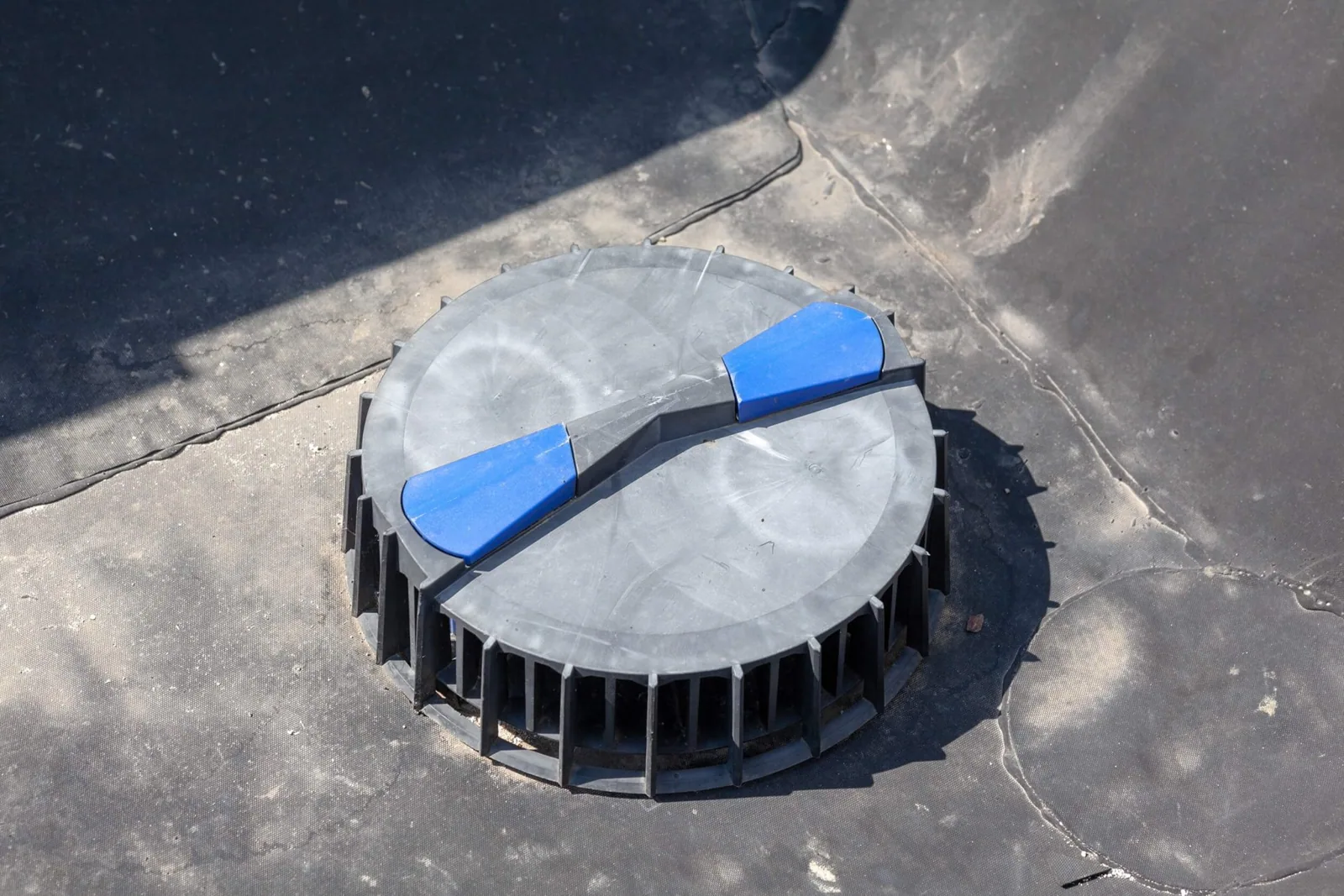
Water should move from the roof field to an outlet without collecting at seams, patches or equipment curbs. We inspect bowls, clamping rings, scuppers, overflow paths and the slope leading into them. A clogged outlet can be cleared, but persistent ponding may indicate a low area, compressed insulation or a drainage design issue. We measure and photograph the condition before choosing between outlet repair and a larger correction.
Food and grocery distribution are among the industries Merced identifies. A blocked drain above stored or handled goods can become a scheduling concern when a specific facility confirms that exposure. The inspection still starts with the roof itself and the interior conditions reported by its manager. A drain and scupper repair addresses the outlet detail. If water remains at another point, the scope traces the route and inspects the surrounding membrane rather than treating the drain as the only cause.
Identify the roof before selecting material
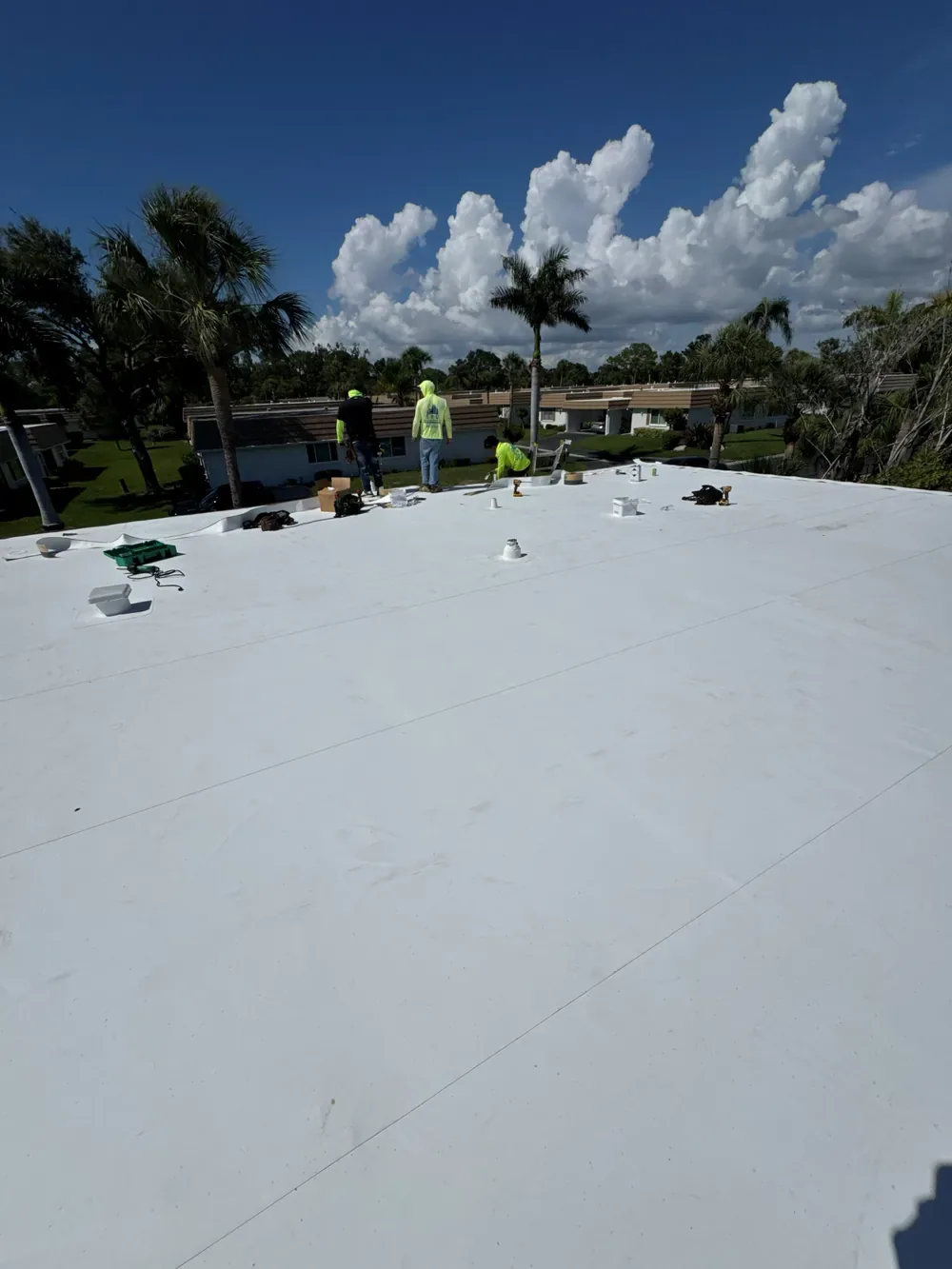
Industrial properties can have different roof assemblies even when they share a road or park. We identify membrane markings, seam construction, metal edges and previous repair layers. A thermoplastic field may accept a heat-welded patch when the material is known and the substrate remains sound. EPDM, built-up and metal systems require different repair details. The report notes the evidence used to identify the assembly, plus any uncertainty that needs records or a test opening.
Merced's summer heat can stress seams, transitions and edge attachments. The city's Merced station reports a July normal high of 96.3 degrees Fahrenheit; that is a regional climate reference rather than a reading on a specific roof. A TPO roof assessment checks welds, patches and membrane condition. A standing-seam review instead follows panel joints, fasteners and movement at penetrations. Material compatibility remains specific to the roof found on site.
Staging, deliveries and dry-in
Highway 99 and rail access are part of Merced's industrial location, but they do not establish a site's loading dock, truck route or lift access. We walk the property with the manager to confirm gate hours, staging space, overhead lines and routes that must remain clear. If material movement overlaps with receiving or production, the work sequence can separate roof loading from those operations. We identify each assumption before delivery is scheduled.
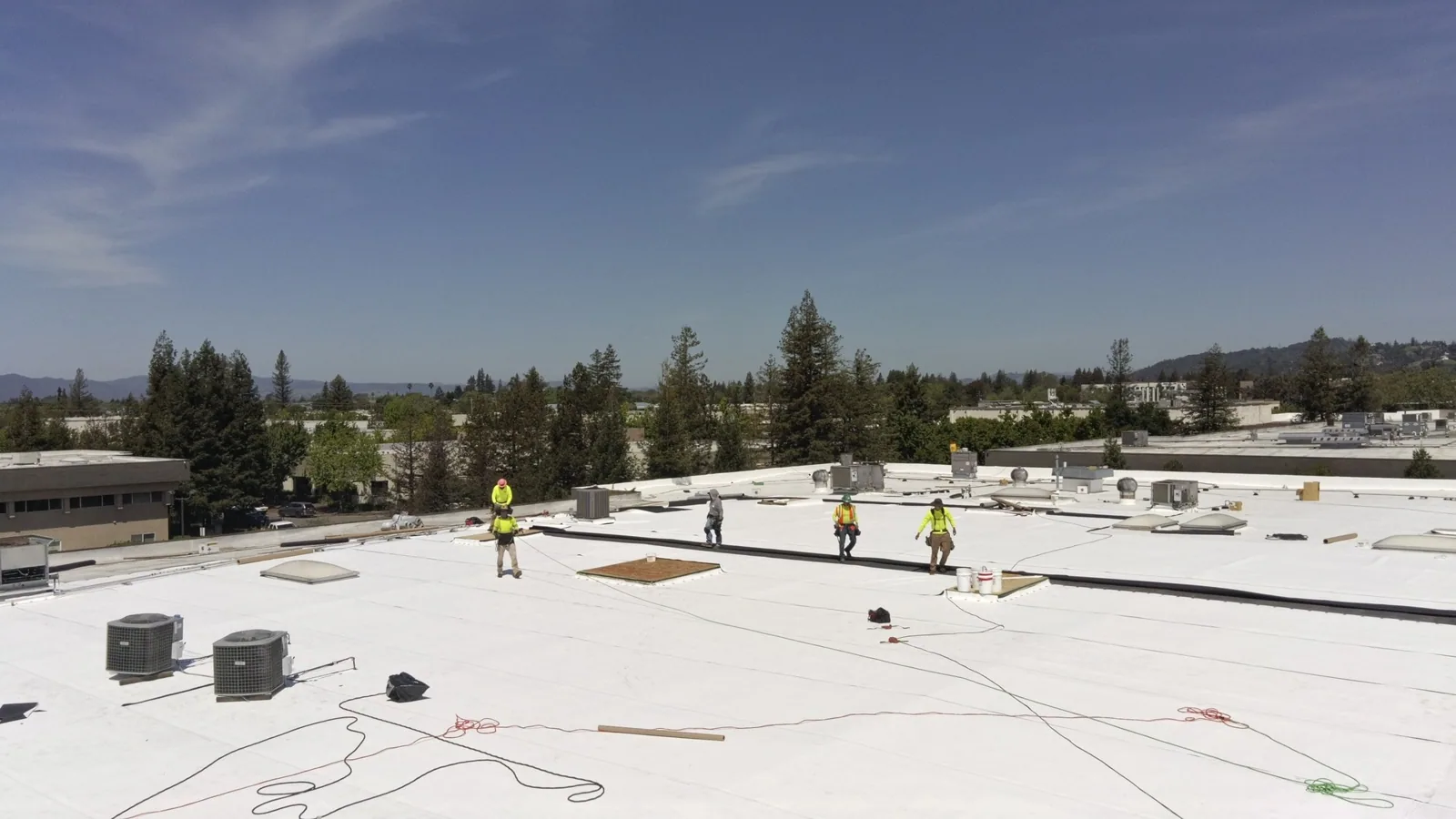
Removal and installation proceed by defined roof zones. Before opening an area, we set the day's limit, prepare dry-in materials and establish who confirms the interior below. An occupied-building reroof sequence can reduce exposure by coordinating removal, substrate inspection and new membrane placement in smaller areas. Where a roof cannot be closed before weather changes, the schedule needs a secure temporary termination and a documented return point.
Separate surface damage from trapped water
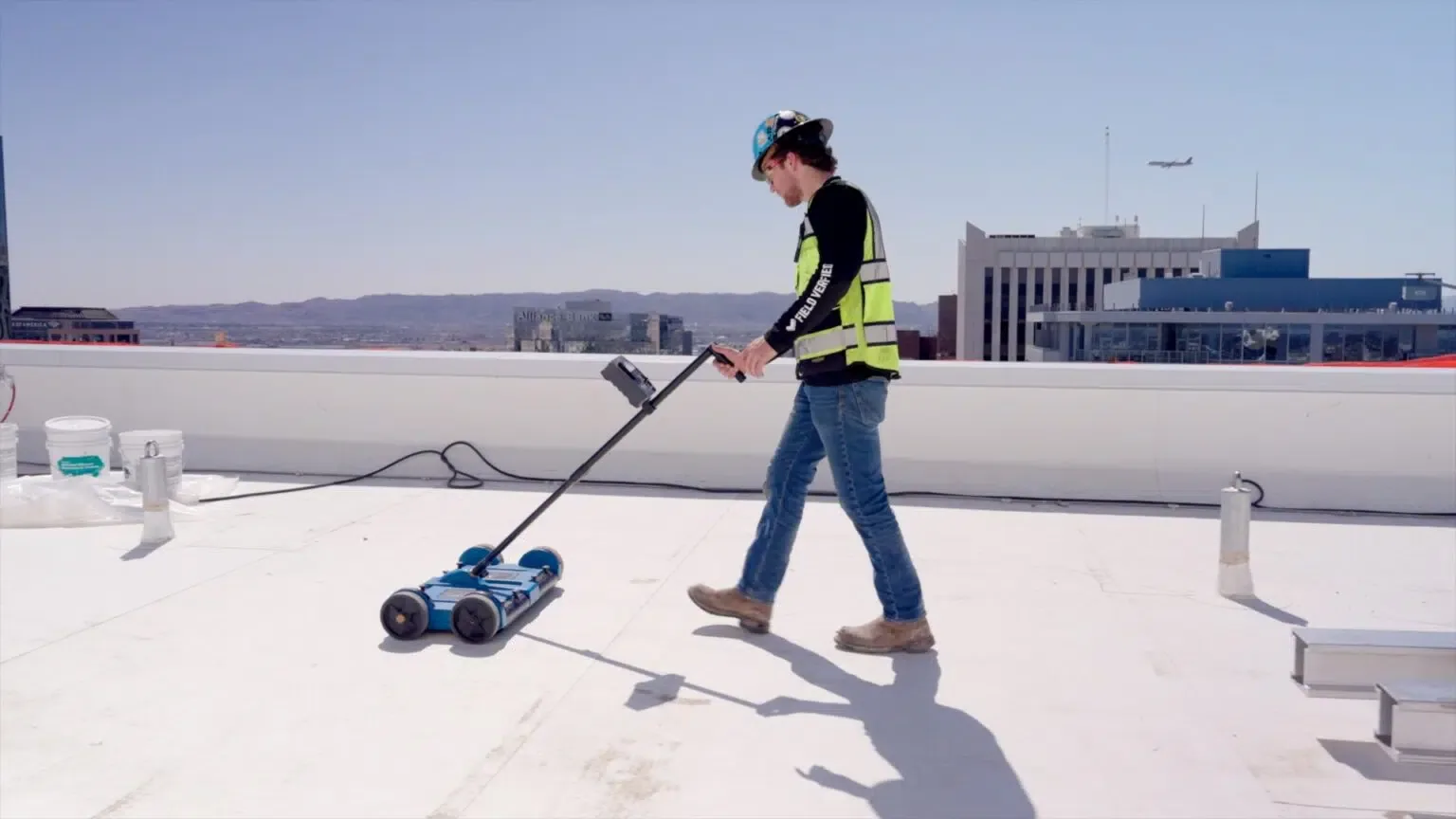
A stain, blister or open lap shows where to investigate, not how far moisture has moved. We compare the roof-side condition with interior reports, then decide whether testing or a controlled opening will answer the next question. A moisture survey may help prioritize test cuts when the roof and weather conditions support interpretation. The results identify areas for confirmation rather than replacing an exposed-layer inspection.
If a test opening finds wet insulation, we remove it to a sound edge, inspect the deck and rebuild the assembly before closing the roof. Photographs show the layers and repair limits. A heat-related roof damage review can distinguish a surface split from broader deterioration at a transition. We note what is verified, what remains hidden and how the scope changes if more moisture appears during removal.
Repair, coat or replace
A local repair can work when the material around the defect stays bonded and the damage has a clear edge. Multiple leaks, repeated seam failures or wet insulation can make patching a short-term measure. A recover is considered only after checking attachment, load and moisture below the current surface. A recover evaluation identifies which layers could remain and which conditions rule out another assembly.
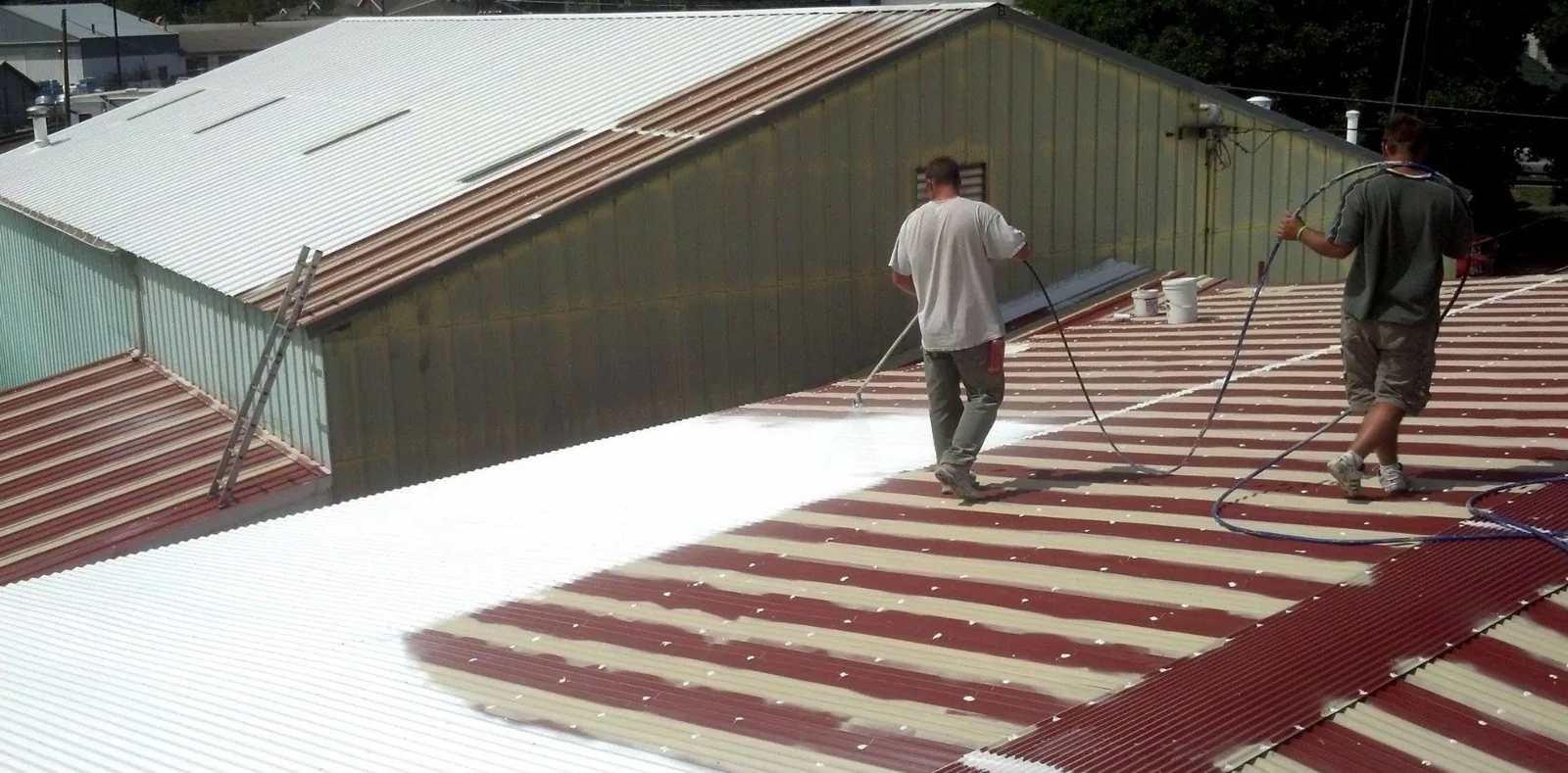
Coating requires a clean, compatible surface and sound attachment. It will not fix a drain problem or hide wet insulation without consequence. We list the repairs and preparation needed before comparing that option with replacement. Cost and schedule change with removal, deck condition, equipment coordination, staging, dry-in and building operations. If work spans several buildings in a property portfolio, the findings remain separate so a condition at one address is not carried to another without inspection.
A scope that can be acted on
Merced's Highway 99 and Highway 59 connections, along with Highway 140, serve different parts of the city. A site along one route still needs its own roof map and access review. Downtown offices have a different operating context from the industrial parks; compare the downtown Merced roof assessment by its own building details. A Highway 59 inspection likewise records the property condition rather than repeating a neighboring report.
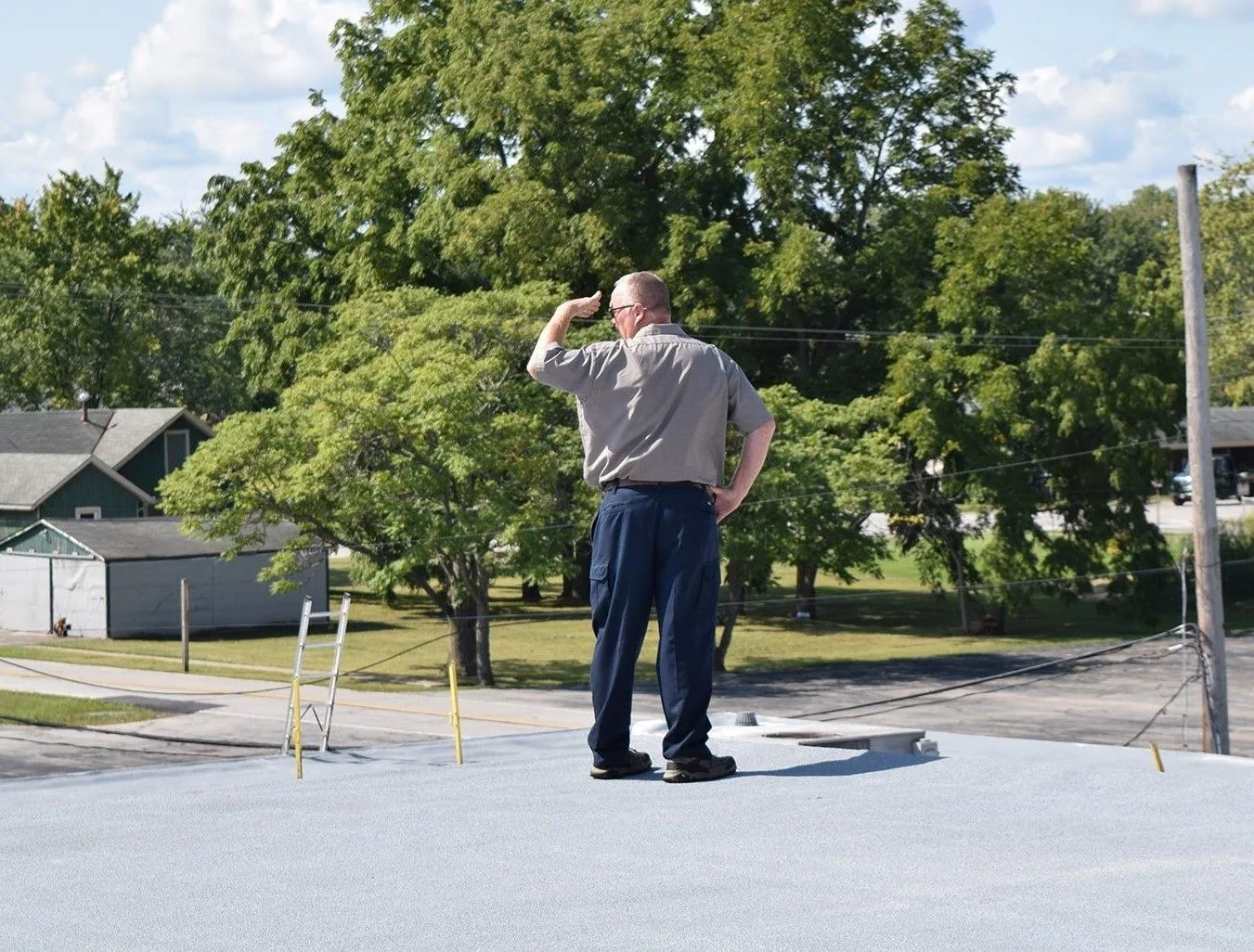
Our written scope includes the assembly, observed defects, photographs, test results, repair boundary, staging assumptions and any open questions. A roof condition report helps facilities teams schedule the next action and preserve the reason for it. Request an inspection when an outlet, seam or moisture path needs review. We will identify the correction supported by the roof walk, the next test if needed and the conditions that would move the decision toward a larger project. When an owner has several structures, we list each roof separately and keep shared scheduling assumptions distinct from site-specific findings. We also note which penetrations, drains and edges should be checked again after the next significant rain. We can then compare new observations with the original photos and see whether the repair boundary held or needs another inspection.
Commercial Roofing Questions
Does a rail-served industrial park mean a roof has a certain assembly?
No. Use and access facts do not identify a roof system. We confirm the membrane, metal, seams and repair layers at each building.
What if water remains after clearing a drain?
We check slope, the drain flashing and adjacent roof field. A low area or wet insulation may need correction beyond the outlet itself.
Can the roof be opened while operations continue?
We define a roof zone and dry-in limit, then coordinate staging and interior protection with the manager. The specific operation sets the safe sequence.
When is an infrared survey useful?
It may help prioritize test openings when conditions allow a meaningful reading. Exposed layers confirm the condition and establish the repair edge.
How do we compare a recover with replacement?
We inspect attachment, moisture, load and deck condition first. The written scope then identifies whether existing layers can remain or removal is needed.
Inspect the roof and define the next step
Request a commercial roof inspection along Merced's Highway 99 industrial corridor. We will review the assembly, drainage and site access, then provide a written repair or capital scope.
Related Roofing Work