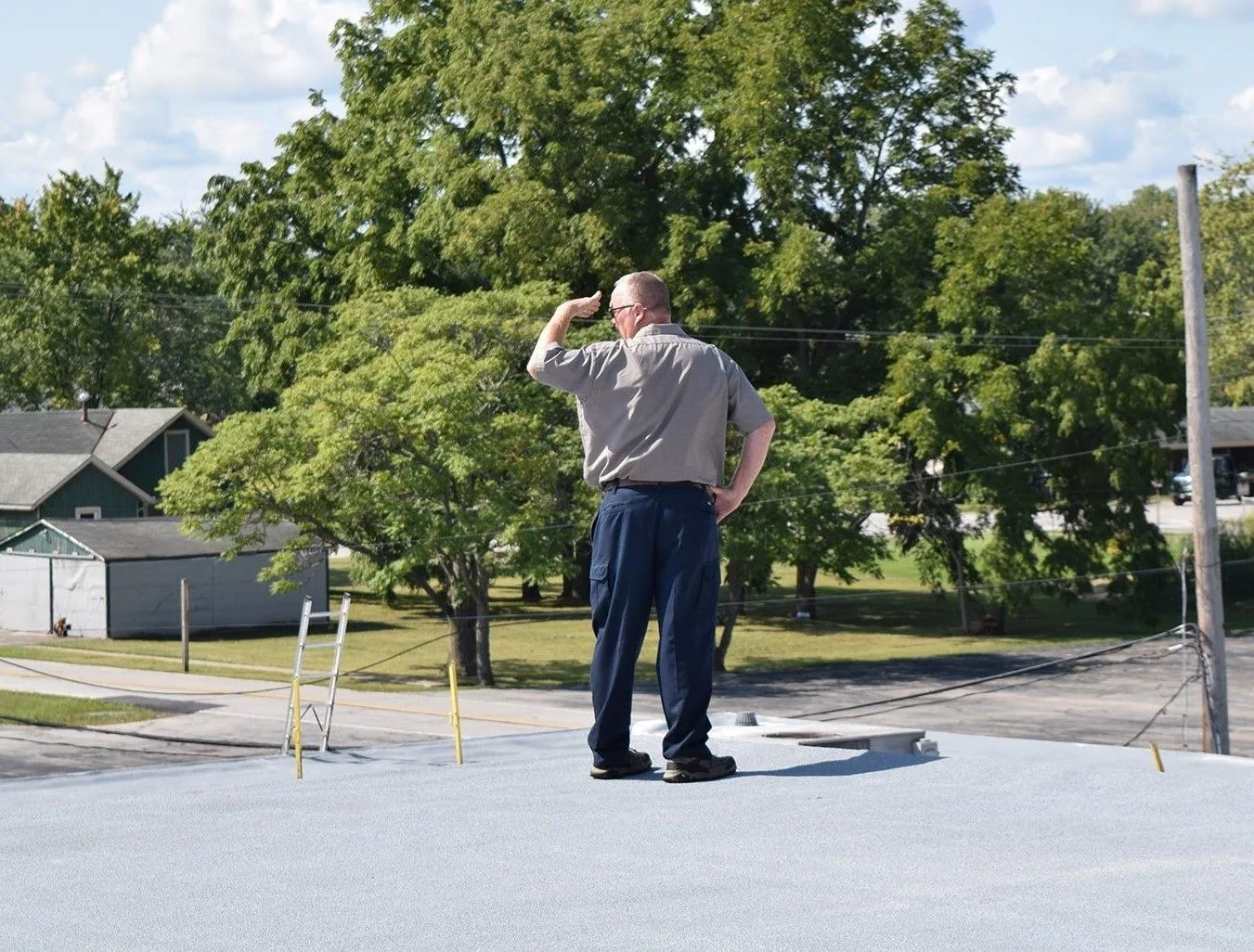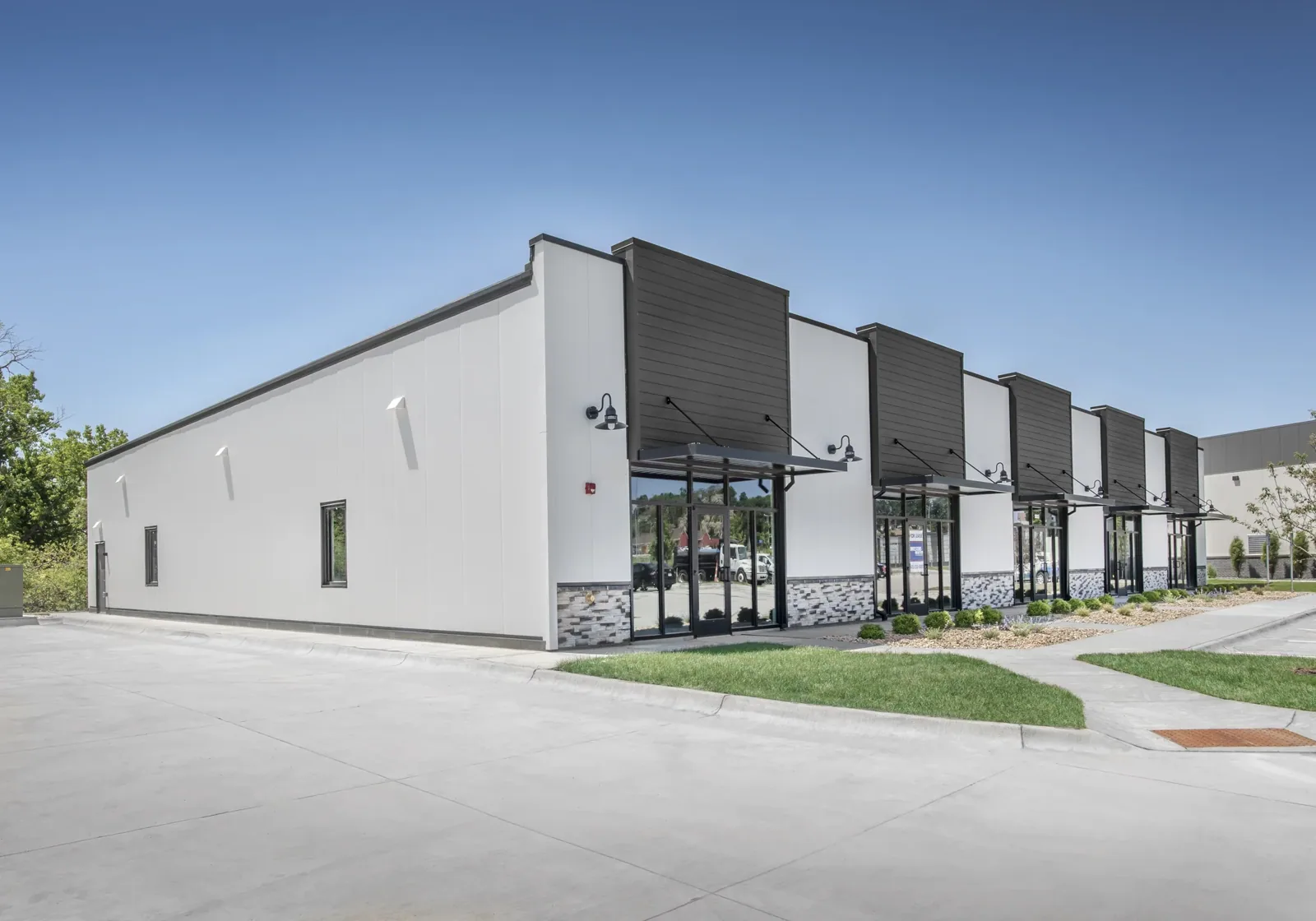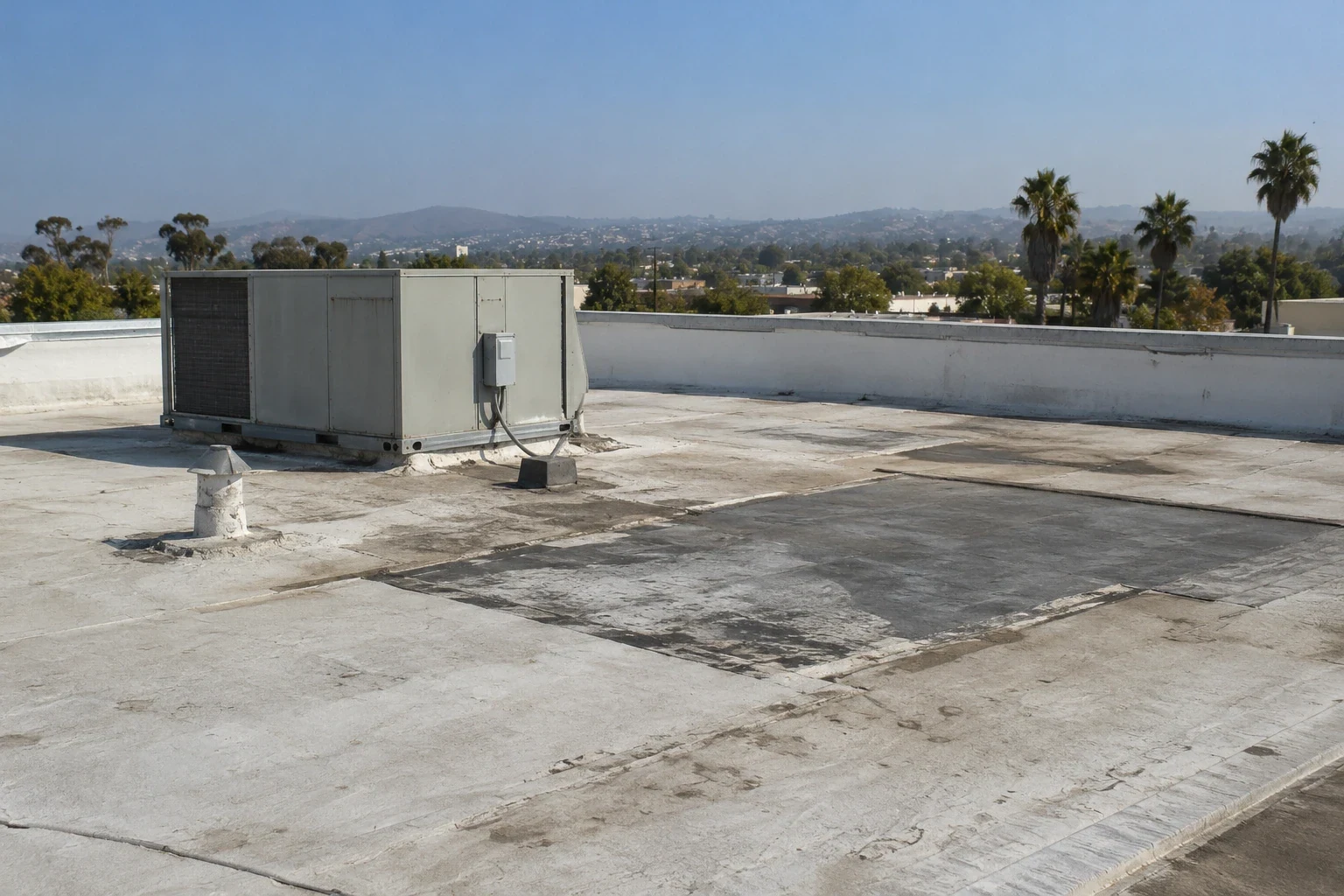
A torn lap above a drive aisle can direct water toward several storage doors before a tenant reports damage. For self-storage roofing in Merced, CA, we mark the roof section, the unit rows below, and the route vehicles use before setting a repair boundary. The manager identifies occupied units, keypad gates, cameras, and any aisle needed for access. We inspect the membrane and edge details, then distinguish a surface defect from moisture in the layers. Atwater lies on Highway 99, and Downtown Merced contains commercial and public uses. Those regional locations affect how properties connect to service routes, but the actual gate and staging area must be confirmed at the facility. A commercial roof inspection can map the first work area.
Map roof sections to unit rows
Storage buildings often repeat long roof runs, but one elevation or seam can have a different repair history from the next. We label each roof section and connect it to the doors, interior units, and drive aisle below. That keeps a leak report tied to a useful location when multiple rows share the same building. The manager can identify units with active contents or restricted access so the crew can plan inspection and any temporary protection before the opening begins.
A warehouse roof review may also consider stored goods, yet a storage facility adds unit-by-unit access and customer movement to the work sequence. We confirm where the key code or escort applies and whether a lift or truck can reach the selected area. The opening plan should keep an access lane available where practical and set a safe alternative when a row needs temporary closure.
Heat and membrane movement
Merced's July normal high is 96.3 degrees and its normal low is 61.7 degrees. We check current membrane condition and product requirements before setting a repair window. On the roof, heat can affect work timing and make movement at sheet seams, metal edges, curbs, and older patches worth examining. We check the actual material, attachment, and forecast before selecting a preparation method. A split seam needs a compatible repair detail; loose membrane over a soft area needs a different examination before it is covered.
Service staff may cross the roof to reach equipment, lights, or access points. We look for repeated scuffing, punctures, and material displacement along those routes. If traffic is part of the cause, the written scope can include a suitable protection detail alongside the membrane repair. We do not place a patch where the recurring contact remains unaddressed and leave the manager with the same damage path.
Find trapped moisture without guessing
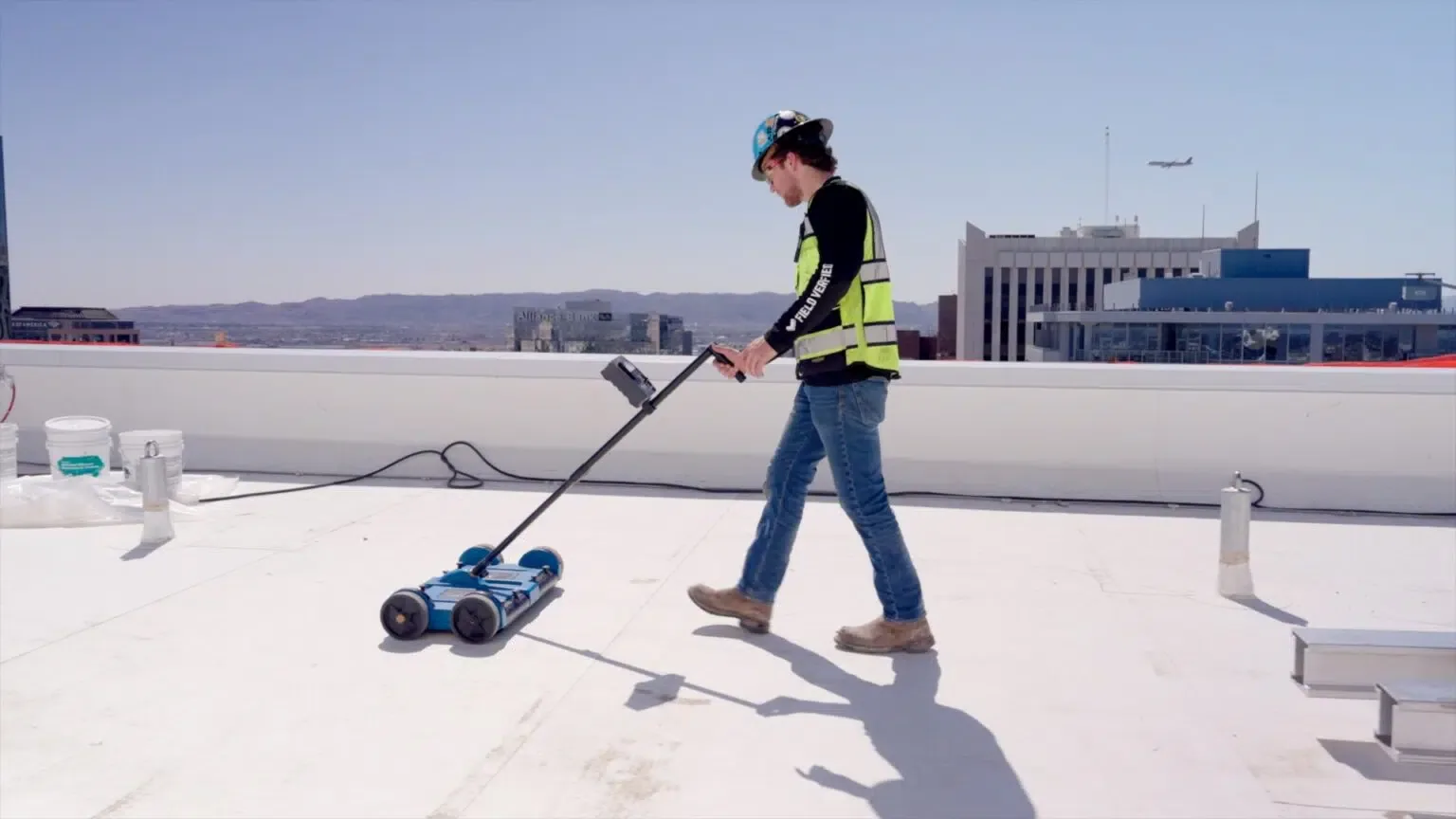
A damp unit wall or a ceiling stain does not establish the dimensions of wet insulation above it. We compare the report with seams, penetrations, roof slope, and prior repairs. If the surface evidence suggests concealed moisture, an infrared moisture survey may help select areas for physical confirmation when roof conditions support the method. We explain what the scan can direct and what a test opening must verify. The manager approves the check location, and we identify how the assembly will be restored afterward.
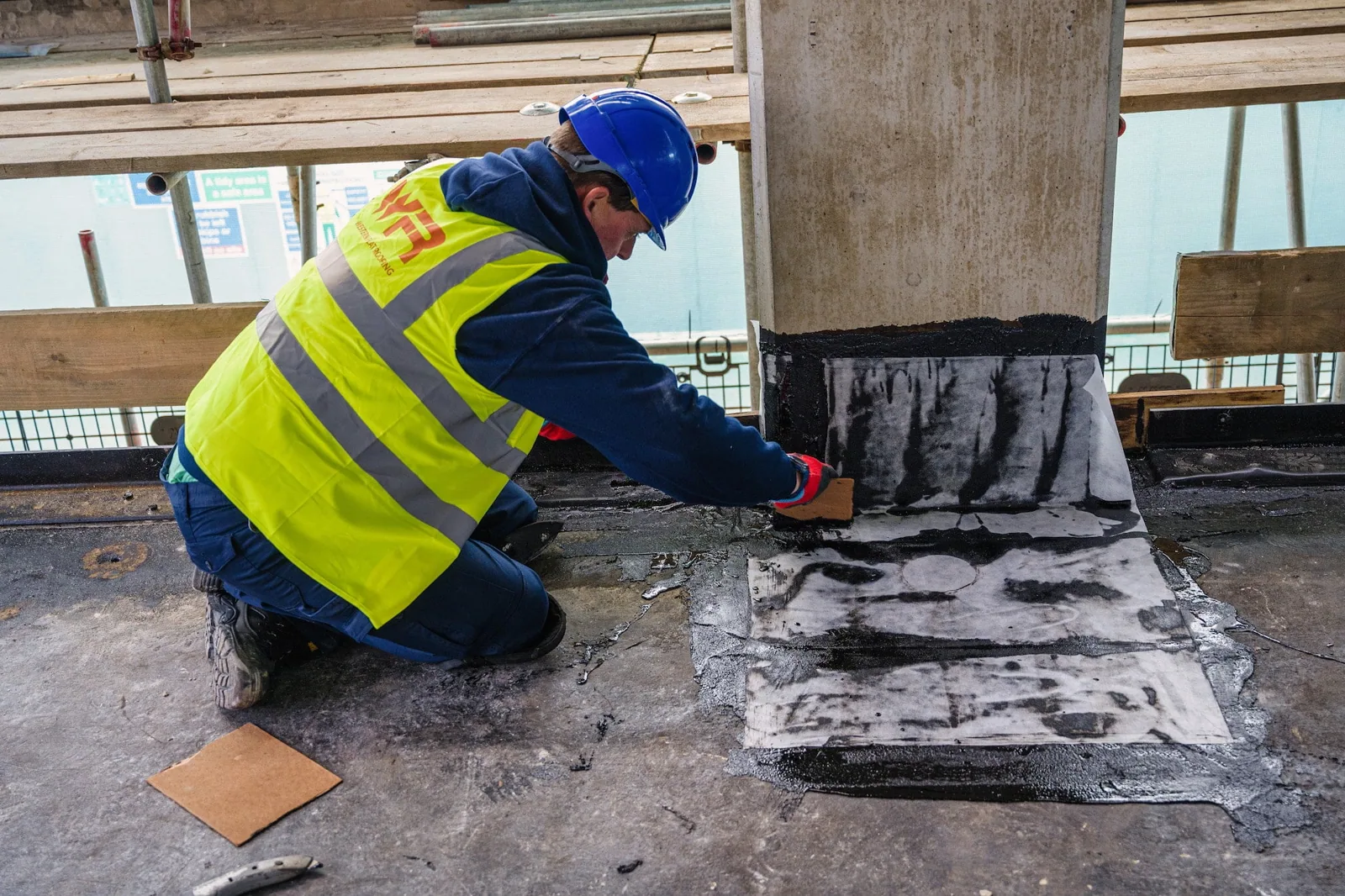
Once exposed, wet insulation, compressed dry insulation, and damaged deck require different responses. We record the actual layer and boundary before removing material. A roof condition report can tie photographs and a roof map to those findings. The proposal can separate confirmed work from an alternate quantity if more concealed damage appears. That lets the owner approve a defined repair without paying for an unlocated allowance or closing over a layer that needs replacement.
Outlets, low areas, and roof edges
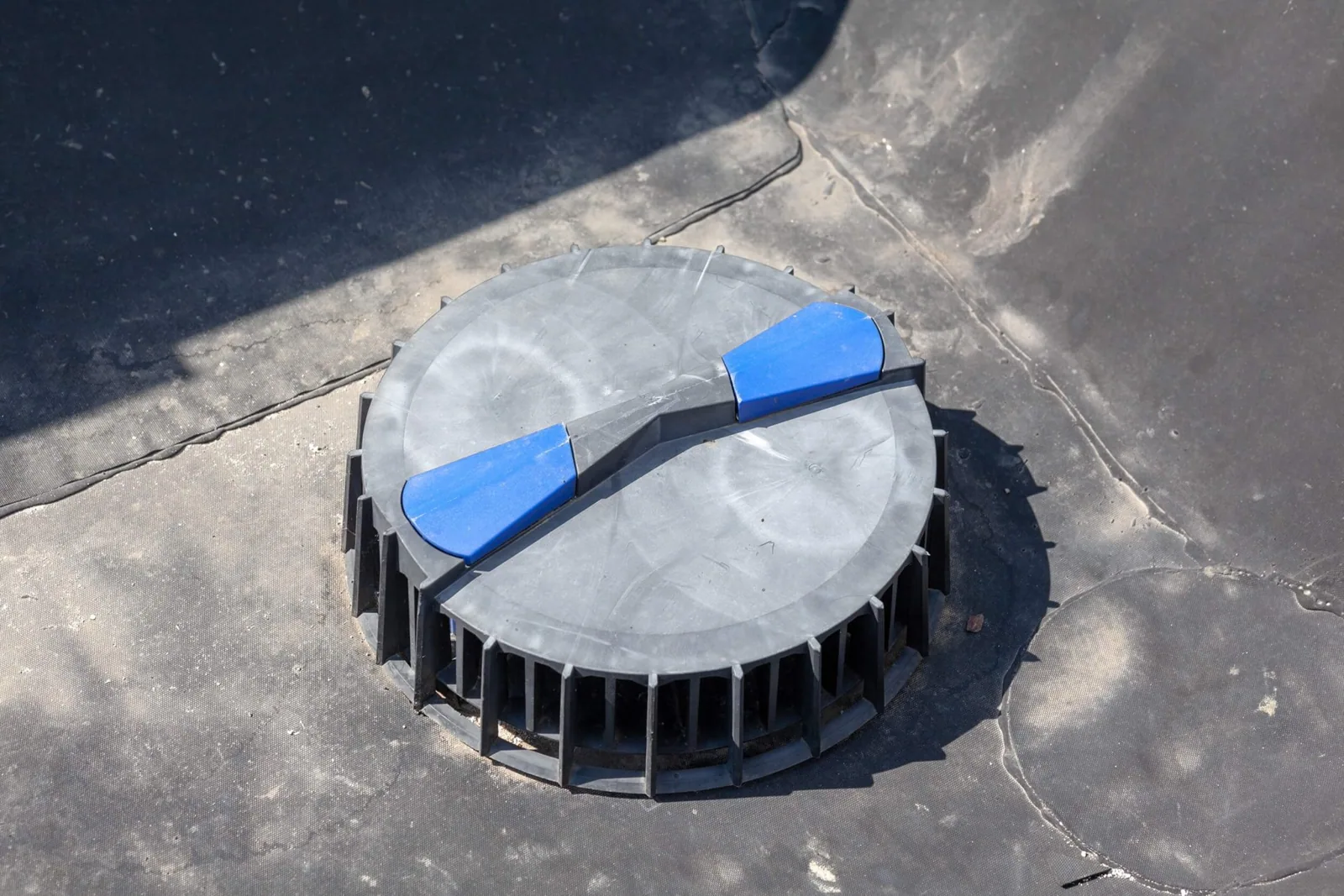
July and August precipitation normals at Merced's station round to 0.00 inches, while January and February average 2.37 and 2.20 inches. The dry summer interval can be useful for planning a roof repair, but an actual leak and current forecast set the response. We inspect drain openings, scuppers, edge metal, and low areas before the wetter months. A drain and scupper scope should distinguish cleaning from a loose connection, damaged flashing, or a slope condition requiring further design work.
Water can travel along a low point and reach a different storage row than the opening that admitted it. We photograph the water path and label the affected unit range, then note where the evidence stops. If a new roof layer changes height, the proposal checks drain sumps, door clearances, and edge transitions. The field membrane should carry water to a functioning outlet without leaving an unreviewed step or an unsupported patch around the drain.
Phase work around customers and access
Before removal, we confirm customer hours, gate controls, occupied units, vehicle circulation, and the location where waste can be placed. A daily scope identifies the roof section open, the protective arrangement below, and the condition required for secure close-in. If work will cross a drive aisle, the manager can coordinate a temporary lane or a short unit-access change. The plan includes who contacts tenants and who can approve a change if concealed damage is exposed.
For a repair, a commercial roof repair scope lists the seam, edge, or penetration to rebuild and the preparation used. If defects repeat across several buildings, we compare the shared assembly and repair records before deciding whether separate phases or a larger project make sense. A flex-industrial roof assessment can frame a different mix of storage and office access, while the property manager's actual tenant and gate rules set the self-storage sequence.
Compare repair with roof renewal
A localized split can be repaired if the surrounding membrane and support provide a sound tie-in. Multiple leaks, widespread moisture, recurring edge failure, or incompatible prior patches may support a broader scope. We compare inspection findings, test results, drain elevations, and the number of unit rows affected. A replacement option should describe removal and new layers, access constraints, and how the aisle or affected units will be protected. We state the unknowns that could change the quantity and request approval before the work expands.
Atwater's location on Highway 99 and Downtown Merced's commercial mix are part of the regional property context, but neither establishes the storage facility's roof system. The final recommendation follows its inspected assembly, not its business label. Cost and timing depend on the repair boundary, layers, outlet details, access, and staging. The manager can compare a focused repair with renewal using the same assumptions and decide which sections need work first.
Leave a usable record by building and row
Closeout should identify the building, roof section, unit range, material installed, preparation, photographs, and any test result. Record which row was unavailable and who will arrange a later check. Keep a roof map with the repair history so an after-hours report can be compared with the last completed work. If the building has a stated warranty inspection or notice procedure, preserve that requirement from the actual document and assign the follow-up to a named property role.
The next manager should be able to distinguish a completed repair from a condition still being monitored. We list weather holds, excluded details, access limits, and any temporary closure that was removed. That prevents a later service visit from treating an open question as a completed repair. The record also helps identify whether recurring water follows the same seam or has appeared at a different roof section.
Commercial Roofing Questions
Can roof work continue while tenants use the units?
Usually the work can be phased, but the affected row, access path, and daily closure determine what remains usable. We identify those limits with the manager before material is removed.
Does a ceiling stain identify the unit above it?
Not necessarily. We compare the interior report with roof slope, seams, penetrations, and water evidence, then map the area where the assembly needs examination.
When is an infrared survey useful?
It can help select test locations when the roof and weather conditions support a meaningful scan. Physical confirmation establishes which layers are wet and the removal boundary.
Can a drain simply be cleared?
A clear opening may resolve a blockage, but a loose flange, failed flashing, or low area requires separate repair. We check the outlet and surrounding roof together.
What should the manager send before inspection?
Provide the site address, roof plan, active leak locations, unit or building map, gate and access instructions, prior repair records, and customer hours.
Map the self-storage roof condition
Share the Merced address, building and unit-row map, gate instructions, and leak locations. We can inspect the roof sections and define a repair or renewal boundary.
Related Roofing Work