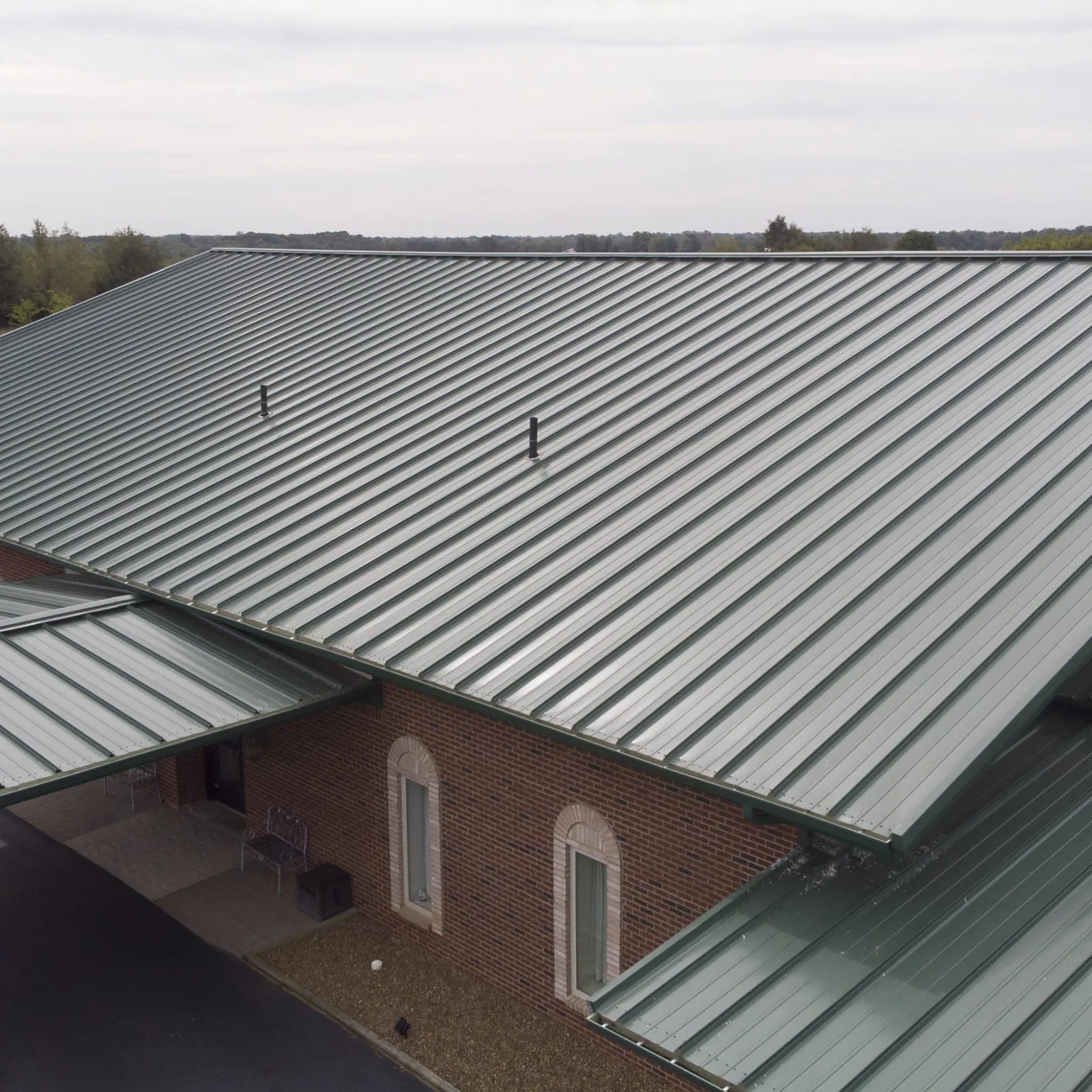
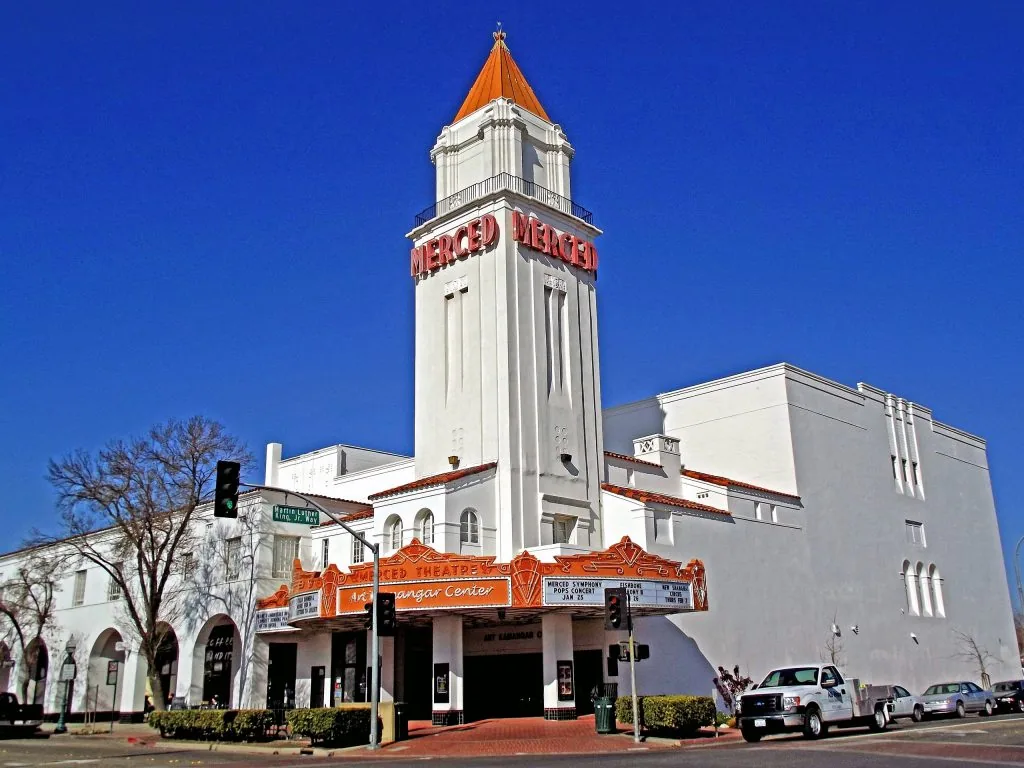
A shifted expansion-joint cover above teaching space needs a movement-detail examination. For college and university roofing in Merced, CA, we inspect the cover and its connection with the adjoining roof assemblies. A new surface patch may not suit a joint designed to move. The manager needs the detail identified before choosing repair material or opening the layers beneath it.
Downtown Merced includes professional offices and government activity. Educational roof projects can involve teaching, administrative or specialized areas with different operating requirements. We locate the actual affected use and inspect its construction, then define repair or renewal with a sequence that protects the space below the roof work.
Joints between roof sections
An expansion joint has a different purpose from a field seam. Its roofing connection must suit movement between the separated construction. We identify the installed detail and examine its cover, attachment and transitions. A rigid repair across a moving joint can leave another strained connection. The proposed work should restore the appropriate arrangement rather than treat the joint as an ordinary membrane split.
Adjoining roof sections may also have different materials or elevations. We examine the usable connection on each side and identify any damaged layers. Repair limits should reach suitable construction. The manager can then understand why one opening may involve work on both roof areas. A single outer cover price can omit the transition reconstruction needed to restore the complete detail.
Merced summer heat makes exposed material movement relevant to the inspection. The joint condition, attachment and assembly determine the response. We identify where project-specific detail or technical review is necessary. Thermal context directs attention to a connection; it does not replace examination of the construction or establish the same repair for every roof joint.
Teaching and administrative zones below the roof
A roof work zone needs a recognizable relationship with interior rooms. We locate occupied areas and ask the property team about usable access and work windows. Teaching schedules, office use and service arrangements may differ within the same building. The removal boundary must also fit the roof construction. A convenient room closure should not dictate an unsuitable temporary membrane edge.
A school teaching roof can have different site movement and calendar constraints from a college building. We identify the actual use instead of applying one educational operating plan. The construction still needs appropriate preparation and close-in. The available interval should permit layer repair and complete detail work, not just installation of a new field surface.
Where specialized equipment or laboratory space is present, the responsible team identifies the project precautions. Air-handling and service continuity may need particular coordination. We describe the roofing opening and equipment interfaces for that review. The final sequence connects required operating controls with the inspected assembly rather than assume all rooms can receive the same protection arrangement.
Equipment connections and service access
A curb, pipe route or supported unit may serve an area that cannot use a broad shutdown window. We ask which systems can be isolated and which must remain available. The roof repair may need another trade's intervention. Responsibilities for equipment handling and compatible closure should be settled before damaged flashing is removed.
Penetration and curb flashing work examines the base transition, vertical material and upper termination where relevant. A separating corner can require removal of unsuitable earlier repair material. The new detail needs serviceable roofing for its connection. Operating convenience should not leave a loose layer concealed beneath a fresh outer patch.
Equipment routes can also create recurring surface damage. We examine traffic protection and the details crossed during service. A repaired membrane should have an access arrangement suitable to its material. If new equipment is planned, its curb and support interface belongs in the renewal discussion before new roofing closes an area that will immediately need another modification.
Material condition and the concealed assembly
A college building roof inspection identifies accessible seams, flashing and outlets by roof zone. Several buildings or sections may have different construction and repair history. We examine the actual material before selecting compatible work. A shared building use does not make their membranes or retained layers interchangeable.
Moisture and support questions can change the repair boundary. Selected physical checks identify the relevant layers at their locations. We interpret those findings with the wider examination and identify any further check needed. Wet insulation, damaged facers and deteriorated deck construction each require their own response. The new membrane connection should not conceal unsuitable support.
A roof replacement option needs known removal limits and a defined response to concealed discoveries. The proposal identifies retained material, new layers and permanent detail construction. The manager can then compare repair with renewal through assembly findings rather than assign one replacement choice to every education building in a property program.
Outlets at changes in roof level
A low roof area beside an upper wall can have a distinct water path. We examine accessible outlets and the transitions around the change in level. Debris, separating flashing and an unsuitable approach need different responses. The work should identify the condition found instead of repeatedly clear an outlet where a damaged connection or geometry problem remains.
Merced's normal winter precipitation is greater than its midsummer rainfall. A dry inspection can identify a visible opening before renewed wet exposure. Current condition still establishes urgency. We plan preparation and closure for the material and affected interior use. Temporary protection must have a stated permanent next step, particularly where phased work crosses a roof-level change.
A metal roof section may meet a membrane area with a different movement and drainage arrangement. We identify that interface and the intended detail. Mixed assemblies need compatible transition construction. The comparison should include connected flashing and outlet work, not only the broad field material selected for each side.
Building-level priorities and the renewal decision
For a project in the Merced market, we identify the actual protected areas and equipment requirements. We identify the actual protected areas and equipment requirements. Roof findings should remain located by building and zone. A repair priority in one area does not establish the condition of another assembly that has not received the same examination.
Public administrative roofing can have separate review and access needs within an education project. The property team identifies those requirements. We connect them with usable roof entry, deliveries and removed material. The work sequence should allow suitable daily protection without obstructing occupied routes essential to the affected building.
Along the Highway 59 corridor in Merced, project cost drivers still include investigation, damaged layers, transition count and operating coordination. A bounded defect may permit repair; broader unsuitable construction can change the choice. We explain that difference through the observed assembly. The final scope should give the manager a practical construction boundary and clear service windows for the education spaces affected.
Commercial Roofing Questions
Can a roof expansion joint receive the same patch as a field seam?
Its movement function needs a suitable detail. We identify the joint and adjoining assemblies before repair selection. A rigid surface connection may not restore the intended arrangement and can leave another strained interface within the repaired area.
Should separate education buildings share one roof material assumption?
Their construction and repair histories may differ. We inspect the actual roof zones and identify compatible work. A common owner or use should not replace material and layer examination where repair or retention depends on those findings.
What needs coordination above specialized teaching space?
The responsible property team identifies equipment and operating precautions. We define the roofing opening and service interfaces for that review. The construction plan should provide appropriate protection and closure within the usable window.
Why locate renewal priorities by building and roof section?
The examined condition and construction can change between areas. We connect each finding with its location and proposed action. The manager can then compare a repair or renewal decision without transferring one roof zone's damage to another unexamined assembly.
Inspection of the education roof transition
Request examination of the displaced joint, equipment flashing or roof zone needing coordination with college teaching and service areas.
Related Roofing Work