A blister in a roof coating can signal a bond issue below the visible surface. In Merced, CA, we inspect the substrate and existing membrane before proposing a SOPREMA repair or system. A new layer needs a compatible surface and a clear transition. Covering a loose or wet area only hides the condition.
SOPREMA lists commercial SBS-modified bitumen, liquid-applied PMMA/PMA and PVC single-ply products. Those materials do not share one installation method. Downtown Merced commercial uses include offices, finance and restaurants. Industrial sites near Highway 99 and rail access create different staging and roof-access demands. The building's operation belongs in the work plan.
Match the material to the roof
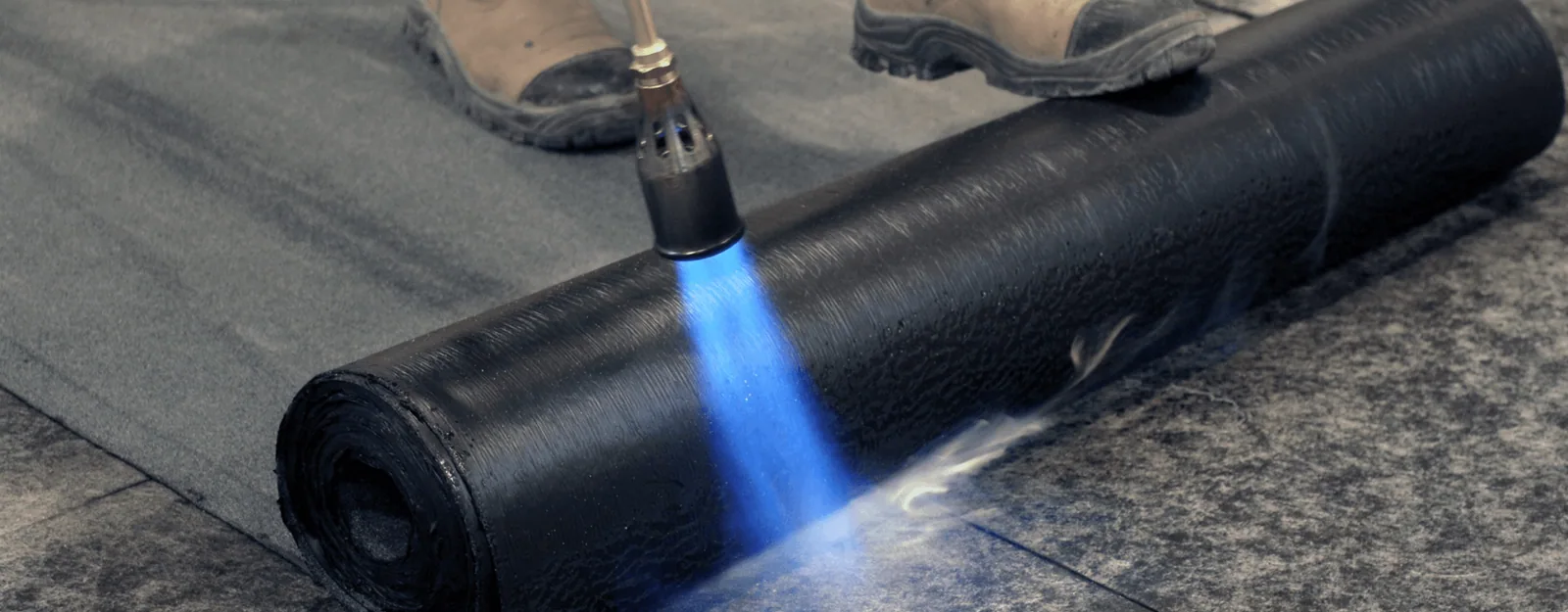
SBS-modified bitumen is a layered asphaltic system. Its surfacing, attachment and interply details depend on the selected product and approved assembly. A liquid-applied PMMA or PMA membrane is formed in place over a prepared substrate, with reinforcement and thickness controlled by the specified system. PVC is a single-ply sheet whose seams and flashing are joined with compatible heat-welded details. Each option needs its own substrate and transition review.
The product category alone does not decide whether an existing roof can be coated, overlaid or removed. We inspect the old surface for adhesion, moisture, cracks, patch layers, drainage and movement. A liquid system needs a receiving surface that can accept its primer and resin. Bituminous work has its own preparation and tie-in requirements. PVC needs sound material for a weld and compatible flashing components.
SOPREMA's commercial portfolio includes these different system types. We use the product data and installation details for the selected system rather than borrowing instructions from a different membrane. The proposal identifies the specific materials and how each layer connects. That gives the owner a technical basis for comparing restoration with replacement.
Prepare the surface before covering it
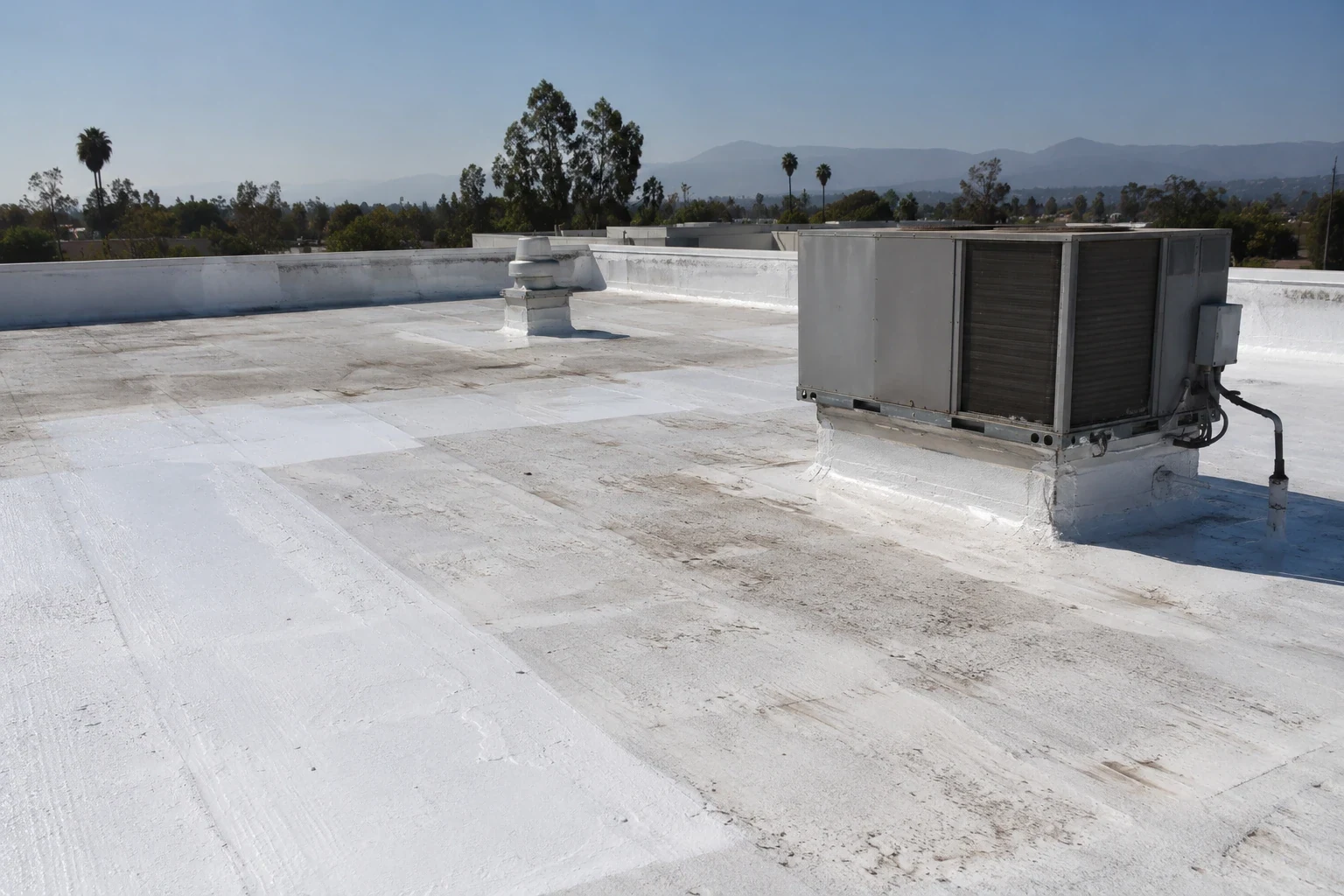
Surface preparation affects adhesion and continuity. We remove loose material, examine old coatings and identify areas where the surface is contaminated or wet. A sample area can help establish whether the coating bonds as intended. Where the substrate is uncertain, a test opening exposes the existing layers. We record the surface condition and the limits of the test.
Water beneath a coating can blister or separate the new material. Moisture in insulation calls for removal and reinstatement, not another coat. A split through an asphaltic layer may require repair of the interply or deck below. A PVC weld needs a clean, compatible membrane. We select the repair after tracing the defect through the layers that actually exist.
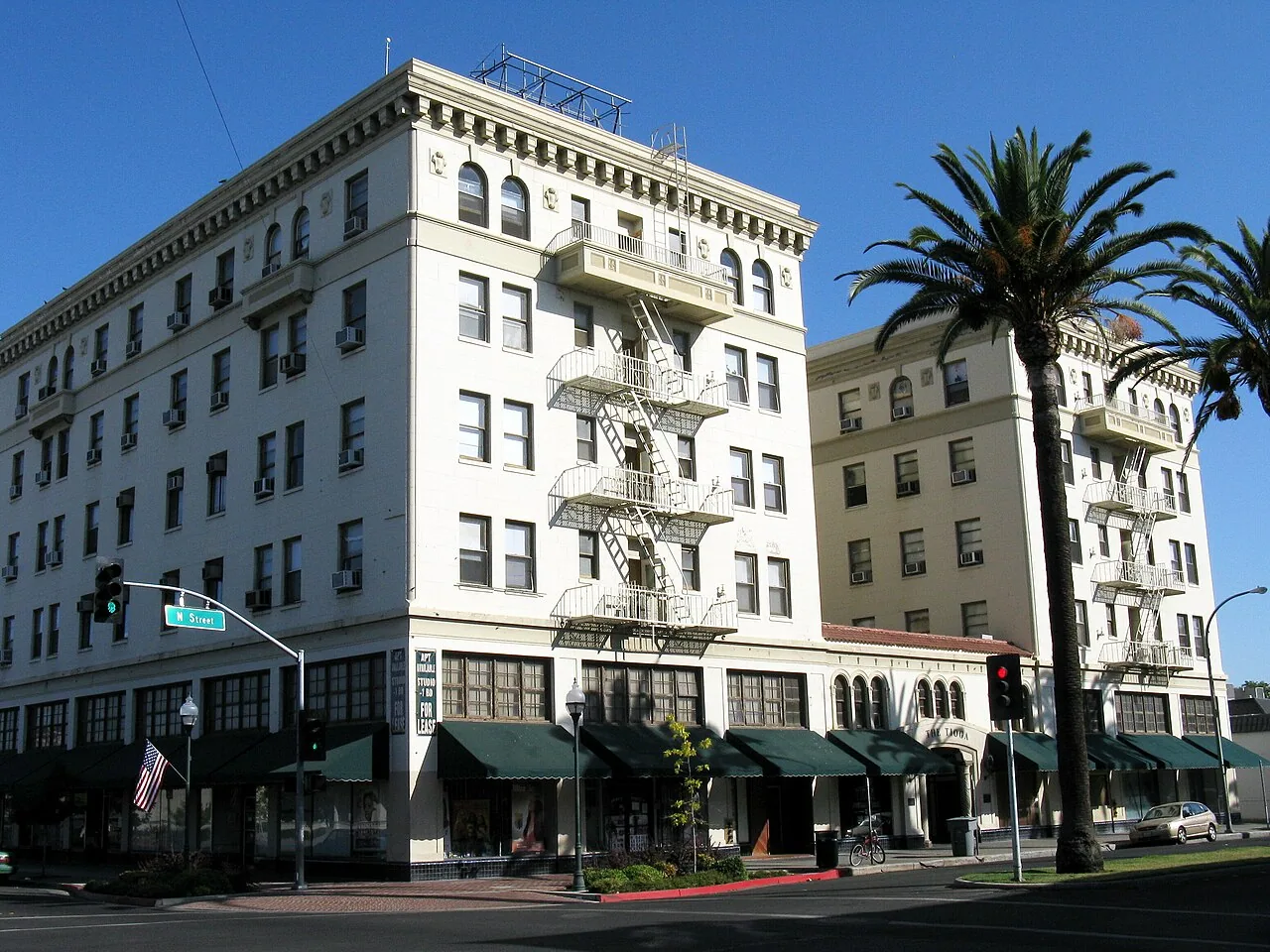
Merced's industrial parks include light- and heavy-industrial properties. Those roofs may have equipment, penetrations and access routes that affect preparation and staging. Downtown Merced's offices and restaurants bring occupied entries and operating hours into the sequence. These local uses change how we protect the work area; they do not determine what a concealed roof contains. We inspect the property and keep the scope specific to its construction.
Keep transitions continuous
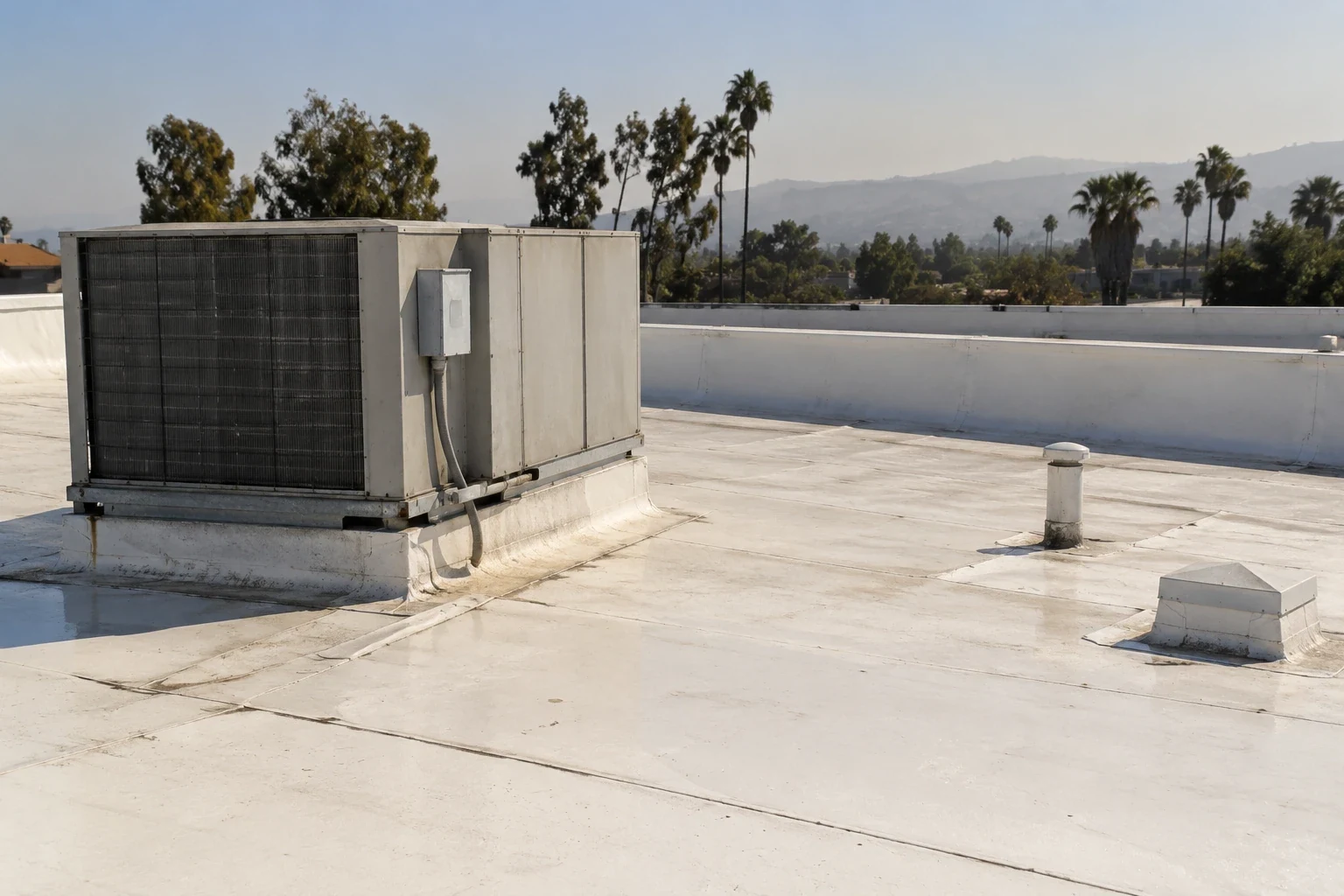
A membrane field must connect to parapets, drains, curbs, pipes, scuppers and edge metal. Those changes in plane take separate flashing details. We inspect corners and terminations for movement, poor adhesion, open laps and incompatible sealants. The repair boundary extends to sound material so the new layer does not end on a weak edge.
For a liquid-applied detail, we confirm the substrate, primer, reinforcement and application conditions required by the chosen system. For SBS work, we check the lap and transition materials specified for the assembly. For PVC, we inspect weld quality after cooling and probe the connection. A visual pass alone cannot verify every seam. We document the detail before it is concealed.
Drainage can change when insulation or a new layer raises the roof. We check sump depth, drain clamping components, scuppers and water paths. A coating cannot correct a depressed deck or a blocked outlet. If the roof needs tapered insulation, deck repair or engineering review, the proposal separates that work from the membrane system. The owner sees which decision belongs to roofing and which requires design input.
Plan around the process and building
Before opening a roof, we establish a daily limit, weather protection and access route. The selected system affects how much area can be installed and closed in a shift. Liquid-applied work needs the substrate and conditions specified for the product. Multi-layer bituminous work needs each interply and flashing step completed in sequence. Single-ply installation needs seams, terminations and temporary tie-ins checked before closure.
Occupants may notice odor, noise, deliveries or temporary access changes. We coordinate those items with the property manager and identify interior areas needing protection. Downtown Merced offices and restaurants may need pedestrian access preserved. Industrial buildings can require delivery timing coordinated around loading. A phased plan states the work zone and end-of-day closure point so the owner can prepare operations.
As the roof opens, we inspect insulation, cover board and deck. If concealed deterioration changes the scope, work pauses at that boundary until the owner reviews the finding. We photograph the exposed layers and explain the additional work. A written change should identify the affected area and the material needed to restore it. That record keeps the construction decision connected to the condition discovered. We revise only the affected area and record how the new layer will meet the surrounding roof.
Compare restoration and replacement
Restoration can extend a sound assembly when the surface is compatible, moisture is controlled and details can be rebuilt. It cannot restore a wet deck, correct a failing attachment or fix roof geometry. Replacement is a stronger candidate where insulation is saturated, multiple layers are unsound or transition heights are inadequate. A recover is considered only when the retained roof is stable and the applicable assembly requirements allow it.
Our scope lists removal limits, substrate preparation, membrane or coating, insulation, flashing, edge work, drainage and access controls. It identifies where a test opening is needed and how concealed conditions will be reviewed. Product submittals and manufacturer details support the proposed assembly. If drawings and the field condition differ, we state the conflict before continuing with a detail that may not fit.
Where asphaltic layers remain, modified bitumen differs from a single-ply PVC membrane, so inspection confirms which material and attachment need repair. A coating restoration assessment or roof inspection can establish the condition. We also review commercial roofs in Downtown Merced and nearby Atwater. Compare additional manufacturer systems through Sika Sarnafil and Duro-Last.
Commercial Roofing Questions
Does SOPREMA use the same method for SBS, PMMA and PVC?
No. SBS-modified bitumen, liquid-applied PMMA/PMA and PVC sheet systems have different preparation and seam details. We identify the proposed product and follow its published assembly requirements.
Can a liquid-applied membrane cover an old roof?
Only if the existing surface is compatible, stable and dry enough for the specified system. We inspect adhesion, moisture, old coatings, drainage and flashing before recommending restoration.
When should the roof be opened for a test?
When concealed moisture, deck condition or layer compatibility affects the repair choice. We select a limited location, photograph what is exposed and use the result to set the removal boundary.
What makes a Merced roof replacement difficult to stage?
Occupied entrances, loading activity, rooftop equipment, weather protection and the selected system's installation sequence all influence the daily work area. We coordinate those limits with the manager.
What does a restoration proposal need to separate?
It should distinguish substrate preparation, wet-material removal, membrane or coating, flashing, edge work, drainage and concealed conditions. That makes it possible to compare restoration with replacement using the inspection findings.
Test the coating or membrane bond
Request inspection of the blister, exposed substrate or transition that will receive the proposed SOPREMA system.
Related Roofing Work