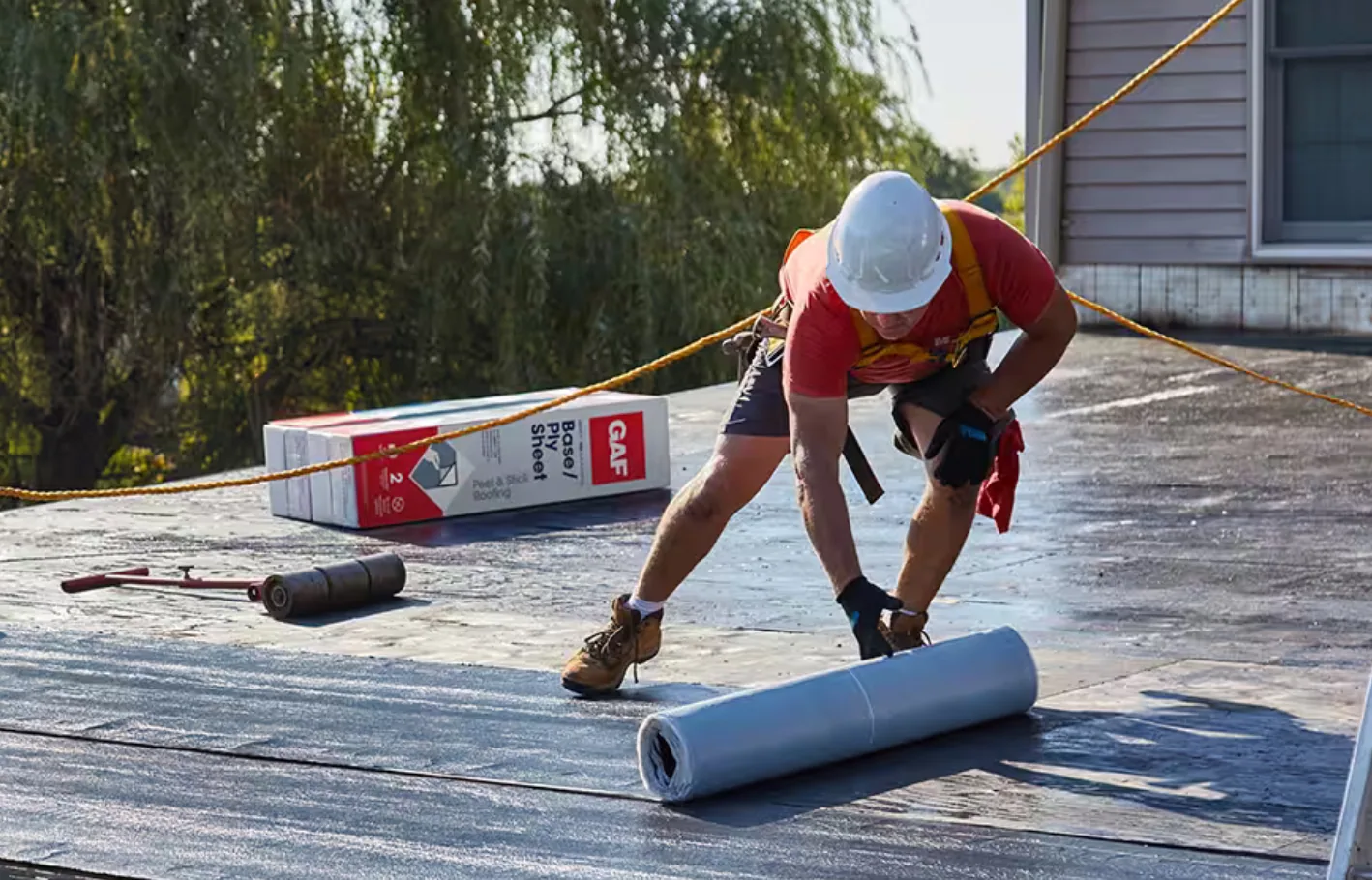
A PVC lap that will not stay closed needs more than a surface patch. In Merced, CA, we inspect the sheet, weld and supporting layer before specifying a Sika Sarnafil repair. We select a listed family only after identifying the existing sheet, substrate, and approved project requirements.
Sika's roofing information describes PVC membranes with mechanically attached and adhered configurations, along with hot-air welded seams and flashings. Those details make substrate preparation and equipment control central to the work. Downtown Merced's office and restaurant uses may need protected entrances. Industrial sites near the Highway 99 junction and rail access can require a different staging sequence.
A welded seam depends on preparation
PVC is a thermoplastic sheet. Heat joins the membrane at laps and many flashing details. A successful weld needs compatible surfaces, correct temperature and travel speed, and a test seam under the day's conditions. Dirt, moisture, degraded coating or previous sealant can interfere with fusion. We prepare a sample and confirm the seam before continuing across the field.
Sika Sarnafil's U.S. product information identifies Sarnafil and Sikaplan PVC membranes and describes adhered and mechanically attached system options. The sheets and system details can differ, so we identify the exact membrane before tying into an older roof. Thickness, reinforcement, surface condition and accessory compatibility all shape how the repair proceeds.
We inspect more than a straight field lap. Corners, changes in plane, roof drains, pipe penetrations, wall flashings and equipment curbs need formed or fabricated details that connect to the field sheet. The new membrane must have enough sound material to receive the weld. A patch over an incompatible coating or loose prior repair can shift the failure a few inches instead of correcting it.
Attachment follows the deck and design
Mechanically attached and adhered assemblies place different demands on the substrate. Fastener type and spacing depend on deck, insulation and design documents. Adhesive work needs a suitable receiving surface, correct application and conditions within the product instructions. We check deck condition and the existing insulation stack before presenting either route. If records conflict with what the roof exposes, we document that difference.
A field membrane is only one part of the assembly. Insulation joints, cover board, vapor control where required, edge metal and drain transitions all affect the finished roof. The scope identifies each layer and where the new system meets existing walls or equipment. Added insulation can raise the roof at a drain sump or reduce flashing clearance at a curb. We measure those details before ordering materials.
Merced's highway and freight-rail links help orient deliveries; an occupied downtown roof may need staging that keeps entrances clear. Those routes can guide delivery planning; they do not identify any particular roof construction. Downtown Merced's government, finance, office and restaurant uses call for a work sequence that respects entrances. The inspection ties these operational conditions to the project plan, not to assumptions about hidden layers.
Separate a repair from a larger scope
We trace visible damage to its source. A seam opening may result from poor preparation, movement, incompatible patching or attachment trouble. A blister can involve trapped moisture, adhesive condition or a substrate issue. We examine the membrane surface and the layers beneath it where the cause is not visible. Test openings are documented and closed with compatible materials.
Where the surrounding PVC remains sound, a localized welded repair may be appropriate. Widespread moisture, a deteriorated deck, repeated failures or low transition heights can make a broader replacement more practical. A recover is considered only when the old assembly is dry, stable and suitable for added attachment. We describe the boundary between retained and removed materials so the owner can compare the alternatives.
Drainage deserves its own review. A new membrane does not level a depressed deck, repair a blocked outlet or establish drain capacity. We note ponding, debris, drain clamping details and scuppers. If correcting slope or structure requires design input, the scope identifies that need rather than promising a roofing patch can solve it.
Inspect the detail as it is built
Before production, the crew verifies the specified membrane, accessories and attachment against approved submittals. We establish a weather-tight work limit and temporary tie-in. Each area is opened only to the point the crew can protect and close within the planned shift. This control matters on occupied properties where moisture or debris inside a building can disrupt business.
For PVC field work, weld settings are checked with a sample and revisited when conditions change. Finished seams cool before they are probed. We give special attention to corners, patches and transitions because small details can interrupt an otherwise continuous membrane. The inspector checks that the sheet lies without excess strain and that its termination follows the selected detail.
At shutdown, we inspect the end-of-day tie-in, secure loose material and confirm drainage paths remain open. In Downtown Merced, we coordinate entry protection and deliveries around the occupied uses. Industrial properties near Highway 99 may need roof access coordinated with loading. The daily sequence is stated in plain terms so the manager knows which zone is open and what remains protected.
Make the product schedule useful
A useful scope lists the membrane family, attachment, insulation, cover board, flashing, edge details, drainage work and removal boundary. It points to approved manufacturer details and project documents. It also identifies deck allowances and concealed conditions that require an owner decision. Those distinctions prevent a product name from standing in for a complete roof assembly.
Where several trades share a curb or penetration, we mark who is responsible for the roof-side transition and when the equipment work must finish. A newly installed conduit, support or screen can disturb a completed flashing. Scheduling the interface before membrane work begins reduces that risk. We record any change to the penetration and reinspect the tie-in before closing the work area.
For maintenance, we record weld condition, open edges, penetrations, punctures, drain condition and any changed flashing. The record helps the owner track the same details on later inspections. It does not promise that every concealed condition is visible. We explain what was observed and which next step follows from it.
A PVC roof’s roof assembly and a TPO system do not share every surface-preparation or welding decision, so the material needs to be identified before a tie-in. An inspection or recover assessment can establish whether the existing layers stay. We also examine Downtown Merced commercial roofs. A GAF roof system or Holcim Elevate roof system also needs to be compared with the membrane already installed.
Commercial Roofing Questions
Are Sarnafil and Sikaplan identical membranes?
They are separate product families within Sika's PVC roofing portfolio. We identify the installed sheet and consult the applicable system details before selecting a repair or transition material.
How do you verify a PVC weld?
We check a sample seam at the start and when conditions change, then allow production welds to cool before probing them. Corners, patches and flashing transitions receive separate inspection.
Can a PVC membrane be adhered over any substrate?
No. The receiving surface, adhesive instructions, moisture, temperature and project requirements matter. We inspect the deck and existing layers before confirming an adhered assembly.
What can keep a small PVC patch from holding?
Contamination, old sealant, a degraded sheet or a weak substrate can interrupt fusion. We prepare enough sound membrane to make a compatible connection and correct the underlying condition if it caused the failure.
What should a Merced roof proposal identify?
It should state the membrane family, attachment, insulation, flashing details, removal limits, drainage work and concealed-condition allowances. We tie those items to inspection findings and the approved assembly.
Inspect the PVC weld and transition
Request an examination of the open lap, curb flashing or existing Sarnafil or Sikaplan membrane that controls the repair.
Related Roofing Work