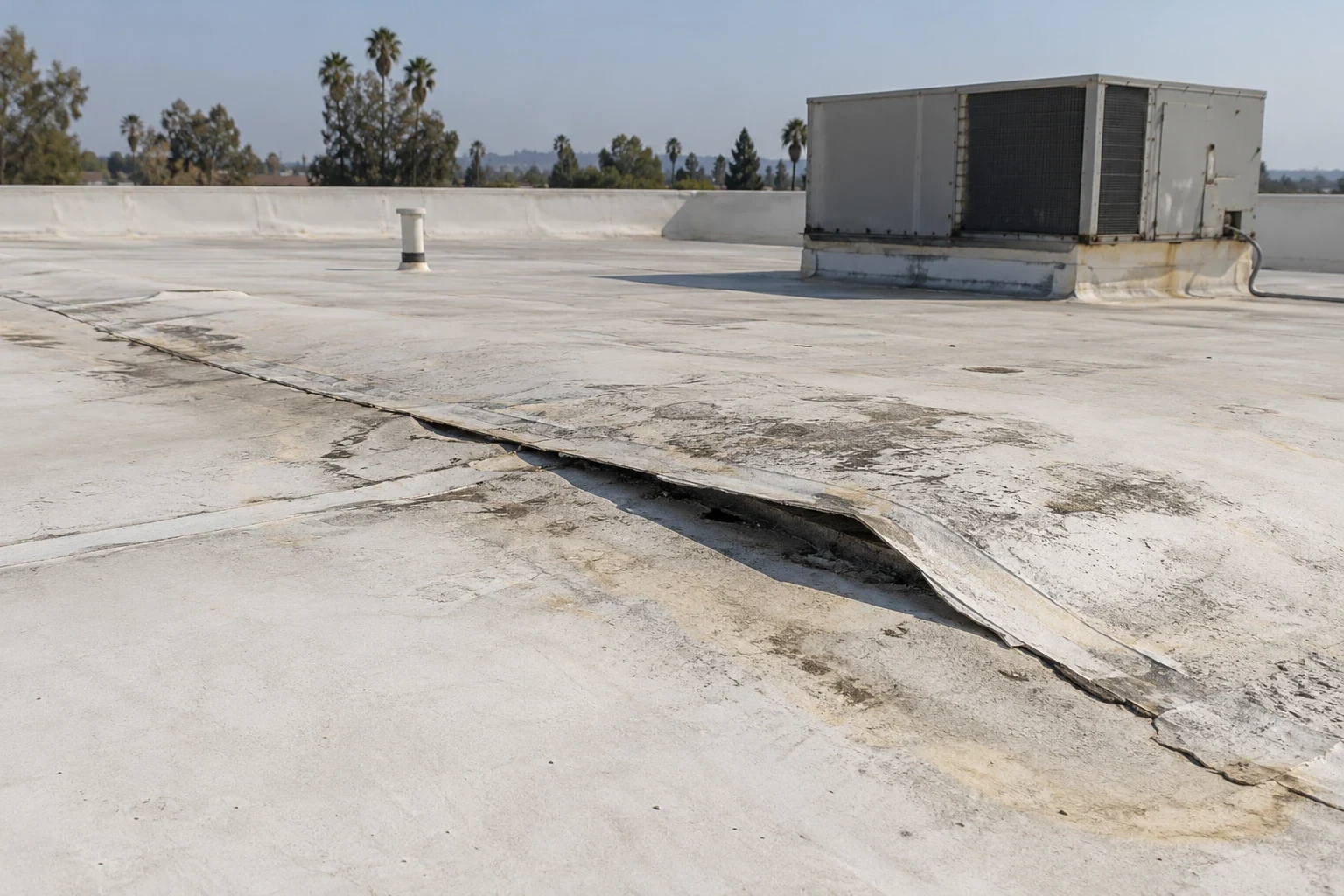
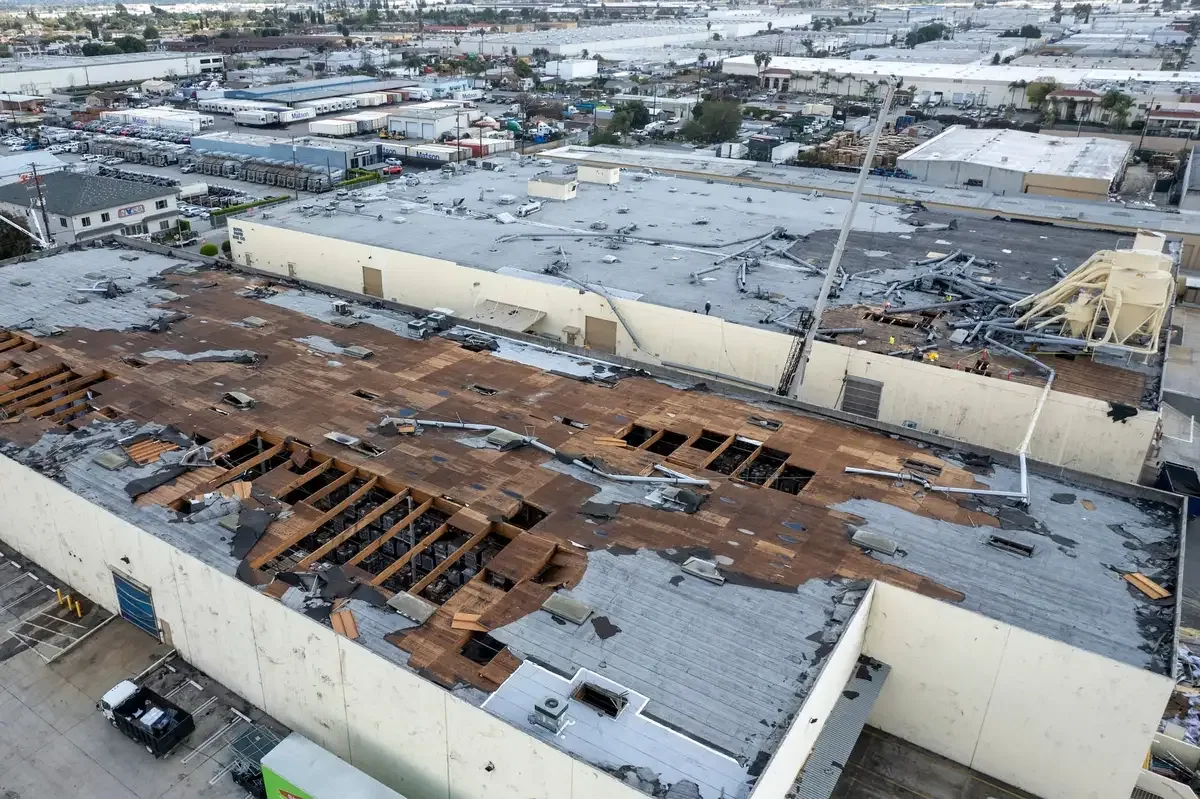
A lifted edge can be the first visible sign of wind damage, but it does not show how far the attachment has released. On a commercial roof in Merced, we trace the loose area to a stable termination and inspect the layers around it. A narrow flap may conceal a larger bond failure. A displaced metal edge may also direct water beneath an otherwise intact field membrane. The repair begins with identifying which connection moved.
Merced station climate normals show a July average high of 96.3°F and nearly 100 days each year reaching at least 90°F. That heat makes movement at roof edges and transitions an important inspection question. It does not prove wind caused a particular failure. We document the lifted material, fastening or bond condition, and evidence of water entry before recommending an opening or repair. The resulting scope should distinguish confirmed damage from adjacent roofing that remains serviceable.
Edges, corners and transitions
Wind pressure does not act evenly across a roof. We inspect perimeter details, corners, parapet transitions and rooftop equipment zones for displaced metal, loose membrane, opened seams and impact marks. Each condition can point to a different repair. A loose termination bar needs a secure attachment into suitable material. A separated field seam needs preparation and a compatible connection. Bent coping may need removal and replacement if it no longer sheds water or holds its position.
We compare the suspect area with nearby details and note prior patches. An older repair that has pulled away can make the original failure boundary hard to see. Our inspection records the location and extent of each visible defect, then checks whether the roof surface around it has brittleness, delamination or trapped moisture. A roof inspection can establish broader conditions when the event affected several elevations or roof sections. It should not be used to imply damage where none was observed.
The property manager needs a practical map of work. We identify which edge or penetration requires access, whether interior protection is appropriate and what conditions remain outside the proposed repair. Photographs should show scale and orientation, not just a close crop of a torn surface. That context helps the owner compare the repair boundary with the roof plan and any maintenance records.
Separating force from water evidence
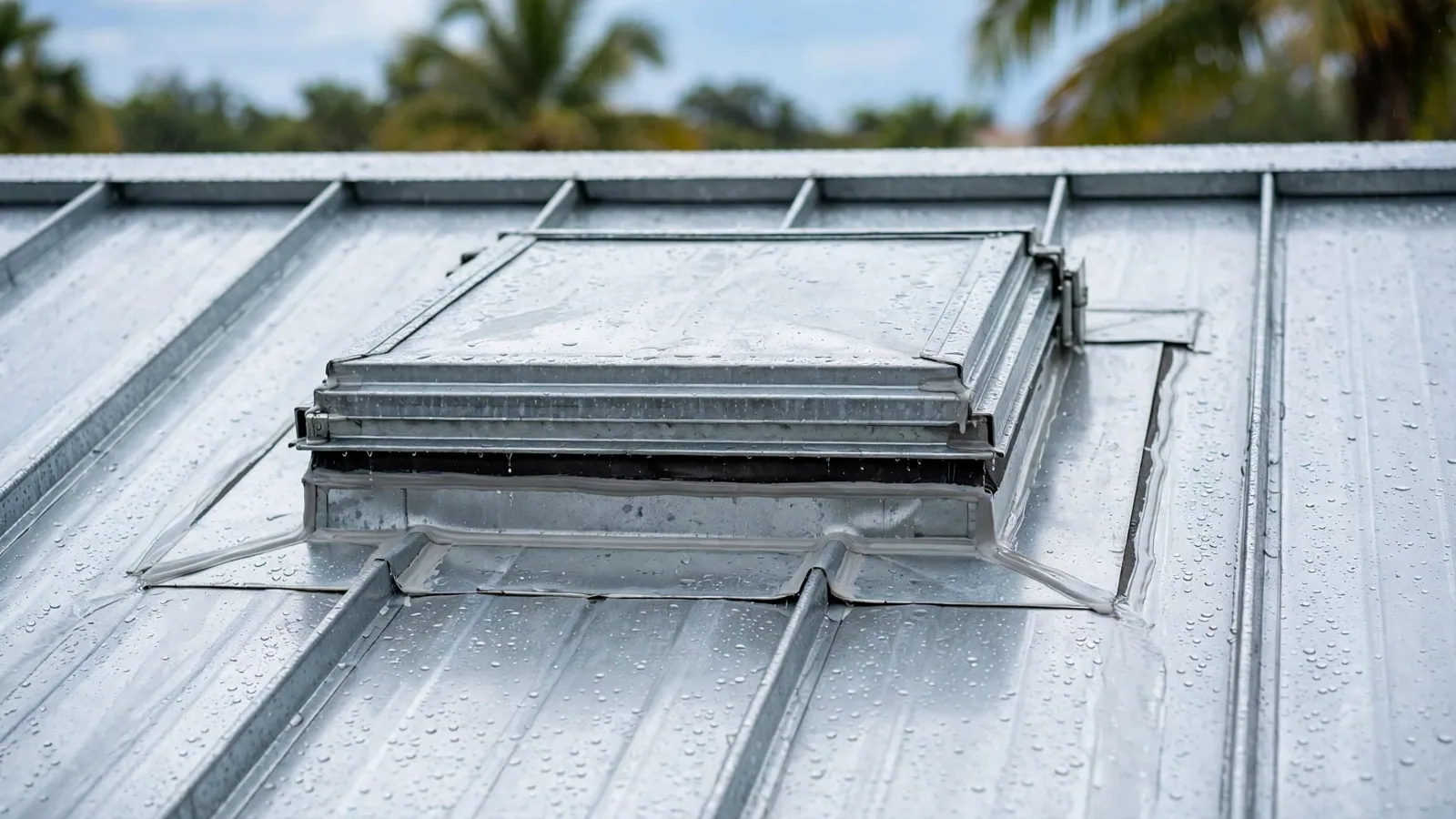
A wind-related opening can admit water during later rain, but a ceiling stain does not identify the entry point by itself. Water can travel along a deck, insulation joint or structural member before becoming visible indoors. We trace the likely moisture path from the roof detail, compare it with interior observations and avoid treating the first stain as the full damage area. Flashing-failure repair may be part of the solution when a curb or wall transition has opened.
Thermal movement can contribute to stress near the same details. Merced’s hot summers expose metal and membrane connections to repeated temperature change. We check whether fasteners have loosened, a seam has pulled, or a sealant bead has split at a joint. The distinction matters: replacing a small piece of membrane will not correct a moving support or poorly secured edge. Conversely, a sound metal assembly should not be removed solely because a nearby field patch has lifted.
When conditions beneath the surface are uncertain, we describe the limit of the visual review and propose a test opening only when it will answer a defined question. The opening can reveal wet insulation, damaged cover board or a dry assembly. We record what it shows and include the repair to close it. The owner can then decide whether the confirmed area calls for localized work or a broader evaluation.
Repair options by assembly
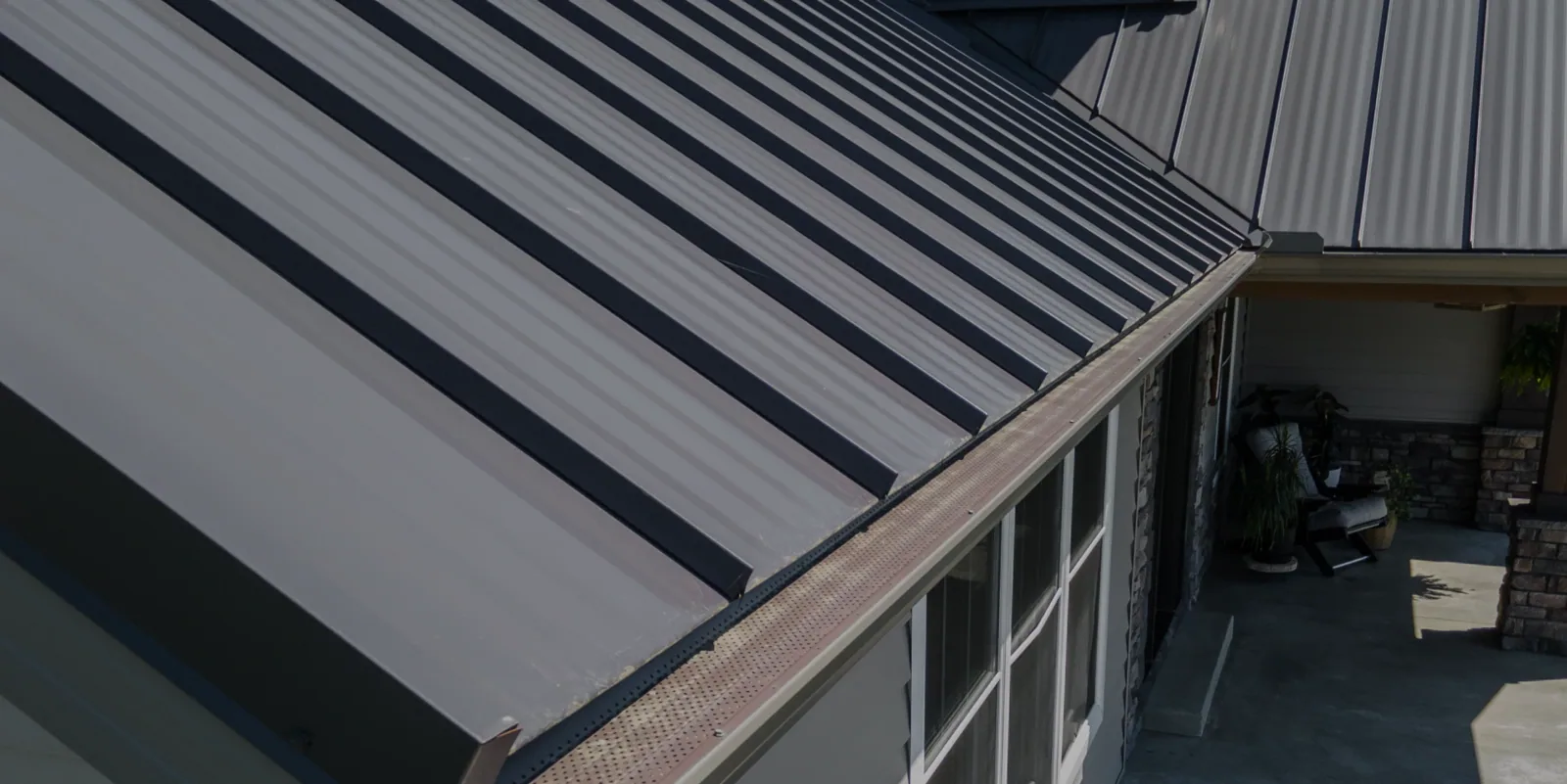
A repair needs sound material around the defect and a compatible way to reconnect the assembly. On thermoplastic roofing, a technician may prepare and weld a matching membrane patch. EPDM uses a different seam and flashing approach. On a metal roof, panel engagement, fastener condition and the underlayment or closure detail become central. We identify the existing system before selecting materials; a generic sealant layer cannot substitute for an assembly-specific repair.
For a separated membrane connection, the crew removes loose or contaminated material until the repair can bond or weld to an acceptable surface. If insulation is wet or cover board is compromised, those layers require separate attention before the membrane closes the roof. Seam-failure work addresses a seam that no longer holds, while edge-metal repairs address perimeter metal and drainage transitions. The written scope identifies where each type of work begins and ends.
A small, stable defect may support a localized repair. Repeated edge releases or widespread attachment problems can change the recommendation. In that case, the manager should review the basis for any larger repair area, and any replacement option should remain separate from emergency stabilization. Temporary protection can limit exposure while the permanent scope is reviewed, but its duration and follow-up need to be clear.
Access, protection and closeout
Before work starts, we coordinate roof access, staging, interior protection and any restrictions near occupied space. An opening above stored goods or active equipment may require a smaller work zone and a deliberate removal sequence. We agree on interior protection and a watertight end-of-shift condition.
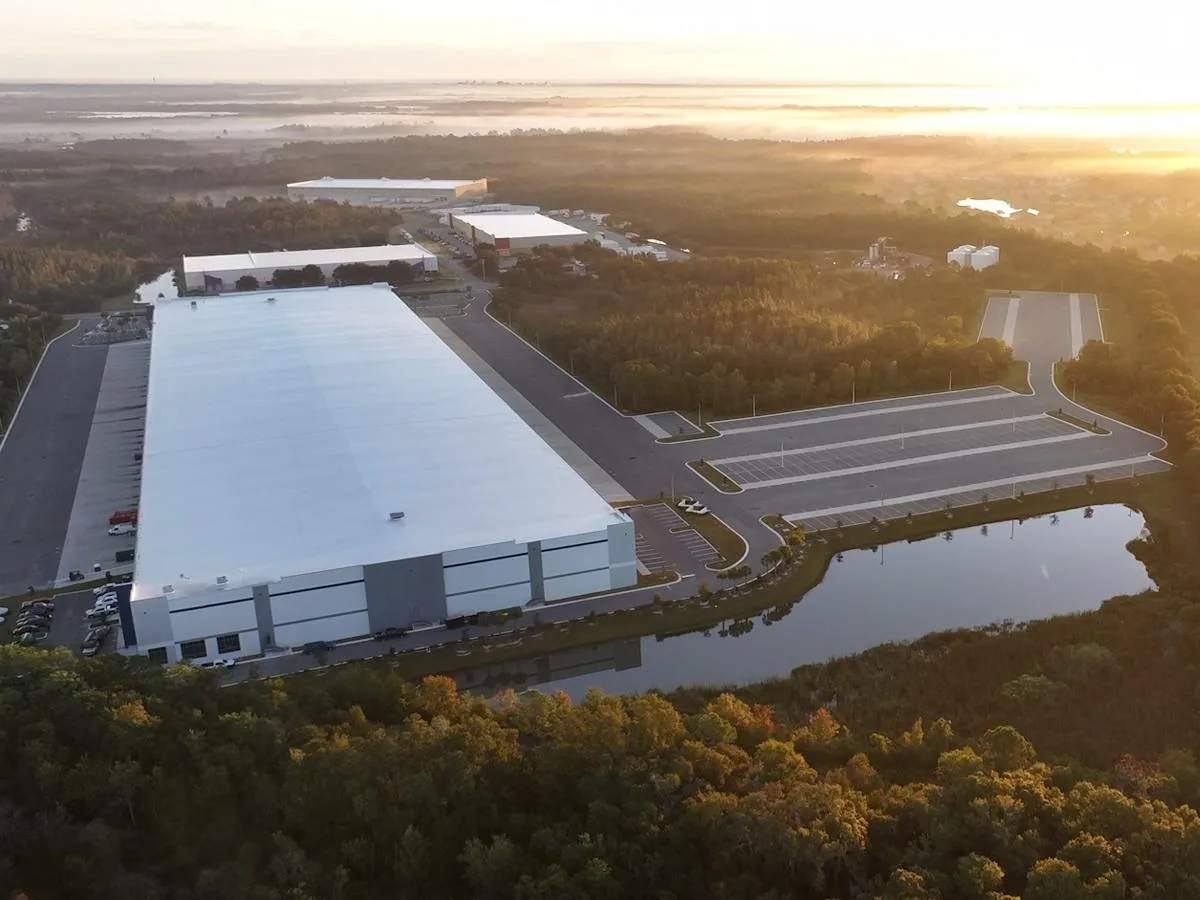
Merced has industrial parks with Highway 99 access and food or grocery distribution activity. On a distribution roof, scheduling around receiving and protected inventory can matter as much as locating the lifted edge. We confirm the building contact, roof entry point and tenant coordination before tools and materials arrive.
Closeout records the repair location, materials used, concealed conditions exposed and any unresolved item. If we open the assembly, photographs should show the layers before they are covered. The manager receives a record of completed work and unexamined areas, not an assurance about the entire roof. Commercial roofing service in Merced can begin with a request that names the loose edge, displaced metal or seam that needs examination.
A bounded decision after a wind event
The useful decision is not simply whether the roof has a tear. It is whether the assembly can be returned to a stable condition with a defined repair, whether hidden damage needs confirmation, or whether the observed pattern justifies broader planning. We explain which conclusion is supported by direct inspection and which question remains unresolved. A repair scope should state the material to be removed, the connection to be rebuilt and the finish condition expected.
If a claim or incident file is involved, we can organize field observations by location and date. That record is not a coverage determination. The property owner or insurer decides policy questions. We keep the roofing description focused on visible displacement, attachment, moisture evidence and completed work, so the technical scope remains useful regardless of the claim outcome.
Request an inspection by identifying the roof edge, corner, curb or field seam that changed after the wind event. Include any interior leak location and the roof system if known. We can then examine the connection, set a repair boundary and explain whether a test opening or temporary protection is warranted.
Route coordination can include Atwater, a Merced County city on State Route 99 with food-processing and building-products activity. Livingston lies farther northwest, where packaged-food, poultry-processing and winery operations form part of the local commercial mix. Those different site uses shape access planning, while the roof inspection still follows the specific damaged detail.
Commercial Roofing Questions
Does a lifted roof edge mean the whole roof needs replacement?
No. The inspection must establish whether the release is localized or part of a broader attachment problem. We document the limits of the observed condition before discussing larger work.
Can wind damage cause a leak away from the visible opening?
Yes. Water can travel through layers or along the deck. We compare the roof defect with interior evidence and describe any uncertainty before setting the repair area.
Will you patch the roof before inspecting the material below?
We assess whether concealed moisture is a concern. If an opening is needed, the scope should identify what will be exposed, checked and restored.
What should a manager provide before the visit?
Share the approximate event date, the affected roof area, interior symptoms and any roof plan or prior repair record available. That helps direct the inspection.
Inspect a lifted edge or displaced detail
Request an inspection of a loose perimeter, opened seam or shifted flashing. We will trace the connection, document the repair boundary and identify any hidden condition that needs confirmation.
Related Roofing Work