An exposed fastener line can explain why a displaced roof edge needs more than a new cover. For roof insurance claim assistance in Merced, CA, we document that construction and connect it with the proposed repair. The manager needs a clear account of the damaged component, its location and the work required to rebuild it. Coverage review is a separate decision from the roofing assessment.
We provide roof photographs, condition findings and repair documentation for the claim process. We also coordinate examination and construction questions with the property team. Merced has industrial uses near Highway 99 and occupied professional space in Downtown Merced. Those settings can affect access, temporary protection and the scope needed to repair the roof above active business areas.
Damage location and component description
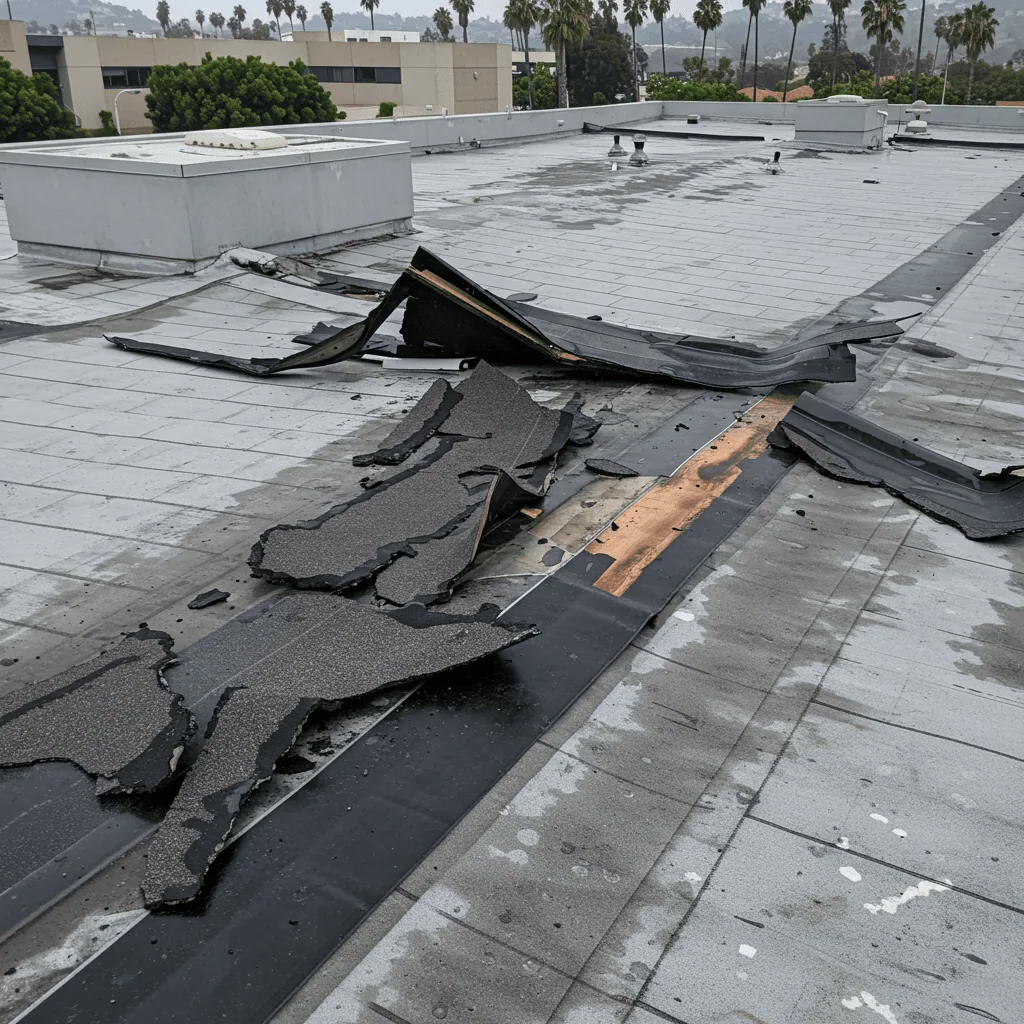
A close photograph of torn material needs context. We show the surrounding detail and identify its roof zone so a reviewer can locate the damage. A perimeter opening, a puncture and a separating seam involve different construction. The description identifies the material and visible condition. It should not substitute a broad damage label for the actual connection needing work.
We distinguish new observations from information supplied by the building team. Prior roof photographs and maintenance material may help compare a detail. Their timing and location matter. An image of another roof area does not establish the earlier condition of the damaged connection. We use relevant comparisons and explain where the available information leaves a question unresolved.
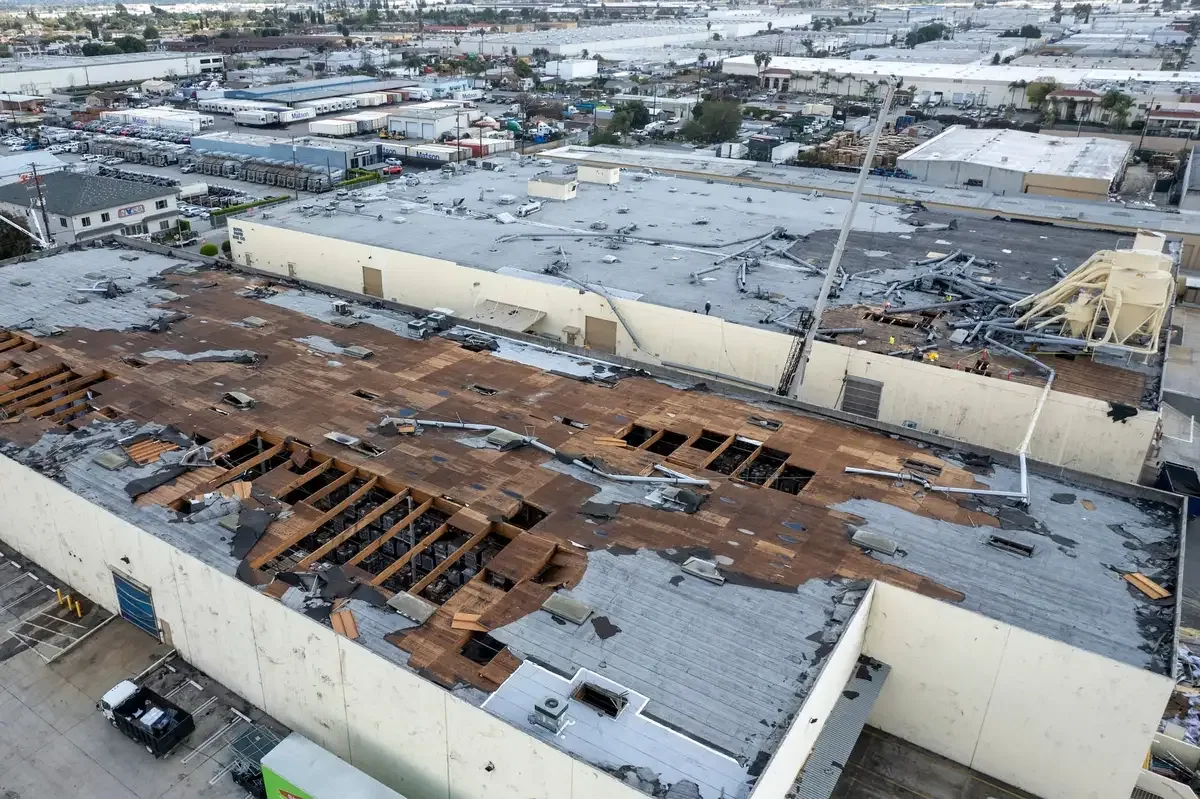
A storm damage examination can identify displaced components and affected layers. It may also find unrelated wear. We separate those observations in the repair discussion. The roof scope follows the construction needing attention, while event attribution and coverage remain subject to the relevant review. A useful file does not force every roof condition into the same explanation.
The repair assembly behind the quantity
A replacement edge piece may need supporting attachment work. A membrane repair may need wet insulation removal. We identify the layers and connections included in the proposed repair. That gives quantities a construction basis. The manager can understand why the work extends beyond the visible outer opening and which part of the assembly each item restores.
Where the damage is bounded, we describe the sound material available for a repair connection. Where deterioration extends farther, we explain the examination supporting a broader boundary. A localized commercial roof repair should include preparation and closure appropriate to the existing material. A quantity for covering a hole alone may omit the work needed beneath or around it.
Unknown concealed conditions need a defined response. We identify any inspection limits and the work that becomes measurable only after removal. The scope can separate known construction from an allowance or additional examination. That separation helps a claim reviewer and the manager understand the proposal without treating uncertain deck damage as already observed throughout the affected zone.
Water-affected layers and confirmation
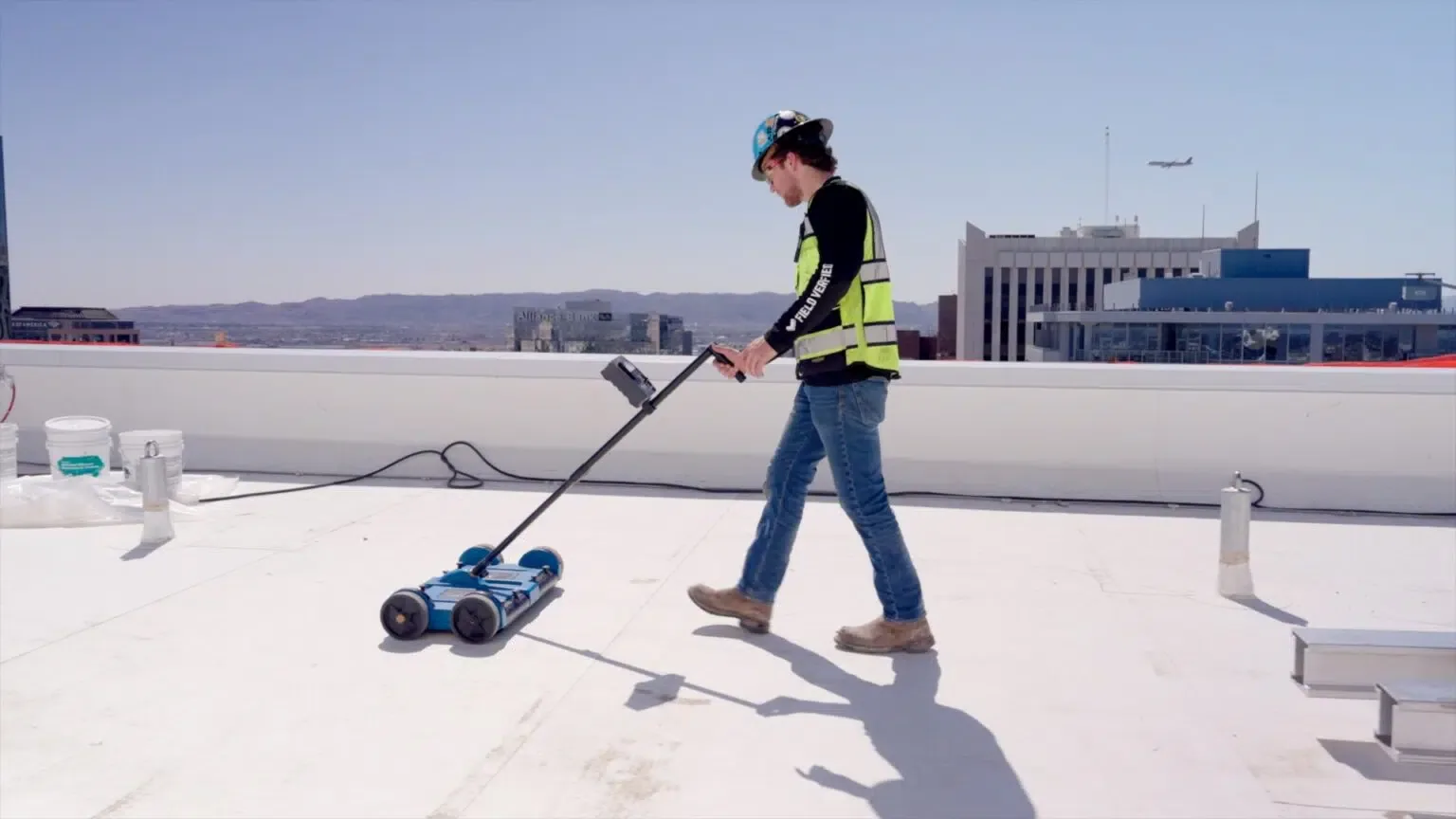
Insulation condition can change the repair even where the surface opening is small. We investigate suspect moisture and identify the method used to confirm it. Infrared moisture findings can help choose confirmation points under suitable conditions. The documentation distinguishes a thermal observation from a physically examined layer. Removal limits should show how those findings connect.
A test opening may reveal wet insulation, a deteriorated facer or visible deck damage at its location. We document the exposed construction before closure. The opening is a sample, so its findings need interpretation with the wider roof examination. We do not expand one damaged point into a roof-wide condition without suitable supporting investigation. The manager can see which boundary is established and which needs further examination.
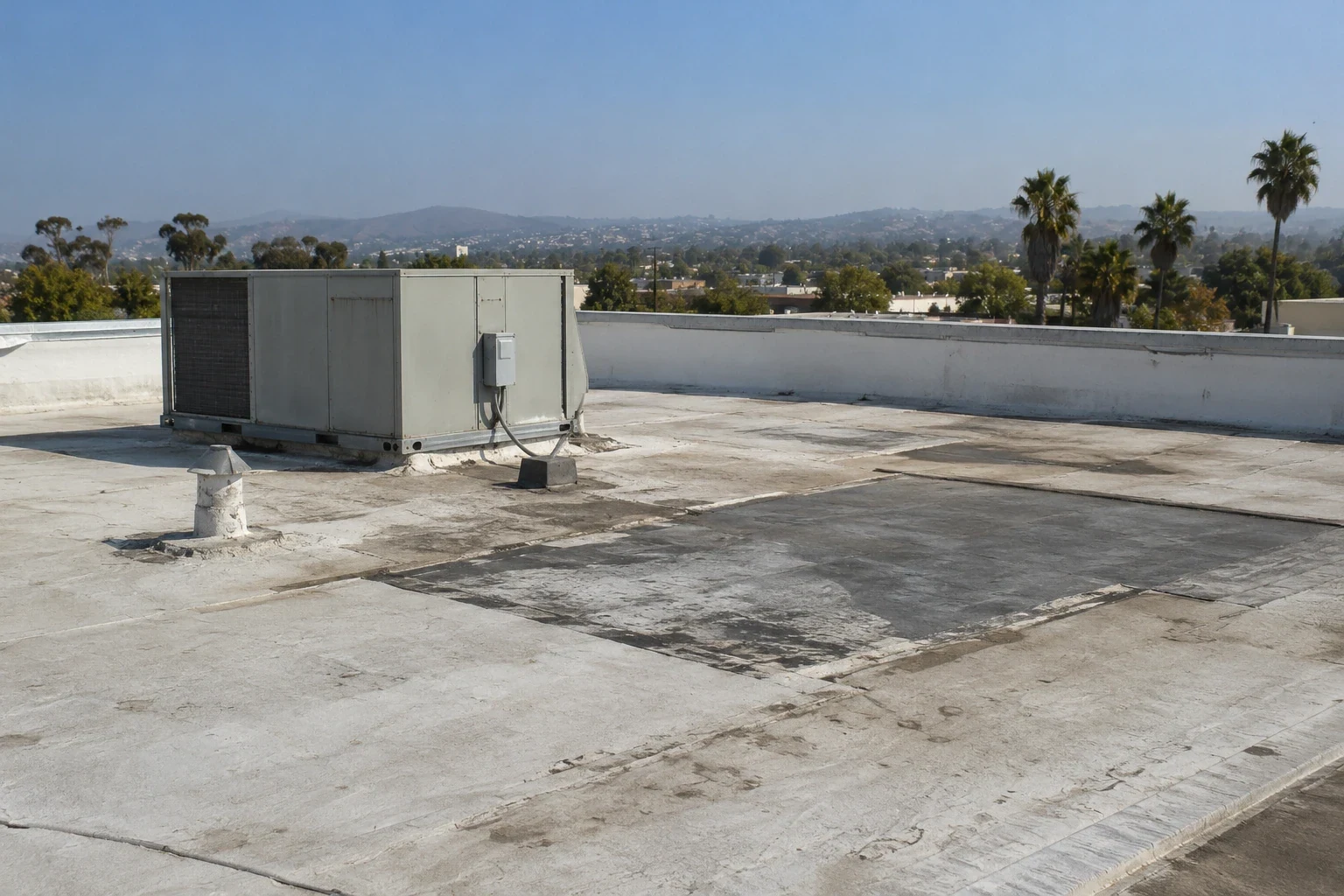
Merced summer heat can also influence material movement and survey timing. Those local conditions help frame examination, but they do not establish an insured cause. We keep climate context distinct from observed damage. The file should describe a strained transition or affected insulation in roofing terms, supported by its examination rather than by a general statement about hot weather.
Immediate protection and later reconstruction
A temporary closure may be needed before the full claim review is complete. We identify the exposure, the interim material and the permanent work still required. Appropriate photographs before concealment help explain the original condition. Building safety and active water exposure require their own response; the property team should follow the policy and insurer requirements relevant to notification and review.
Emergency roof protection can have a different scope from final reconstruction. A surface treatment may control immediate entry while damaged attachment remains to be rebuilt. We distinguish those tasks in the roofing documentation. The manager can then explain why later work is necessary without treating the temporary material as a completed permanent assembly.
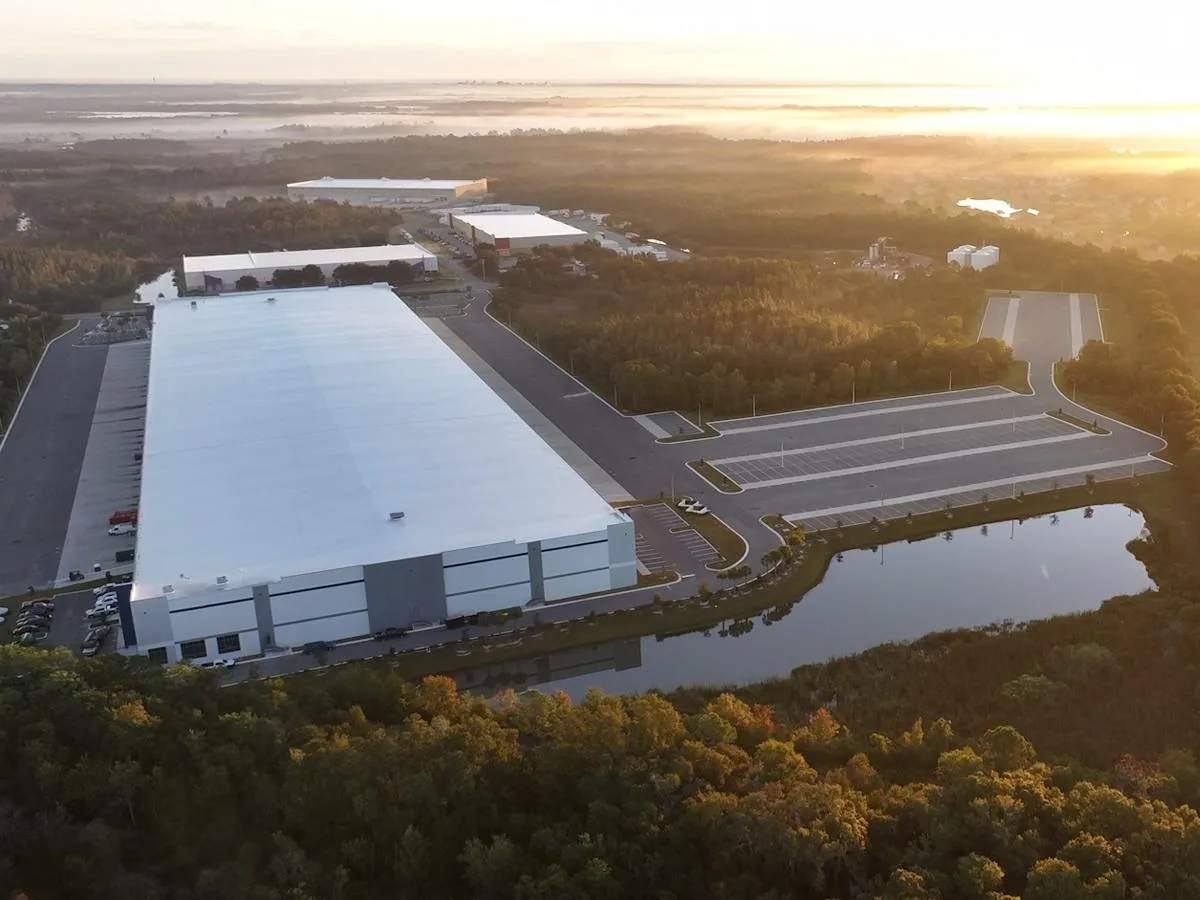
For a distribution building, the affected interior use can shape protection and repair timing. Merced has food and grocery distribution businesses, but the actual goods and handling areas must be identified at the property. We connect the roof-zone finding with the building team's information. The manager can then review the opening limit against agreed stock protection, usable access and the timing of the next construction stage.
Access for examination and scope review
A reviewer may need to examine a damaged roof detail before construction covers it. We coordinate available access and identify site conditions affecting the visit. Some connections may need suitable opening to reveal their damage. We discuss that requirement and the restoration method. Safe access remains necessary even when a claim review has an urgent schedule.
At properties in Downtown Merced, tenant entrances and occupied office space can affect roof access. We identify a practical route with the building team. A street-side edge repair may also require ground separation during examination and removal. Those conditions belong in the construction discussion when they affect the proposed work, rather than appearing as unexplained access charges.
A written roof condition assessment keeps findings, photographs and repair recommendations connected. We address technical questions about the assembly and identify any change after additional examination. The manager receives a coherent scope for review. Insurer decisions, policy terms and any dispute process remain separate from our explanation of the roofing work.
Cost drivers include the damaged layers, access method, suitable closure and reconstruction of adjacent connections. We describe them without promising claim approval or a particular settlement. The useful outcome is a repair proposal that a reviewer can evaluate against located findings, with uncertainty identified before the work conceals the assembly.
Commercial Roofing Questions
Can roof documentation establish coverage under my policy?
Coverage is determined through the policy and insurer review. Our work documents the roof condition and proposed construction. We explain the damaged assembly and repair basis without treating a roofing finding as a policy decision.
Why photograph layers during removal rather than only the finished repair?
Exposed construction can show damage that the finished membrane conceals. Located images help explain removal and reinstatement quantities. We connect them with the repair zone and identify which layer or attachment condition changed the scope.
What if additional deck damage appears after work begins?
The proposal should identify how concealed findings will be handled. We document the exposed condition and explain the necessary response before it is covered. The manager can then review the changed construction rather than receive an unexplained final quantity.
Should temporary protection and permanent repair be described separately?
Their purposes and materials may differ. We identify the immediate opening protected and the assembly still needing reconstruction. That distinction shows why later work is required even if the temporary measure has reduced interior water entry.
Documentation of the damaged assembly
Request a roof assessment with located damage photographs, layer findings and a repair scope suitable for claim review.
Related Roofing Work