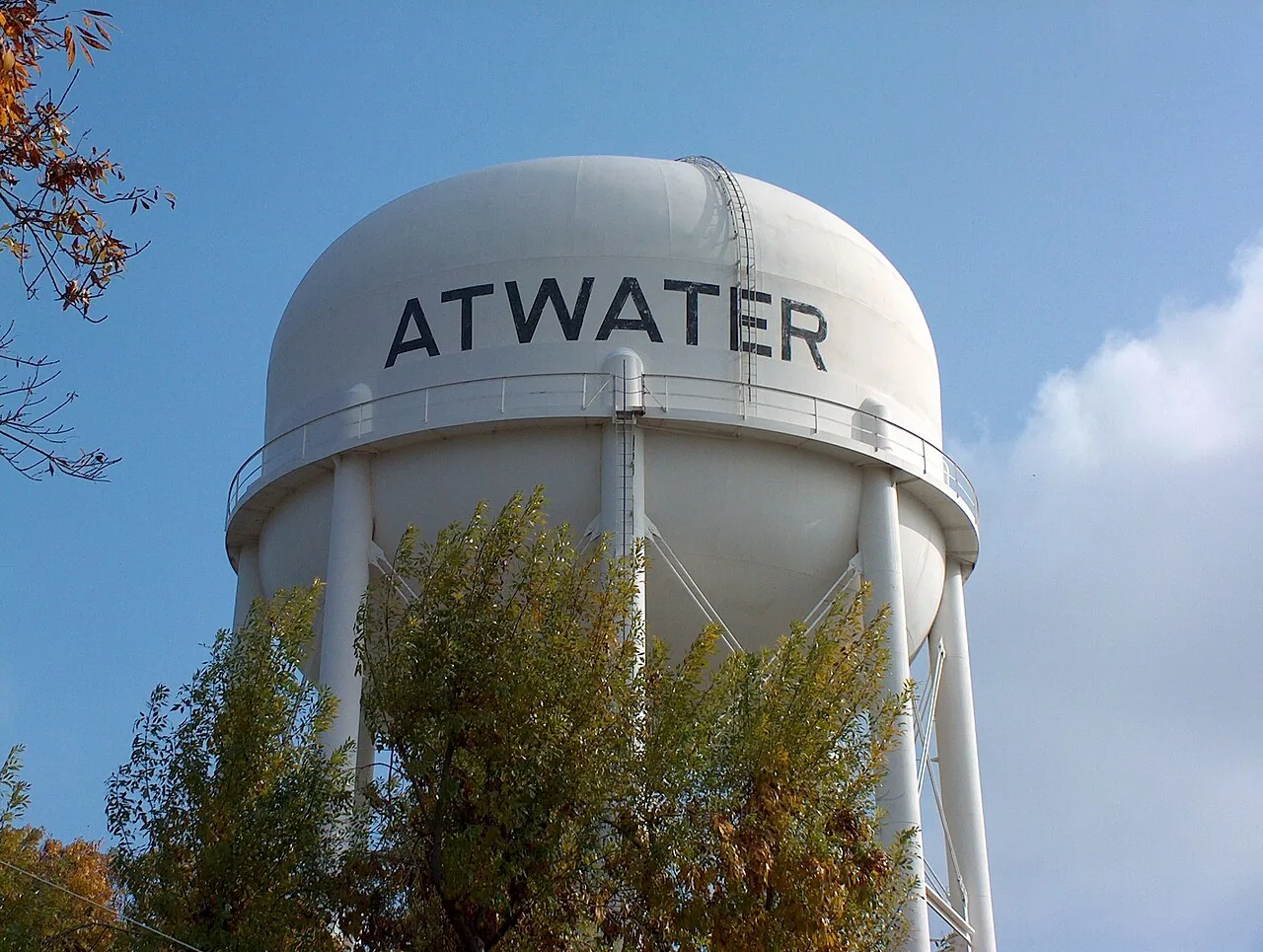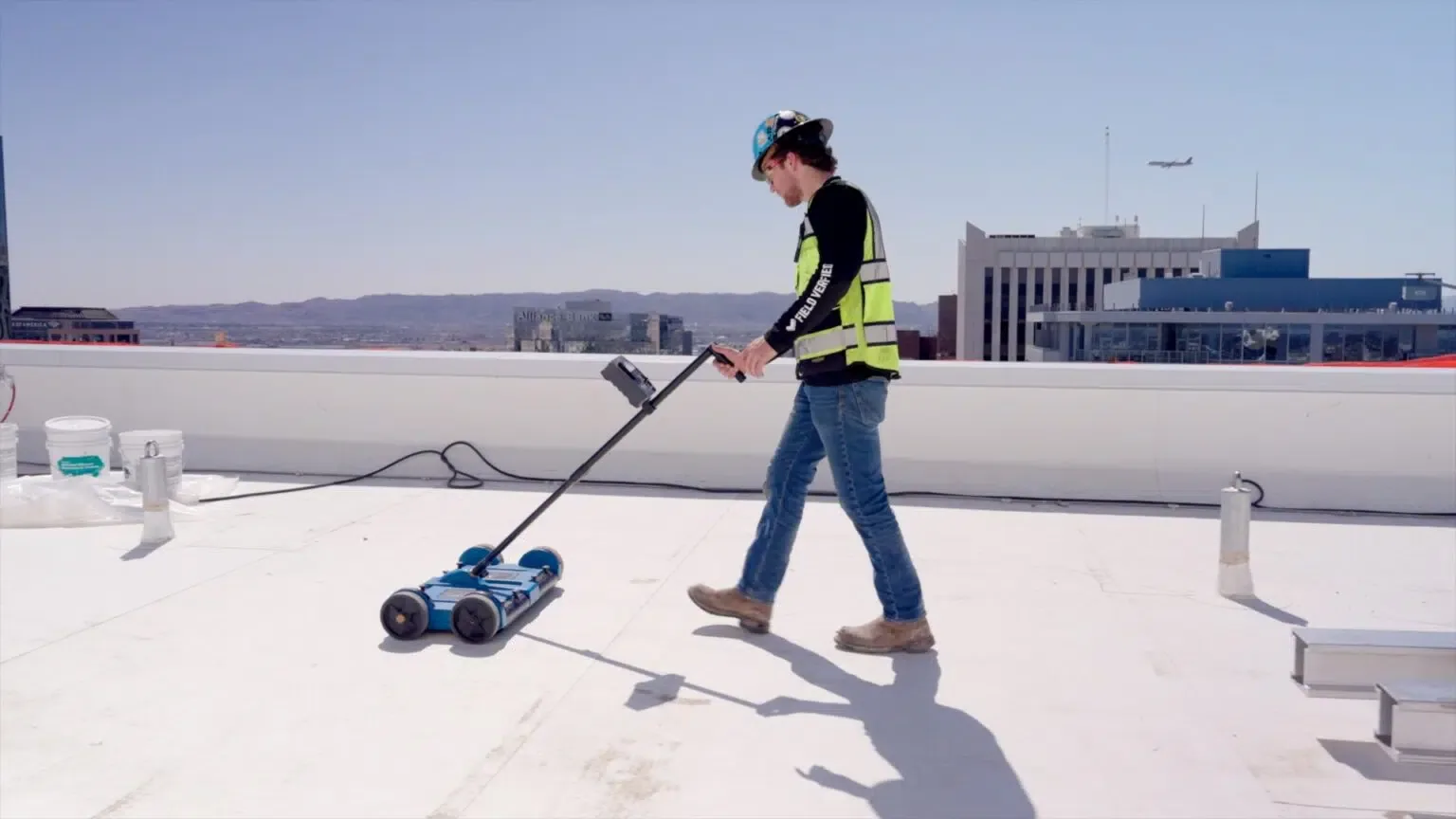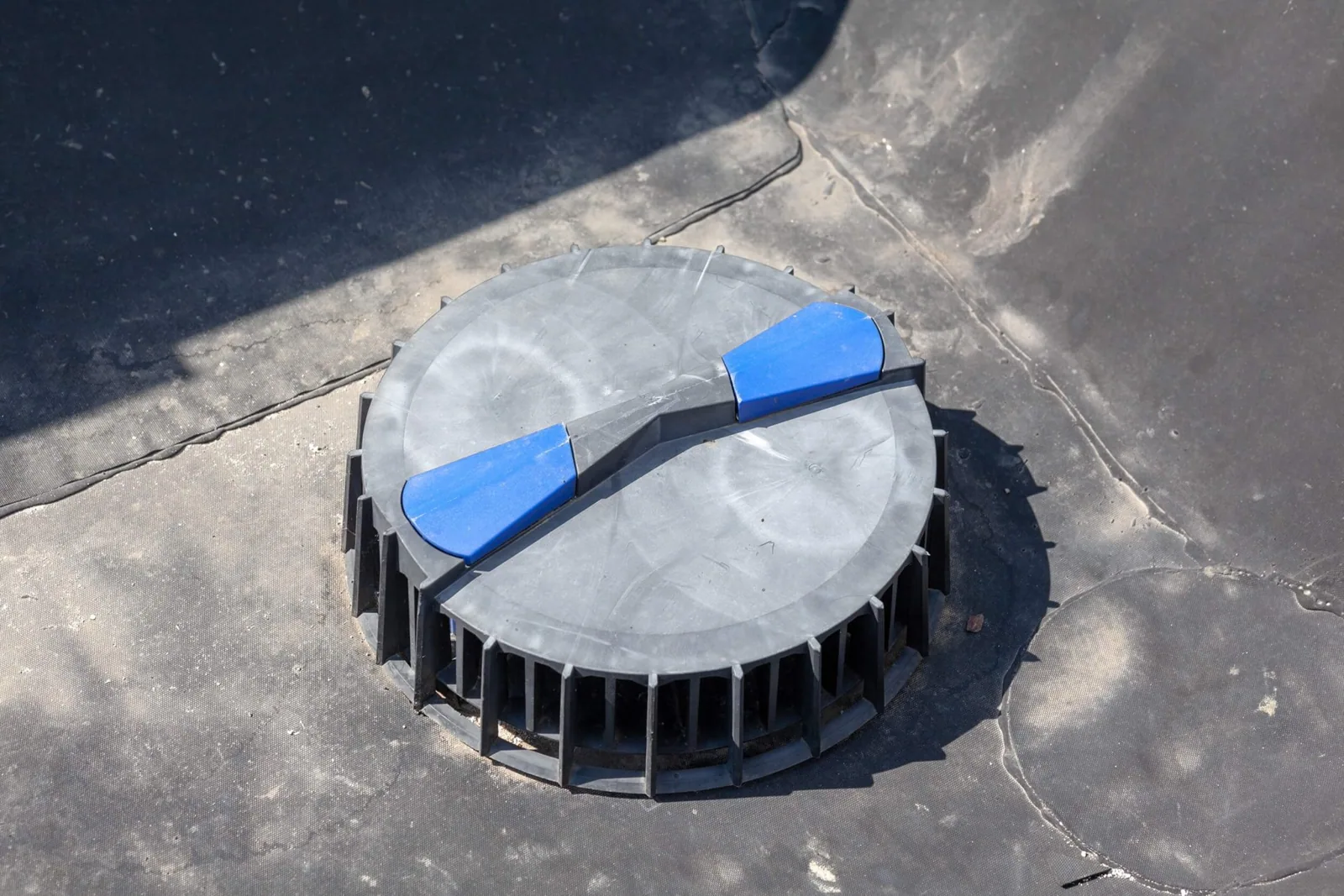
An open conduit boot can funnel water below the membrane before a ceiling mark appears. In Cressey, CA, the first question is whether the penetration failed by itself or whether nearby seams and insulation show the same moisture path. We inspect the boot, membrane turn-up, attachment and interior evidence before writing a repair. Cressey is an unincorporated northern Merced County community, north-northwest of Atwater and east of the Santa Fe railroad's Merced River crossing. Cressey is a rural center in Merced County. Those facts locate the community, not the roof assembly on any single property.
We document the exposed layers and distinguish a boot repair from a wider field condition. A penetration flashing inspection checks the connection around the conduit. If water has tracked under the membrane, a leak repair must include the wet area and a compatible closure. For an owner comparing findings near Atwater and Cressey, each building receives a separate condition report rather than a copied scope.
At the boot and clamp
A conduit boot depends on a tight fit around the pipe and a sound connection to the roof membrane. We check for a split at the neck, a loose clamp, a lifted base or a patch that has lost adhesion. The conduit may move as temperature changes, so the repair has to preserve a flexible transition. A hardened sealant bead over a moving split does not restore the boot's attachment. We remove unsound material, prepare the membrane and rebuild the detail with compatible components.
The nearby roof field matters too. Water may pass through a surface defect at the boot, travel along a seam and emerge elsewhere. We inspect the laps, drainage path and penetrations within the area that could share a moisture route. A flashing-failure review can identify whether the base or the field seam needs work. If the assembly is not visible at the surface, a controlled roof inspection records the limits before any broader repair is approved.
Heat at a moving connection
For the Merced station, the 1991-2020 normal July high is 96.3 degrees Fahrenheit. At a pipe, we test the boot base, clamp, and surrounding membrane for movement before removing material. Heat movement can stress a flexible boot where it meets a rigid pipe and can loosen a clamp or separate a patch edge. We look for a stretched neck, a gap under the boot base, a wrinkle pointing away from the penetration or moisture beneath the membrane. The repair should address the observed connection, not just the first visible crack.
Cressey's location east of the Santa Fe railroad's Merced River crossing and north-northwest of Atwater gives the manager a clear geographic reference. It does not establish site access, building use or equipment conditions. The owner can identify which conduit serves active equipment and whether shutdown coordination is required. A roof penetration and equipment check can separate the pipe flashing from a nearby support detail. We also review moisture findings when the interior mark extends beyond the boot.
Separate surface and substrate findings
A dry-looking membrane above a stain does not prove that the insulation is dry. We compare the boot with the interior evidence and use a limited opening if the assembly layers remain uncertain. The opening can confirm membrane type, insulation condition and deck attachment. We photograph what is removed and close the roof with compatible material. If the moisture extends past the opening, the report identifies the next area to examine instead of treating one test point as a map of the entire roof.
The inspection also notes whether water can drain away from the penetration or collect around it. A blocked path may keep the boot base wet, while a low point can direct water toward a second seam. A drainage inspection checks outlets and nearby sumps. The final record states what was accessible, what was opened and which conditions remain concealed. That gives a property manager a sound basis for deciding whether to patch, monitor or add a larger section to the work.
Scope the work at the penetration
A local repair fits when the boot can be replaced or rebuilt, the surrounding membrane is sound and the substrate is dry. The new detail must allow for pipe movement. Wet insulation or several failed boots may require wider work. We mark the boundary, materials and sequence so the owner can compare the repair with roof renewal.
A recover evaluation checks whether existing layers can remain beneath a new roof system. Replacement may make more sense when the substrate is wet across a broader area or the field membrane no longer accepts reliable repairs. Coating is considered only after the surface, seams and drainage qualify. A maintenance visit can add recurring checks of boots and clamps, but it does not replace rebuilding a failed connection.
Coordinate the equipment below
A conduit may serve equipment that cannot be shut down without planning. Before work, we identify the system, roof access, required escorts and the point where an interruption would affect building operations. The repair sequence should keep the opening protected if the owner needs to confirm equipment status before the flashing is rebuilt. We coordinate staging and cleanup so loose material does not reach the area below. If the roof is occupied by other trades, the manager should include their access windows in the schedule.
Road geography places Cressey near Atwater, but the property manager provides delivery instructions and staging limits. For an active leak, emergency roof response can control exposure while inspection findings are converted into permanent scope. A Merced roof inspection begins with the same symptom, access and assembly questions, then records the conditions at that property.
Leave the penetration inspectable
Closeout records the original boot, any opened insulation or deck, the replacement components and the final membrane turn-up. Photos should show the clamp, pipe fit and surrounding field. We note whether the equipment was operating during the work and whether a test was included. If the repair could not reach a concealed layer, that limit remains in the record. The next inspection can then compare the same detail and determine whether movement or water entry has returned.
Request an inspection when a stain appears under a conduit, the boot neck cracks or a clamp loosens. We trace the path from the roof surface into the assembly and identify the material that needs to be rebuilt. A written scope states which layers are removed, how the pipe stays supported and when the opening is closed. The repair follows the moisture evidence rather than covering it.
Commercial Roofing Questions
Can a cracked conduit boot be replaced without shutting equipment down?
Often, but the equipment and pipe connection need review first. We coordinate with the property manager on any required shutdown, support or access. The work plan states when the roof opening is exposed and how it stays protected while the new boot is fitted.
Why inspect the roof field around a boot?
Water can enter at the pipe and move along a seam, or a nearby lap can be the actual opening. We check surrounding membrane and drainage before setting the repair boundary. That keeps a new boot from being treated as the answer to a separate field defect.
When is a test opening useful?
It helps confirm the membrane, insulation and deck where surface evidence is inconclusive. We keep the opening limited, photograph each layer and close it with compatible materials. The result applies to the tested location, not automatically to the rest of the roof.
Can sealant stop a leak around a boot?
A compatible sealant may be part of a detail repair, but a split boot or loose base needs its attachment rebuilt. We check the pipe fit, clamp, membrane and substrate before specifying materials. Applying a bead over a moving or wet connection can leave the original failure in place.
What should the scope say about equipment?
It should identify the affected conduit, access limits, any shutdown coordination and how the pipe remains supported. The scope also lists materials, protection and the completed flashing. Those details help the owner coordinate roof work with the equipment it serves.
Inspect the conduit flashing
Request an inspection of the boot, clamp, adjoining membrane and any moisture below the opening. We will document the exposed layers and set a repair boundary.
Related Roofing Work