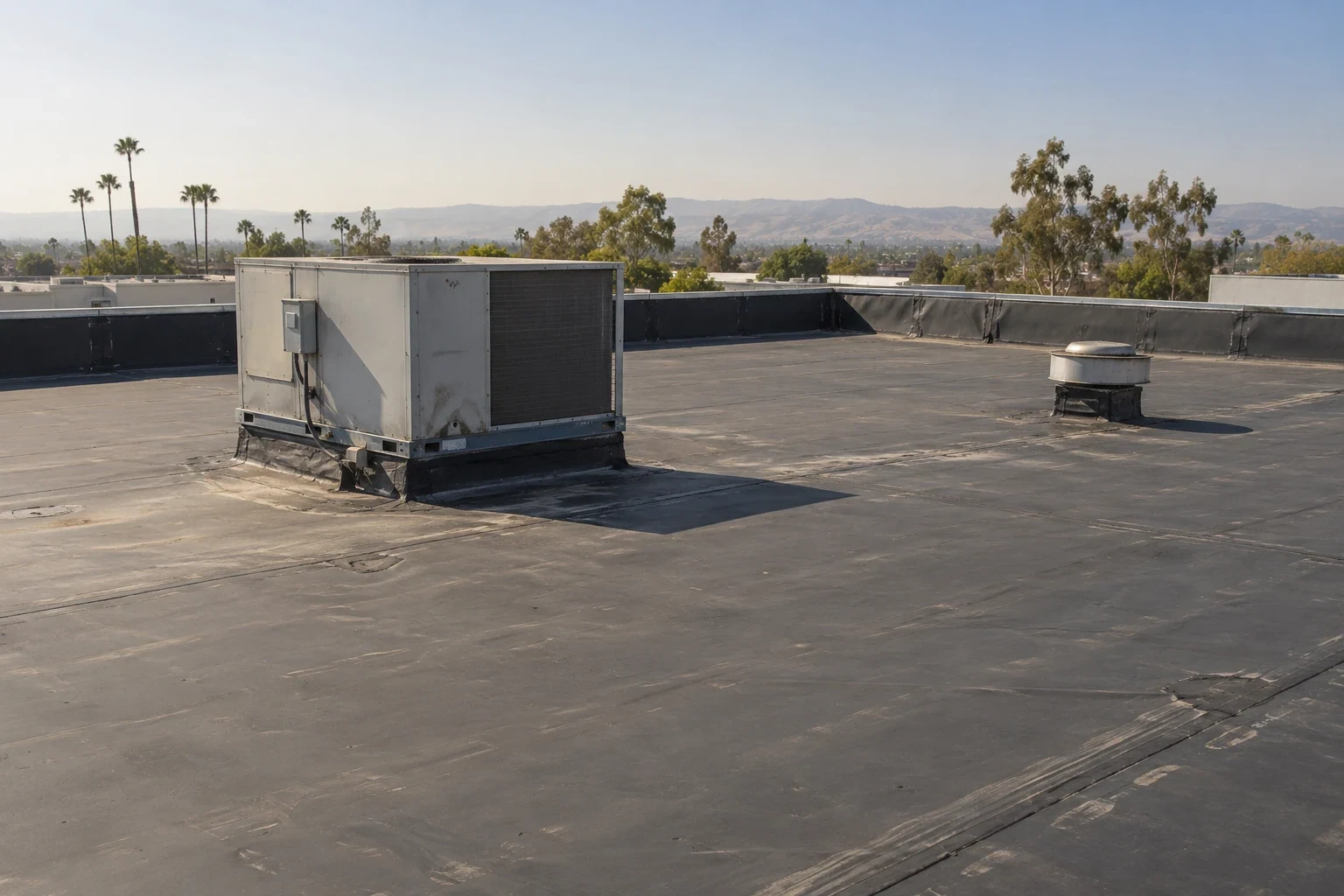
A curb corner with a split flashing can send water below an otherwise intact membrane. In Merced, CA, we identify the assembly before selecting a Holcim Elevate repair or replacement system. The roof needs a material and detail that work together. A brand name does not correct a wet layer, poor slope or weak attachment.
The Holcim Elevate commercial portfolio includes EPDM, TPO, PVC, asphaltic and metal roofing systems, along with insulation and roof enhancements. Merced buildings range from Downtown offices and restaurants to industrial property around Highway 99 and rail. A roof scope must account for both the assembly and the way the building operates during the work.
Select by membrane and use
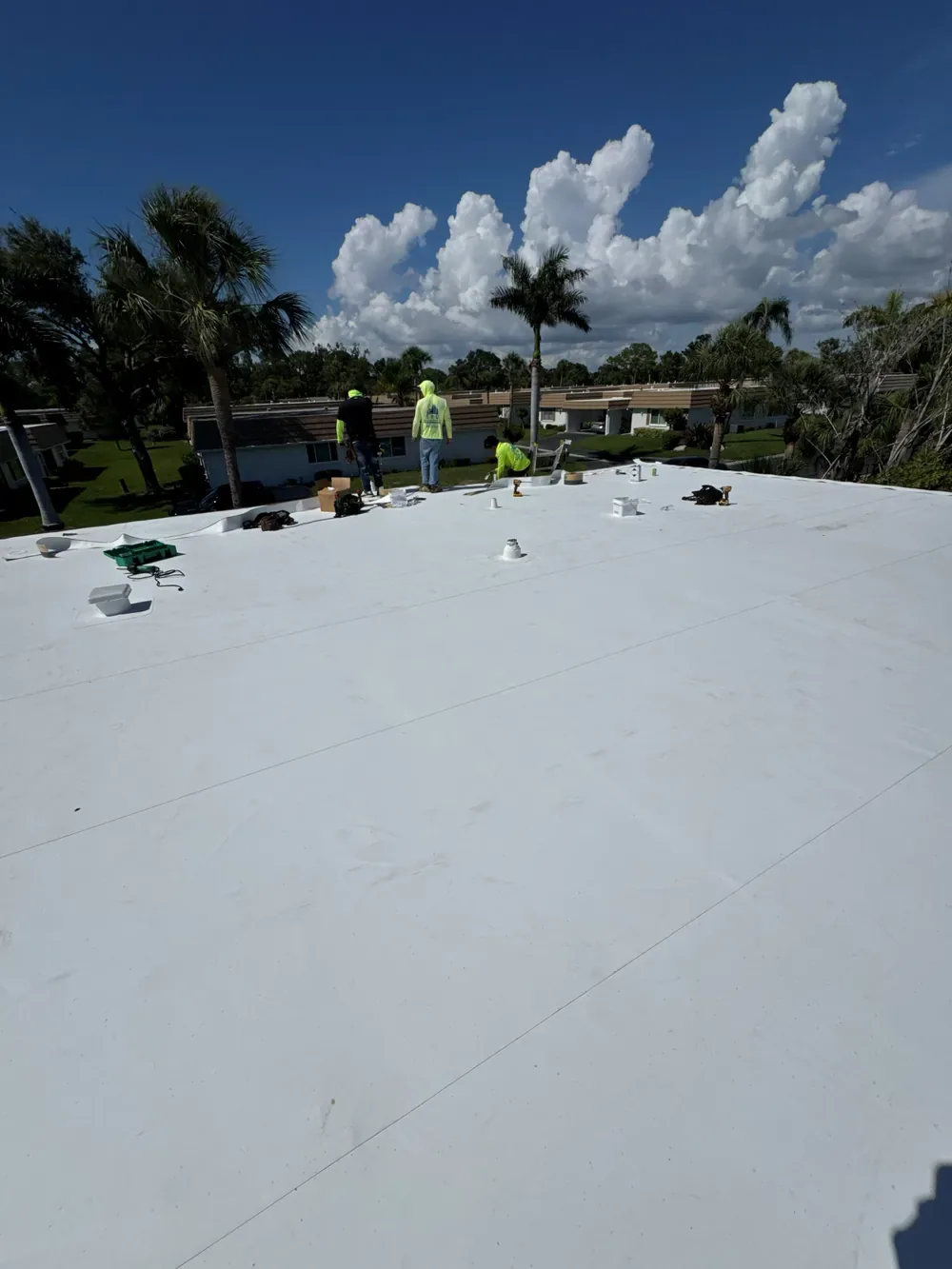
RubberGard is Holcim Elevate's EPDM membrane family. UltraPly and other company offerings cover TPO, while the company also lists PVC systems. EPDM seams use compatible tape, adhesive or accessory methods; TPO and PVC seams are generally heat welded. The methods differ, and a repair needs to follow the material present. We inspect markings, exposed edges, old patches and seam construction before specifying a tie-in.
A roof assembly adds more than membrane. Insulation, cover board, vapor control where needed, fasteners, adhesives, edge metal and flashing details all contribute to the finished system. A product sheet can identify an available component but cannot establish whether the deck or existing layers are suitable. We match the specification to the surface that will receive the work.
The same membrane family may be installed in different attachment configurations. Wind design, deck type, project requirements and perimeter conditions affect the selection. We review approved drawings and system details before deciding whether adhered, mechanically attached or another listed method fits the building. The proposal should state which assembly is intended and where it transitions to existing construction.
Read the existing layers first
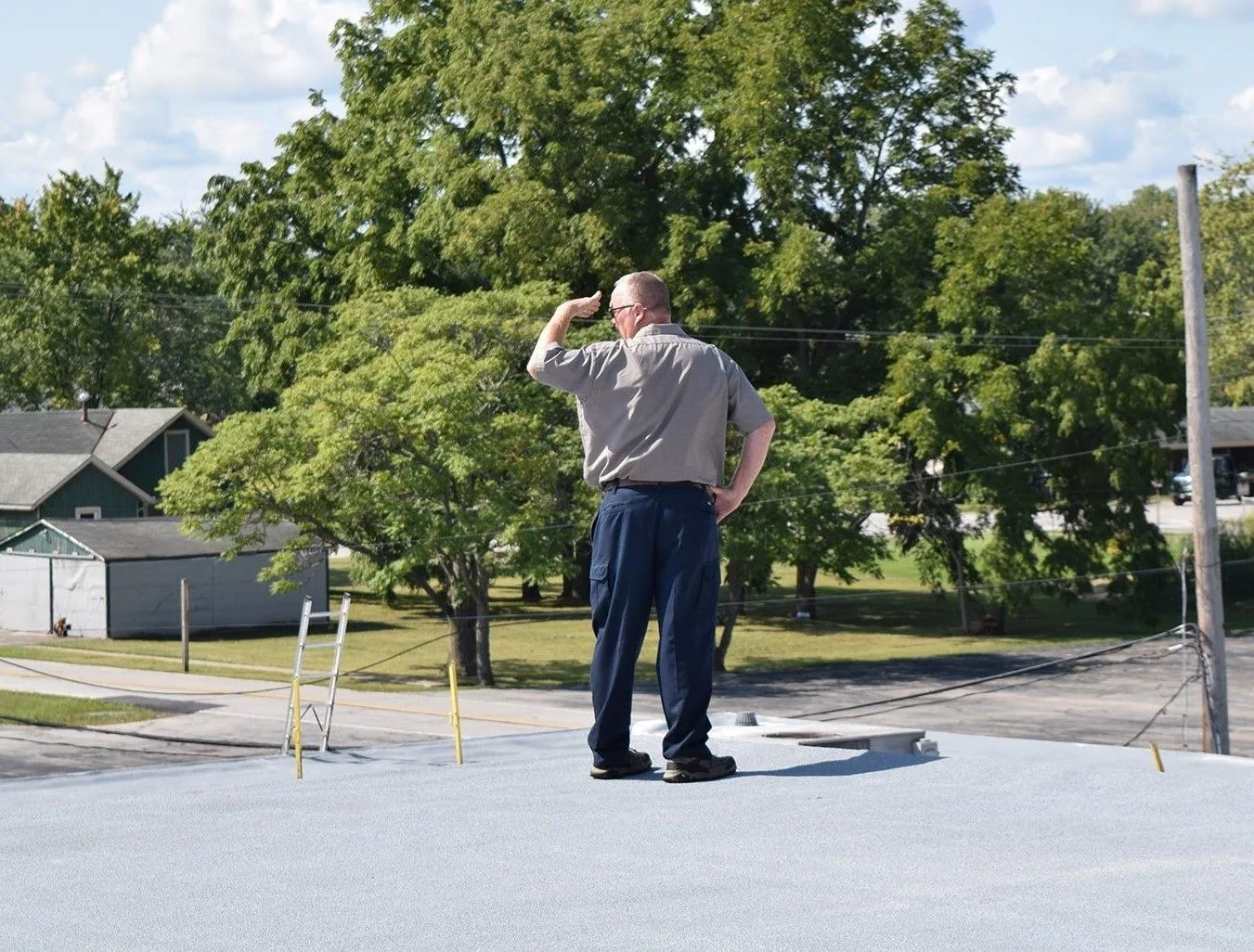
We map roof zones, seams, penetrations, drains, curbs and edge terminations. The inspection records blistering, open laps, loose flashing, repeated patches and areas where water remains after drainage should occur. Interior staining can help locate a moisture path, but the ceiling mark is not the roof boundary. We follow the condition across the membrane and test layers where concealed moisture would change the scope.
Merced summer heat makes movement at flashings and metal transitions worth checking. Heat alone does not establish why a seam opened. We look for the connection: a restrained edge, a stretched corner, aged sealant or a failed bond. If an opening is needed, we photograph the insulation and deck and mark what must be removed. That evidence separates a local repair from a larger replacement discussion.
Existing roof layers also affect whether a recover is possible. Wet insulation, a damaged deck, excessive buildup or inadequate flashing height can rule it out. Added insulation changes elevations at drains and equipment curbs. We measure those transitions rather than assume a new field layer will fit. The owner receives a scope with the removal boundary and any concealed condition that requires an approval before proceeding.
Rebuild the connection, not just the surface
Flashing details take several roof materials into one weather line. A pipe boot, equipment curb, parapet, drain or expansion joint requires compatible attachment and termination. We remove material far enough to reach a sound bond surface, then rebuild the detail with the method for the membrane. Covering a loose edge with a new sheet can leave the original failure in place.
On a thermoplastic membrane, weld setup is checked on a test piece and again as conditions change. Completed seams need time to cool before probing. EPDM work requires clean preparation and compatible primers, tapes or adhesives. At drains, the sheet must connect to the intended clamping interface; sealant cannot substitute for that mechanical detail. Each repair boundary is photographed before the next layer hides it.
For a replacement, we inspect the substrate as it becomes accessible. Fastener pullout or deck deterioration can change attachment and allowance. Insulation boards need a stable fit, offset joints and a layout that supports drainage. The membrane should reach the planned edge and wall details without losing required clearance. We resolve conflicts between drawings and field conditions before continuing over the area.
Protect operations during roof work
Staging is part of system performance when the building remains active. We establish material routes, roof access, interior protection, drain controls and a temporary tie-in for each open section. The crew closes the day's work at a defined boundary and checks that exposed insulation and deck are protected. We set the daily work area so the crew can secure every exposed edge before the forecast changes.
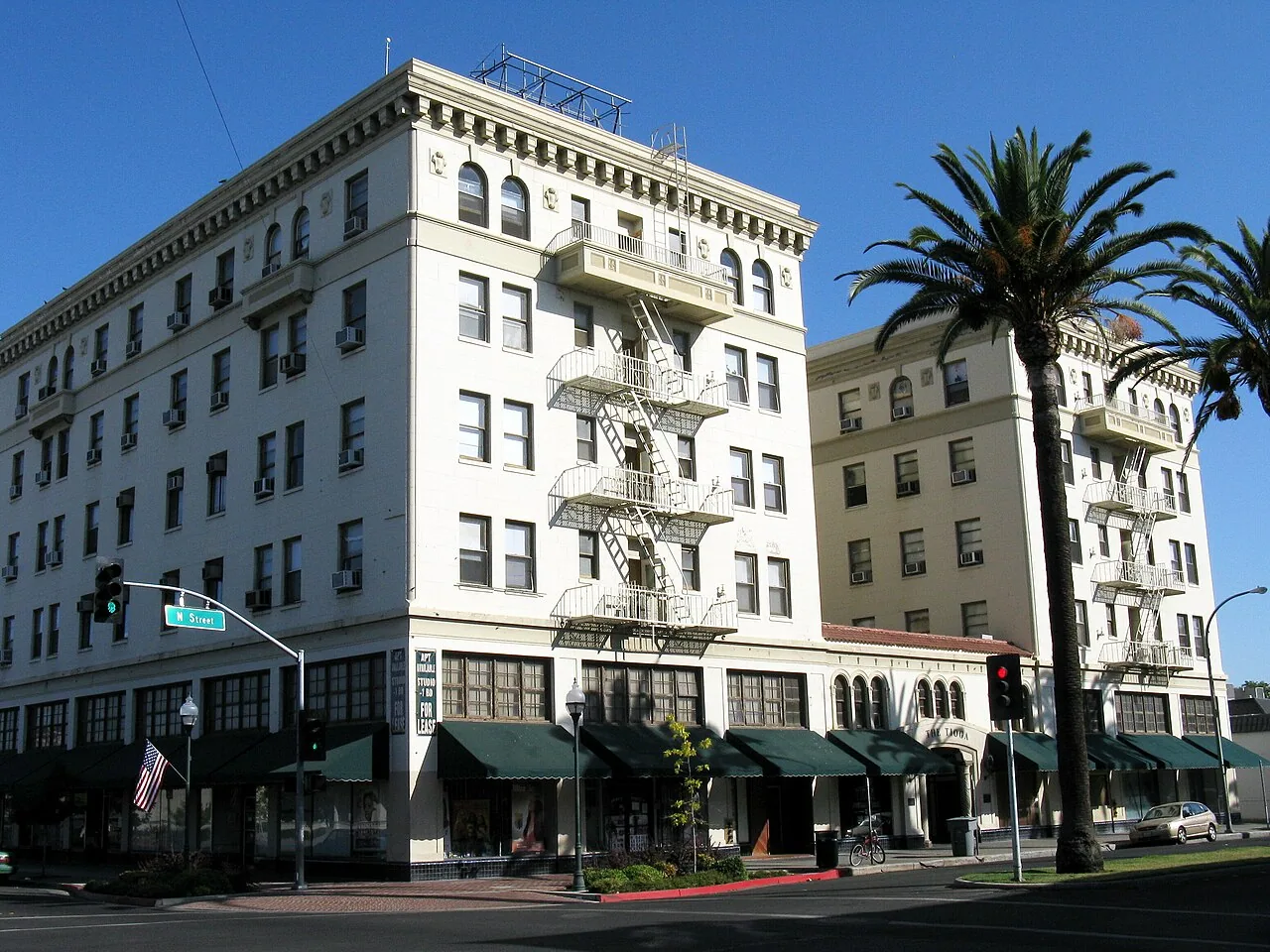
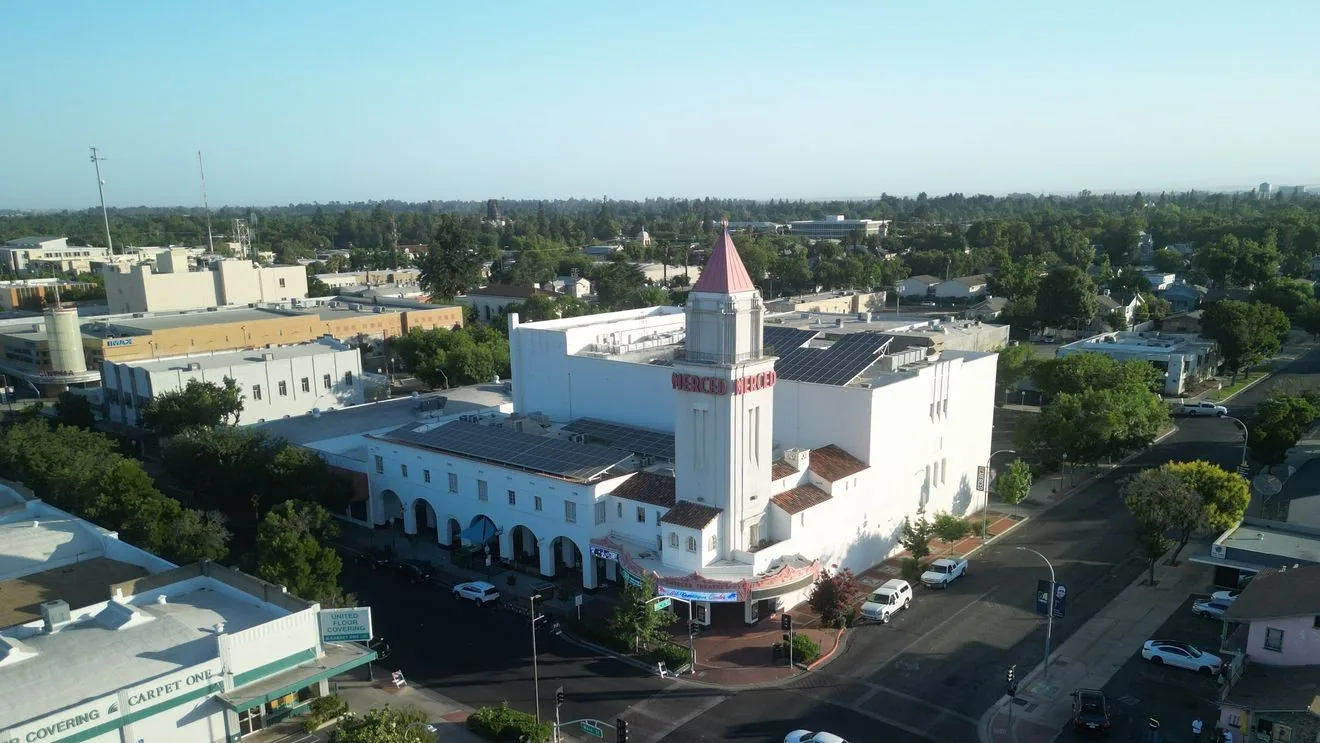
Downtown Merced includes government, finance, office, restaurant and arts-related commercial uses. Entry protection and deliveries may govern the pace there. Economic-development material describes Merced's industrial parks as serving a range of industrial uses, with highway and rail routes supporting freight. Loading schedules can affect the work sequence at those properties. We coordinate the work area with the manager rather than promise an identical schedule for every property.
The written plan identifies tasks that create noise, odor, heat or temporary access limits and the steps used to control them. We explain when a roof area must remain clear and how rooftop equipment affects the sequence. If a change in weather requires a smaller daily opening, the plan can be adjusted without leaving a vulnerable transition. The owner knows which area is being worked and what conditions permit its closure.
Keep system decisions tied to evidence
A complete proposal separates tear-off, deck allowances, insulation, membrane, flashings, edge metal, drains and rooftop equipment details. It states what is retained and which observations could change the work. We include product submittals and the intended assembly details for review. If a design or structural question lies outside roofing scope, we identify where an engineer or local reviewer must make that determination.
Maintenance after installation focuses on observable conditions: open seams, punctures, displaced accessories, blocked drainage and changes at flashing terminations. Inspections document those items so the manager can compare later observations. They do not establish that an unrelated concealed condition is absent. We give the owner a written record and a next action connected to each finding.
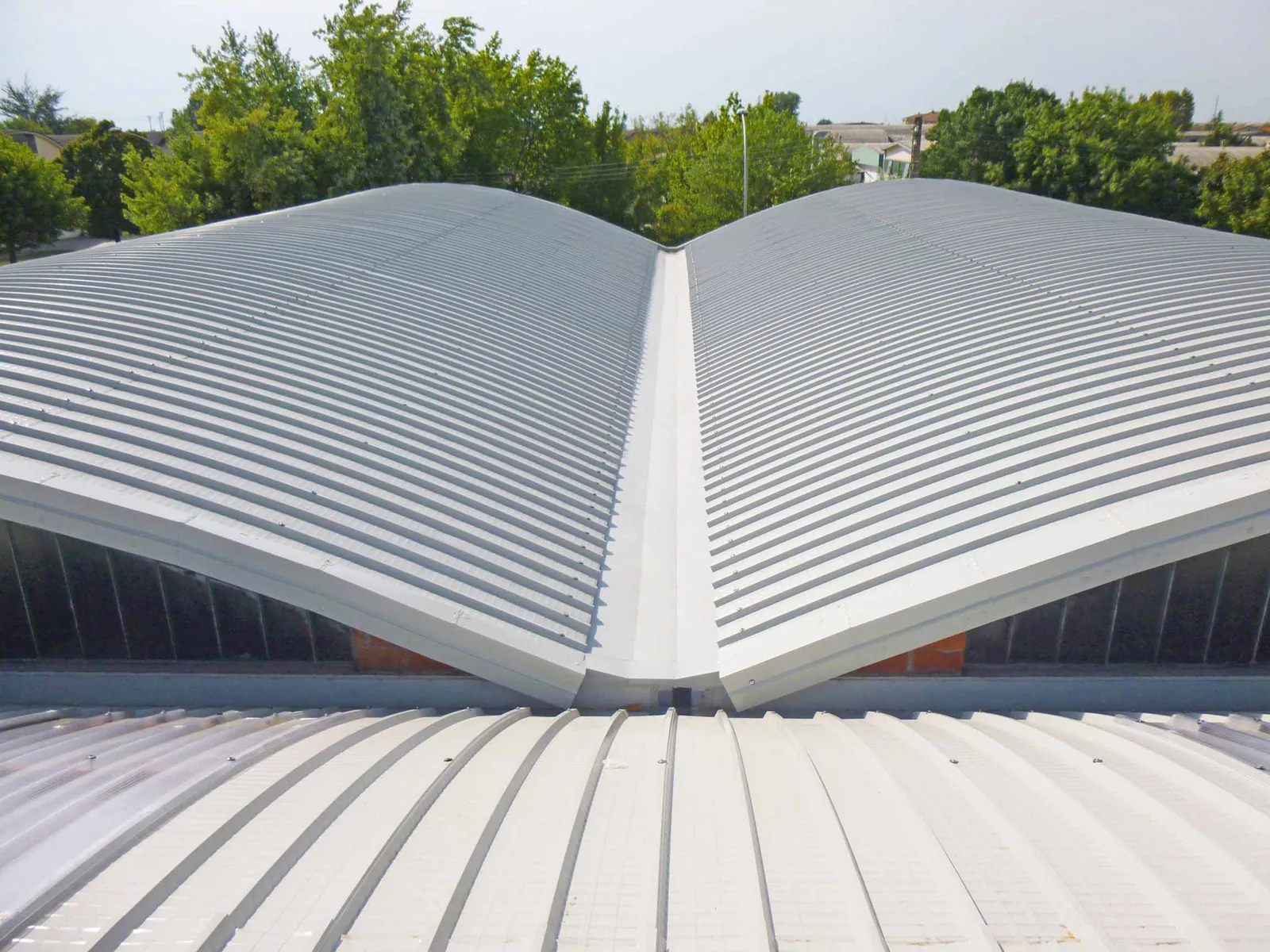
For a Merced property, we can compare the proposed Holcim Elevate system with the existing roof and operating requirements. The proposed EPDM assembly and TPO system need different seam and attachment checks against the existing roof. A condition inspection or recover review can clarify whether removal is necessary. We also assess Downtown Merced roofs and the Turlock Regional Industrial Park. Compare other material families through Carlisle SynTec and Johns Manville.
Commercial Roofing Questions
Is RubberGard the same as the manufacturer's TPO system?
No. RubberGard is the EPDM family; TPO uses a thermoplastic membrane and different seam work. We identify the existing sheet and select compatible repair materials before opening the roof.
Can you install a Holcim Elevate membrane over an older roof?
Only when the existing layers are dry and stable, attachment is suitable and elevations remain workable. We inspect the deck, insulation, drainage and flashing height before recommending a recover.
What affects membrane attachment in Merced?
Deck type, wind design, perimeter conditions, insulation layout and the project specification all matter. We confirm the assembly and its details against the building rather than choose a method by brand alone.
How do you keep an occupied roof watertight overnight?
We limit the open area to what the crew can protect and close within the planned shift. Temporary tie-ins and weather protection are checked at the boundary before leaving the roof.
What should an owner receive after an inspection?
A record of observed seams, penetrations, drainage and exposed layers, plus a written scope with repair boundaries. Any concealed condition or engineering question that affects the work should be identified separately.
Examine the flashing transition
Request an inspection of the split curb corner, failed seam or existing membrane that sets the repair boundary.
Related Roofing Work