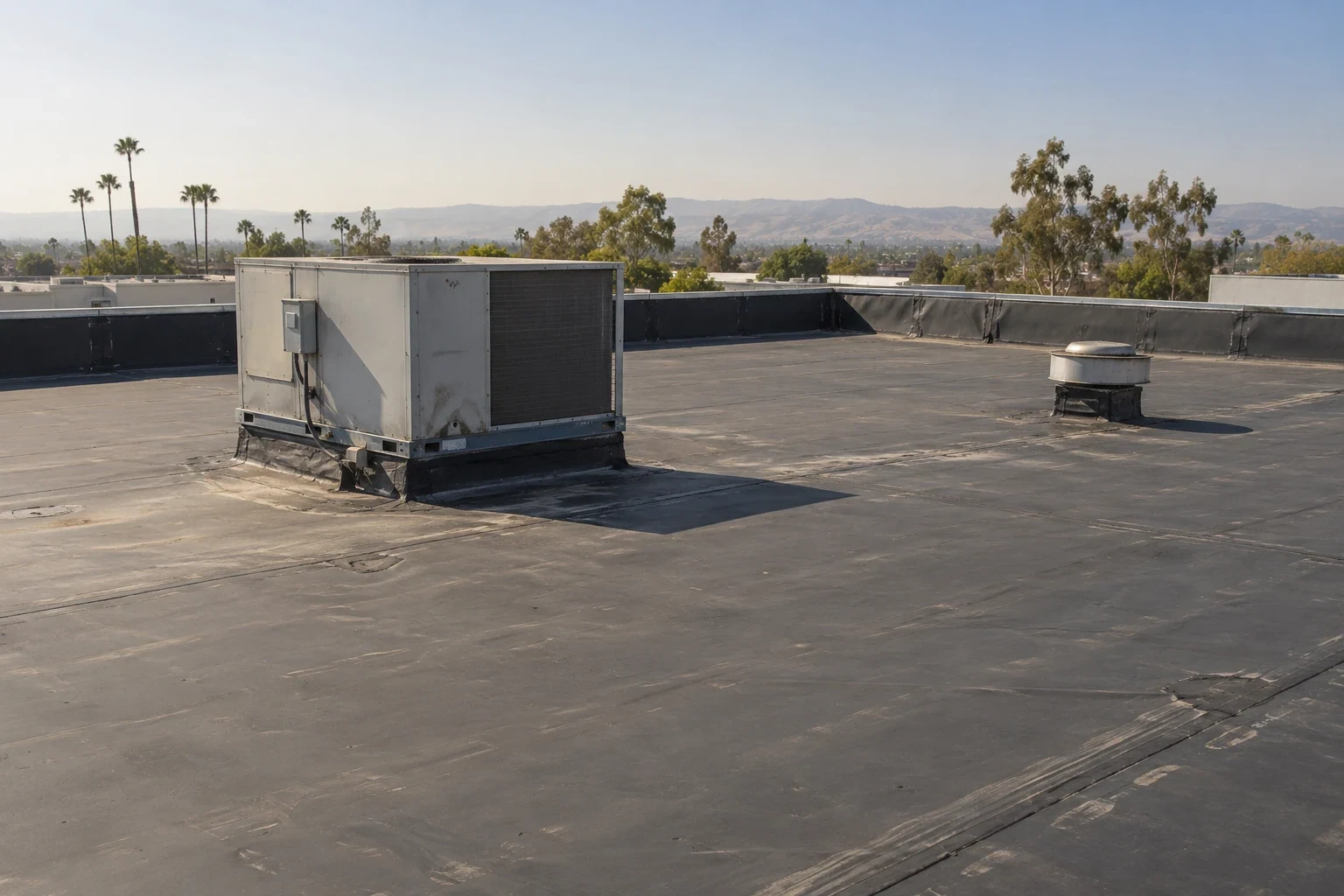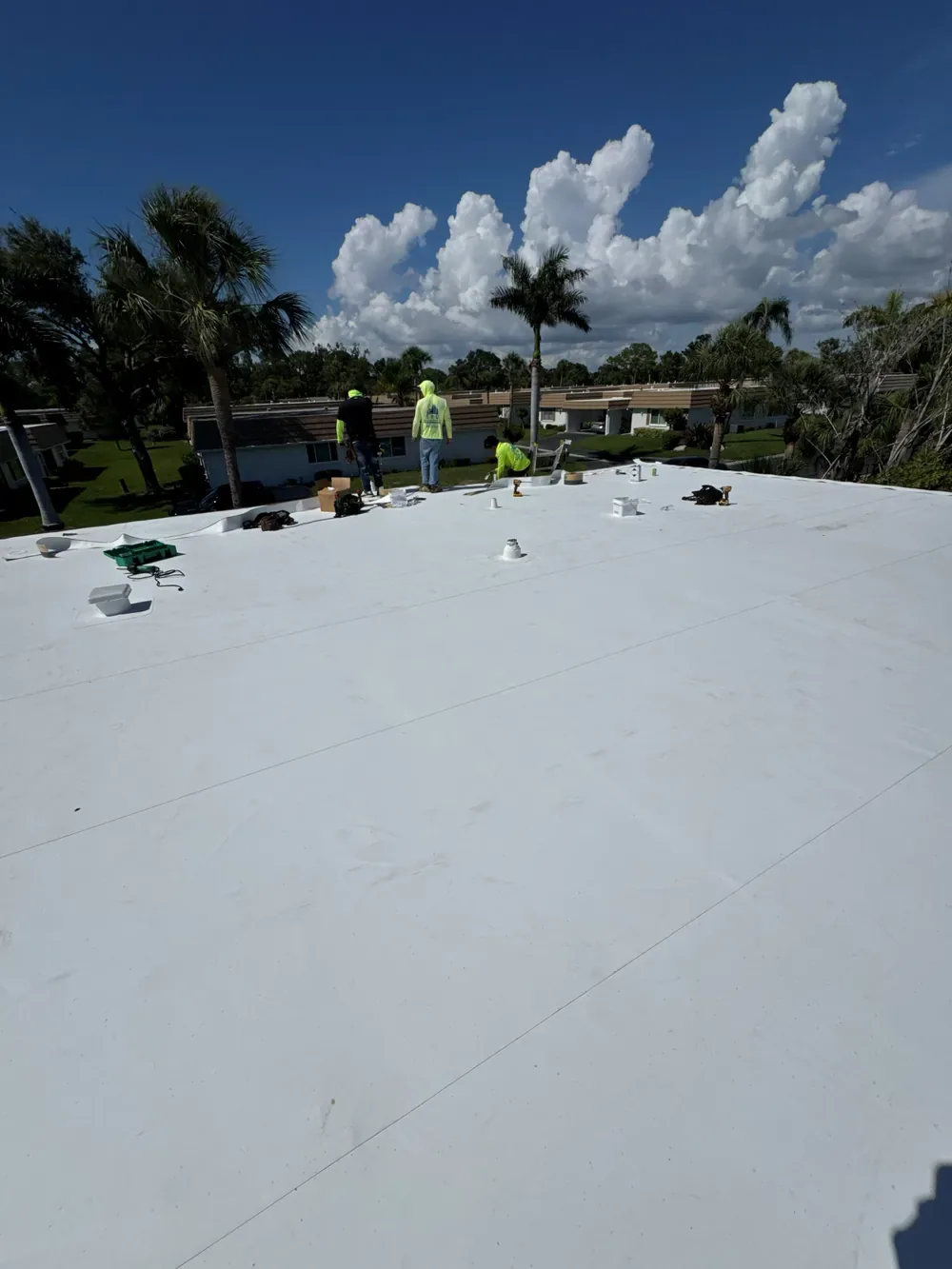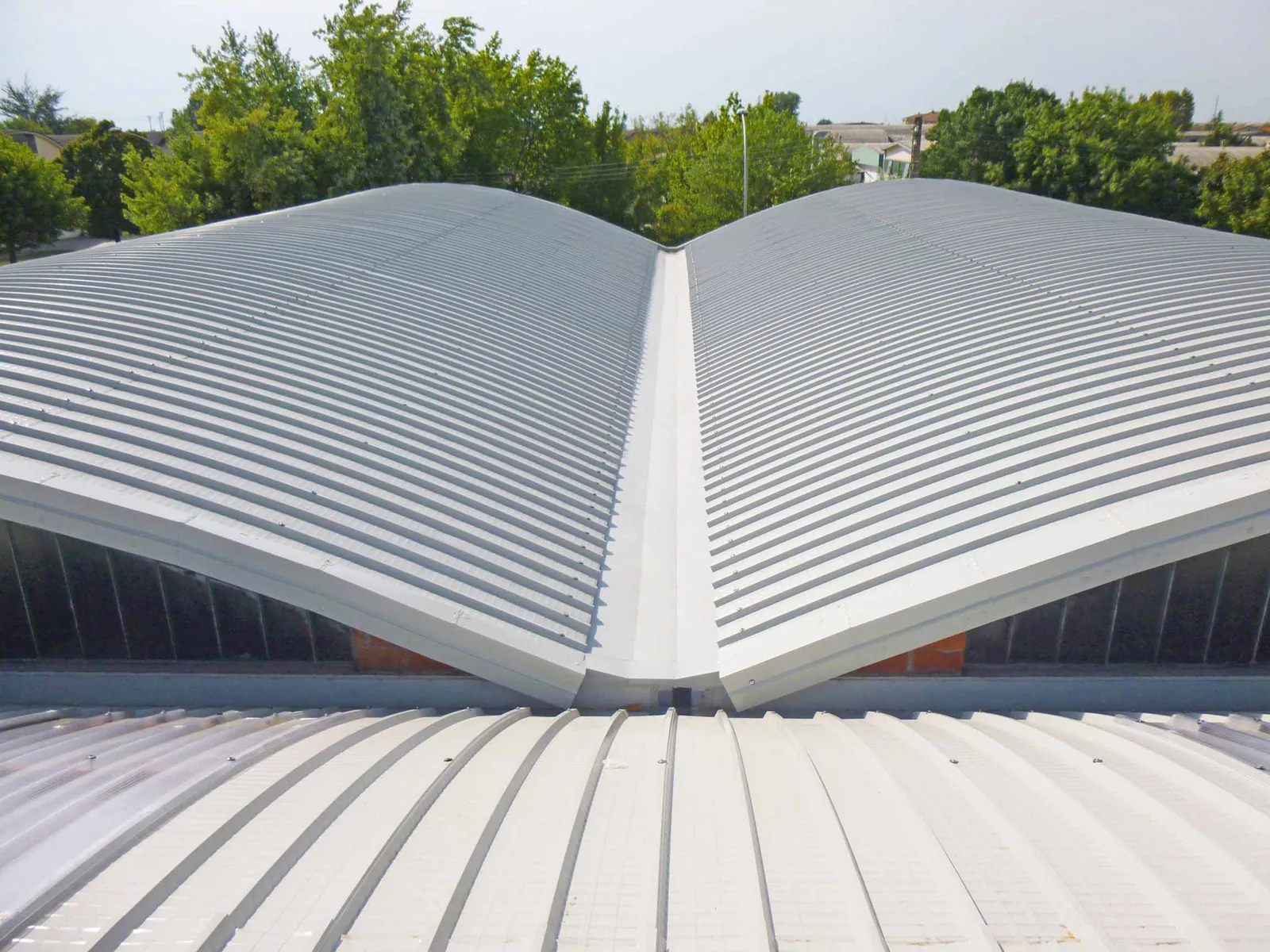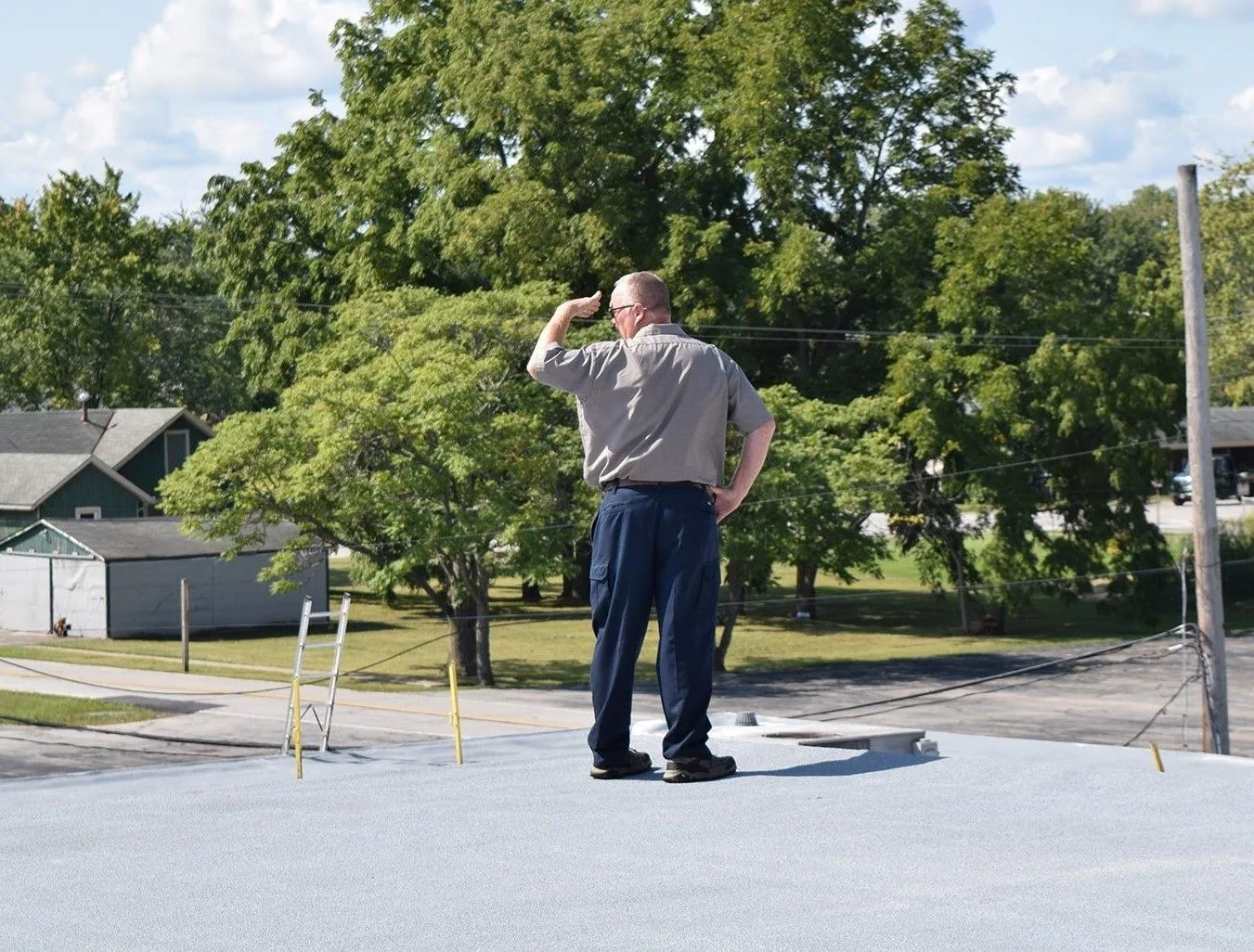
A fleece-backed membrane can change how a roof assembly receives adhesive and transfers movement. In Merced, CA, we start by identifying the existing layers and substrate before proposing a Carlisle SynTec system. The product line needs to fit the roof, not merely resemble the material already in place.
Carlisle SynTec lists EPDM, TPO, PVC and FleeceBACK single-ply products, plus insulation, adhesives and accessories. Each system has its own details and preparation. Downtown Merced offices and restaurants call for careful access planning. Industrial parks connected to Highway 99 and rail can bring loading and staging constraints. The building's use affects how we sequence the work.
Several membranes, different seam behavior
EPDM is a thermoset rubber membrane. Field seams and details use specified tapes, adhesives or accessories rather than the hot-air weld used for thermoplastic sheets. TPO and PVC are thermoplastics; their seams are heat welded after surfaces are clean and the equipment is set for the conditions. A repair that treats all single-ply material as interchangeable can create a weak bond line or an incompatible patch.
Carlisle's product names include Sure-Seal EPDM, Sure-Weld TPO, Sure-Flex PVC and FleeceBACK membranes. Those names identify product families, not a finished assembly. The deck, insulation, vapor control, attachment and perimeter still need to be evaluated. We confirm membrane type from markings, exposed edges and field details when records are incomplete.
A fleece-backed sheet may pair with an adhesive method that differs from a smooth-backed membrane. A fully adhered assembly can distribute load differently from a mechanically attached layout. Induction-welded plates require compatible materials and a defined installation sequence. We match the specification and submittal to the actual building instead of making assumptions from color or surface texture.
The deck decides the attachment
Attachment starts below the membrane. Metal deck, concrete and wood do not accept the same fastener or adhesive approach. We inspect representative areas for corrosion, movement, prior repairs and the condition of existing layers. Where concealed construction changes the design, a test opening helps identify the material stack and exposes the bond surface.
Merced's industrial parks include both light- and heavy-industrial sites. A roof there may have equipment supports, loading access and numerous penetrations that complicate staging. Downtown Merced contains government, finance, office and restaurant uses. Those roofs can require a smaller work area and protected entrances. Neither description substitutes for a site inspection, but each helps us ask the right access and sequencing questions.
We record wet or compressed insulation, damaged deck, loose edges and ponding conditions separately. A recover should not trap moisture or conceal a connection that needs rebuilding. Replacement may be preferable where the assembly is saturated, the detail height is inadequate or the deck requires repair. When a recover remains viable, we verify the proposed attachment and the added roof elevation at drains and walls.
Transitions need their own inspection
Water follows discontinuities. We examine field seams, penetrations, drain bowls, wall terminations, curbs and expansion joints as separate details. A sound membrane field does not prove that a pipe boot is bonded or that a drain clamping ring is seated. In a repair scope, we identify which components are removed, which are retained and where the new membrane connects to sound material.
When a roof has a mixed history, the transition may cross several membranes or repair products. We check whether prior coatings, sealants or adhesive residues interfere with the next bond. Carlisle system details provide a basis for compatible work, but the actual substrate still governs preparation. We clean, prime, weld, splice or fasten according to the selected system's published requirements.
Thermal movement deserves attention at long runs, corners and changes in plane. Merced's hot summer conditions place exposed materials through repeated heating and cooling. A detail that is restrained or poorly terminated can open even when the field sheet remains intact. We inspect attachment and movement allowance before deciding whether the remedy is a local patch or a larger perimeter reconstruction.
A roof plan that fits daily use
Before work starts, we map access, material staging, drain protection, temporary tie-ins and areas that must remain open to building operations. Deliveries and rooftop equipment can affect the order of work. In an occupied office or food-use building, we coordinate noisy tasks, entrance protection and weather-tight shutdown points. Industrial operations may need a different sequence around loading or stored goods.
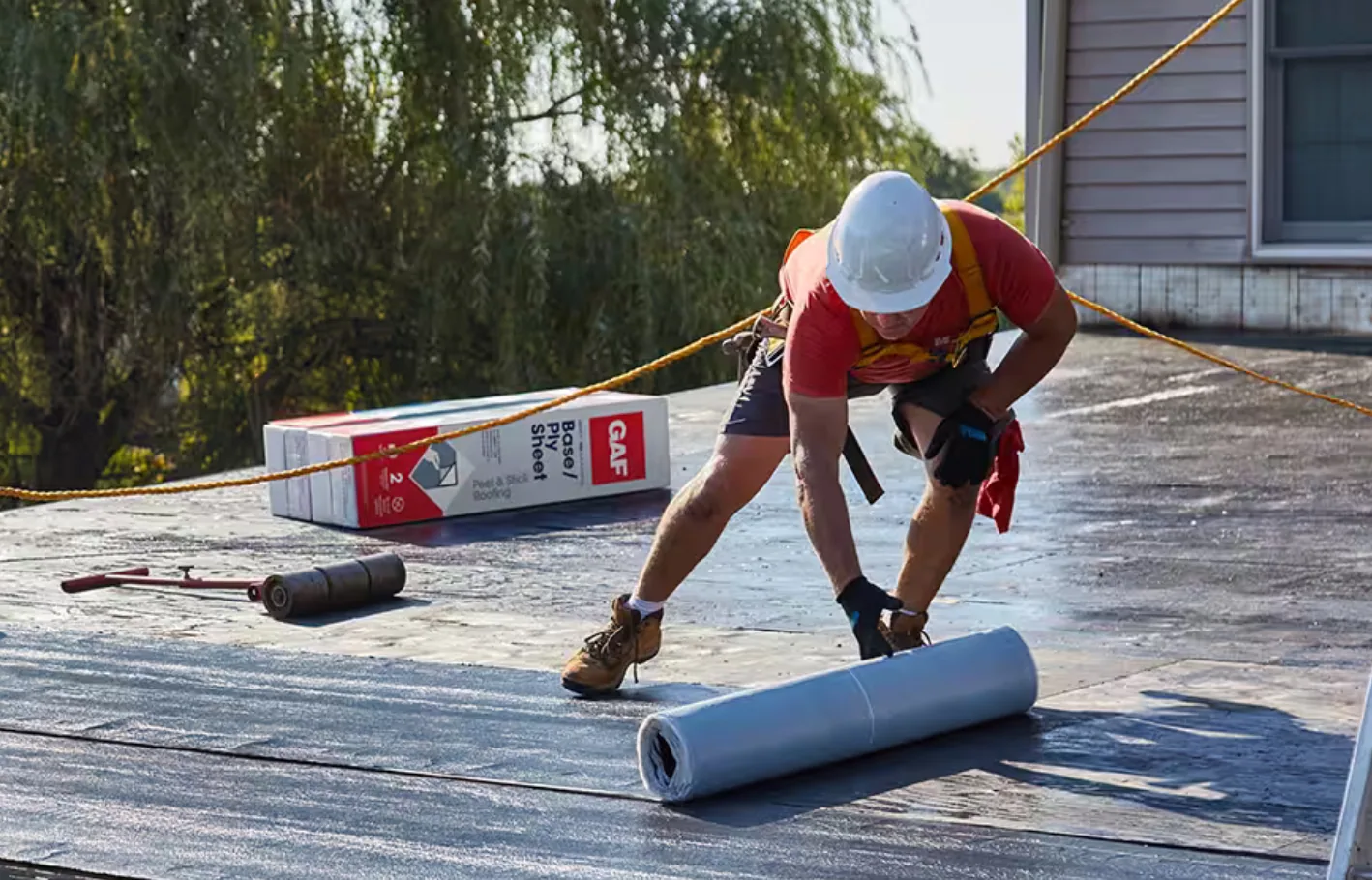
During installation, the crew checks substrate condition and assembly layers as each area opens. Insulation joints, cover board, fastener patterns and membrane seams receive attention before they disappear under the next course. We check welds after cooling and inspect corners, patches and flashing terminations. A photo record ties observed details to the completed work and gives the owner a usable basis for maintenance.
Our written scope distinguishes planned work from concealed conditions that need approval. It identifies removal limits, deck allowances, membrane family, attachment, edge metal and drainage work. Where the roof is under a Carlisle specification, we compare the proposed assembly and details with those documents. For the broader membrane choice, review EPDM assemblies and TPO options. We can also assess recover feasibility, inspection findings and commercial roofs in Atwater.
Compare material to condition
A manufacturer system is a set of compatible components and details. The owner's decision still depends on roof condition, planned service life, access, drainage and the cost of removing unsound layers. We explain which surfaces appear serviceable, what a test opening reveals and where further engineering or code review is needed. That keeps membrane selection tied to the building evidence.
For some roofs, a focused repair addresses an isolated seam or flashing failure. For others, replacement gives the owner a chance to correct wet insulation, low transitions and recurring drainage trouble. A recover may preserve dry, stable material when assembly limits allow it. We lay out those paths without treating a brand or single product as the answer for every roof.
Owners can request an inspection that names the Carlisle membrane, edge, drain or recurring leak in question. We document the existing construction and prepare a written scope that shows the connection between findings and proposed work. The result is a practical comparison for a Merced property, whether it serves Downtown offices or the industrial corridors near Highway 99. A separate review of GAF roof assemblies or Johns Manville materials can help compare system details without treating products as interchangeable.
Commercial Roofing Questions
Can Carlisle EPDM be repaired with the same method as TPO?
No. EPDM seam work and thermoplastic welds use different materials and preparation. We identify the membrane and accessories first, then choose a compatible repair detail for the assembly.
Does FleeceBACK describe a complete roof assembly?
It identifies a membrane family, not every layer or attachment decision. The deck, insulation, adhesive, perimeter and project requirements still need to be specified for the building.
What should be checked before a recover?
We look for wet insulation, damaged deck, loose attachment, trapped layers, limited flashing height and drainage problems. A recover proceeds only when the existing construction can support the new assembly and applicable requirements allow it.
How do you handle an occupied Merced building?
We set a sequence around access, deliveries, interior sensitivity and a dependable end-of-day tie-in. The work area is limited to what can be protected and closed safely under the planned conditions.
What goes in the Carlisle system scope?
The proposal identifies membrane family, attachment, insulation, edge details, drains, removal boundaries and concealed-condition allowances. We compare the assembly to the project requirements and explain any conflict before installation.
Inspect the membrane and bond line
Request an examination of the existing Carlisle assembly, the failing transition or the substrate beneath a recurring repair.
Related Roofing Work